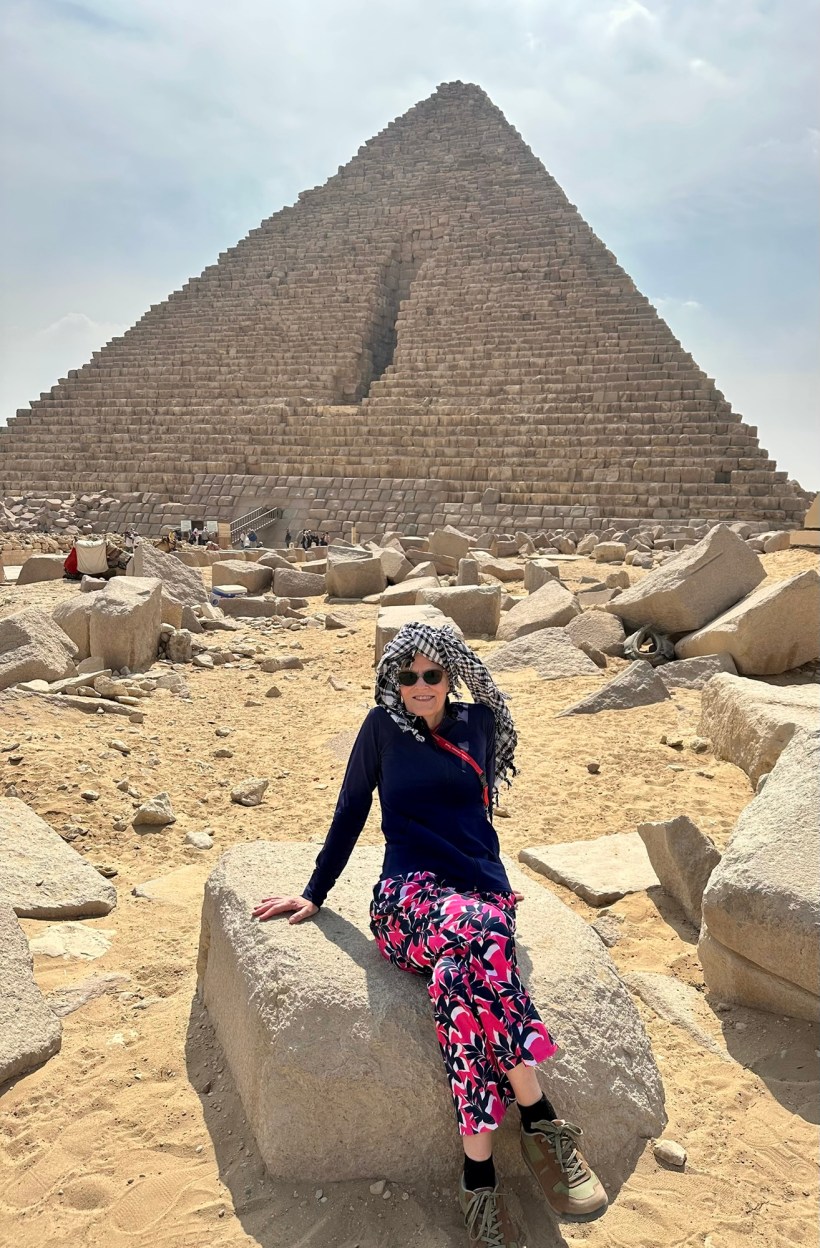
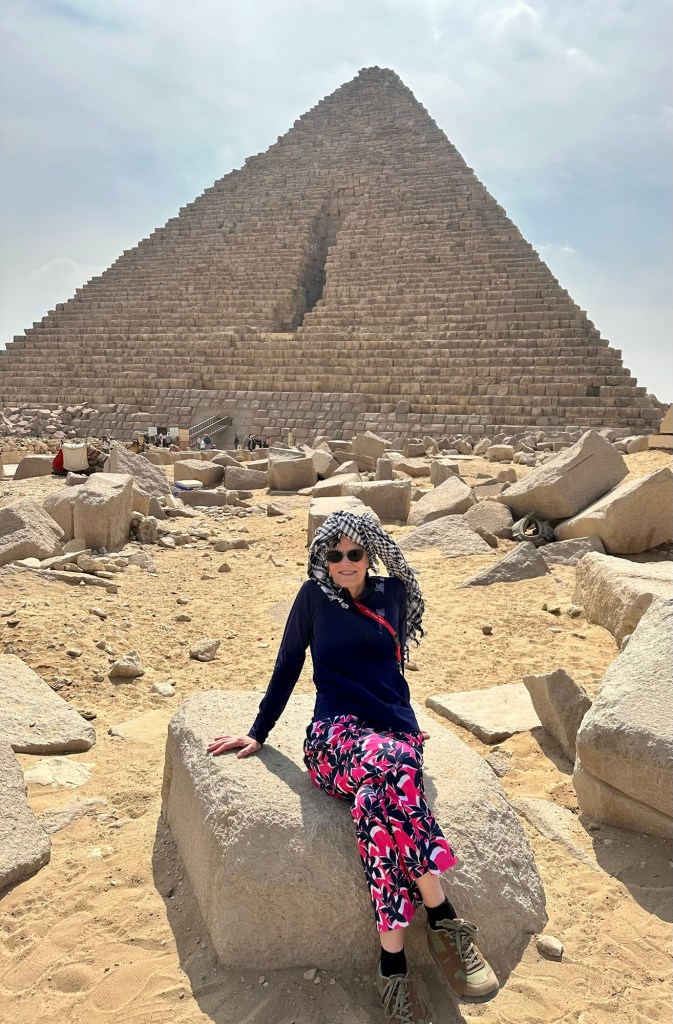
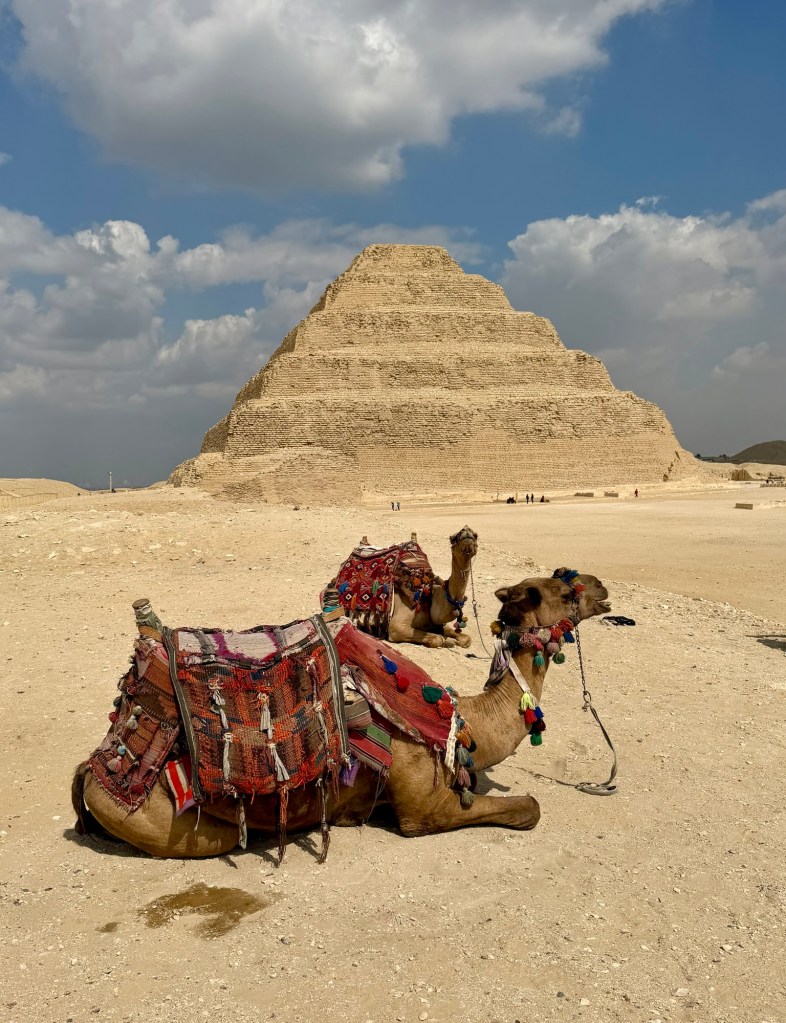
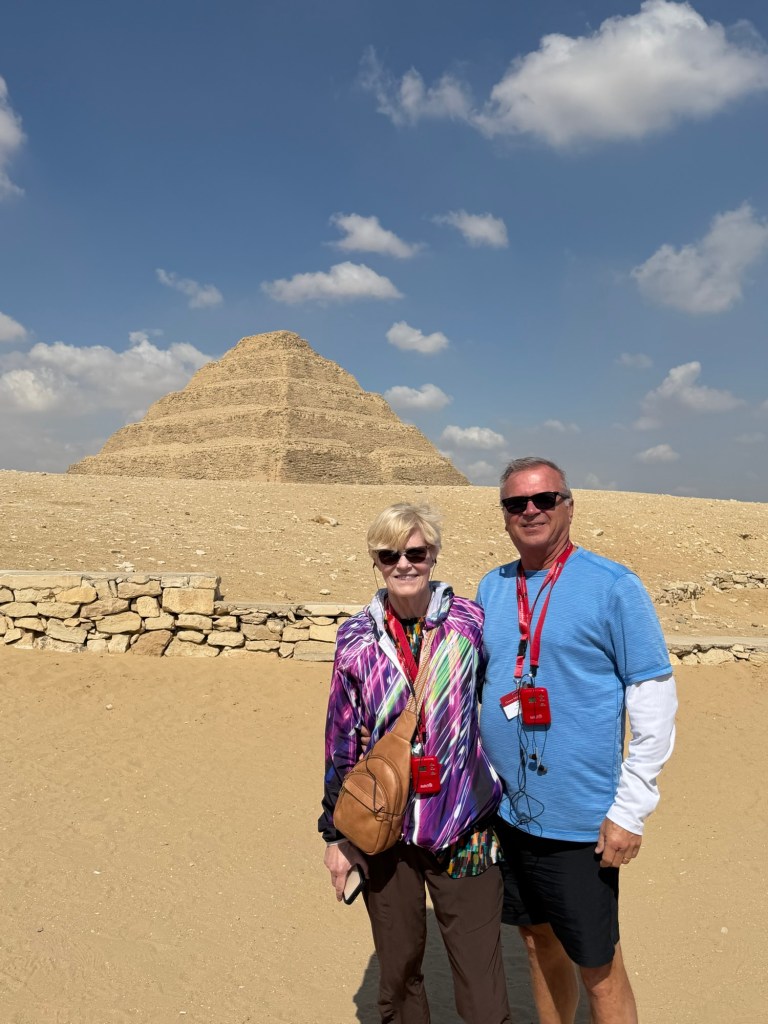
The remainder of our Egyptian tour has been cancelled, and Kris and I will be leaving on a charter flight to JFK in a few hours.
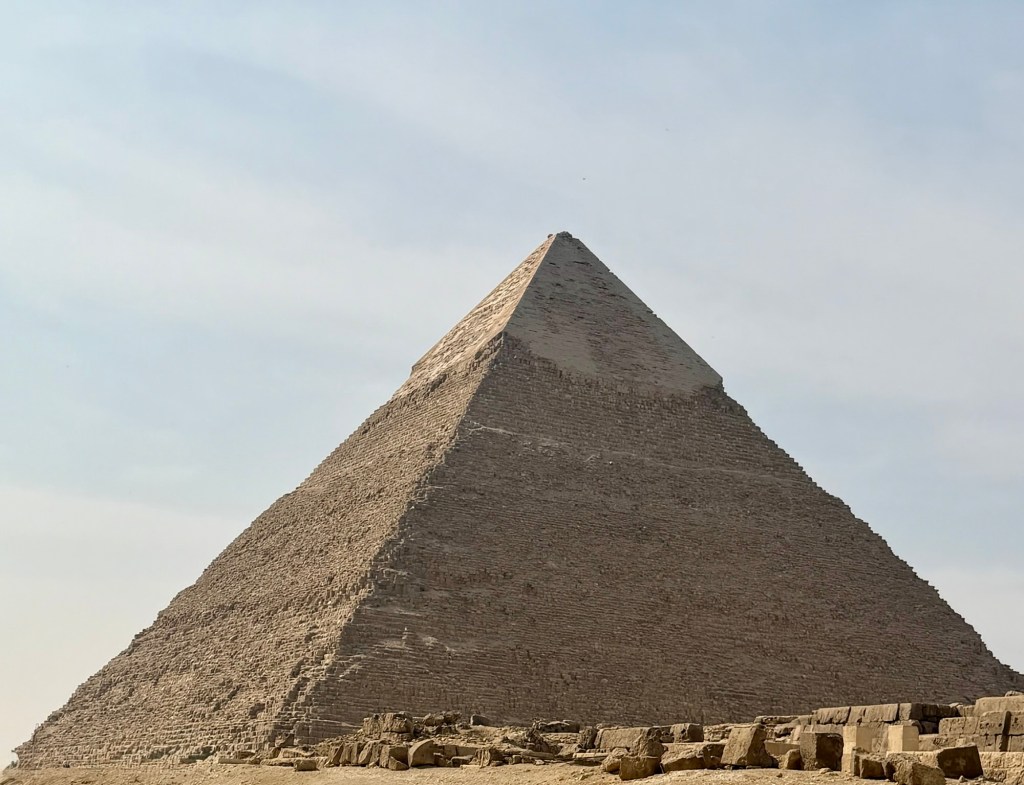
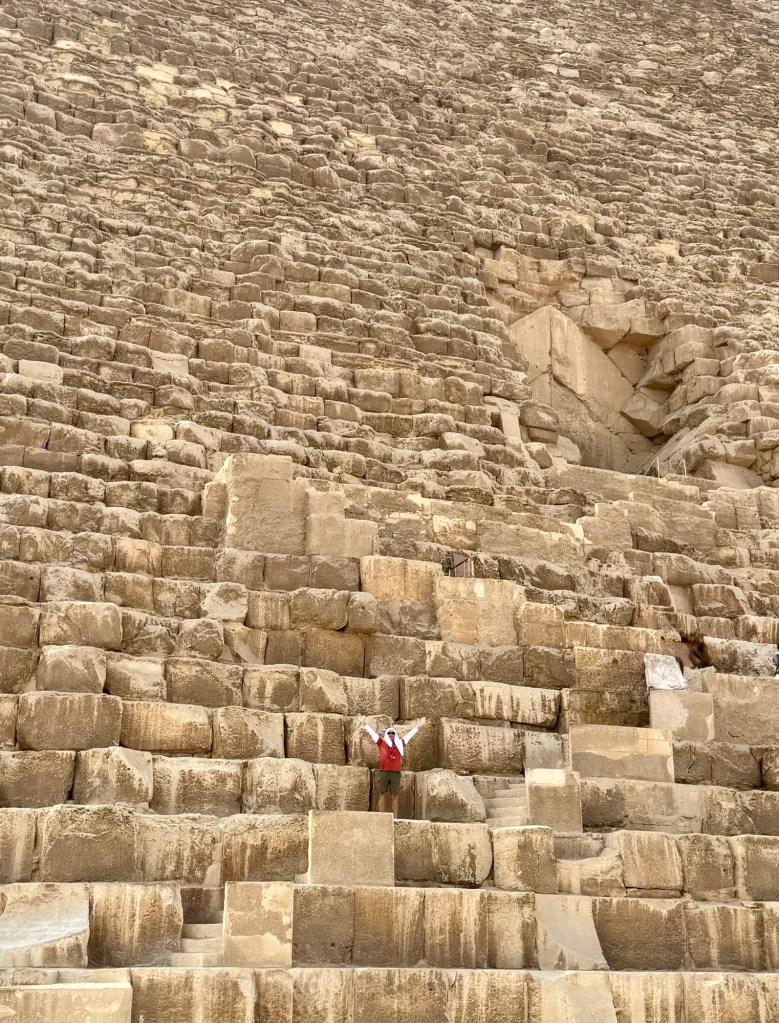
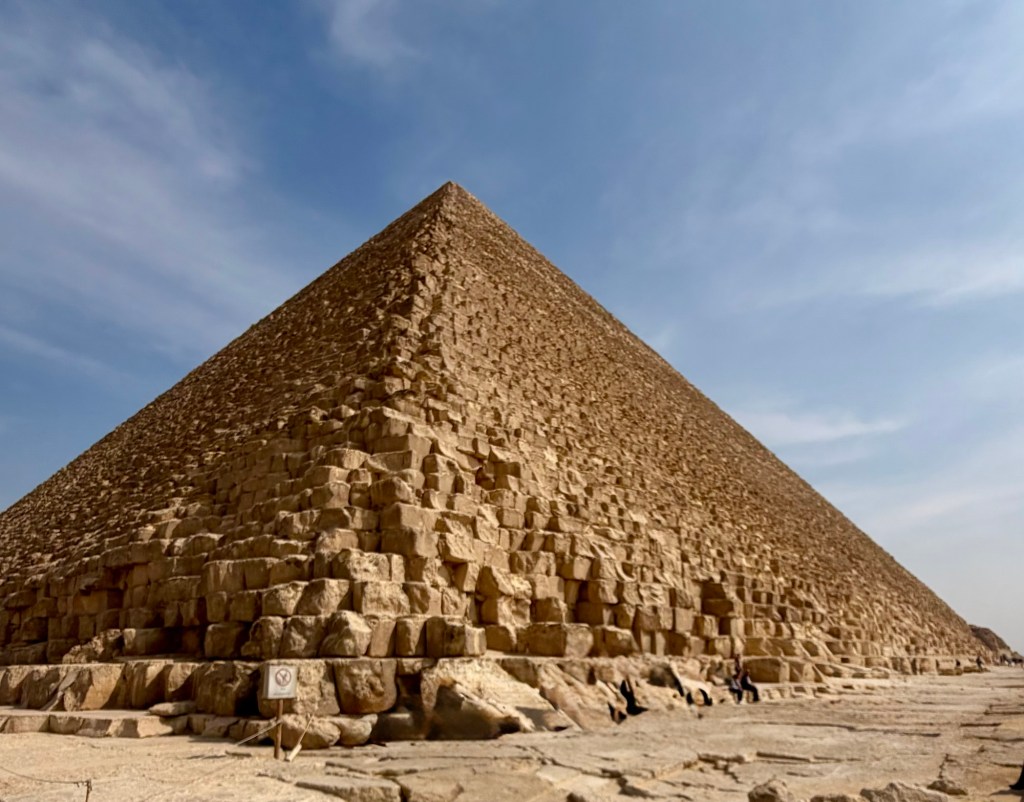
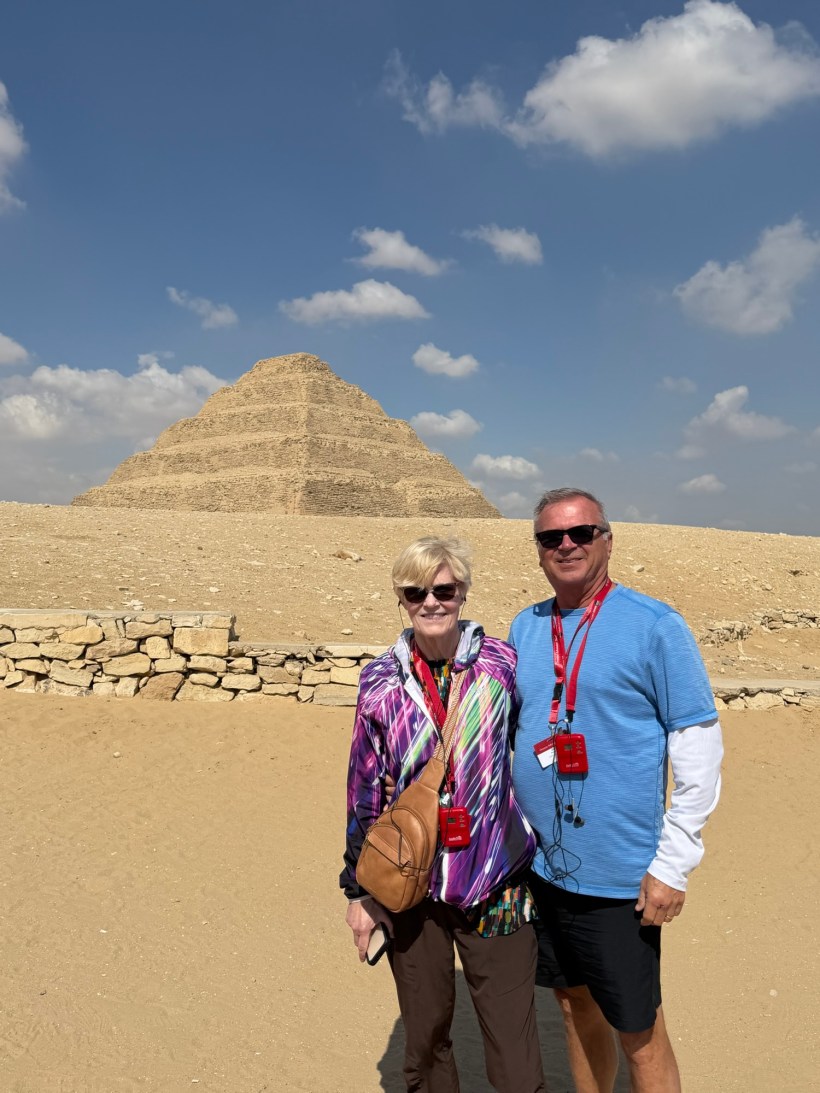
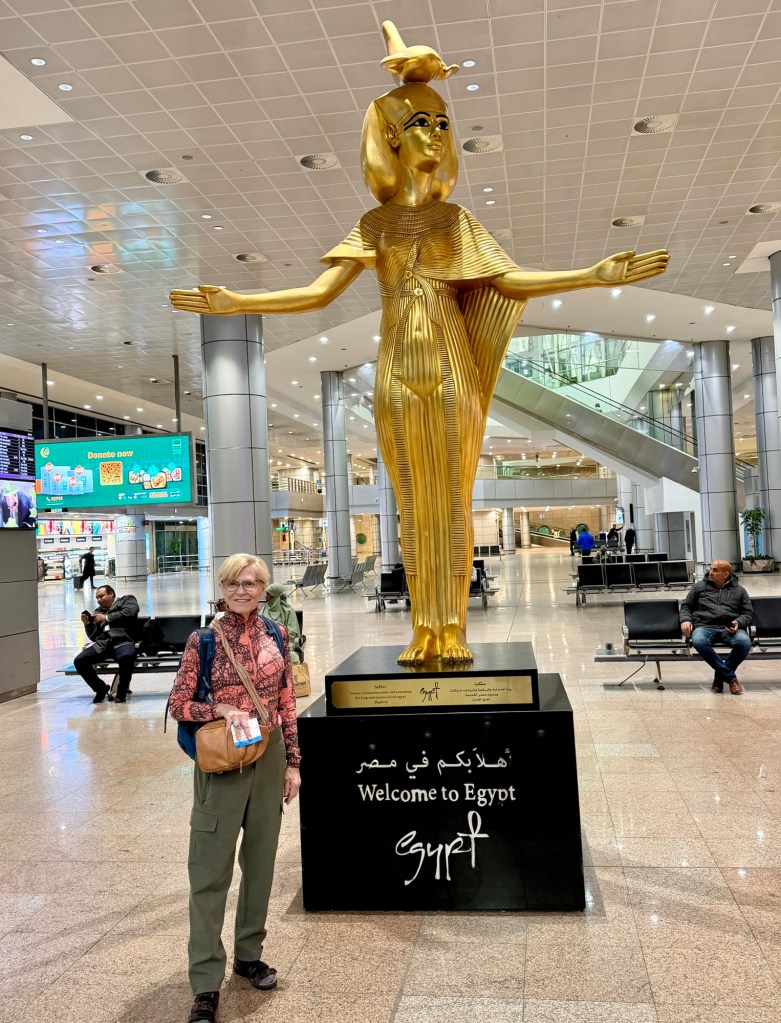
The decision affects the 20 people in our tour group, and we’re all disappointed. The strange part is that none of us feel unsafe here. Quite the opposite—our experience in Egypt has been wonderful.
Egypt has been Level 2-Exercise Increased Caution for quite some time. That has not changed.
So why was the tour cancelled?
Because of an X post (tweet).
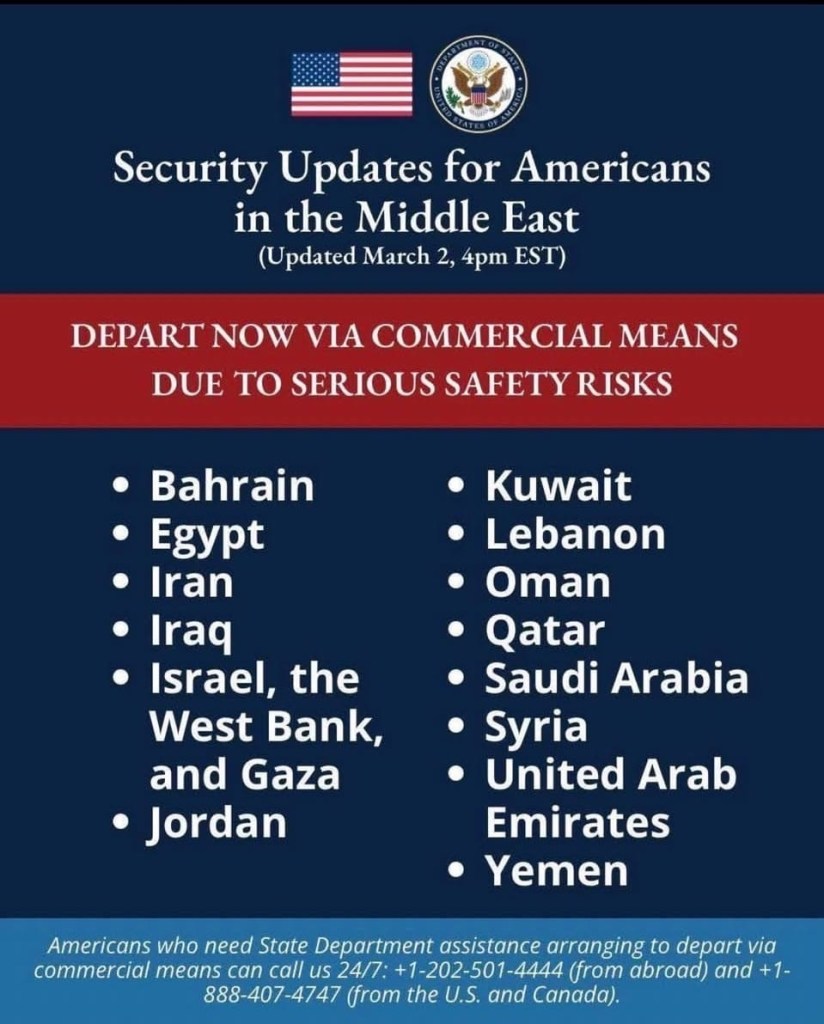
Someone at the U.S. State Department lumped Egypt together with the rest of the Middle East. That single post changed the liability landscape overnight. Once the advisory went out, tour operators had little choice but to cancel remaining tours. From a legal standpoint, the risk suddenly became too great.
I’ll admit that before visiting Egypt, I also tended to lump it in with the rest of the Middle East.
But I don’t work for the State Department.
Let me share a few realities about Egypt.
Egypt’s last major war was in 1973. That conflict—the Yom Kippur War—ultimately led to the Camp David Accords in 1979. Since then, Egypt and Israel have maintained peace for more than four decades.
Today, Egypt often plays the role of diplomatic middleman in regional conflicts, including the ongoing tensions between Hamas and Israel.
In many ways, Egypt functions as the Switzerland of the Middle East—maintaining relationships with multiple sides and working behind the scenes to keep the region from boiling over.
Geography also works in Egypt’s favor. Nearly 95 percent of the population lives within a few miles of the Nile River. Beyond that narrow green corridor lies mostly natural protection: the Sinai Desert and the Red Sea to the east, the Mediterranean to the north, and the vast Sahara Desert to the west.
After spending time here, one thing has become clear to me: Egypt deserves to be judged on its own merits—not lumped into a regional headline.
Unfortunately, one tweet was enough to end our tour.
Pete




 Just Pete Adventures