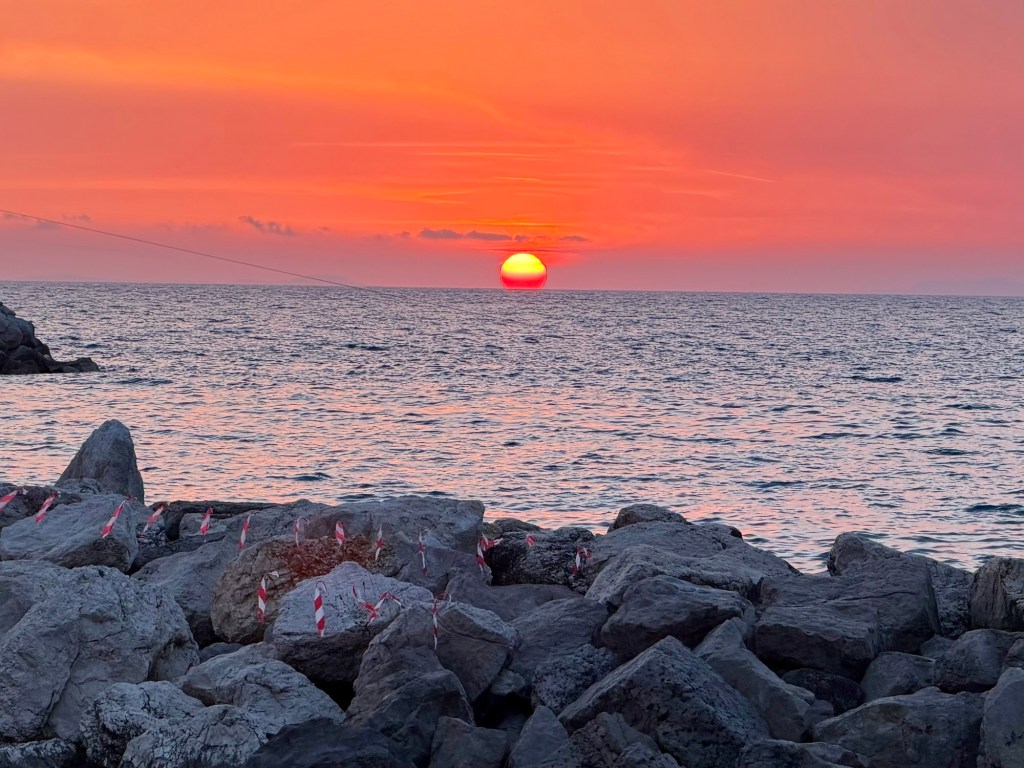
Zarautz and San Sebastián

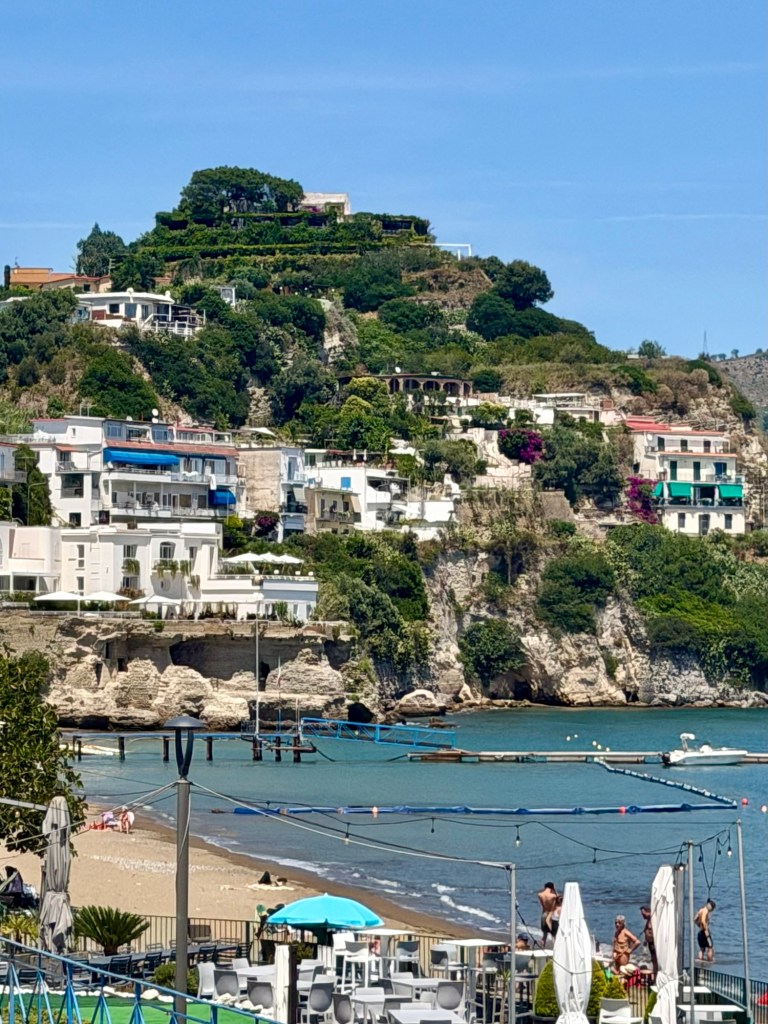
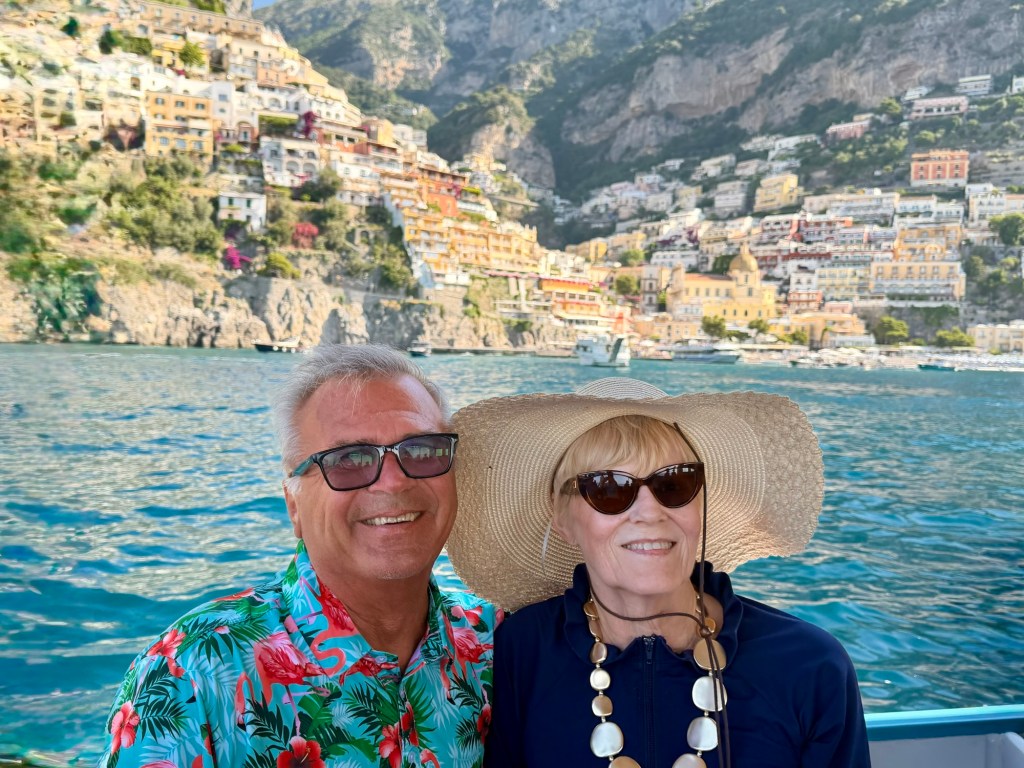
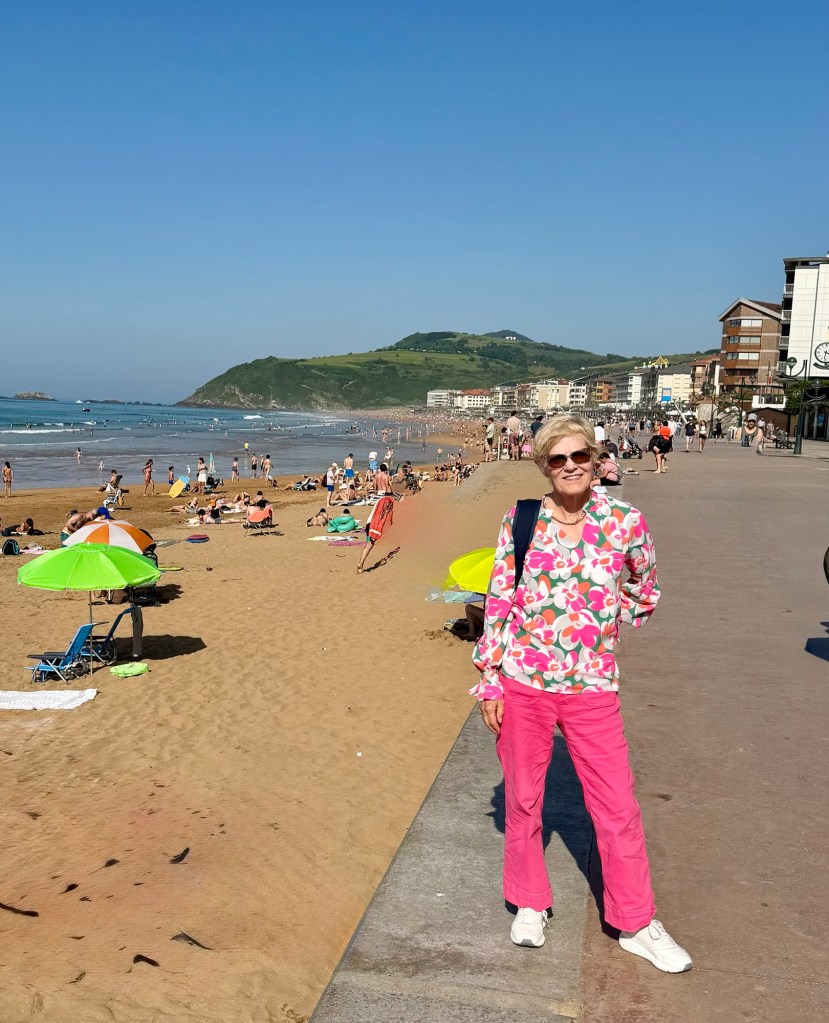
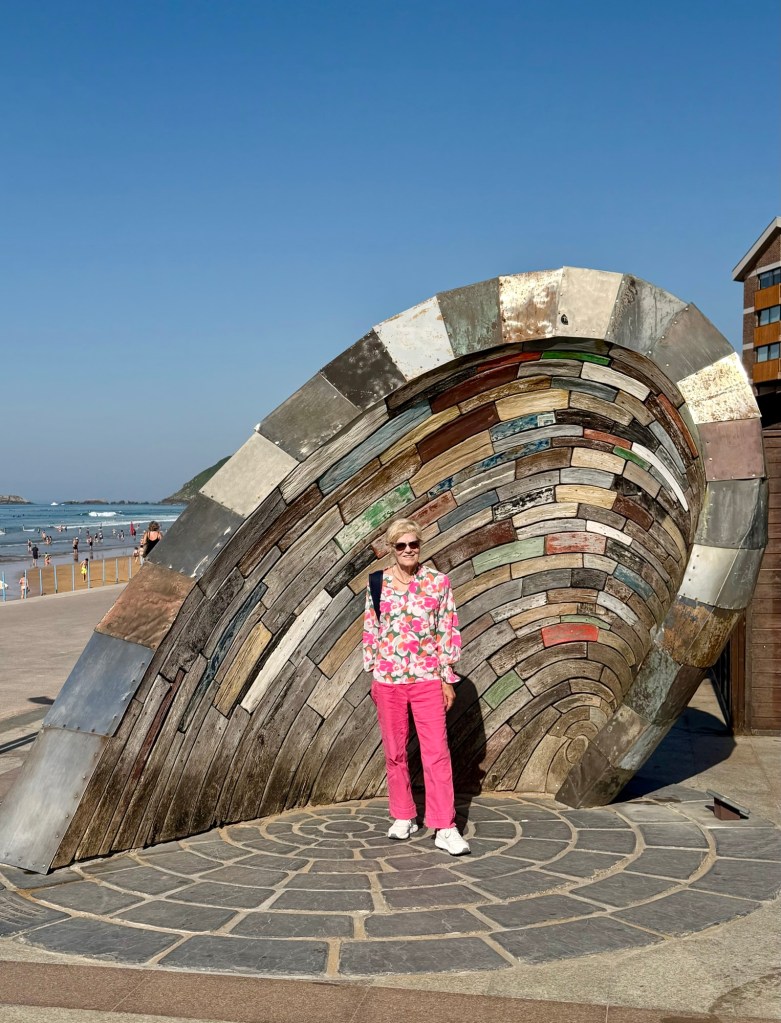
We spent two days in Zarautz, another of Spain’s premier surf towns.

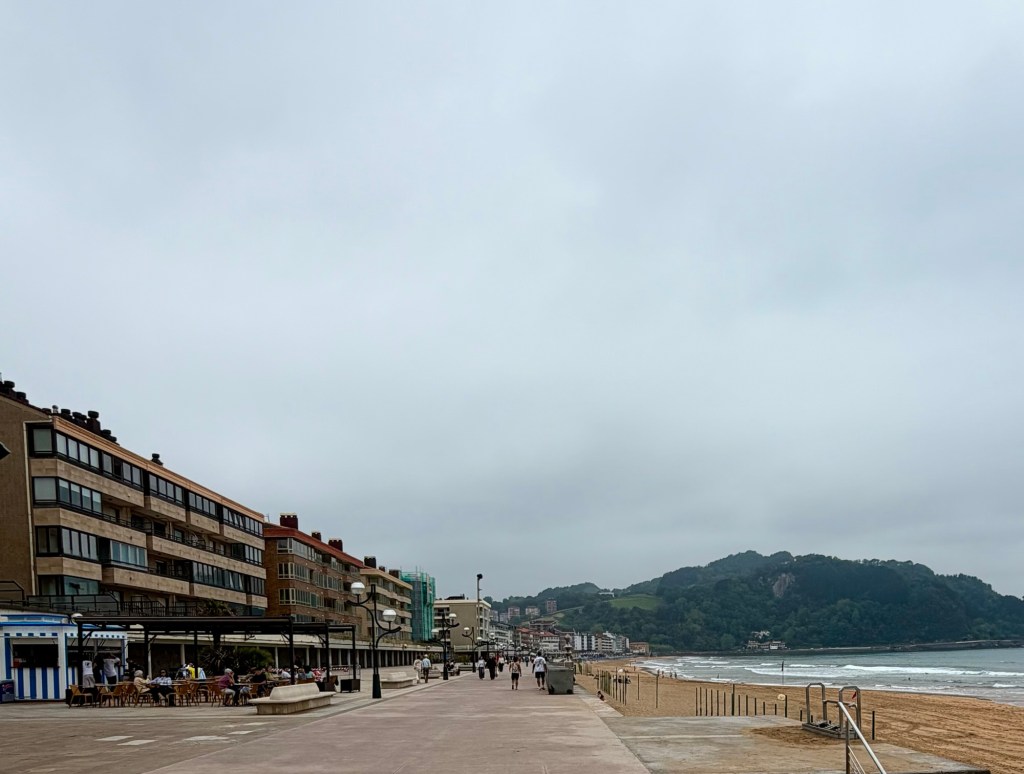
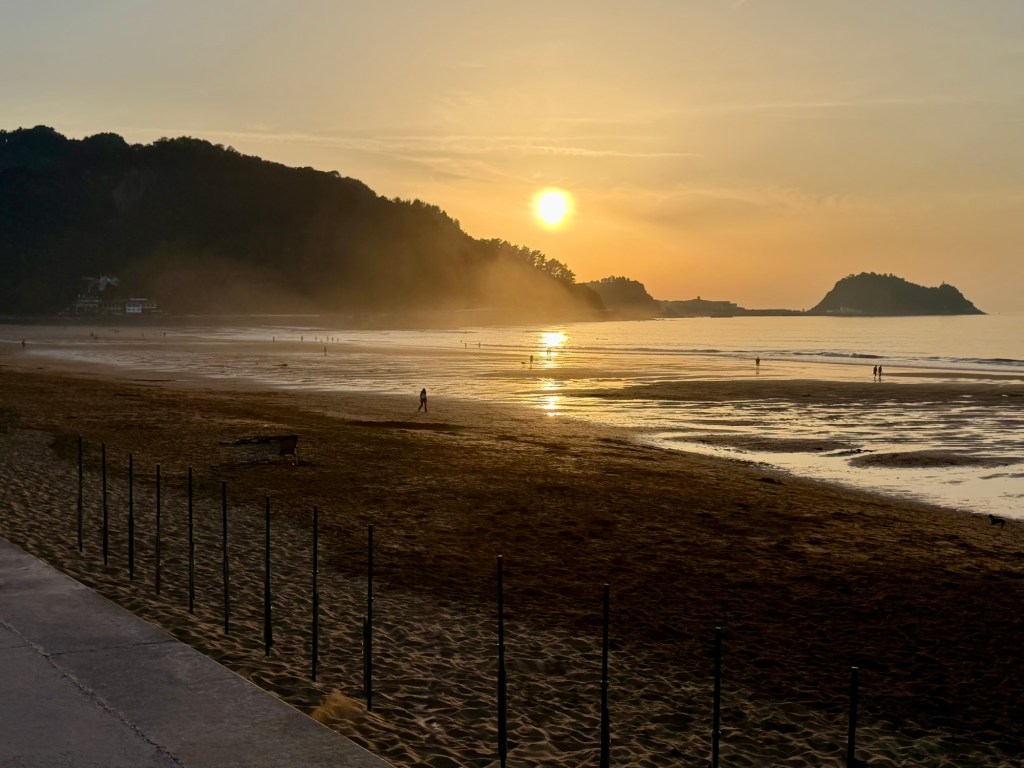
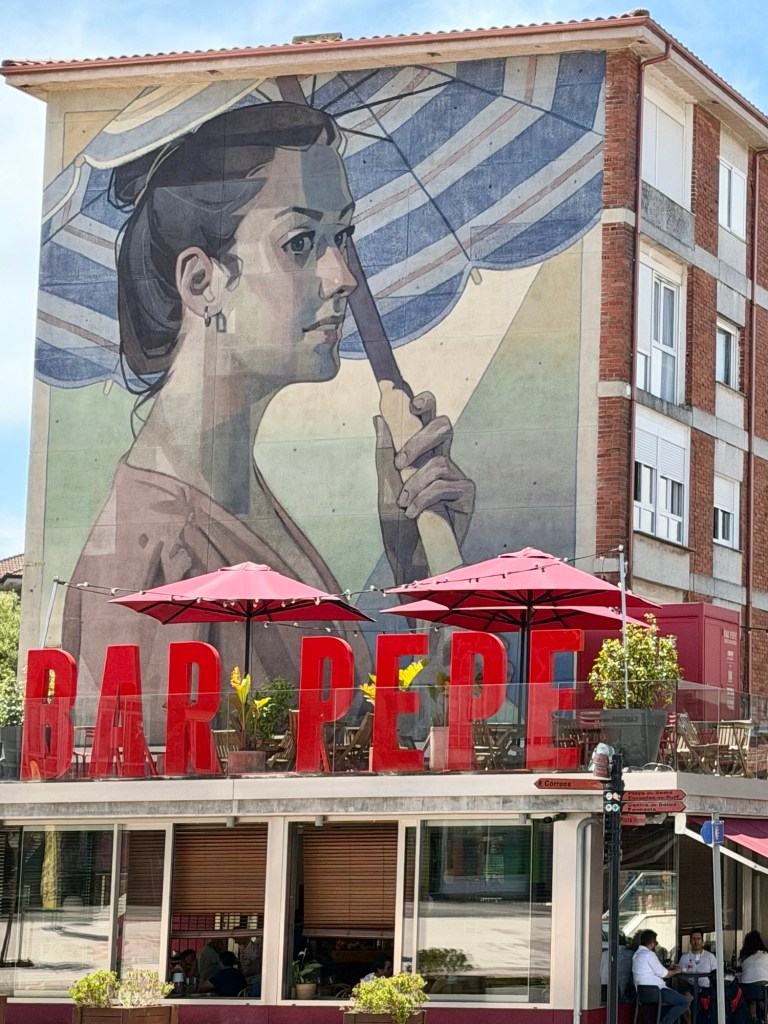
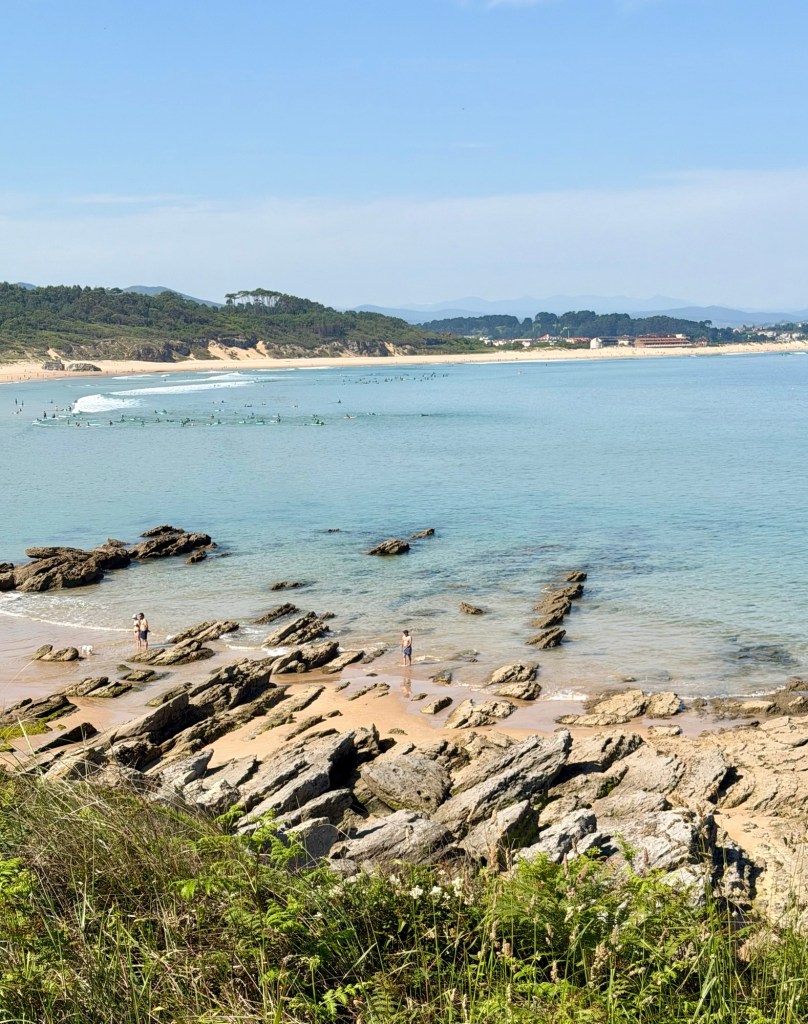
Zarautz Beach was voted the best beach in Spain for 2024 by readers of Condé Nast Traveler. The beachfront promenade is lined with bars, and restaurants, giving the beach a lively atmosphere from morning until late at night.

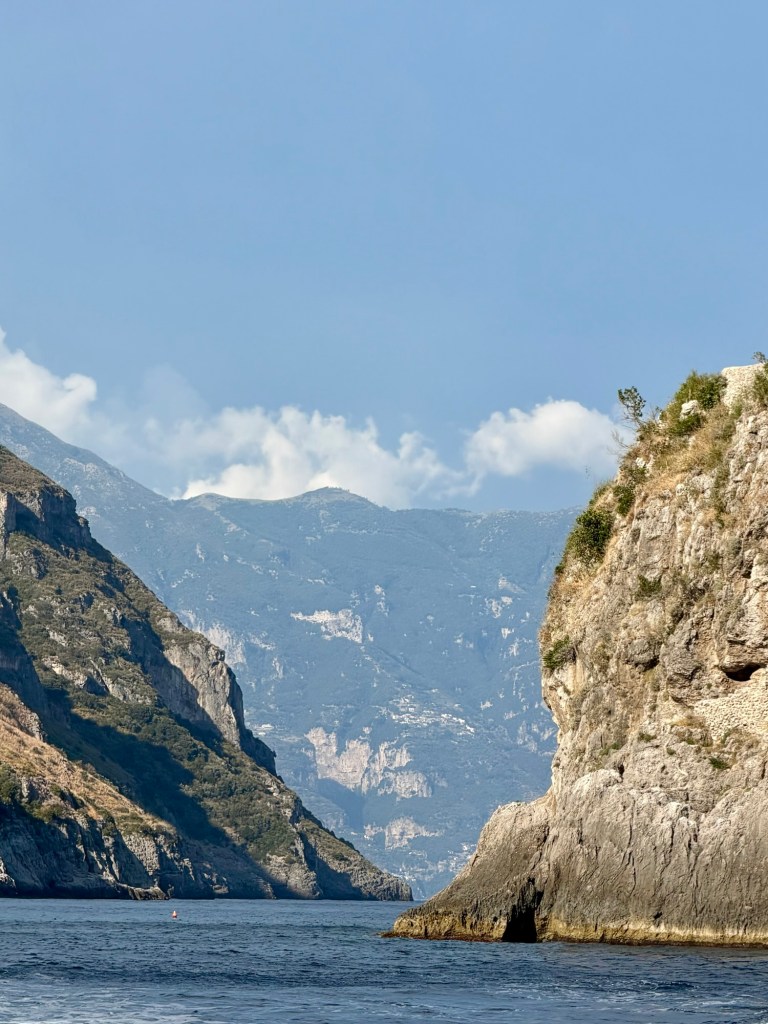
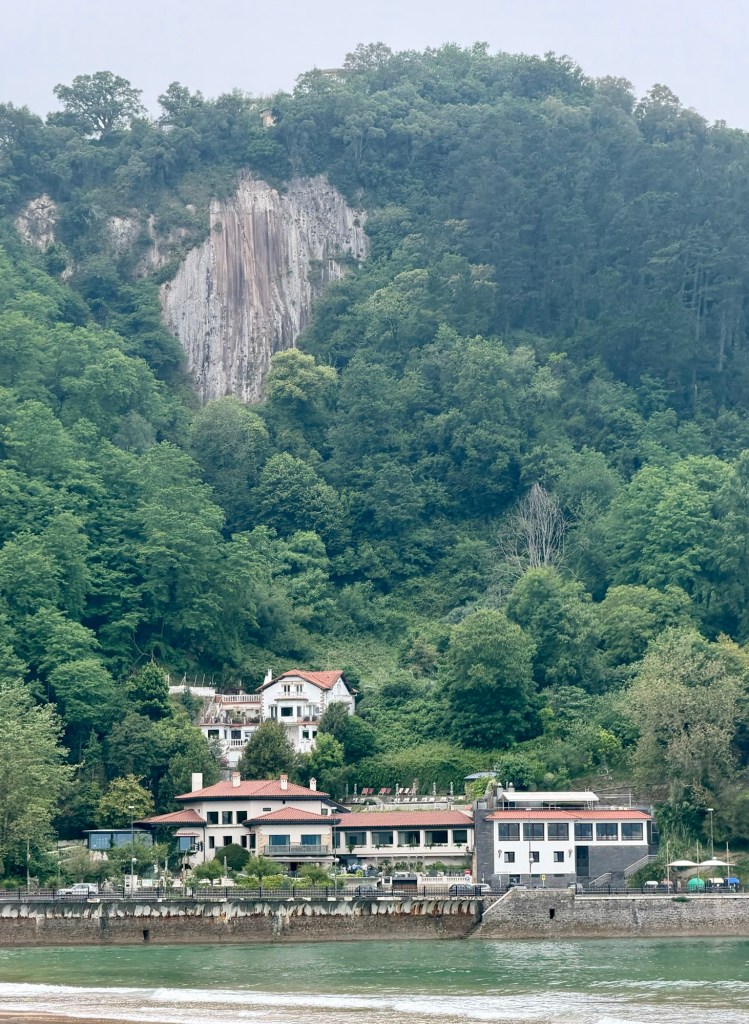
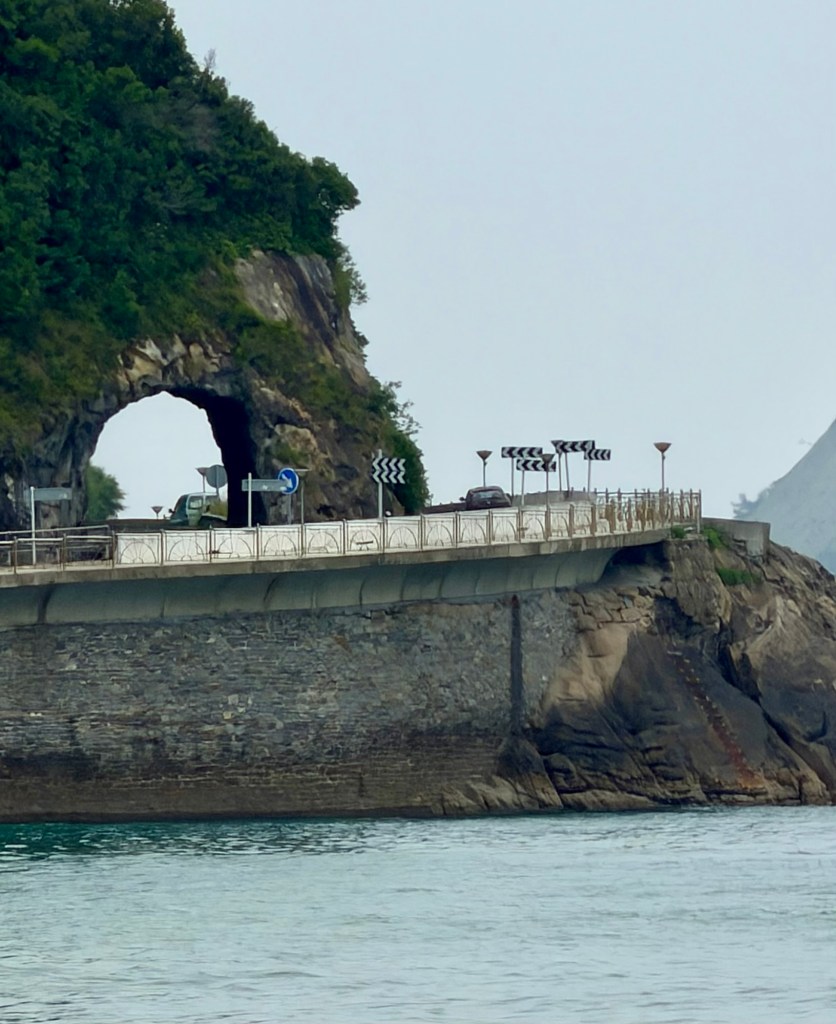
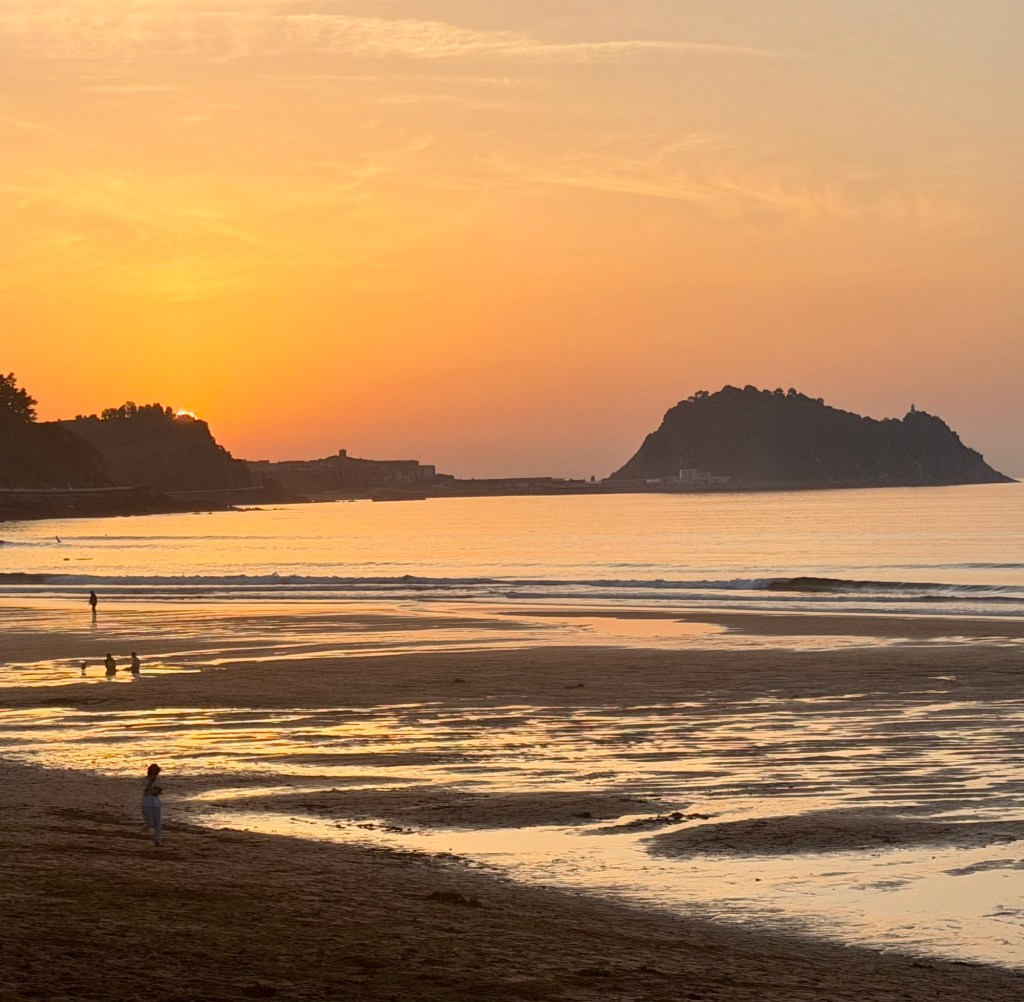
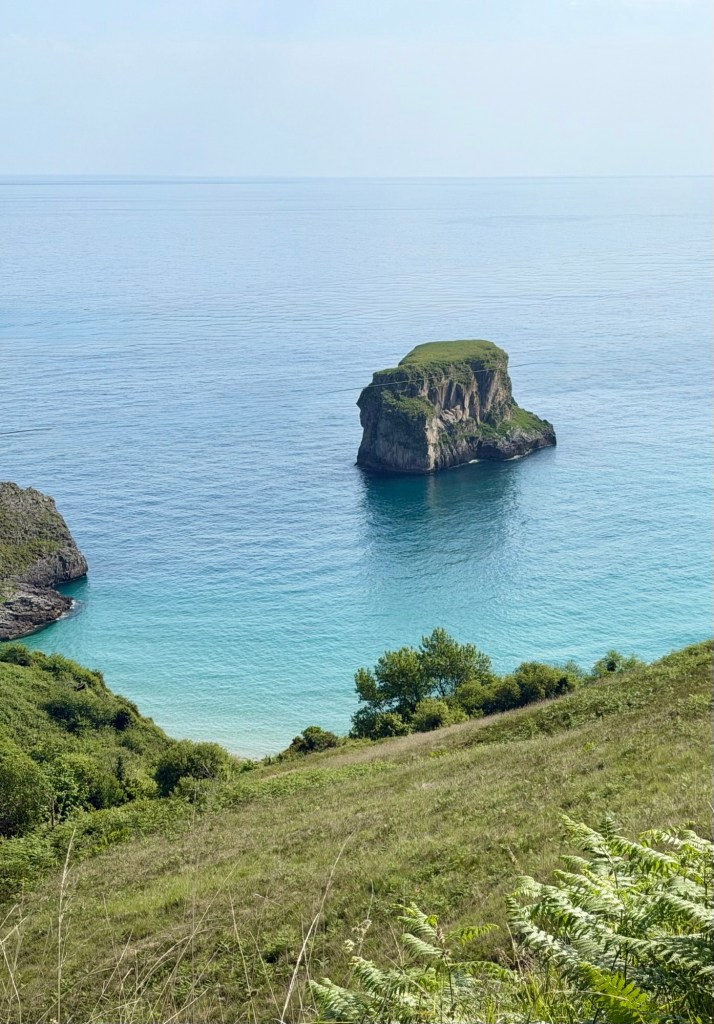
The scenery wasn’t bad, either. The beach stretches for miles, with green hills and rugged coastline providing a spectacular backdrop.

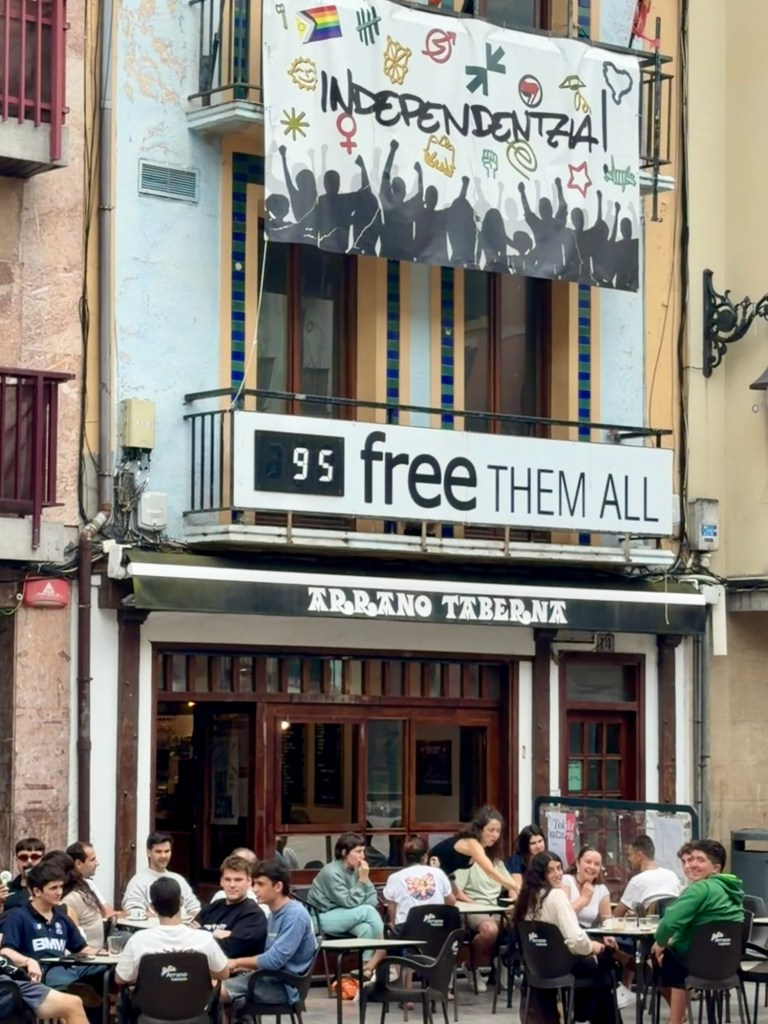
Zarautz sits in the heart of Basque Country, where the local language, Euskara, bears little resemblance to Spanish. It made translating menus a bit more challenging.

The highlight of our stay came during a late-night stop at a local bar. We found a guy absolutely hammering away at the piano. He didn’t tickle the ivories. He body-slammed them. Fortunately for everyone listening, he was really, really good. Take a listen.

Then it was time to say agur—Basque for goodbye—to Zarautz and continue our journey down the coast.

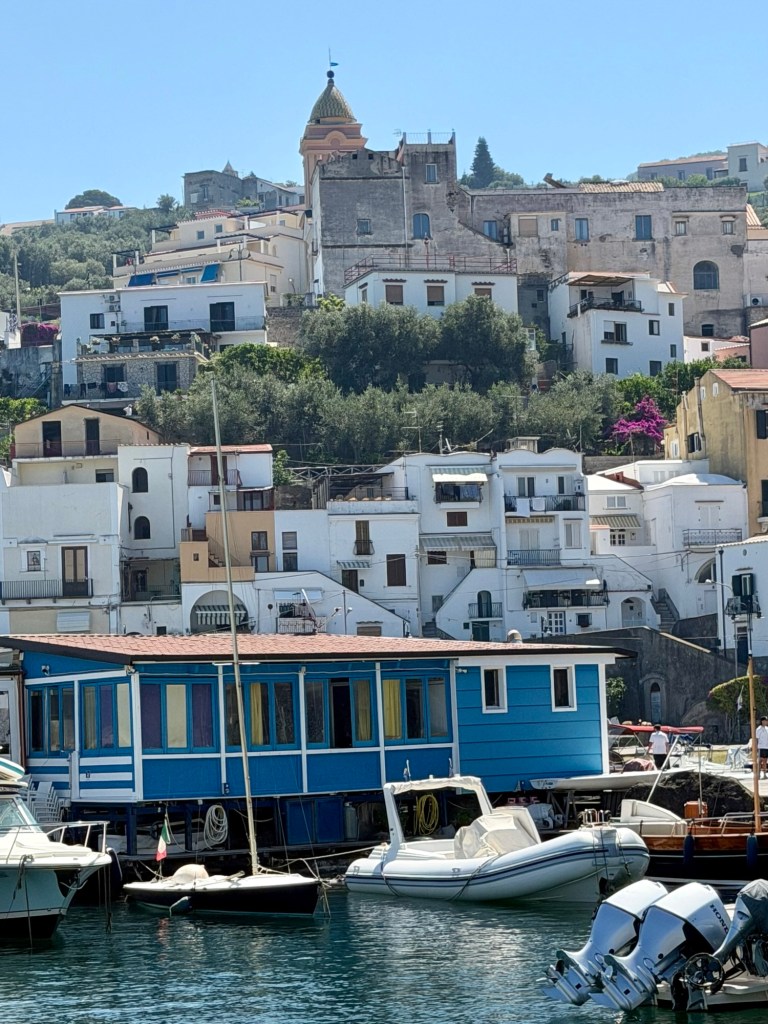
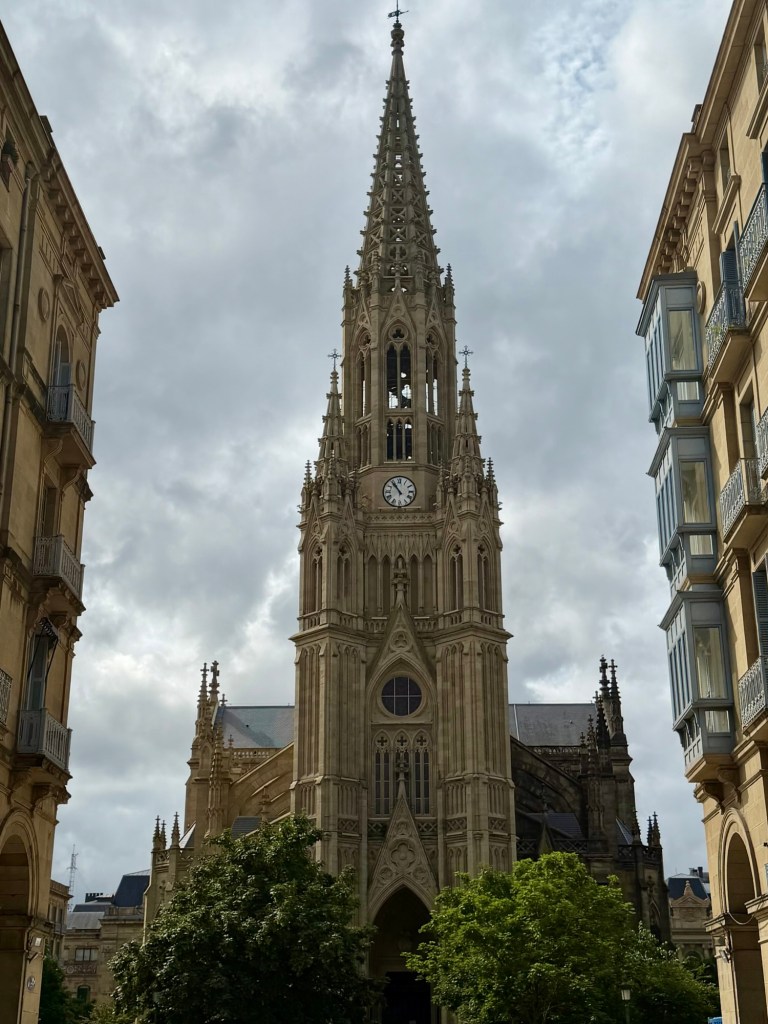
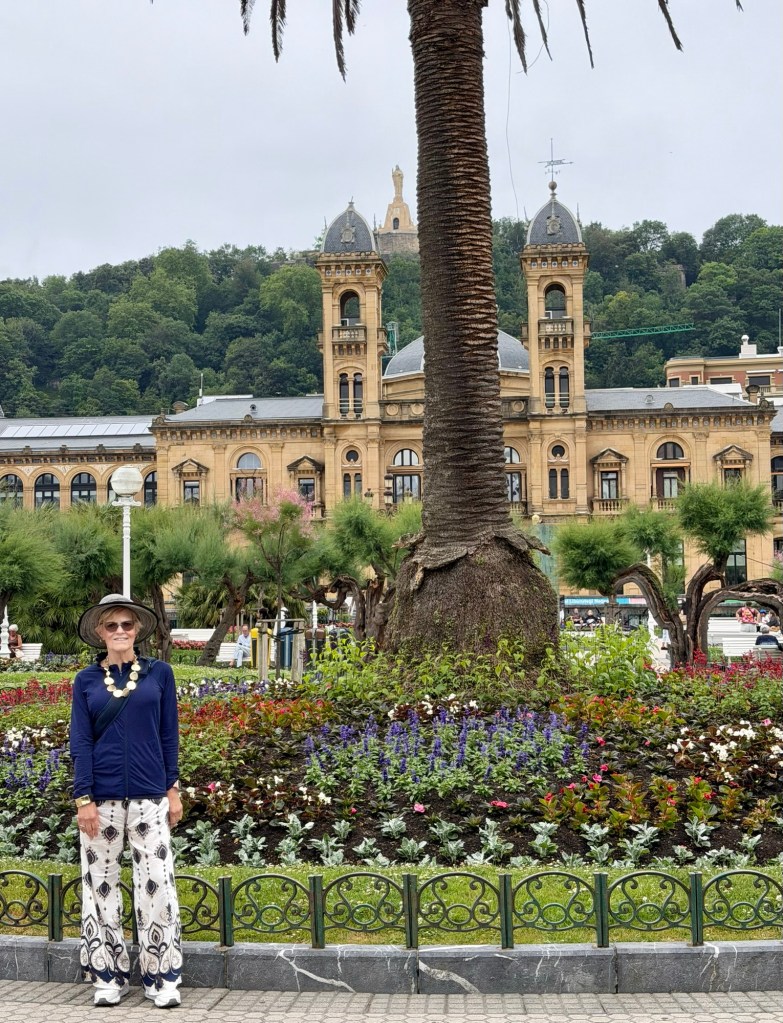
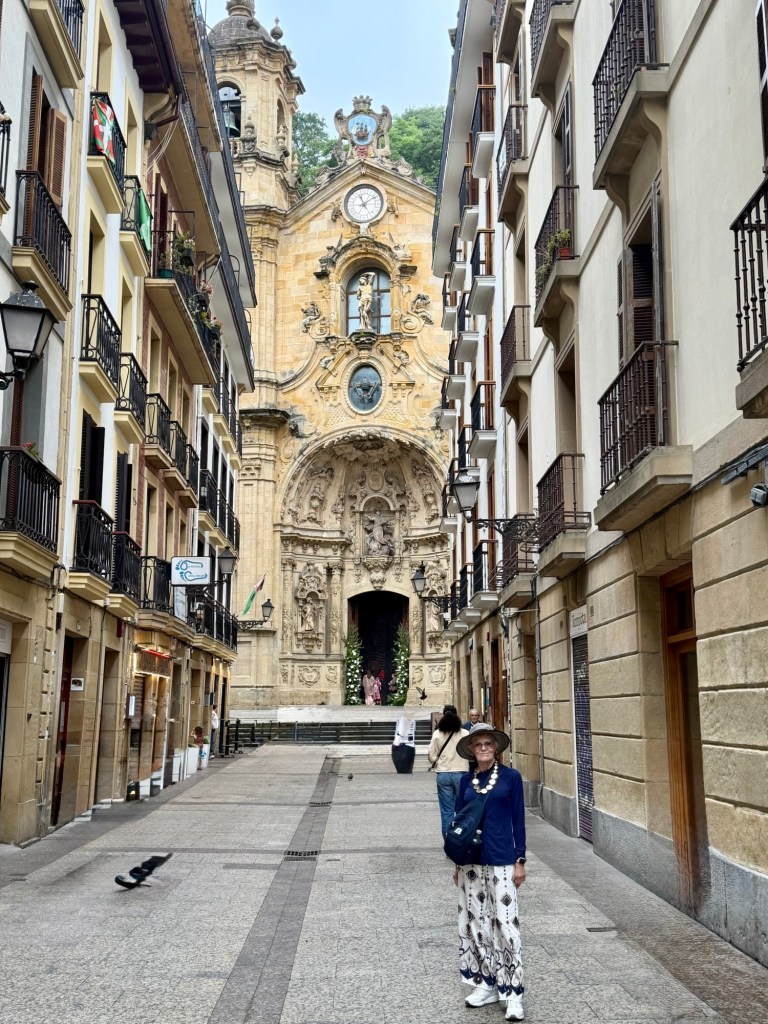
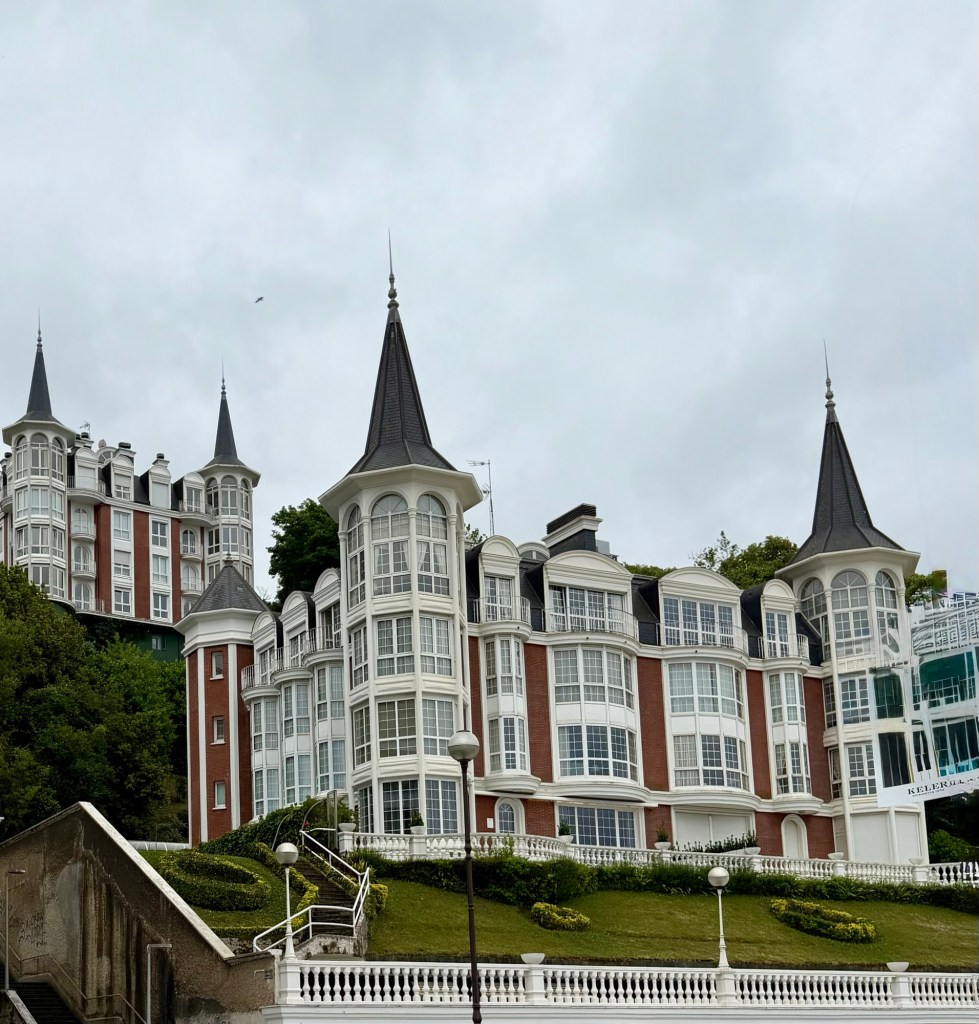
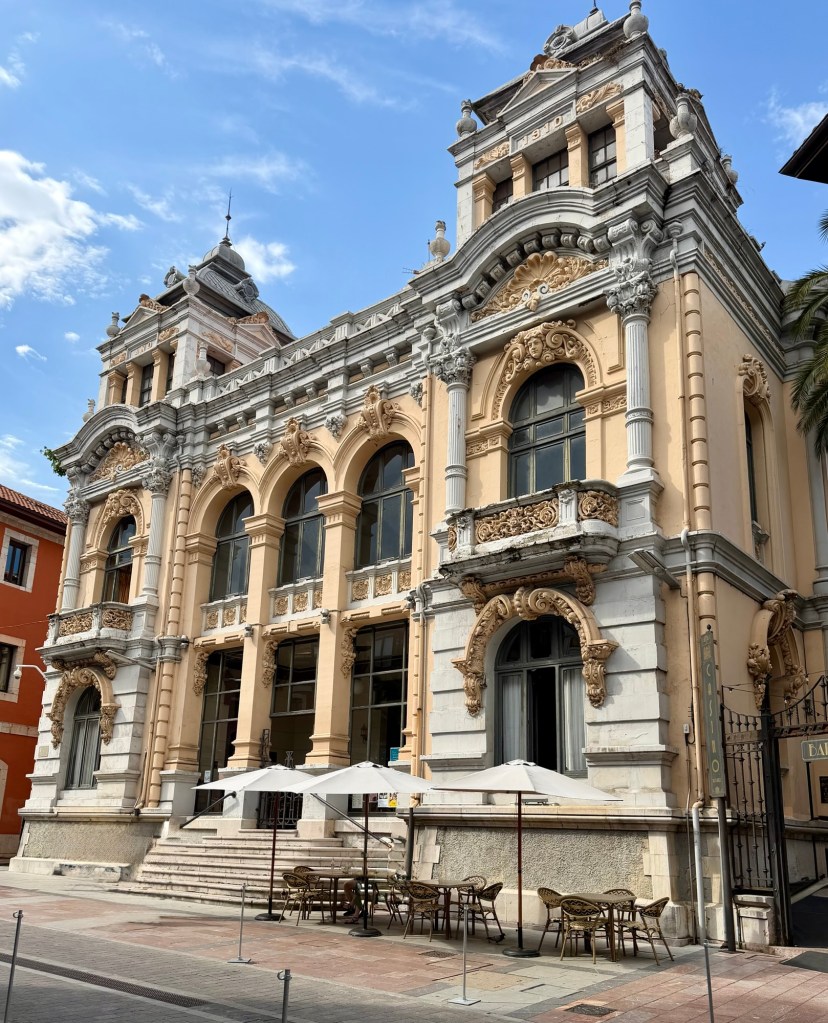
San Sebastián was our next stop. It’s a beautiful city that reminded me of a smaller version of Barcelona, with dramatic churches, elegant architecture, and a laid-back beach vibe.

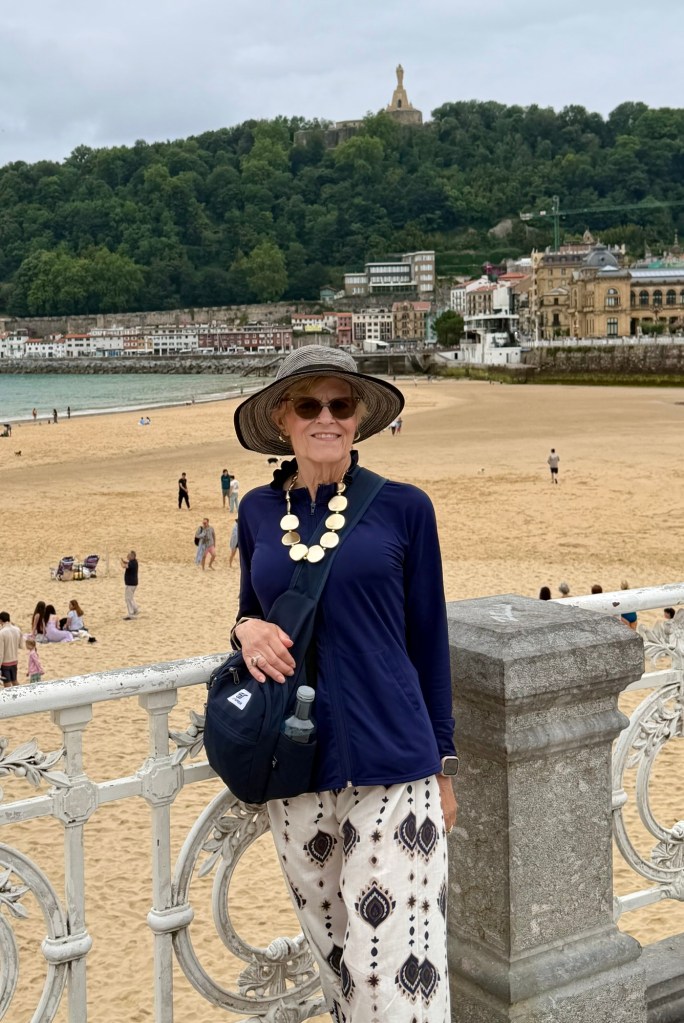
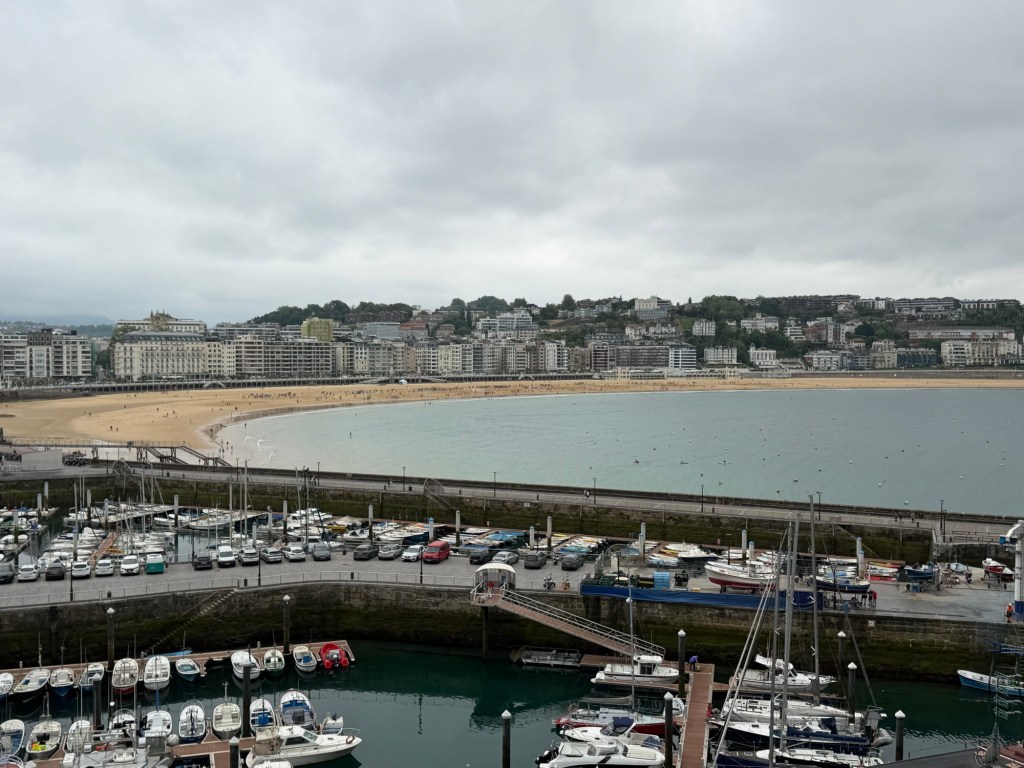
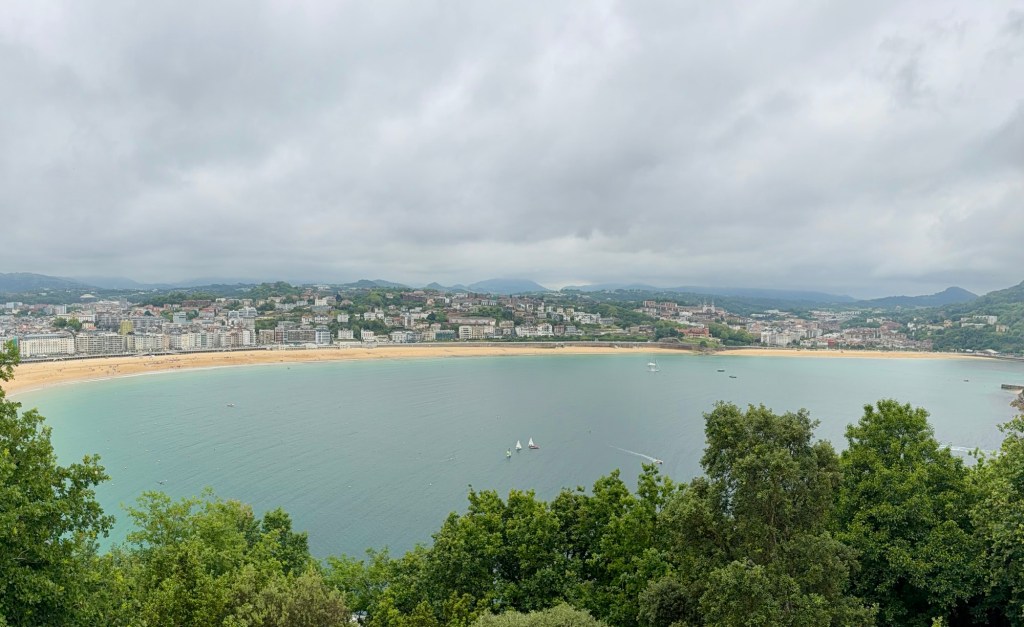
La Concha Beach is regularly ranked among the best city beaches in Europe. Its name means “The Shell,” a nod to the bay’s distinctive shape.

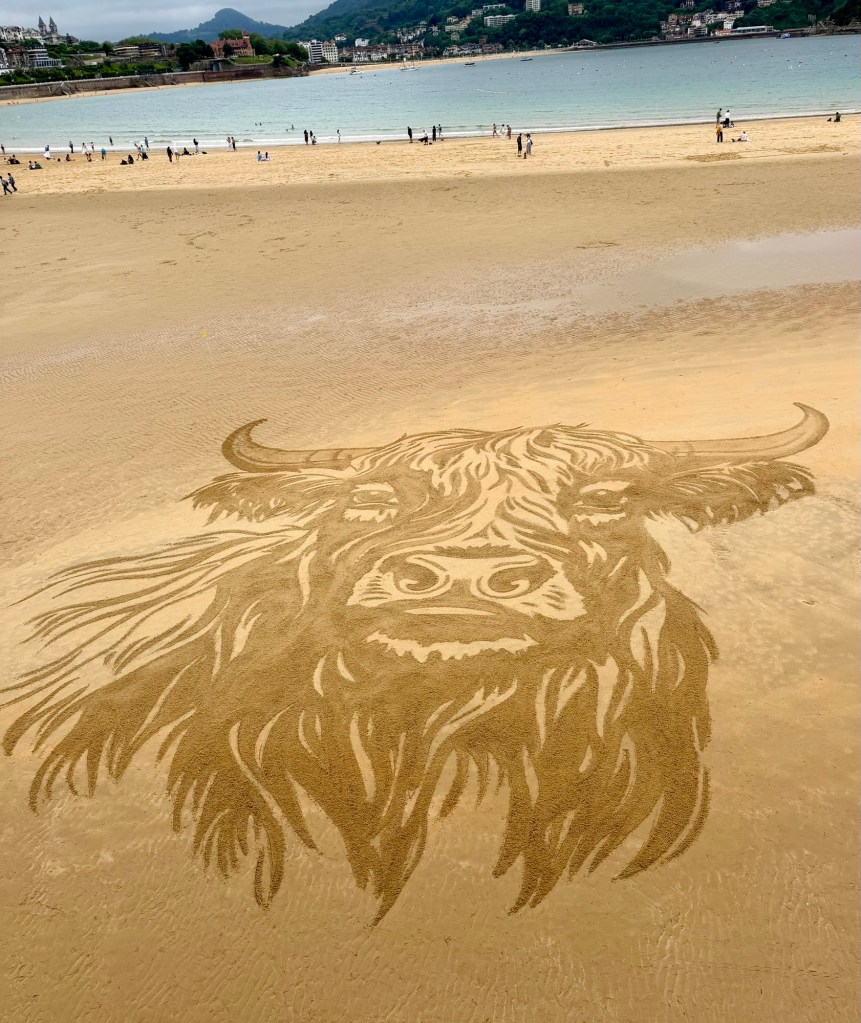
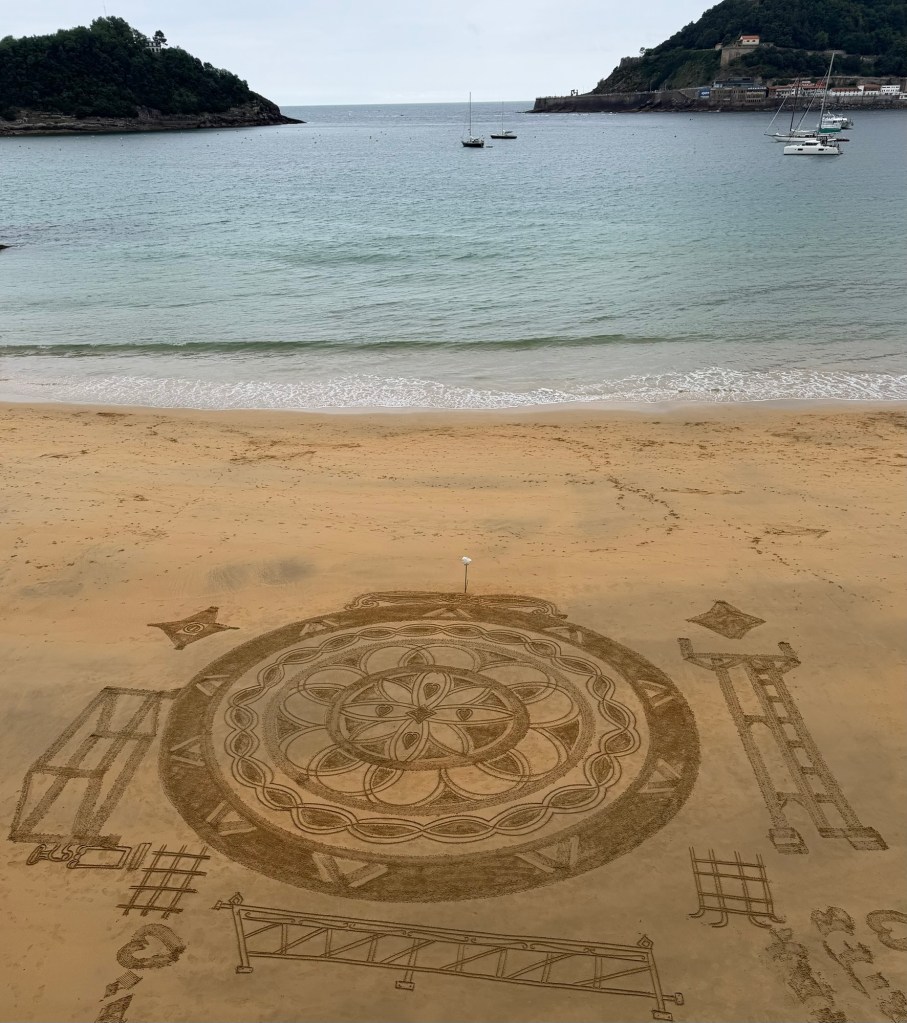
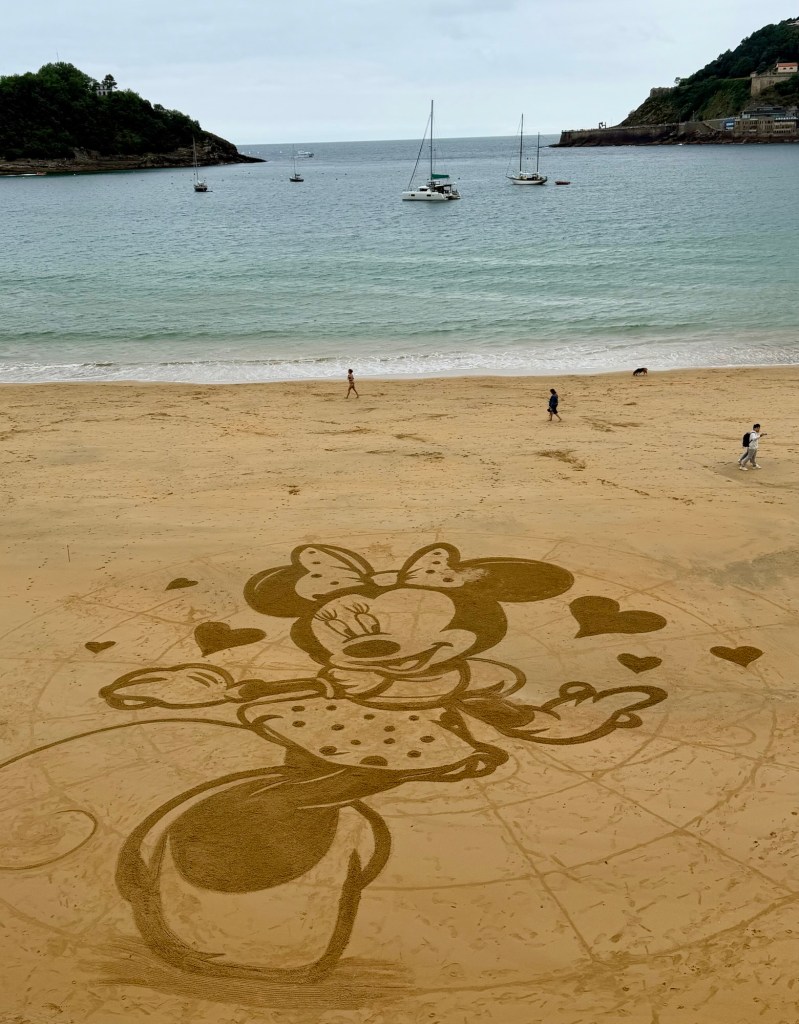
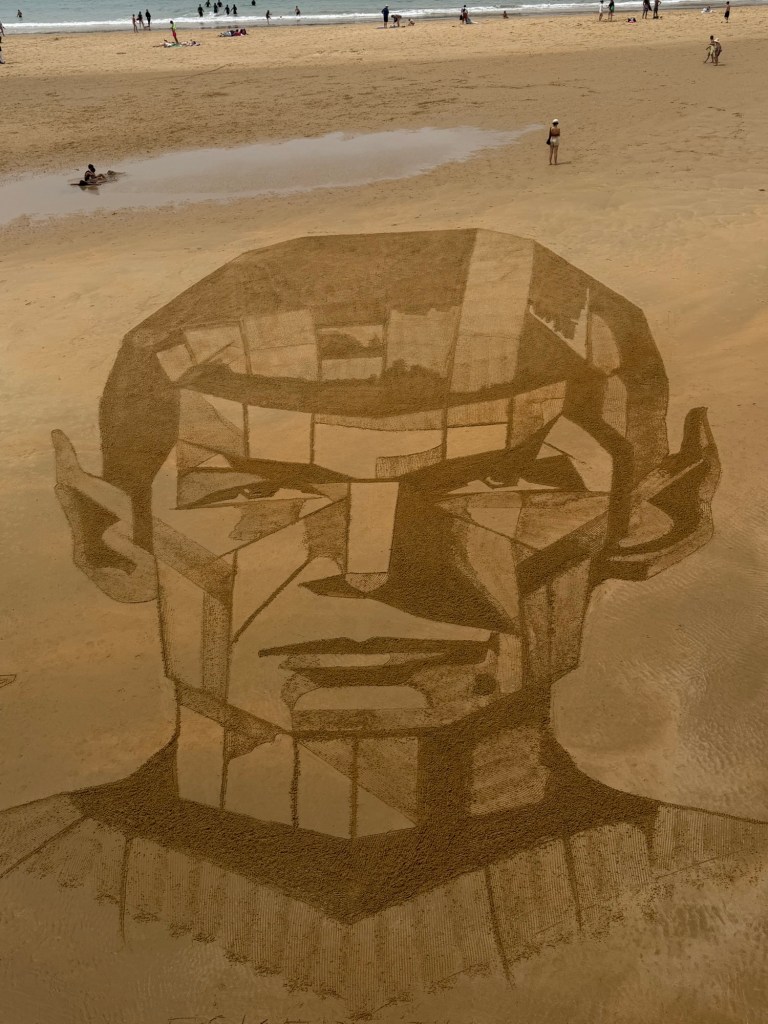
Strolling the beach, we were amazed with the artwork etched into the sand. It’s a lot of work that will eventually be washed away by the tide.

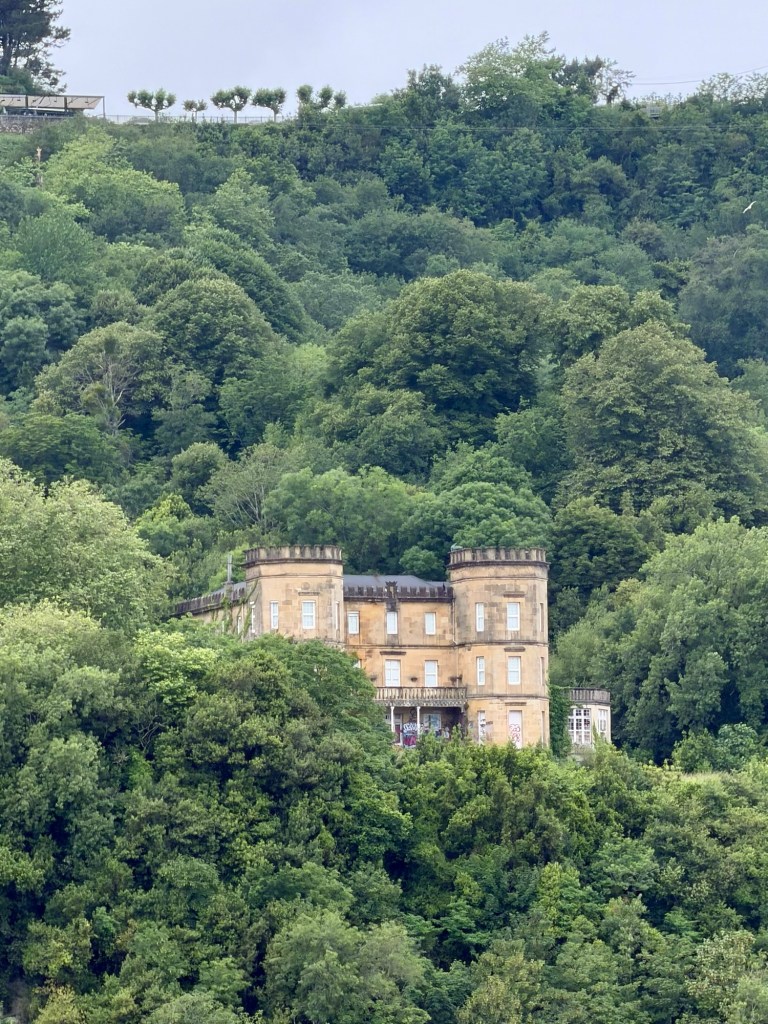
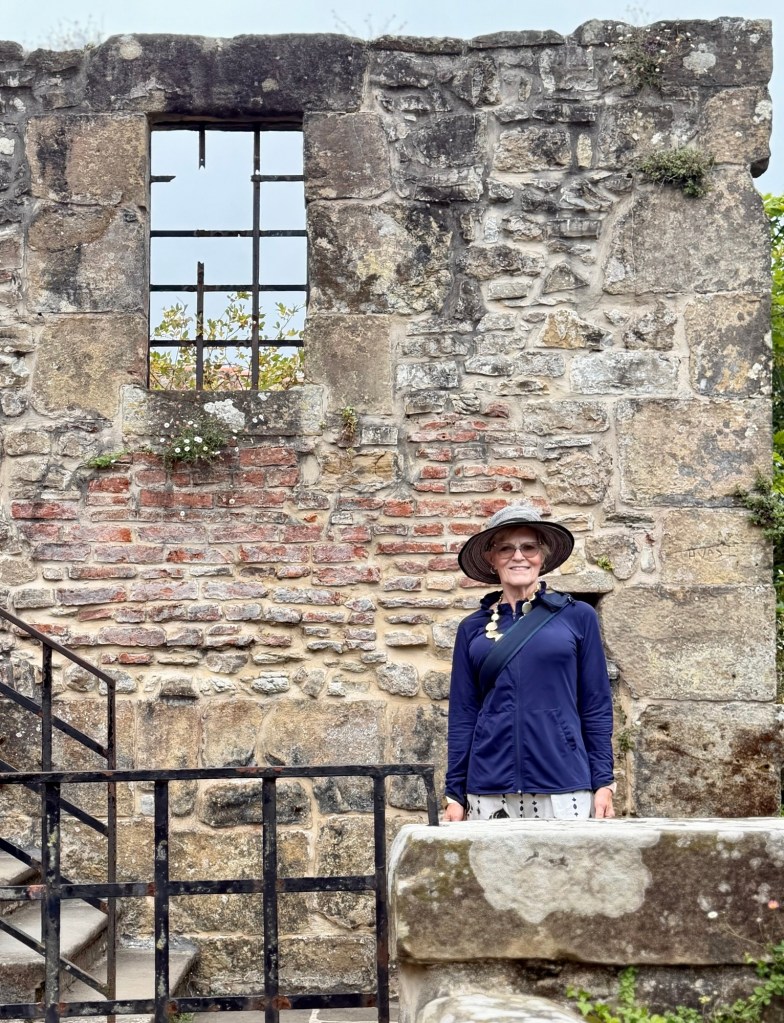
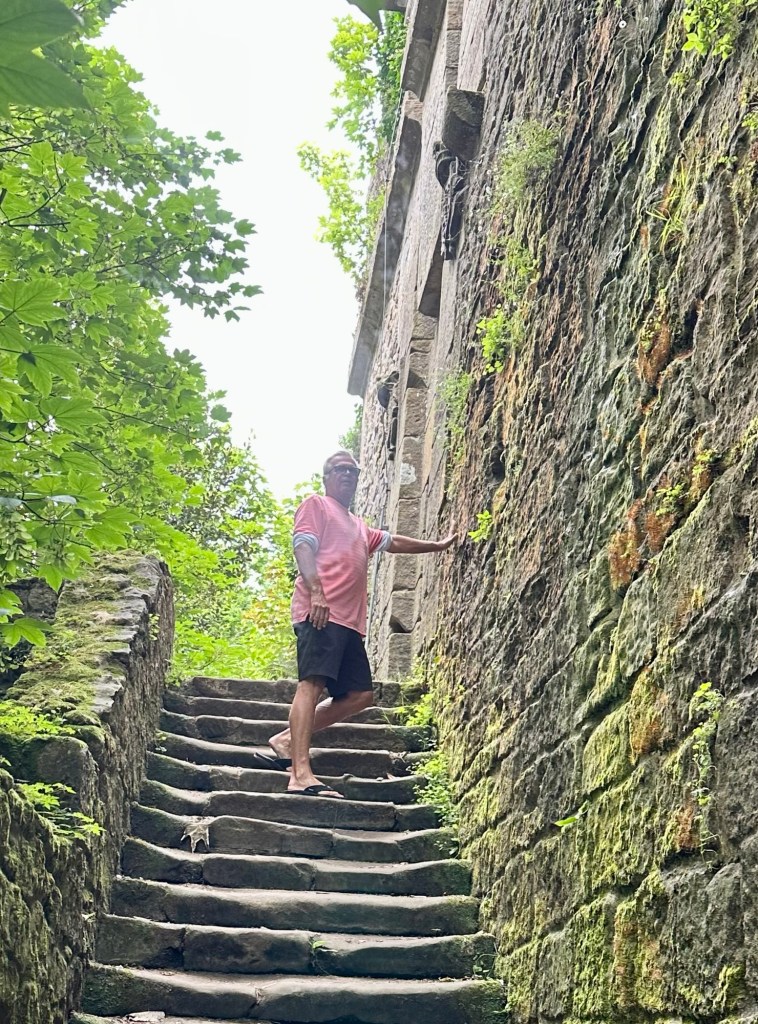
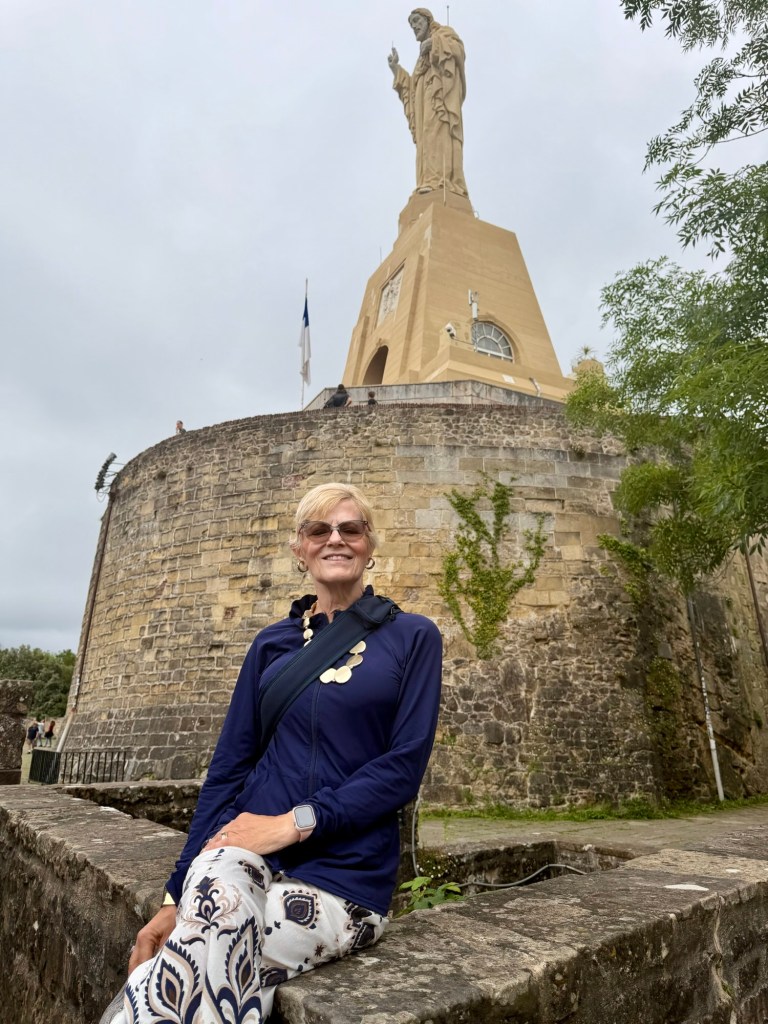
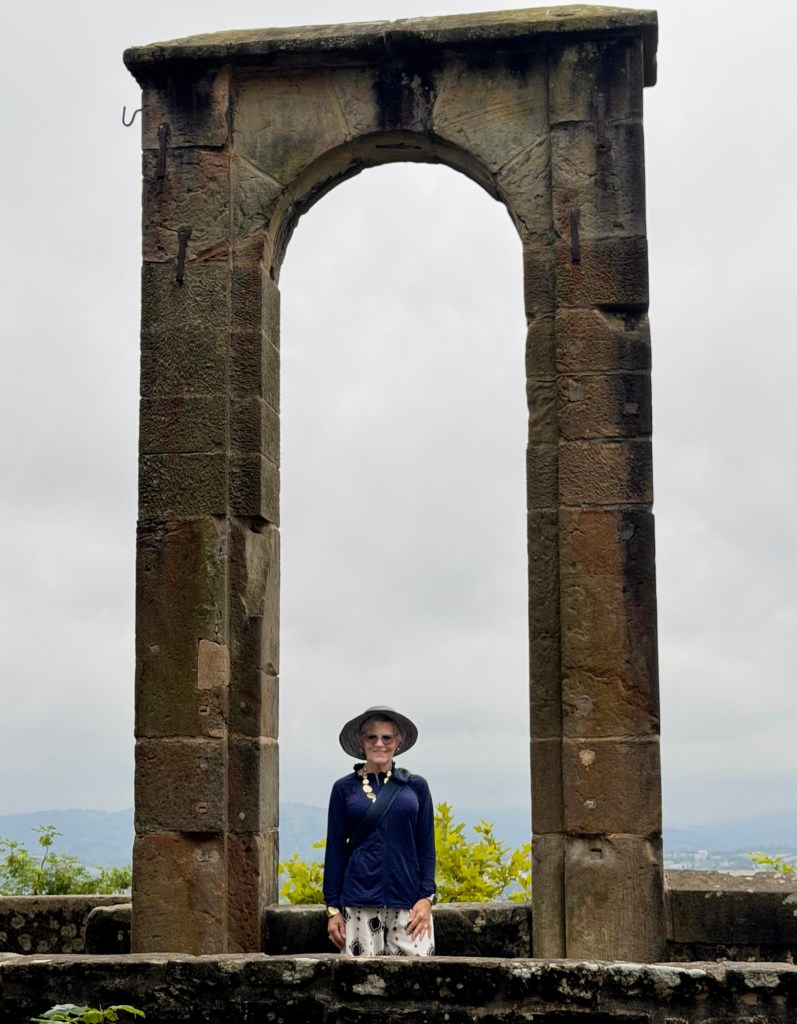
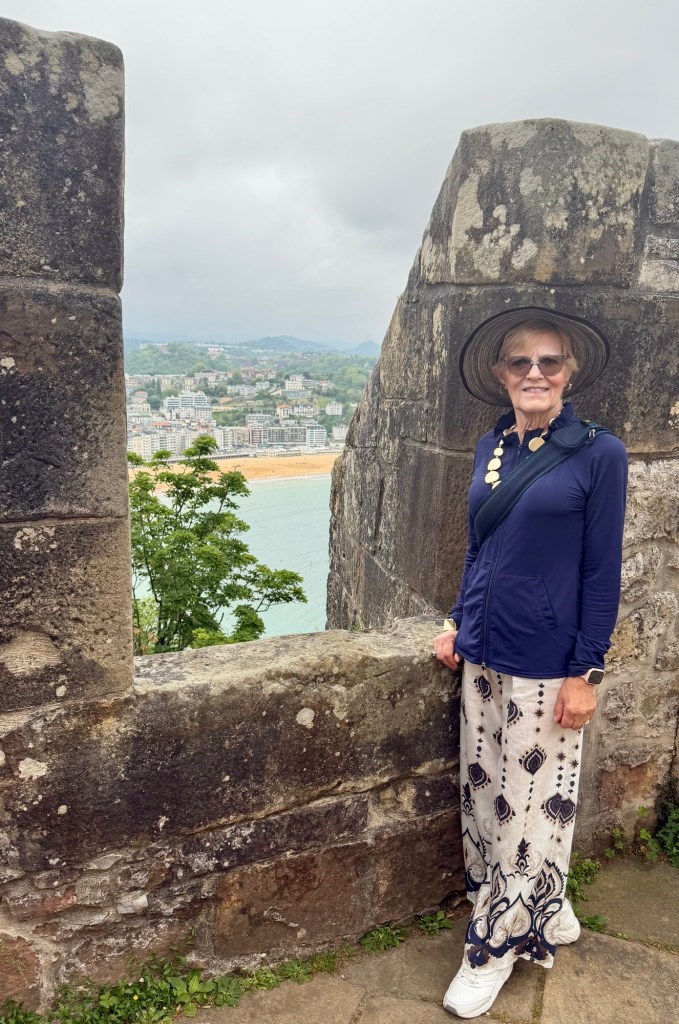
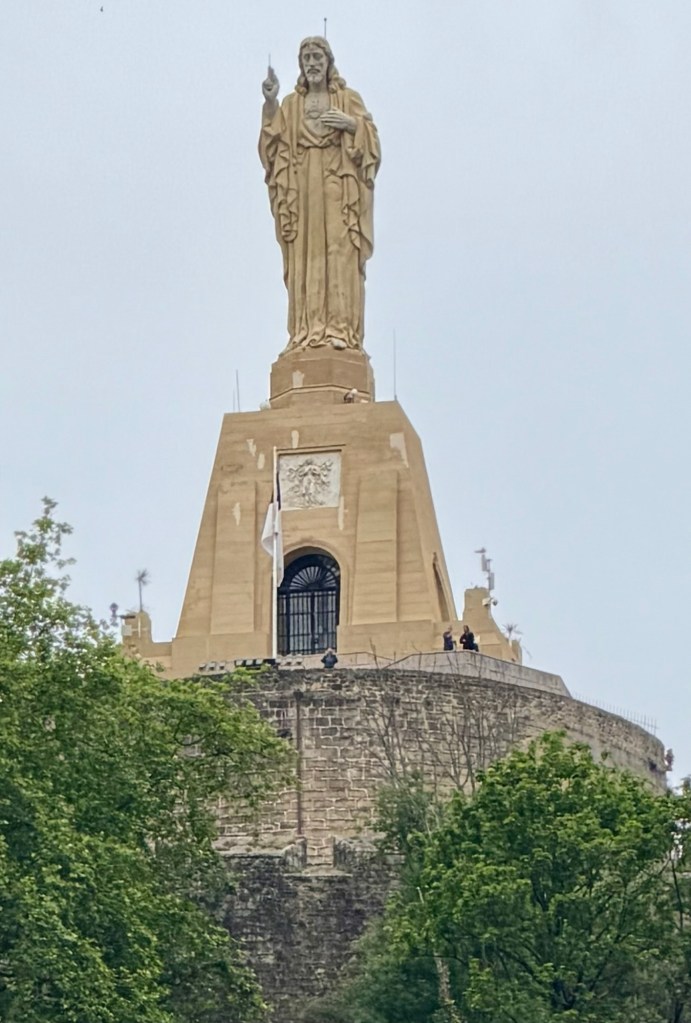
We spent a morning walking up to and touring Castillo de la Mota. It was really more of a climb than a walk as its name translates to Castle on the Hill.

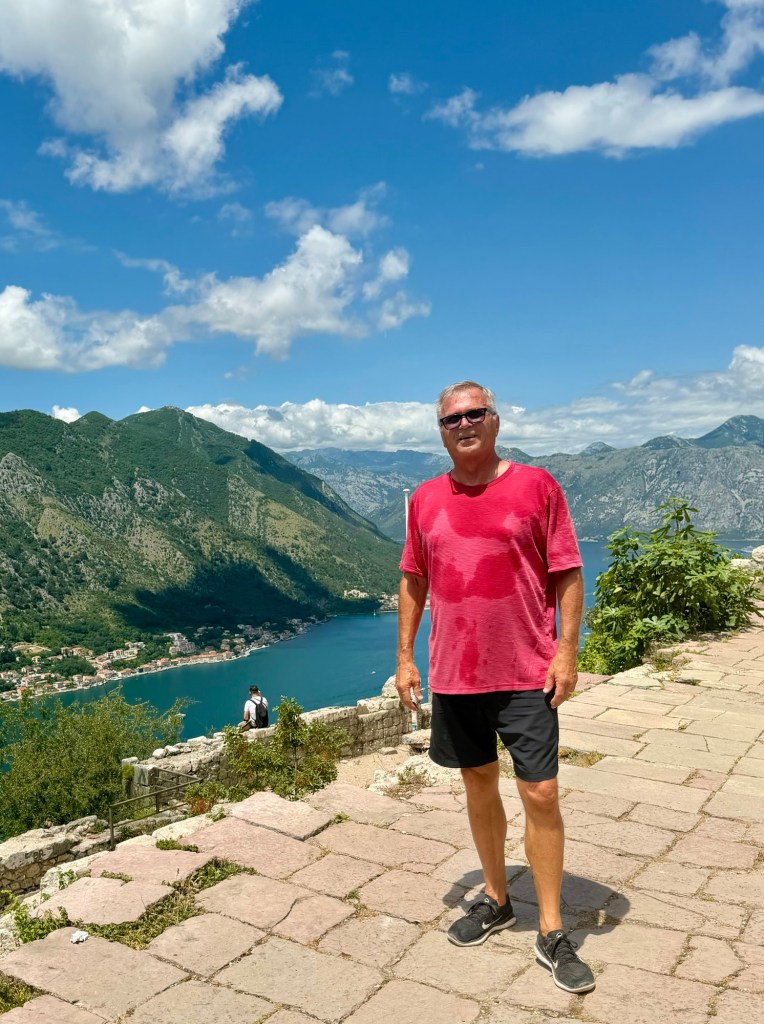
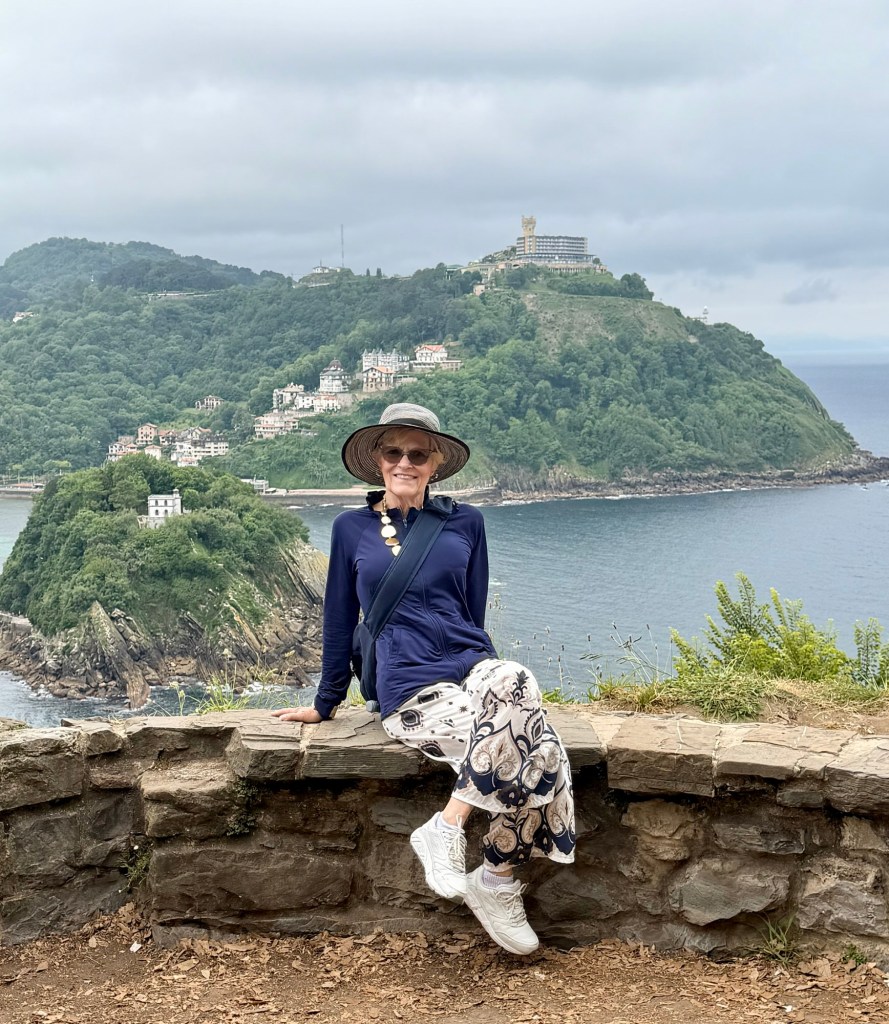
The views from the castle were spectacular, stretching across the city, harbor, and coastline. It was easy to see why this location was chosen for a fortress centuries ago.

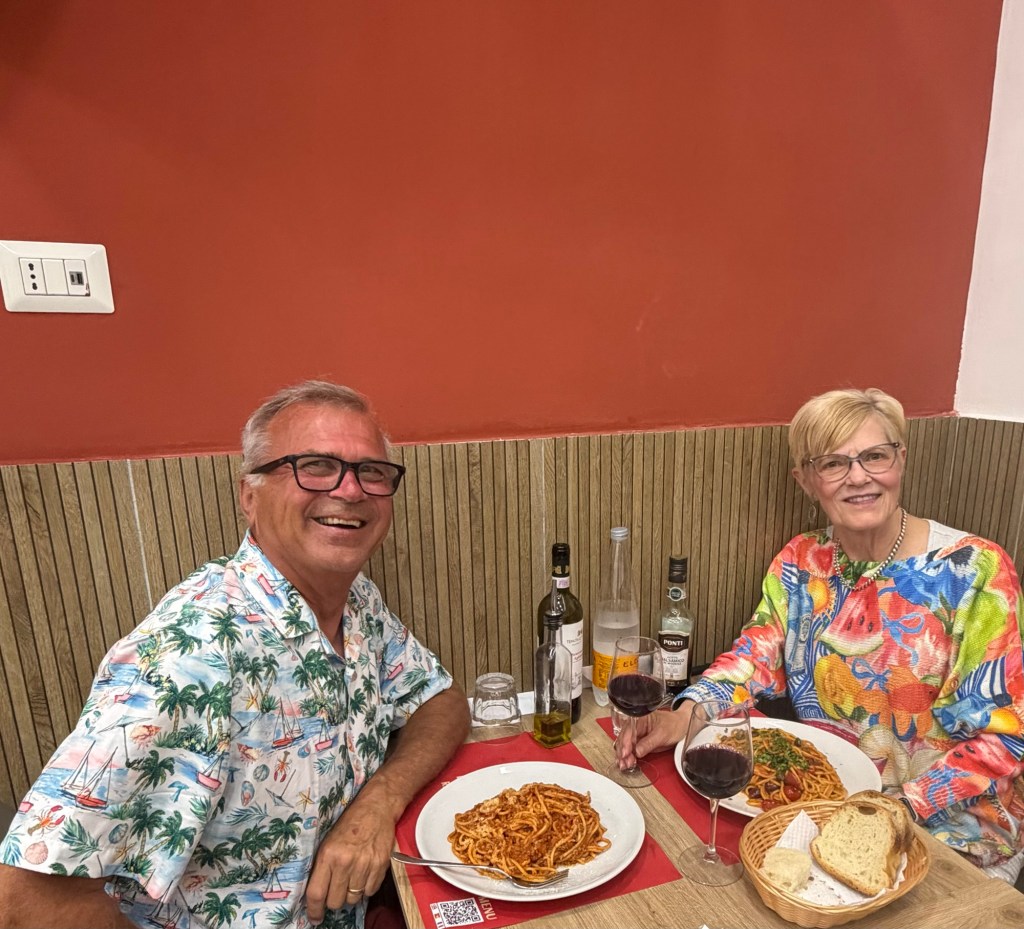
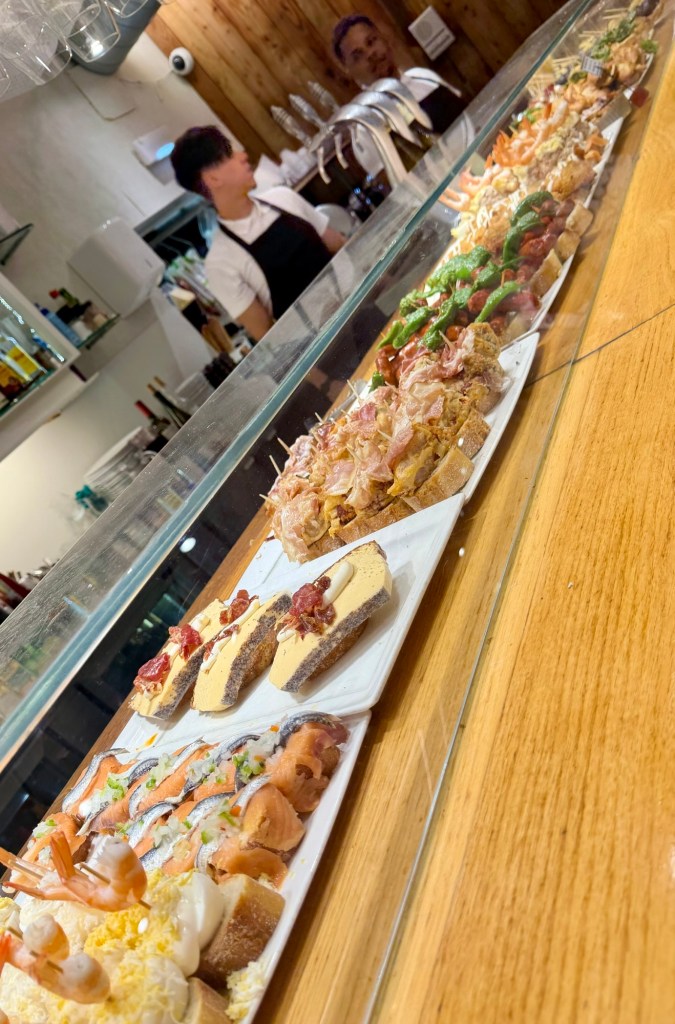
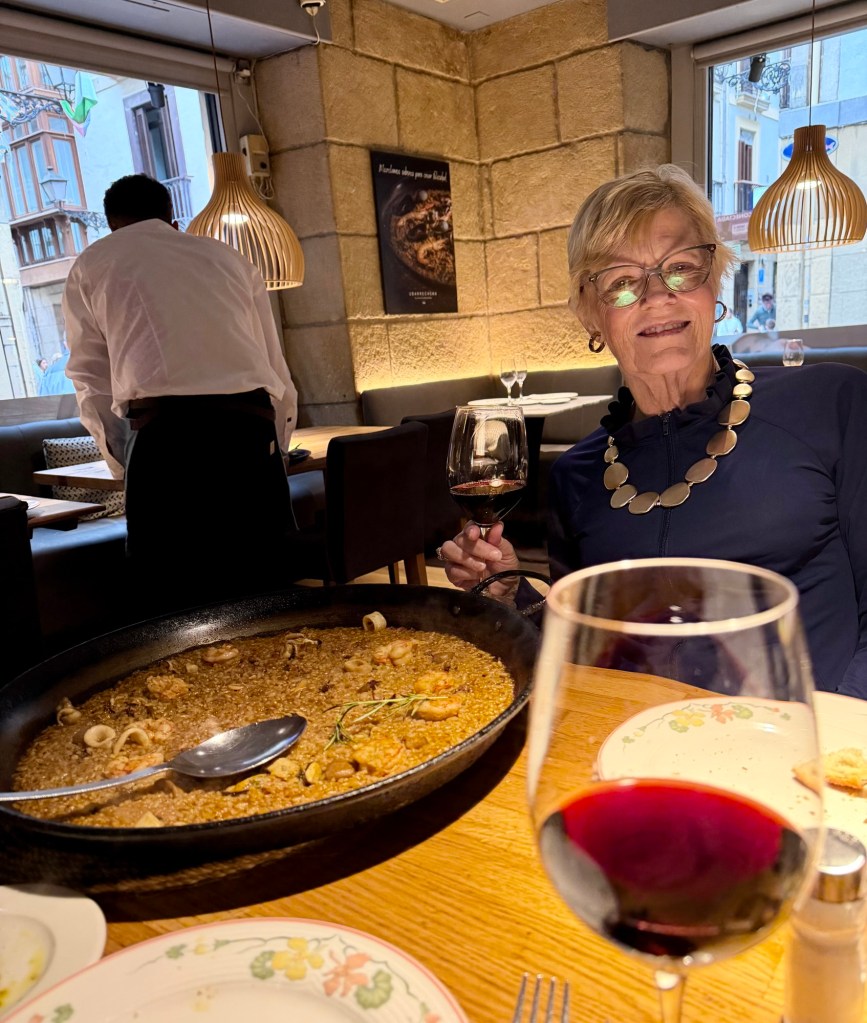
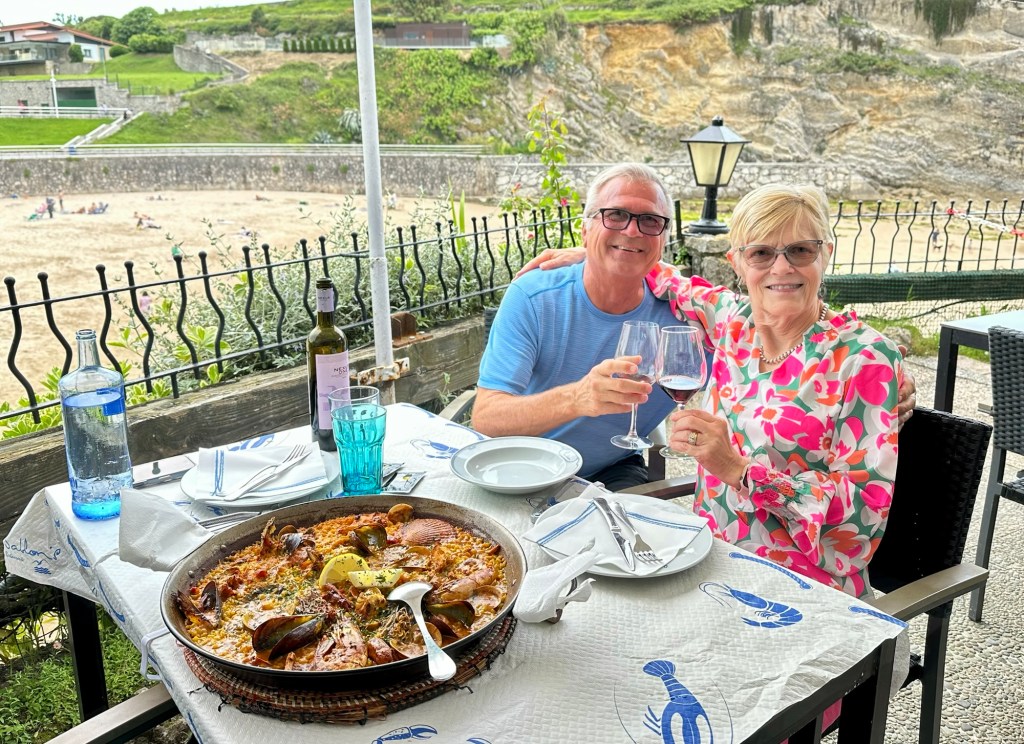
Of course, no visit to San Sebastián would be complete without sampling some of the local food. We enjoyed plenty of pintxos and even found time for a paella dinner.

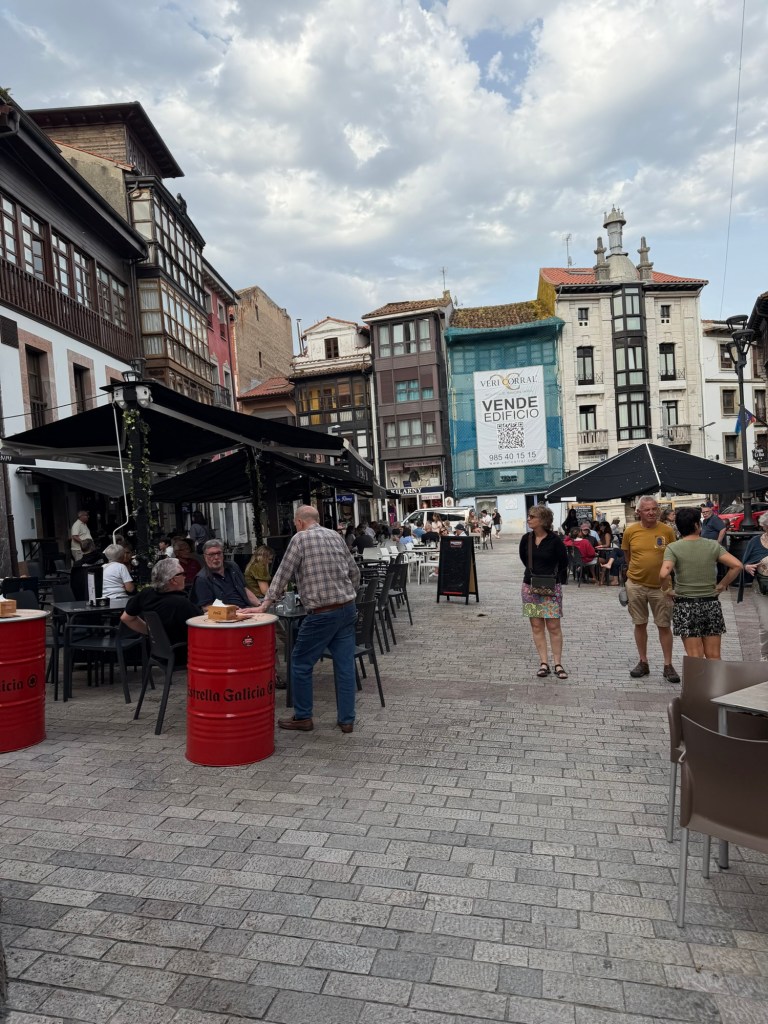
Sunday morning the town square came alive with vendors and musicians. It drew a large crowd and was a perfect finale to our time in San Sebastián.

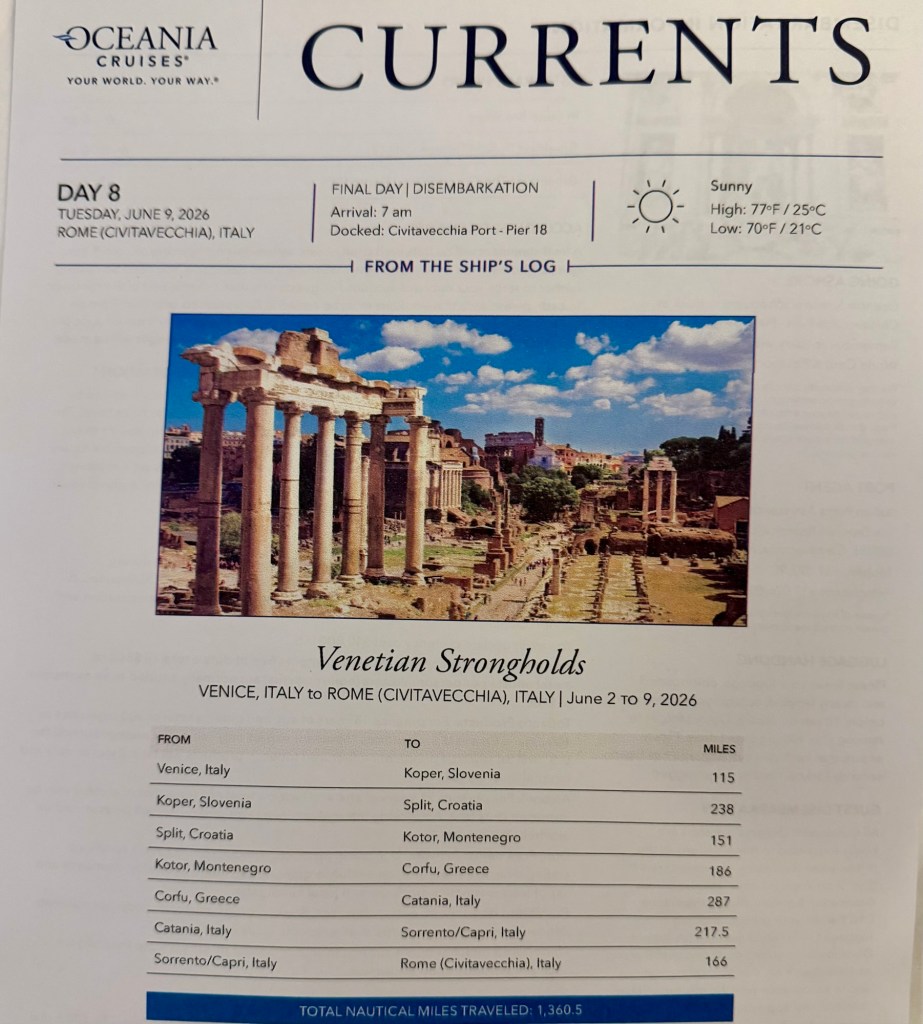
Our trip is approaching the halfway point. Sunday afternoon, we fly to Venice and board a cruise that will take us to Croatia, the Greek Islands, and several islands along the Amalfi Coast.

After we dock in Rome, it’s about 10 days on the Amalfi Coast followed by 10 days in Tuscany. We get back to Florida on July 1. I’m pretty sure we’ll be ready.

Enjoy.

Pete
Somo and Laredo

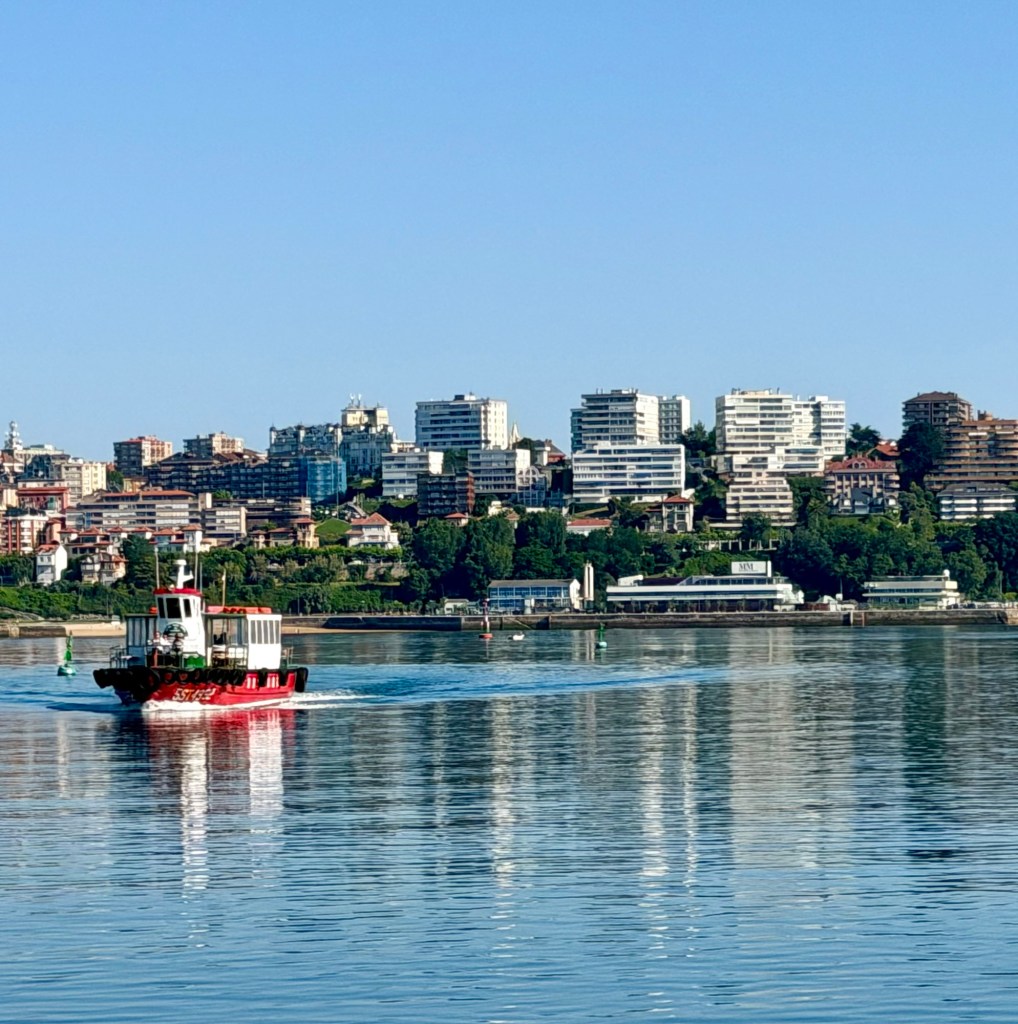
I’m From Llanes we took a bus to Santander, then hopped on a ferry to the laid-back surf town of Somo.

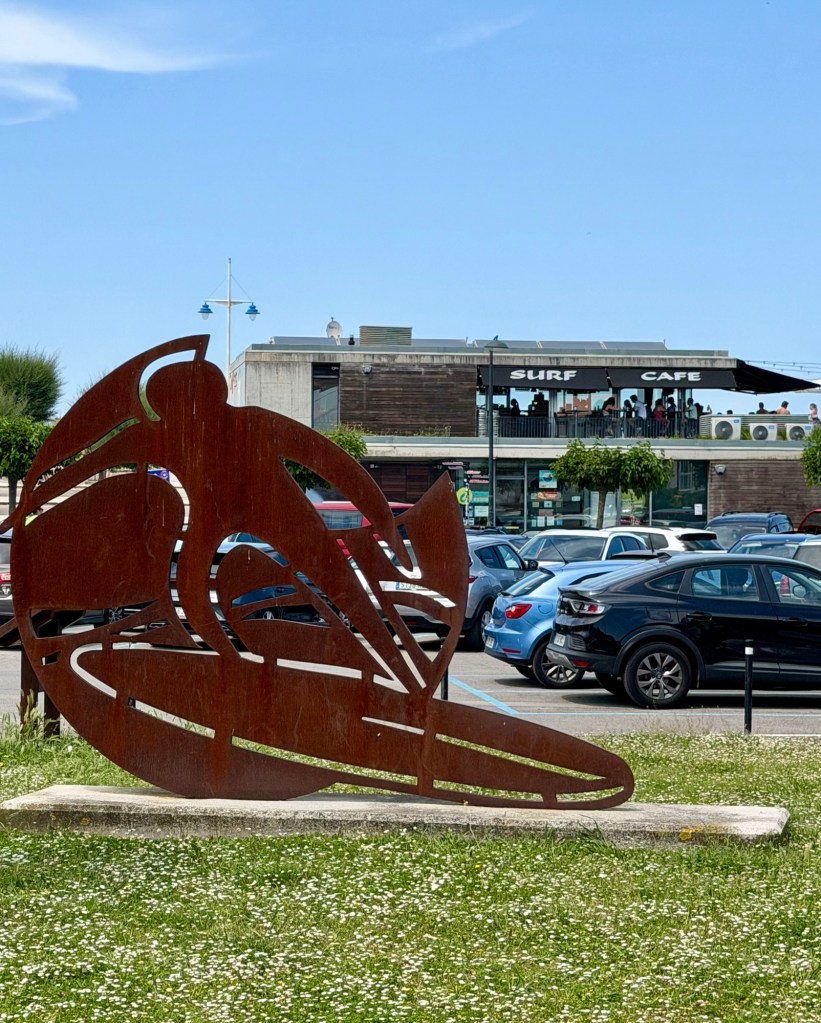
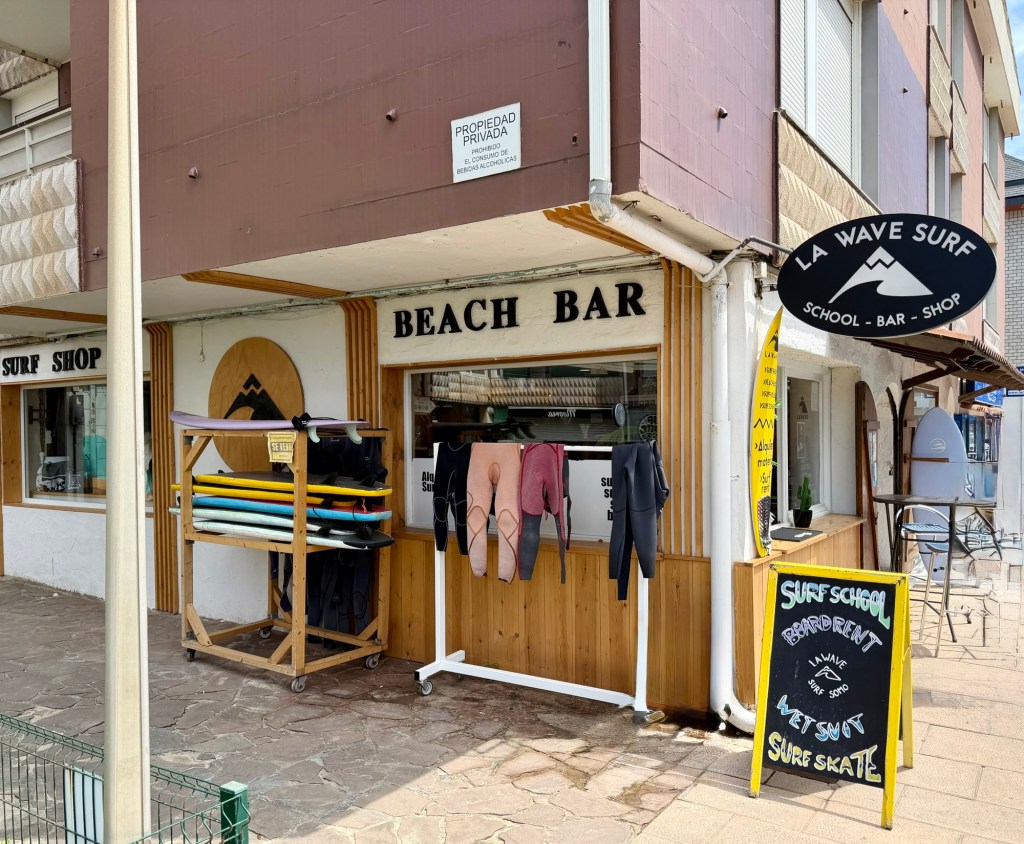
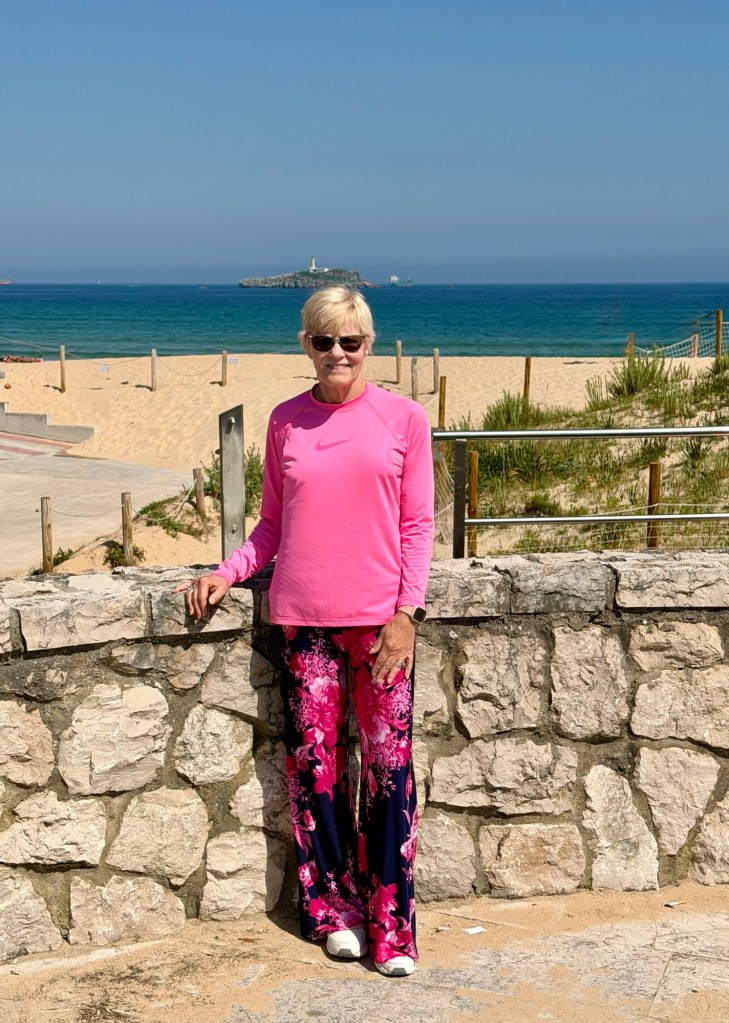
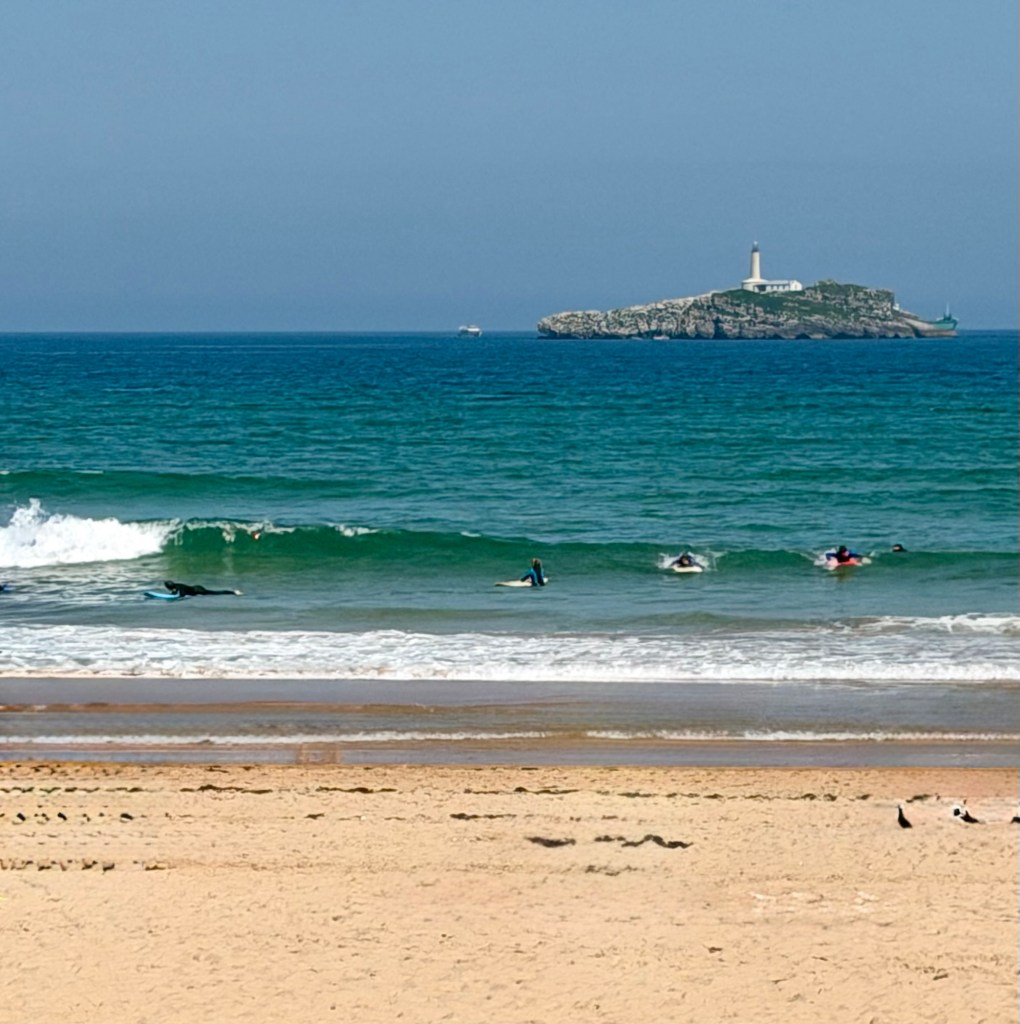
Somo is considered the birthplace of surfing in Spain, and surf culture is woven into everyday life there.

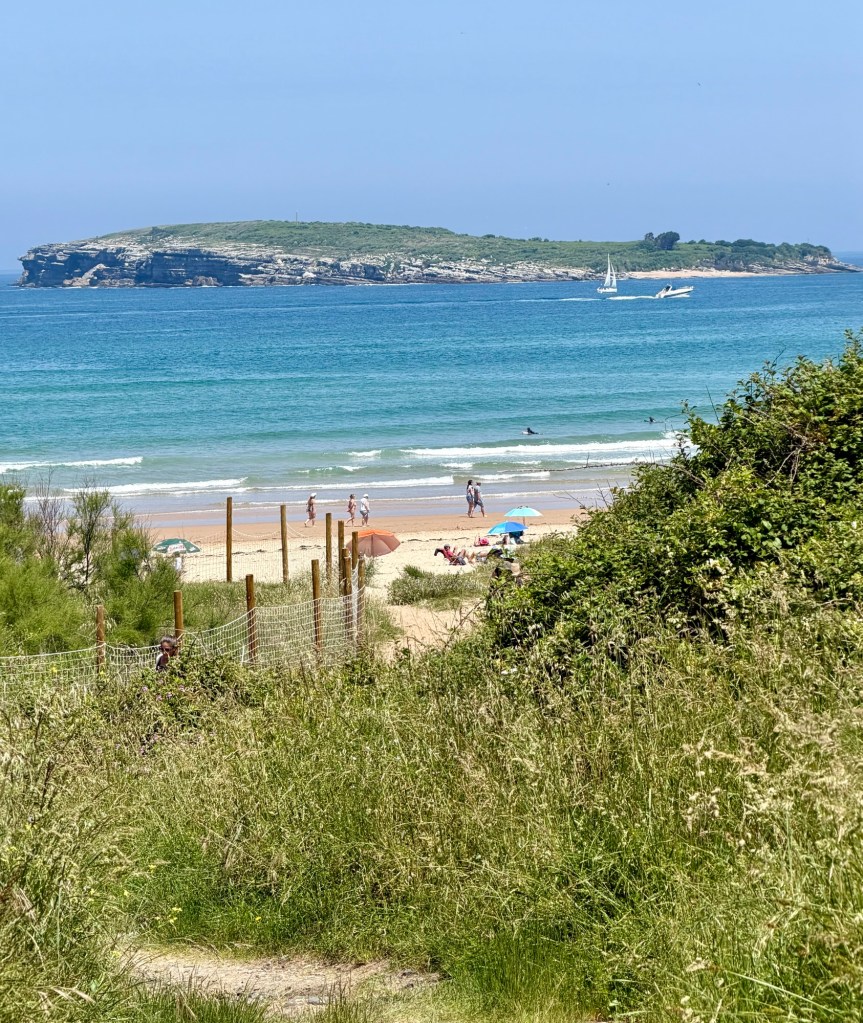
We really enjoyed the vibe in Somo. There are no giant hotel towers or mega-resorts — mostly surf houses, apartments, restaurants, and beach bars. It feels relaxed and authentic.

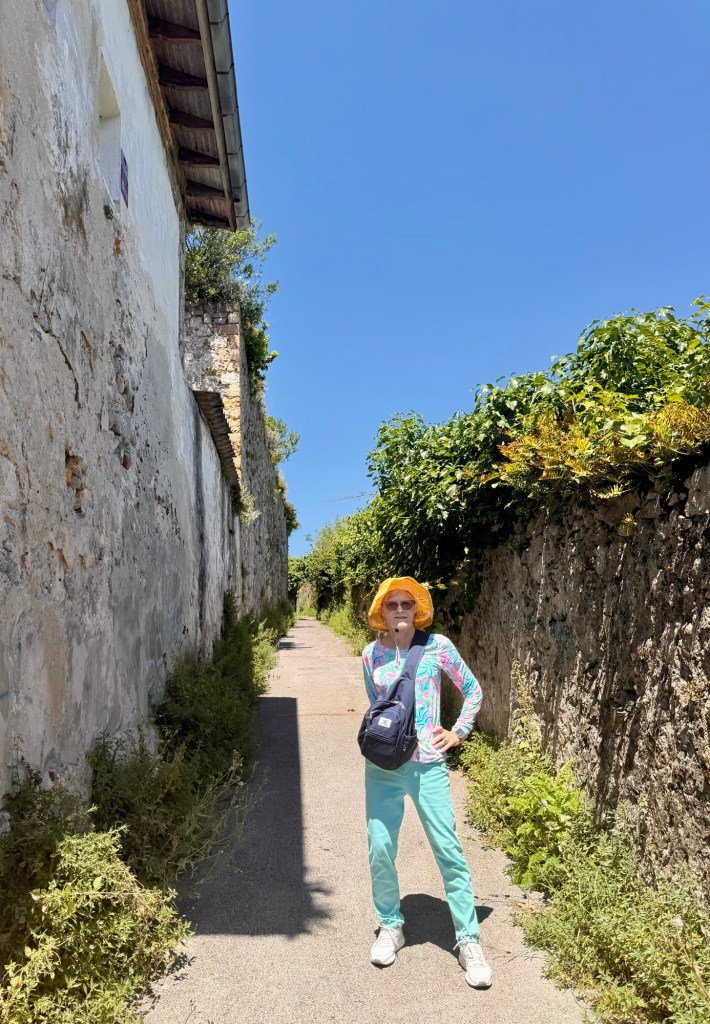
I even walked a ways out of town on the Camino before we moved on.

From there we headed to Laredo.

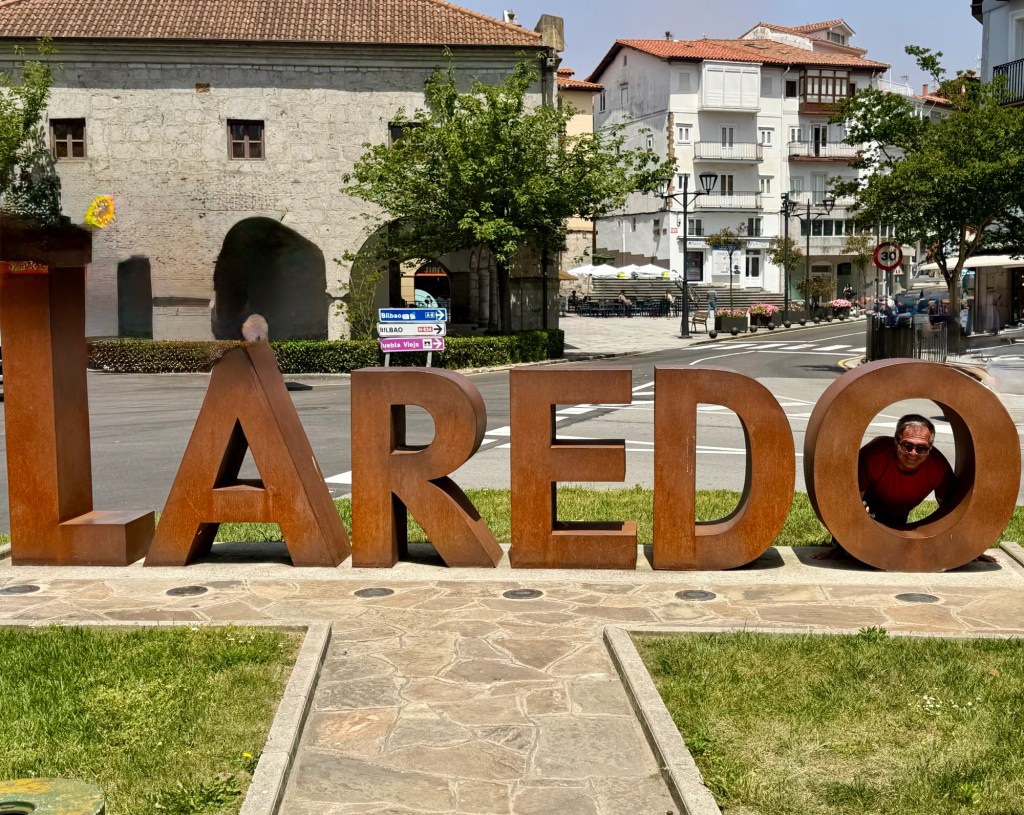
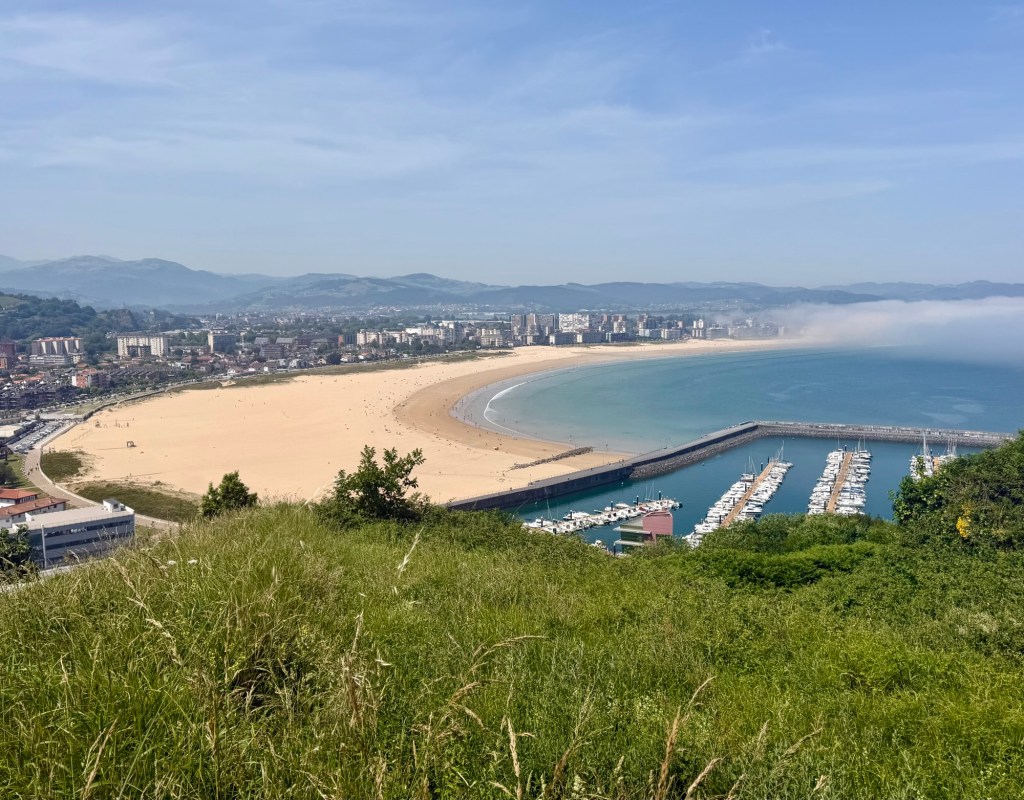
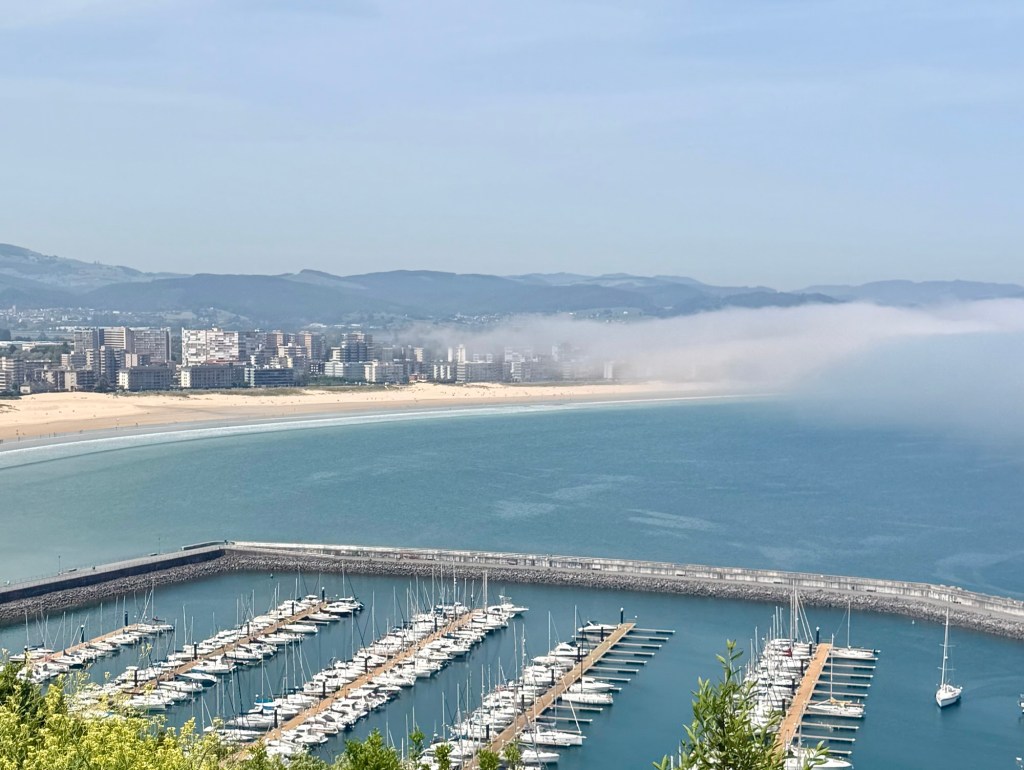
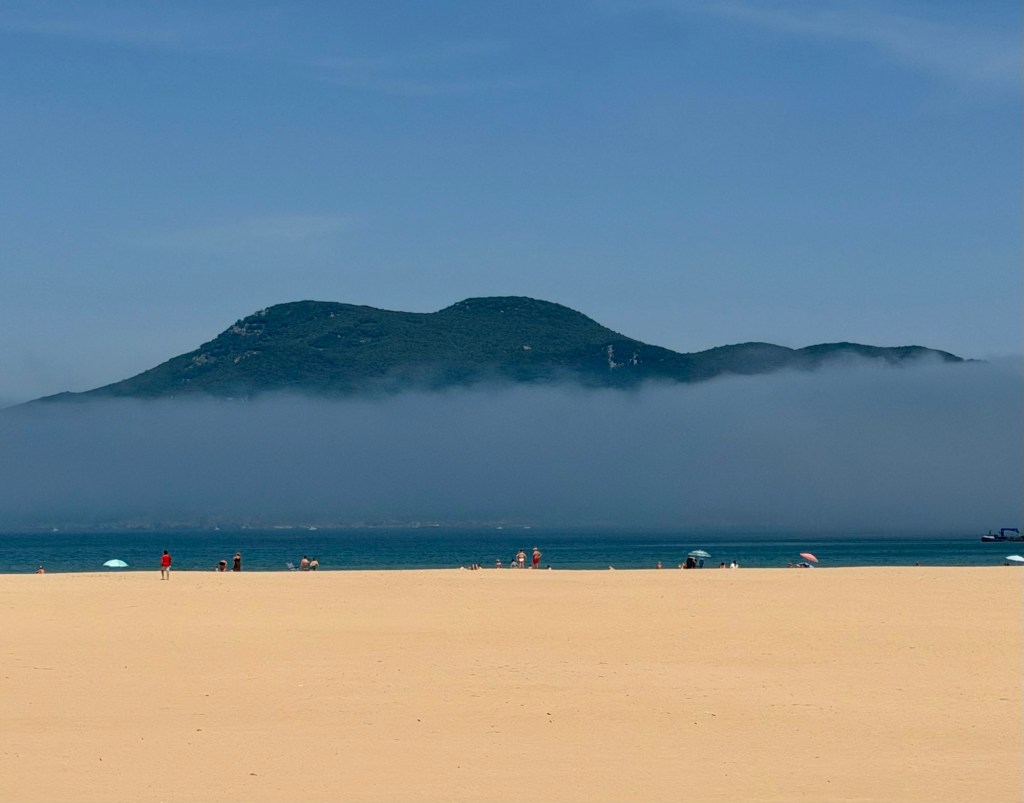
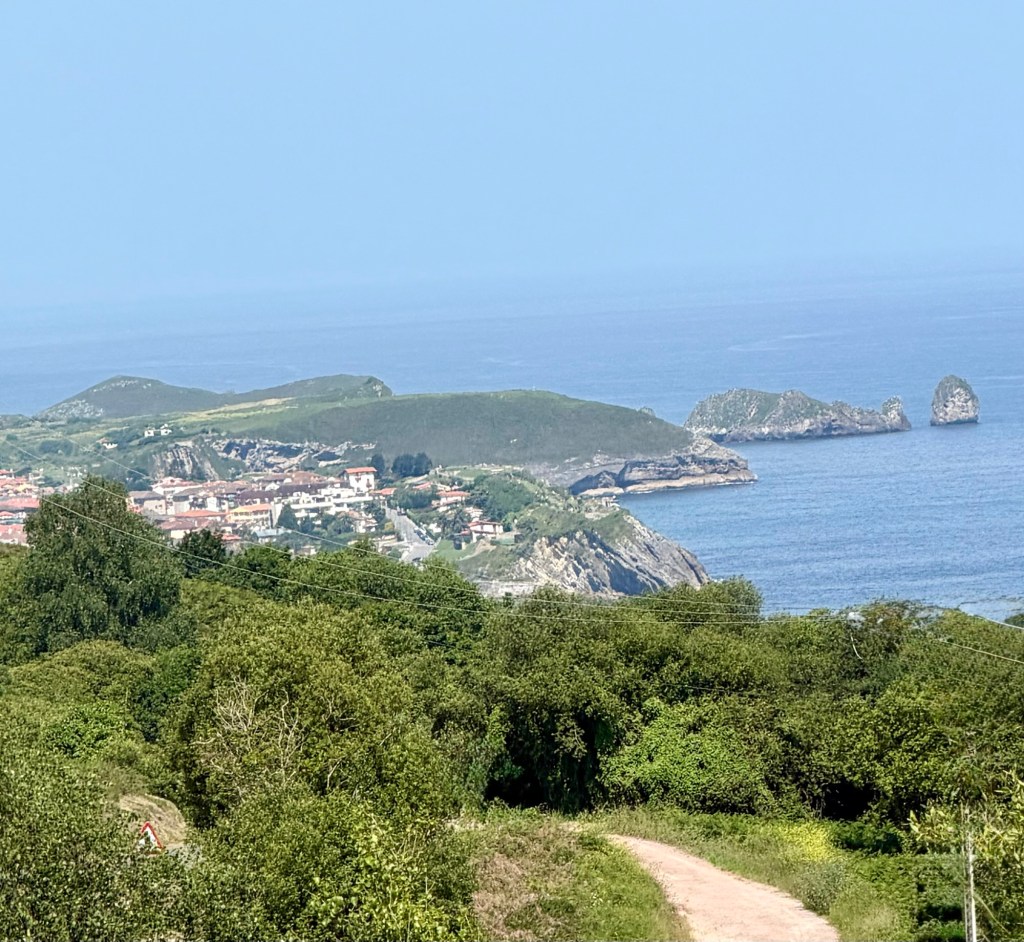
Laredo has one of the longest beaches in northern Spain. Playa La Salvé stretches more than three miles along the coast.

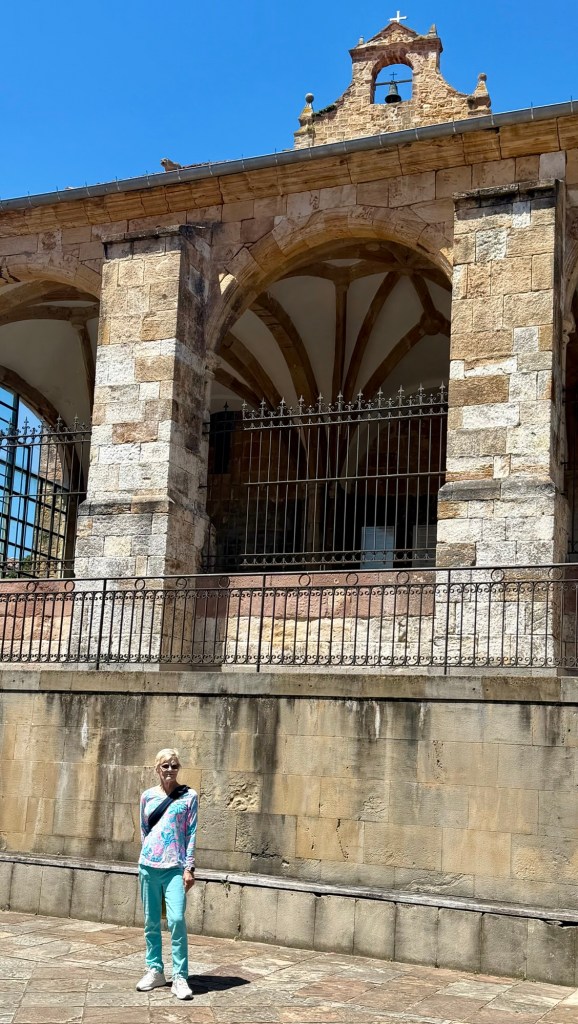
The old part of town, Puebla Vieja, still has narrow stone streets, old defensive walls, Gothic churches, and centuries-old houses.

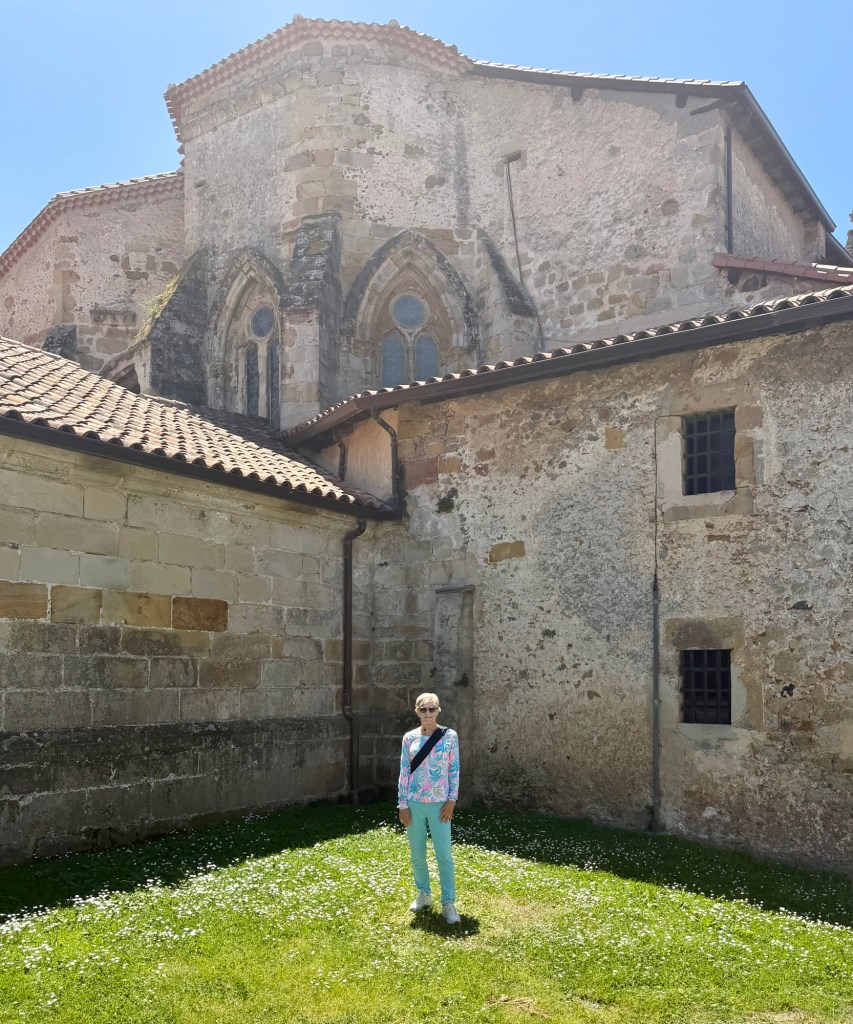
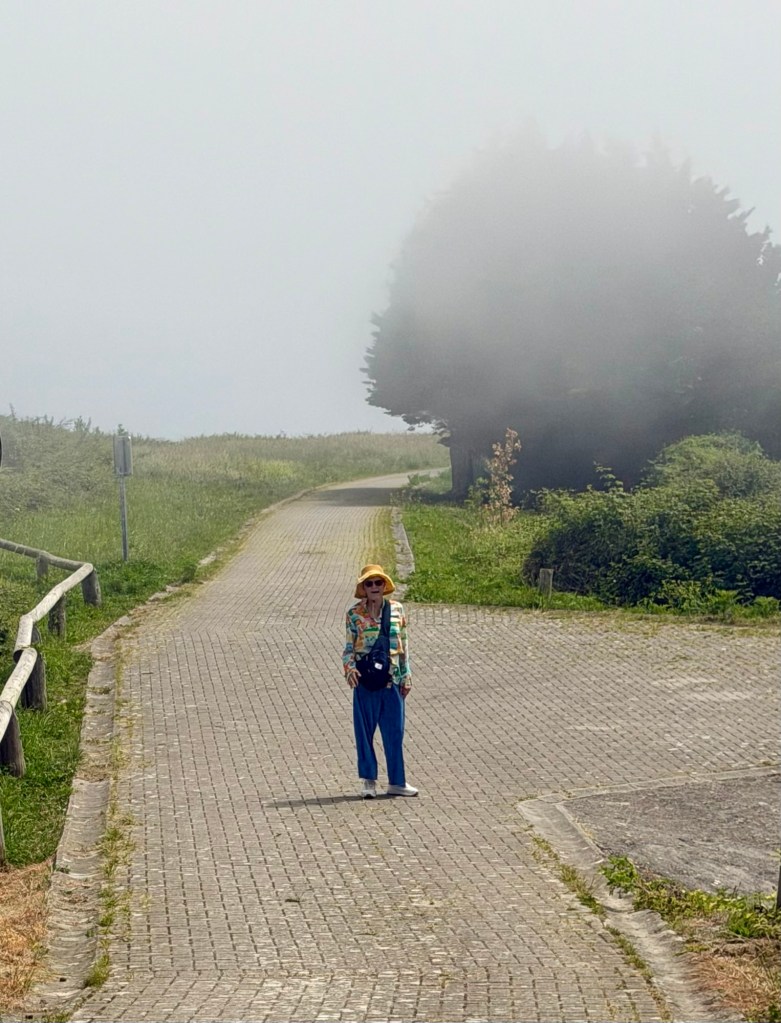
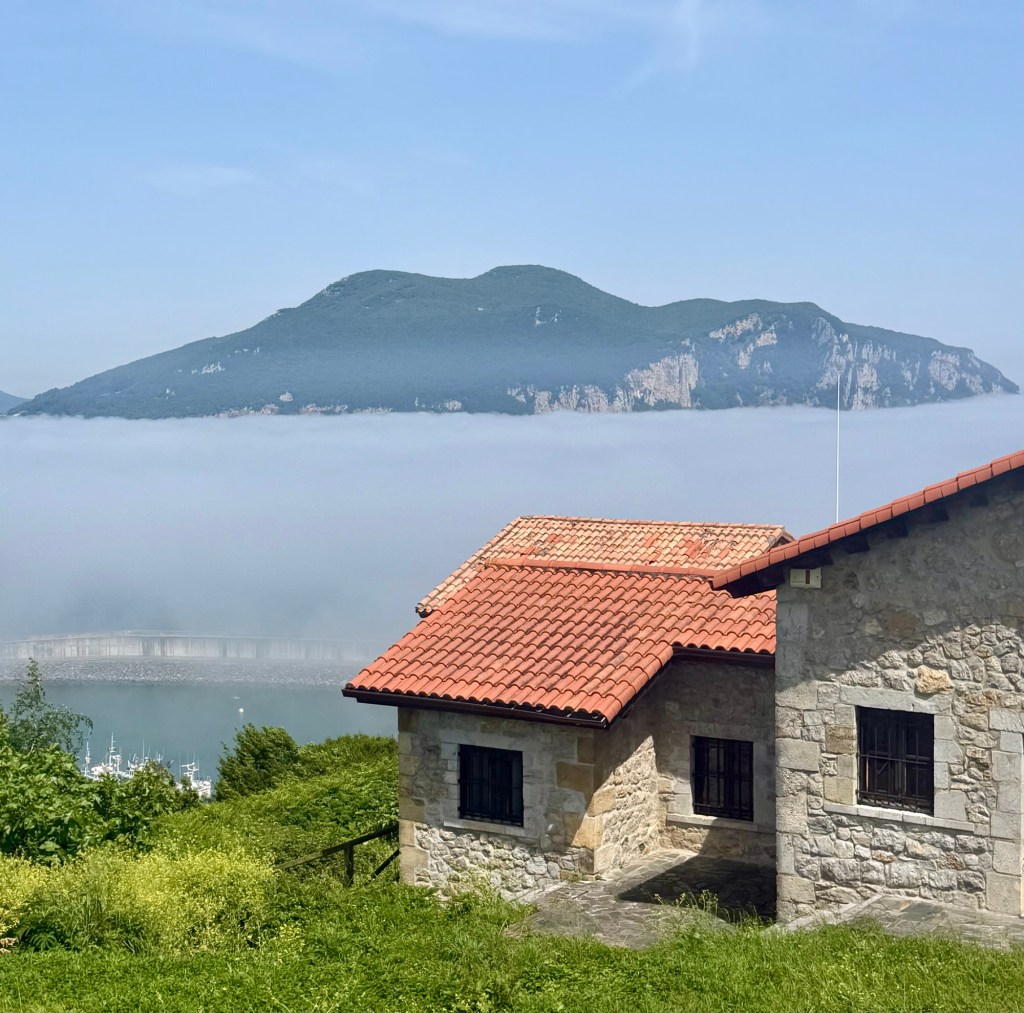
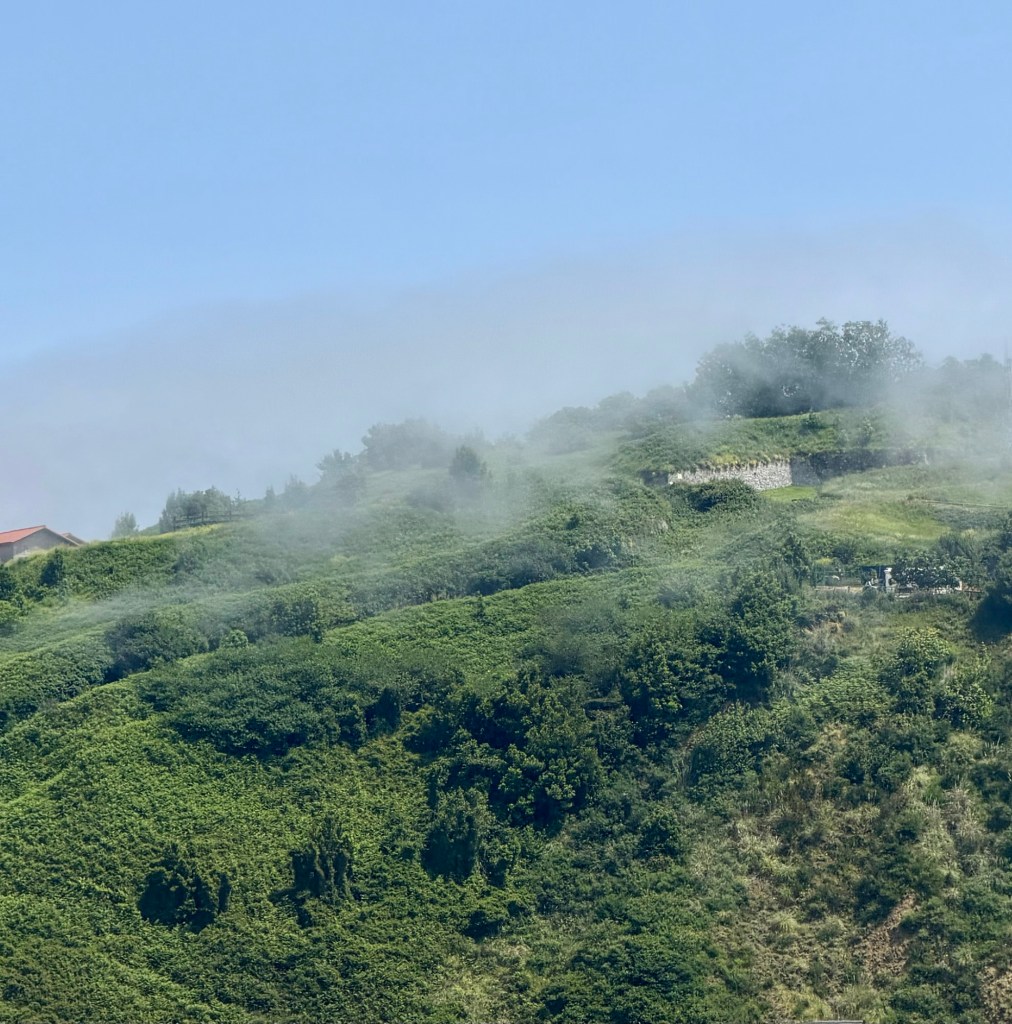
We also climbed up to La Atalaya, a viewpoint overlooking the city. The walk up was foggy, but the sun made an appearance just as we reached the top.

Our biggest challenge in Laredo was siesta.

In Llanes and Somo we had managed to find a couple restaurants where the kitchens stayed open during the dreaded 4 PM to 8 PM dead zone. Not so in Laredo.

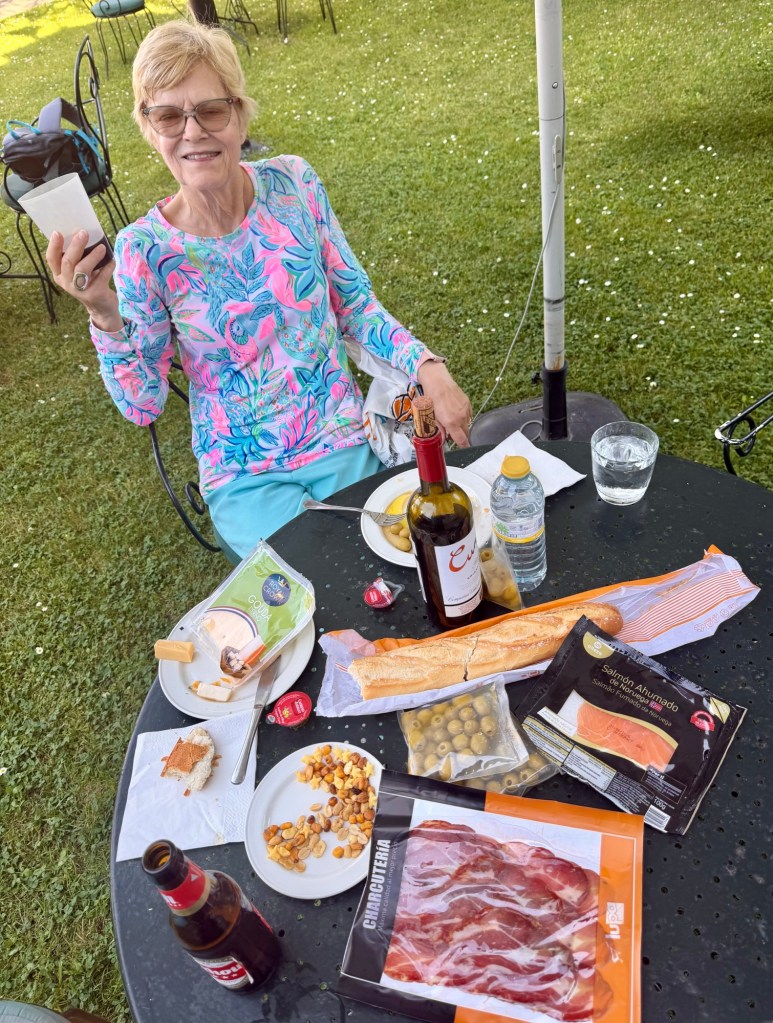
Our first night, we ended up buying sliced meats, olives, cheese, a loaf of bread, and a bottle of wine and turning our hotel’s patio into our own little tapas bar. Honestly, it turned out to be a pretty fun evening.

Next stop… Zarautz.

Enjoy.

Pete
Llanes

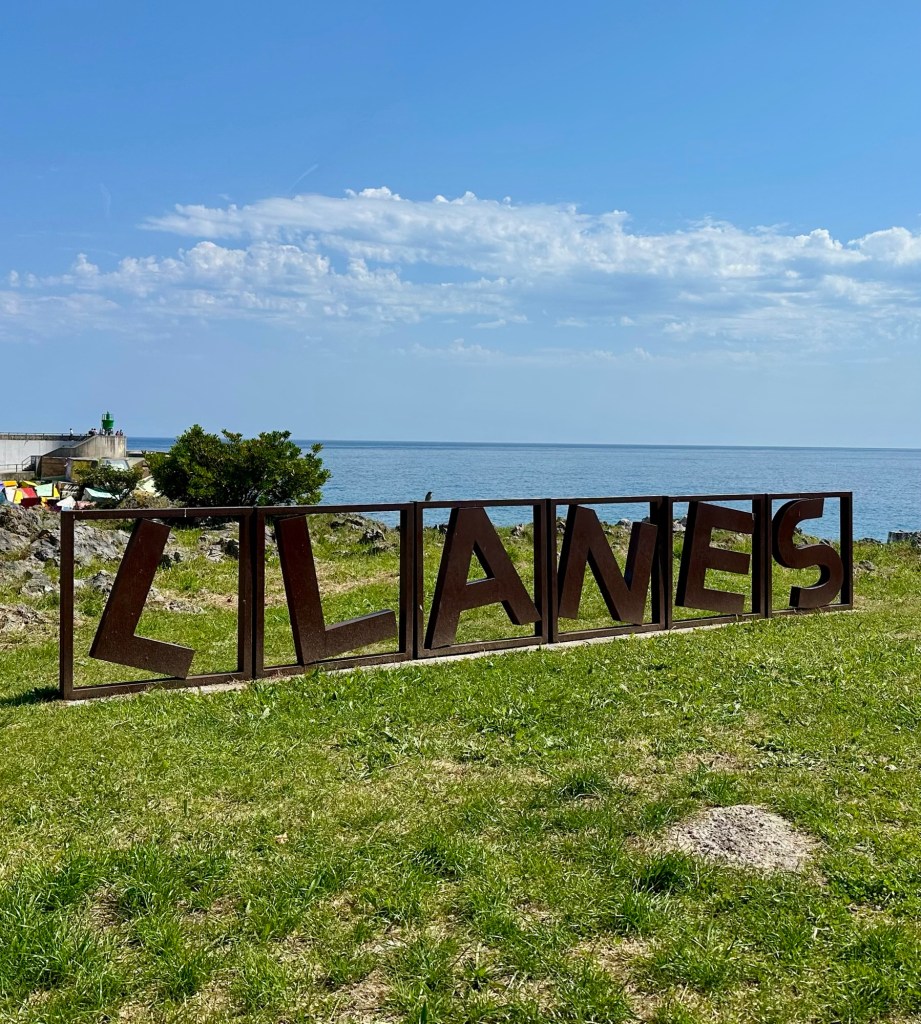
We spent two days in Llanes, and it quickly became a favorite. The combination of dramatic coastline, mountain views, and a beautifully preserved old town gives the place a little bit of everything.

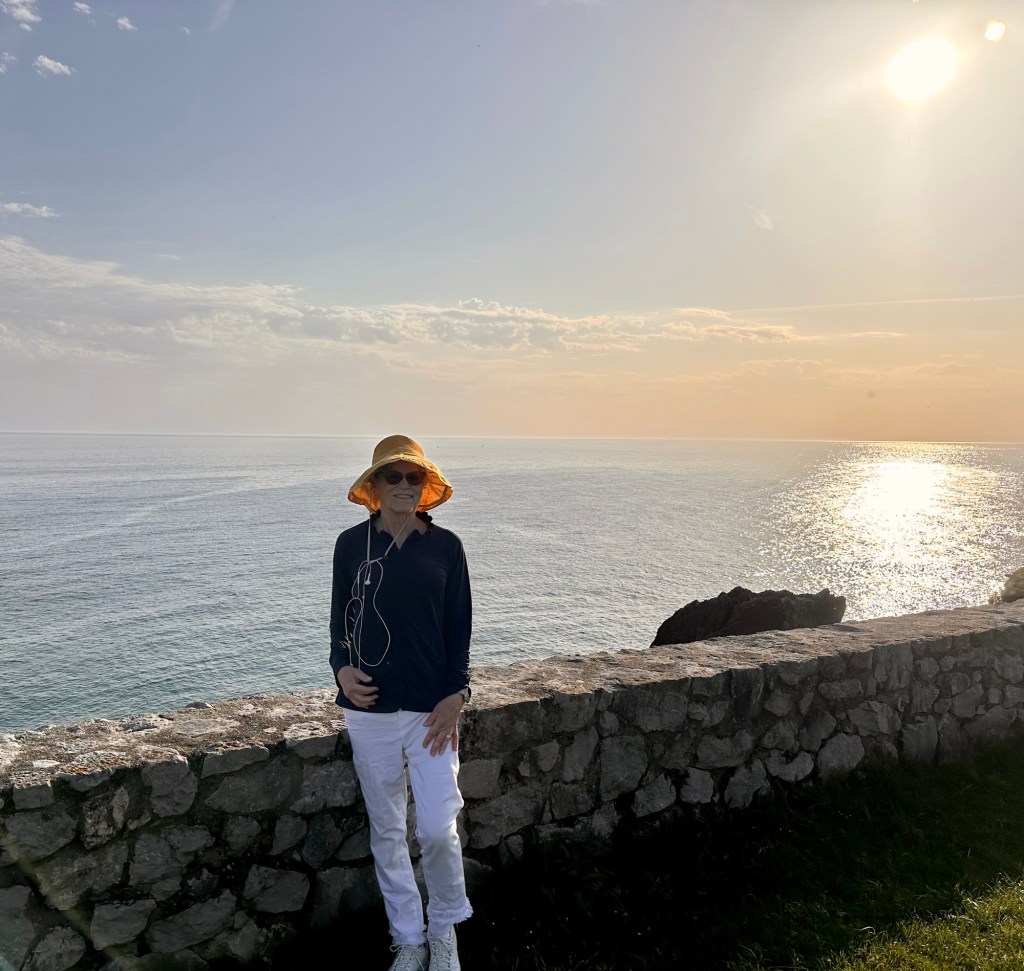
One of the highlights is the Paseo de San Pedro, a coastal walkway that runs along the top of the sea cliffs with panoramic views of the harbor, beaches, and distant mountains. In other words… the perfect setup for Kris’ morning walk.

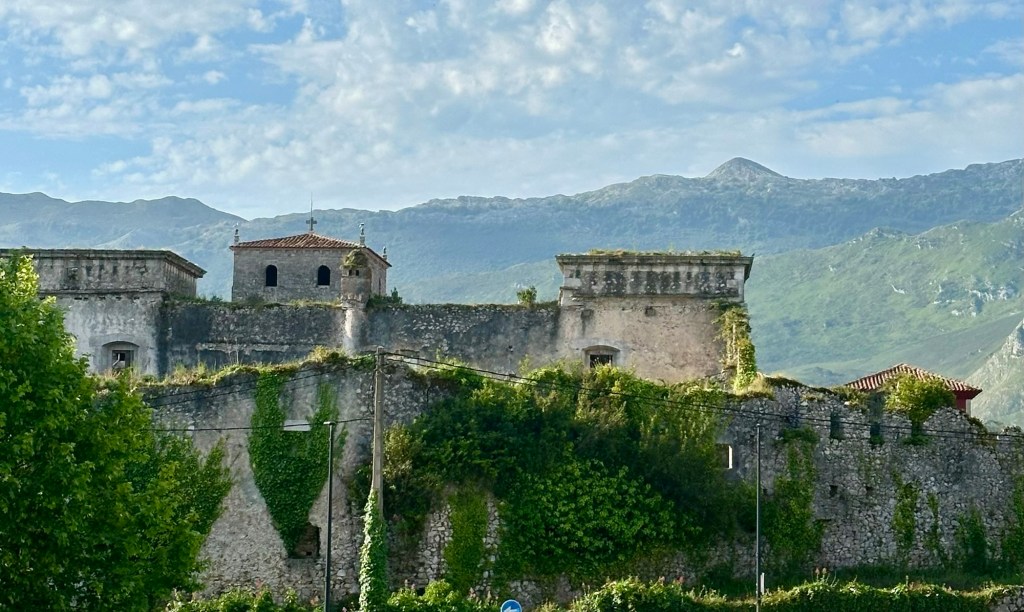
Llanes also still has sections of its medieval walls standing, with parts dating back to the early 1300’s

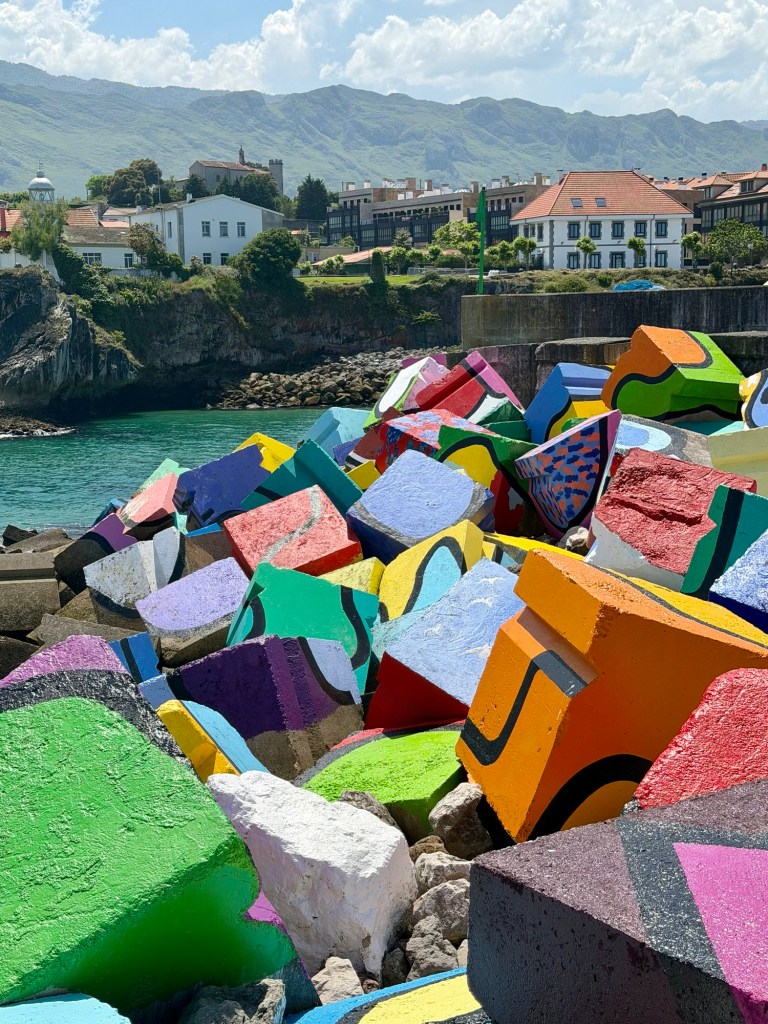
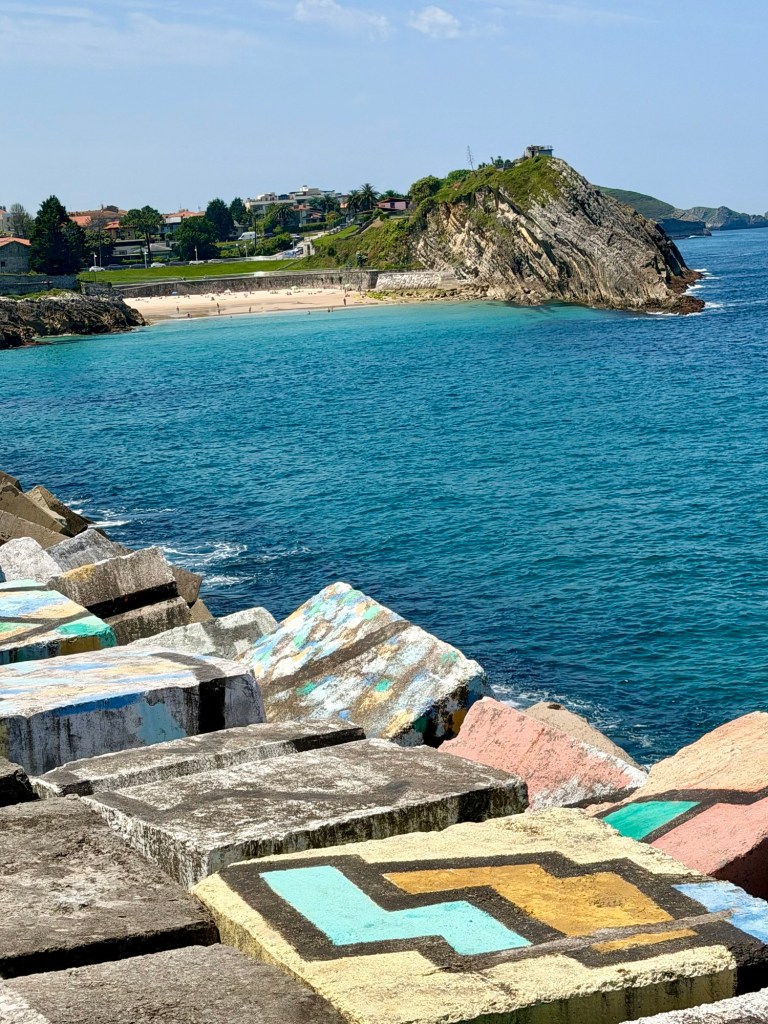
At the harbor entrance, giant concrete cubes painted in bright colors and abstract patterns serve as wave barriers. They’ve become the town’s signature landmark.

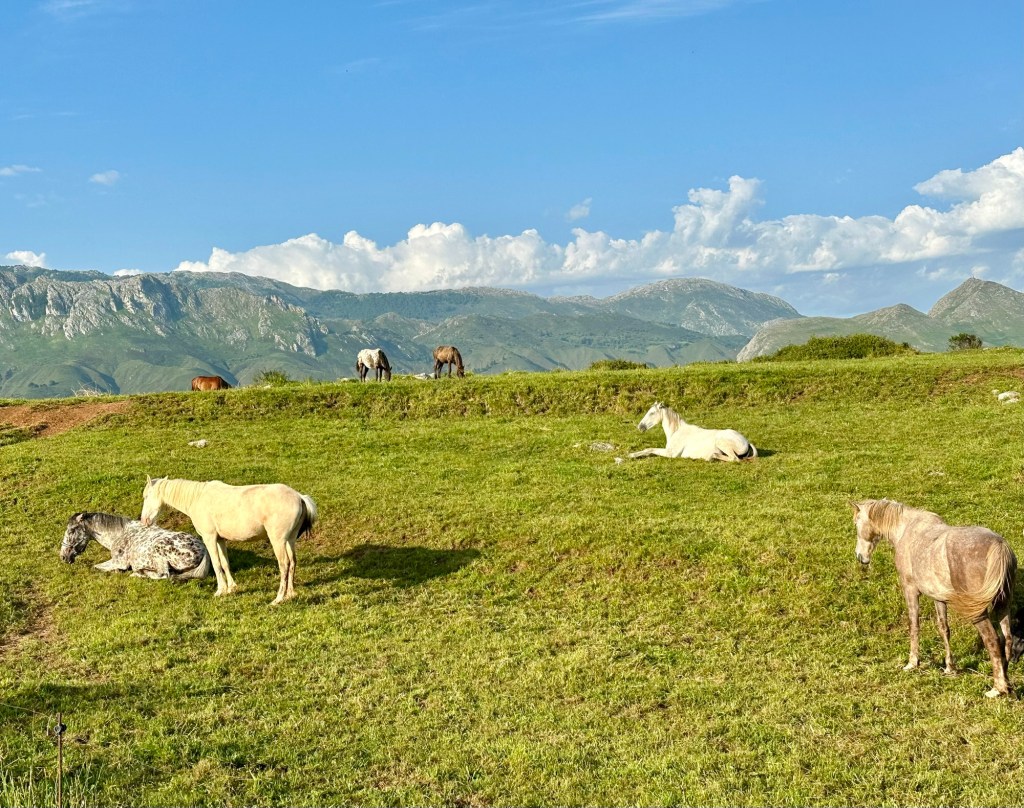
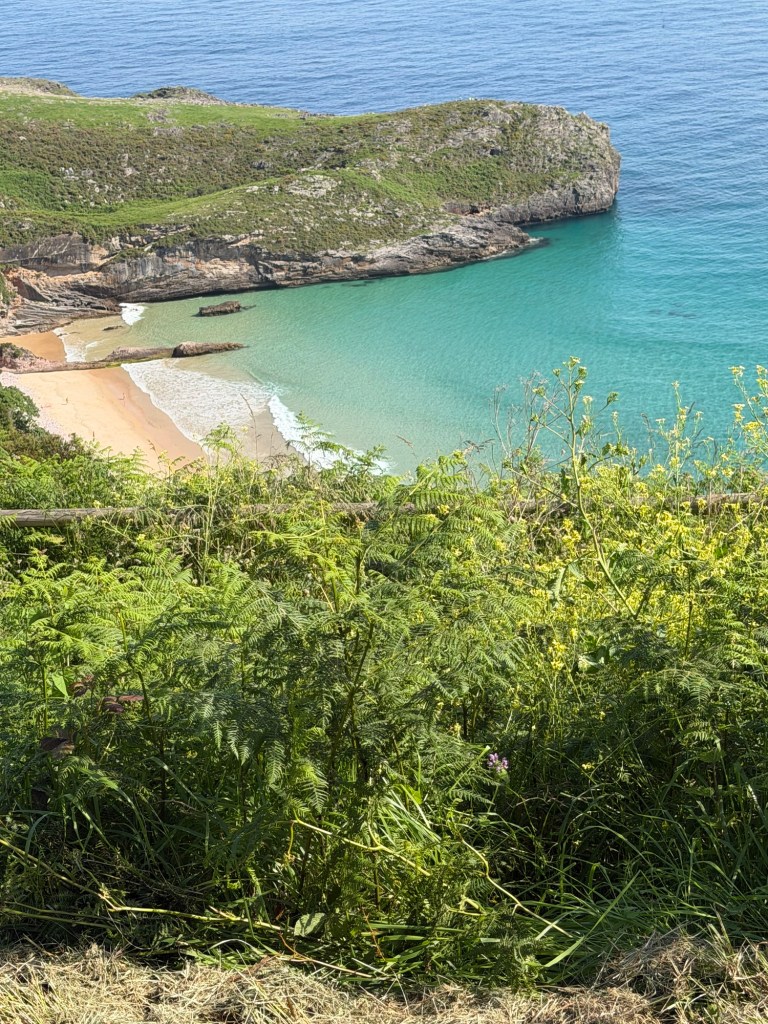
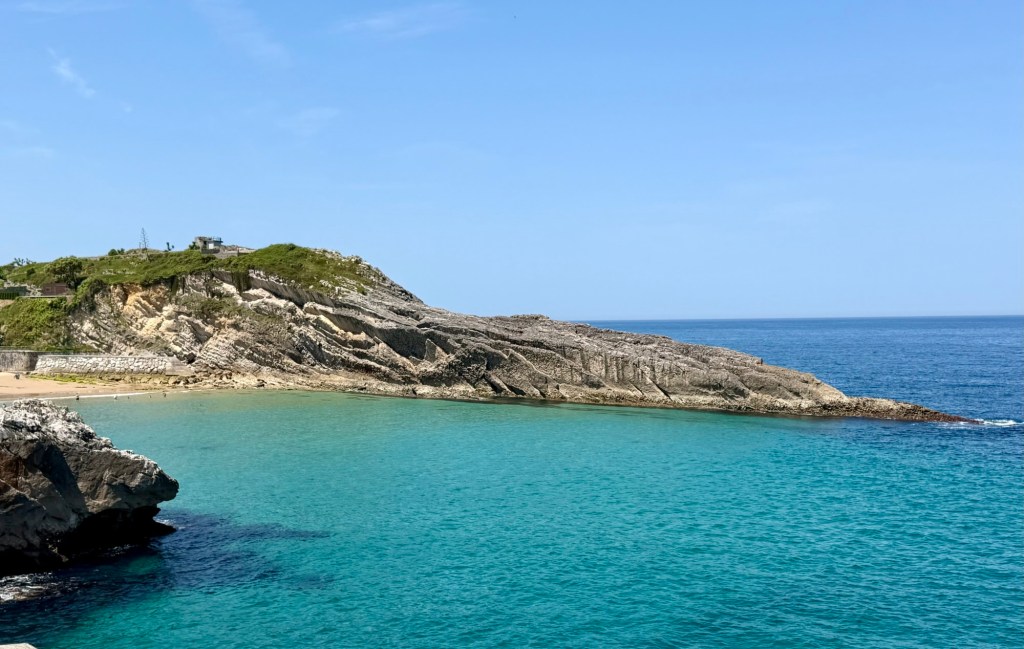
The coastline around Llanes is spectacular, with more than thirty beaches nearby, many tucked dramatically between cliffs and rocky outcroppings.

Llanes was a fun and beautiful stop. So far, it’s Kris’ favorite place of the trip.

Next stop… Somo.

Enjoy.

Pete
Vigo and Pontevedra

We spent one day in each of these Galician cities.

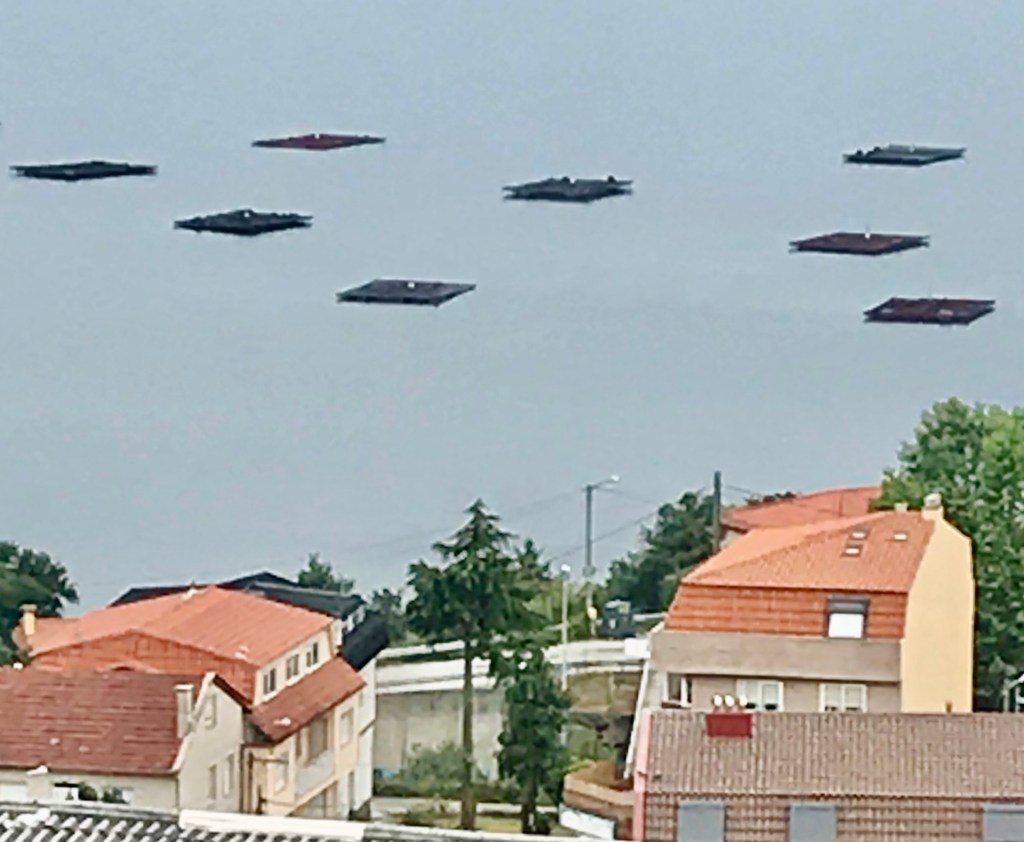
Vigo is one of the world’s major fishing ports, with mussel farms lining the estuary that empties into the Atlantic. Naturally, we were excited to feast on fresh mussels.

Mussel farms or UFO’s? You be the judge.

Unfortunately, the restaurants we tried didn’t have any available. Something about the weather… I think. Either way, the mussels apparently weren’t cooperating.

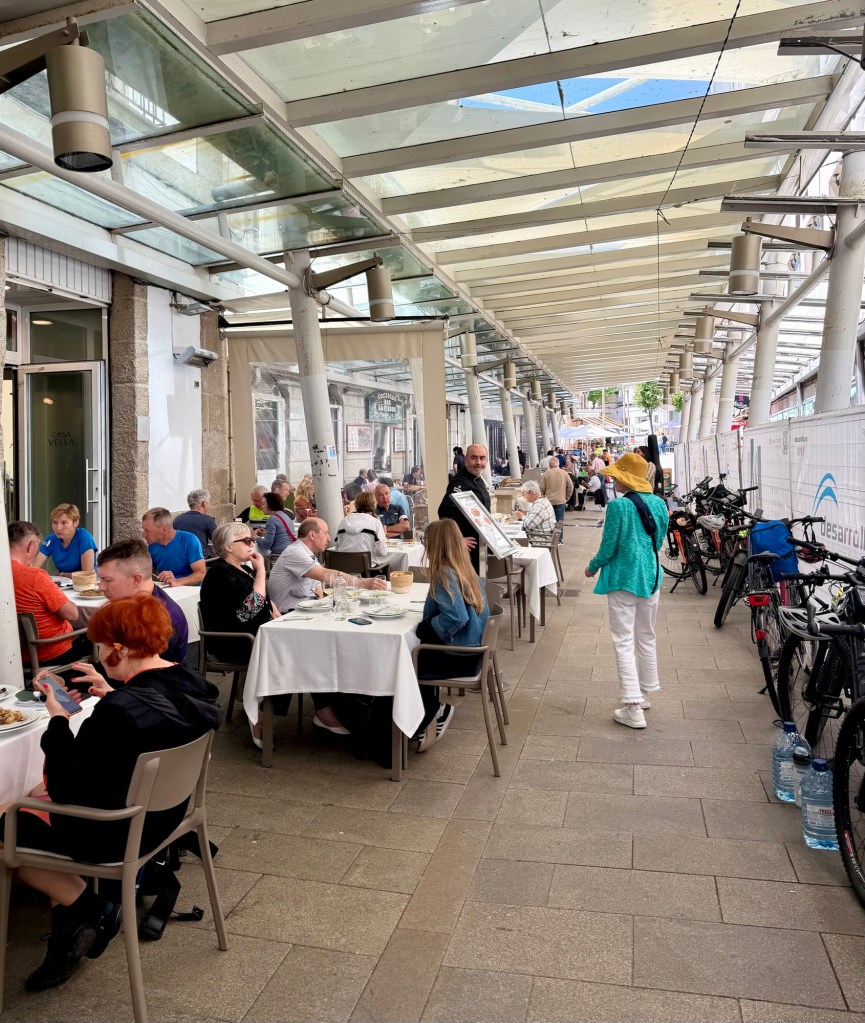
Dining in Spain still requires some strategic planning. Siesta makes things complicated because most restaurants close from 4 PM until 8 PM. You’ve got to time things right.

Bad name for a restaurant in South Dakota

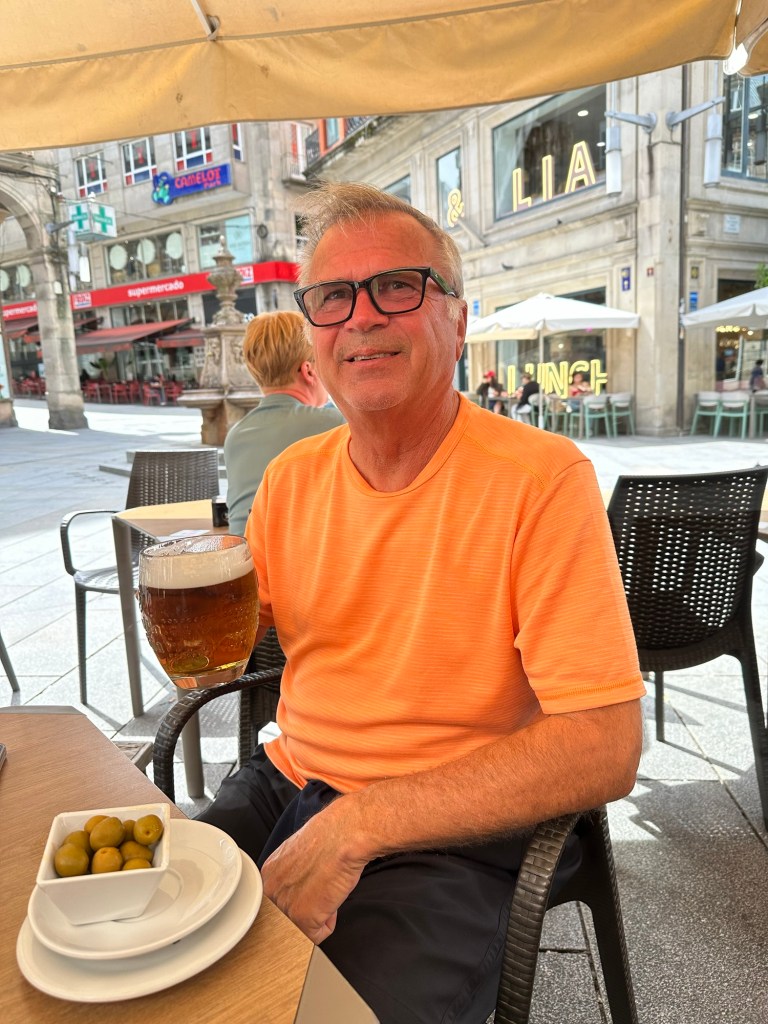
To make matters worse, even finding a beer can become an adventure.

Vigo is also very hilly. Not quite Porto-level steep, but close. The city has a modern, upscale feel with lots of shopping, wide boulevards, and impressive waterfront areas.

We enjoyed our quick stop there before heading on to Pontevedra.

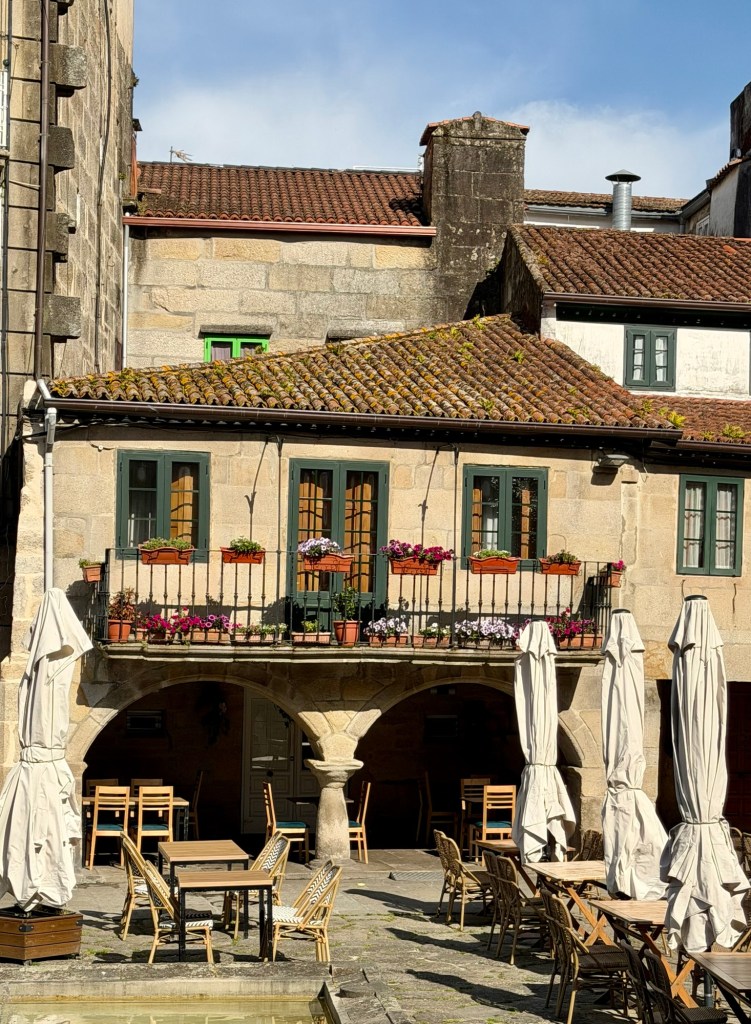
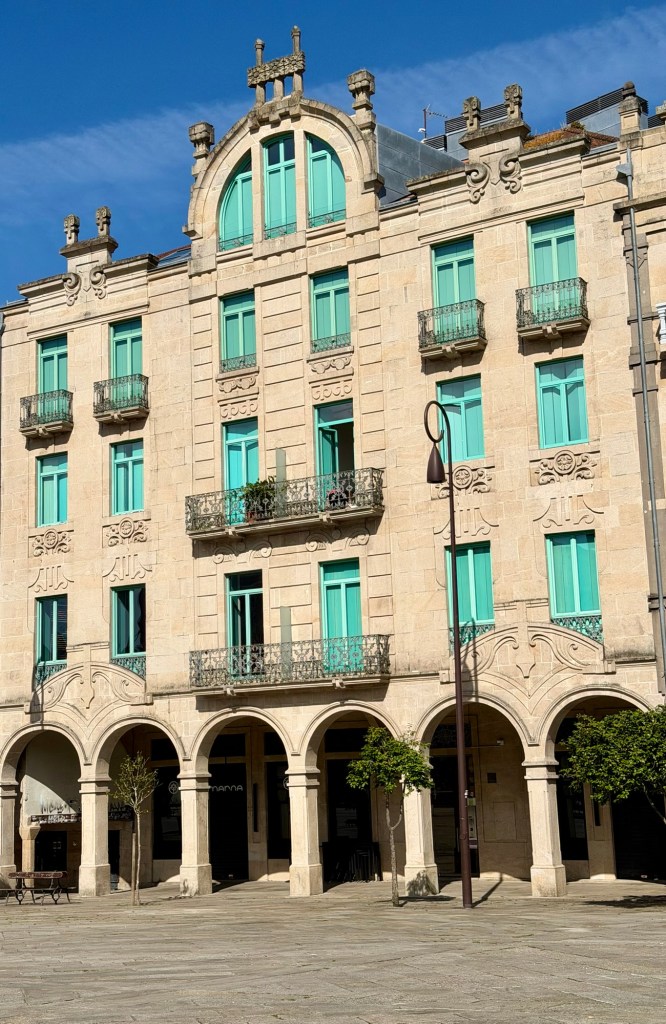
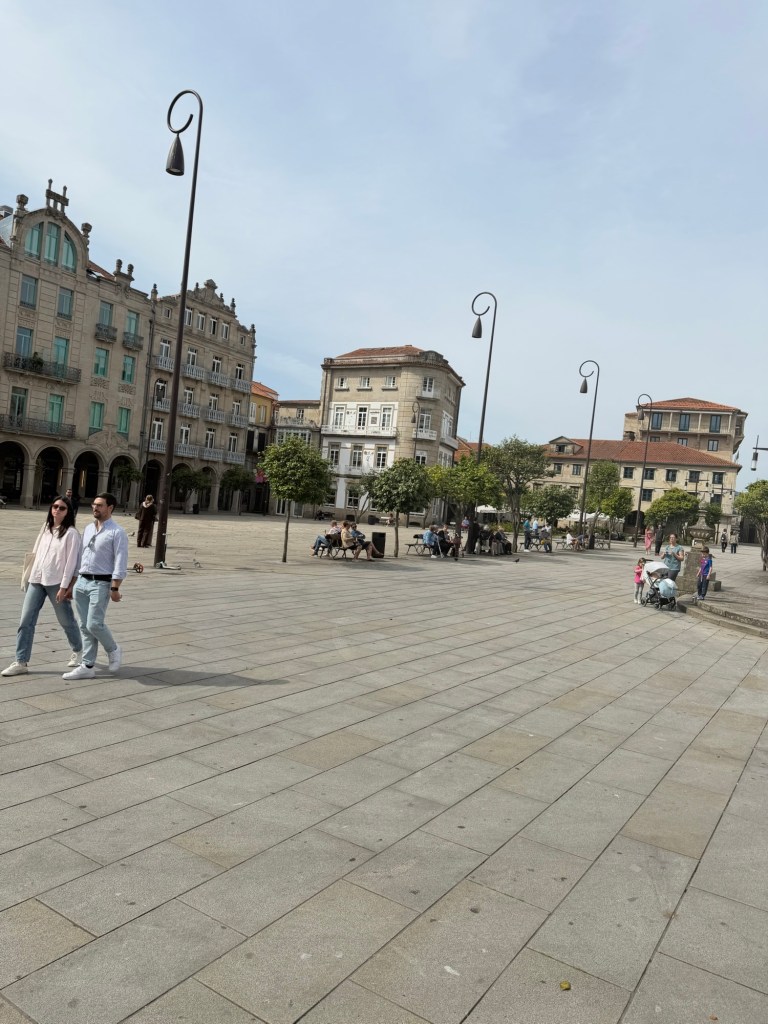
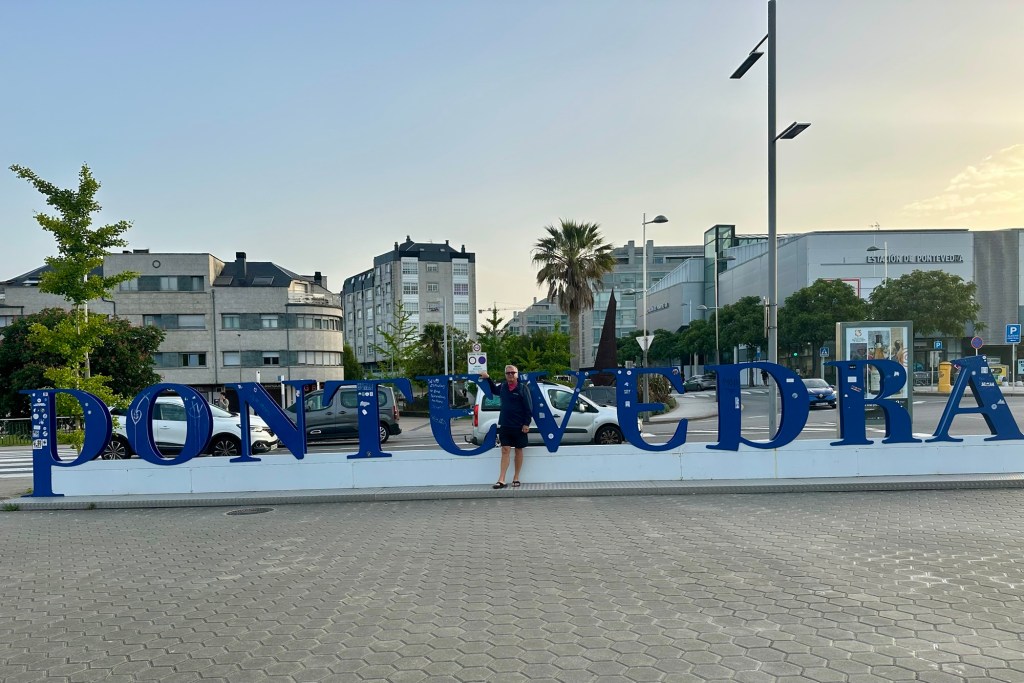
Kris and I lived in Ponte Vedra, Florida for ten years, so visiting Pontevedra always feels a little familiar. I also spent an extra day there during my Camiño.

This time, though, the city felt quieter and a little more worn than I remembered. Maybe my previous visit happened over a weekend when the old town was more lively and crowded.

Even so, it was nice to see it again. But this was probably my last trip to Pontevedra. I’ve learned that I’m just more drawn to the smaller coastal towns and cities along this part of Spain.

Our next stop is Llanes, another coastal gem.

Enjoy.

Pete
Porto

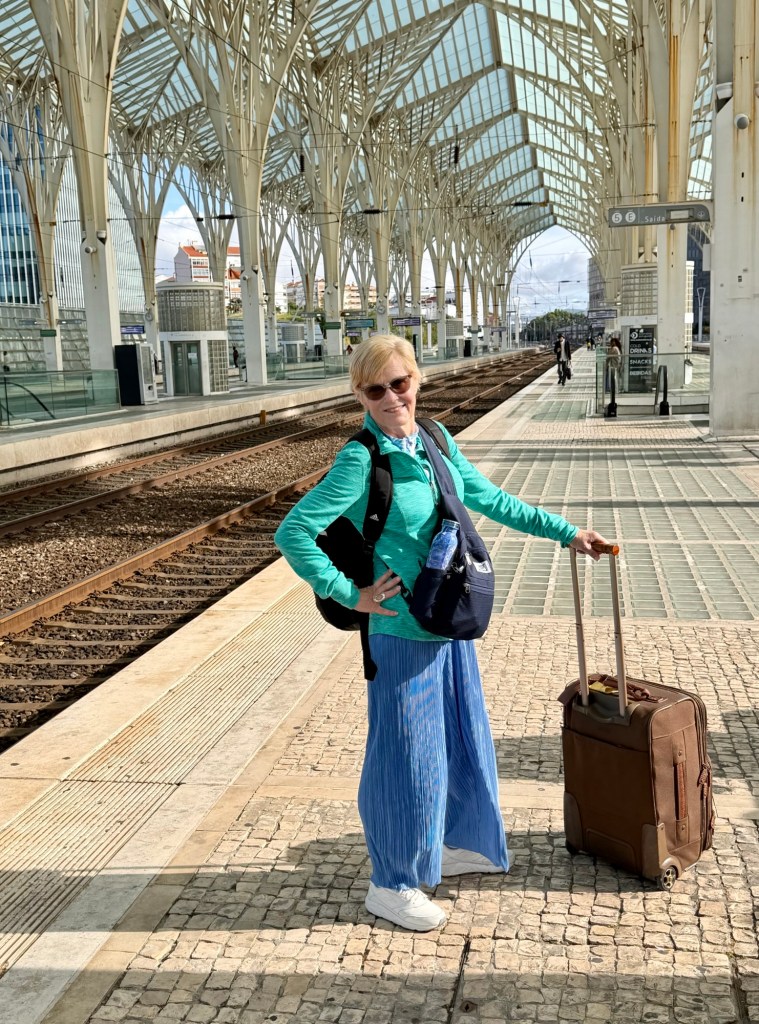
We left Lisbon by train and rolled into Porto early in the afternoon.

Our hotel was conveniently located about a block from the station. We dropped our bags and immediately headed out to explore.

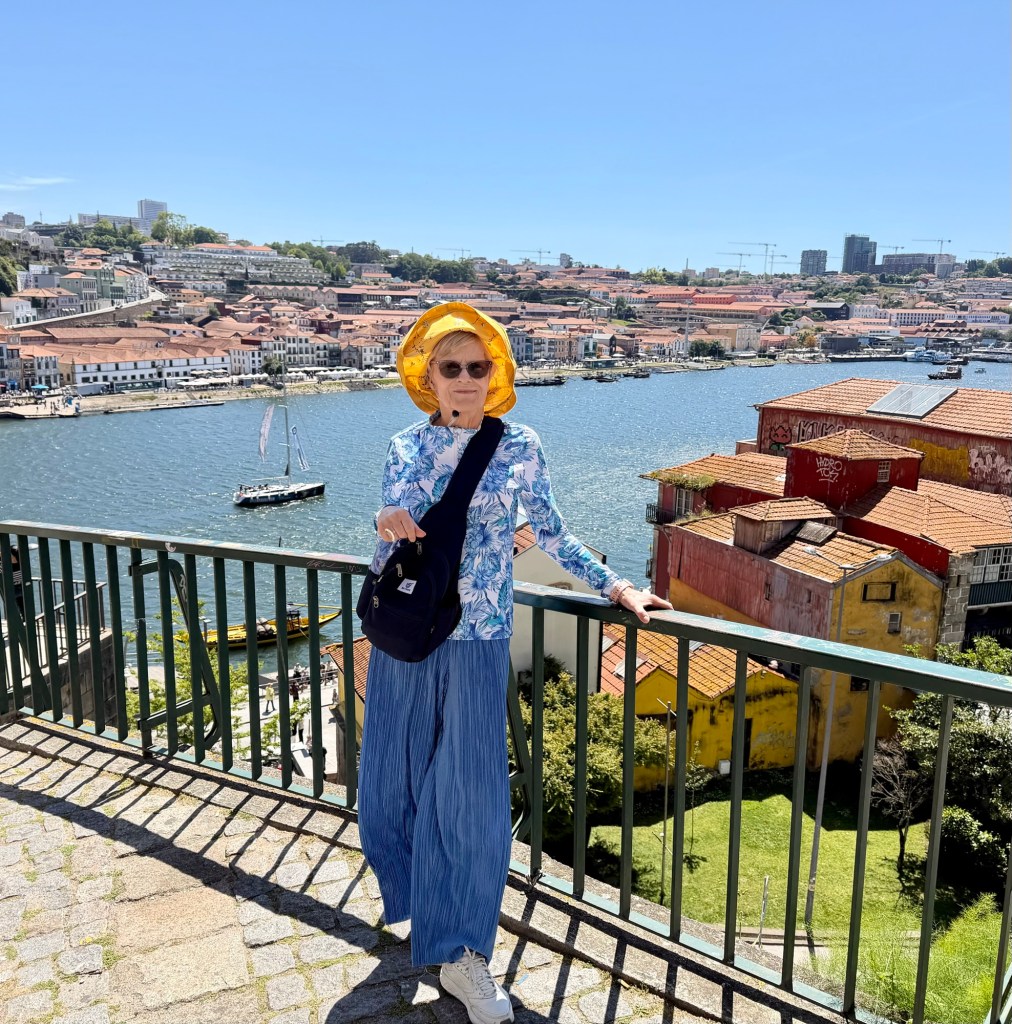
Porto is famously hilly. The city climbs steeply from the Douro River, with narrow alleys, and scenic overlooks tucked everywhere.

We like to walk. Kris isn’t happy unless she gets at least twenty thousand steps a day. I’m more of a binge walker. I’ll alternate between five hundred and fifty thousand. When I go, I go. When I don’t… I really don’t.

Our hotel sat near the top of the hill. We were headed down to the Ribeira district along the waterfront. That meant a steep descent on slick cobblestone streets while wearing flip-flops and searching desperately for handrails that didn’t exist. It felt dangerous

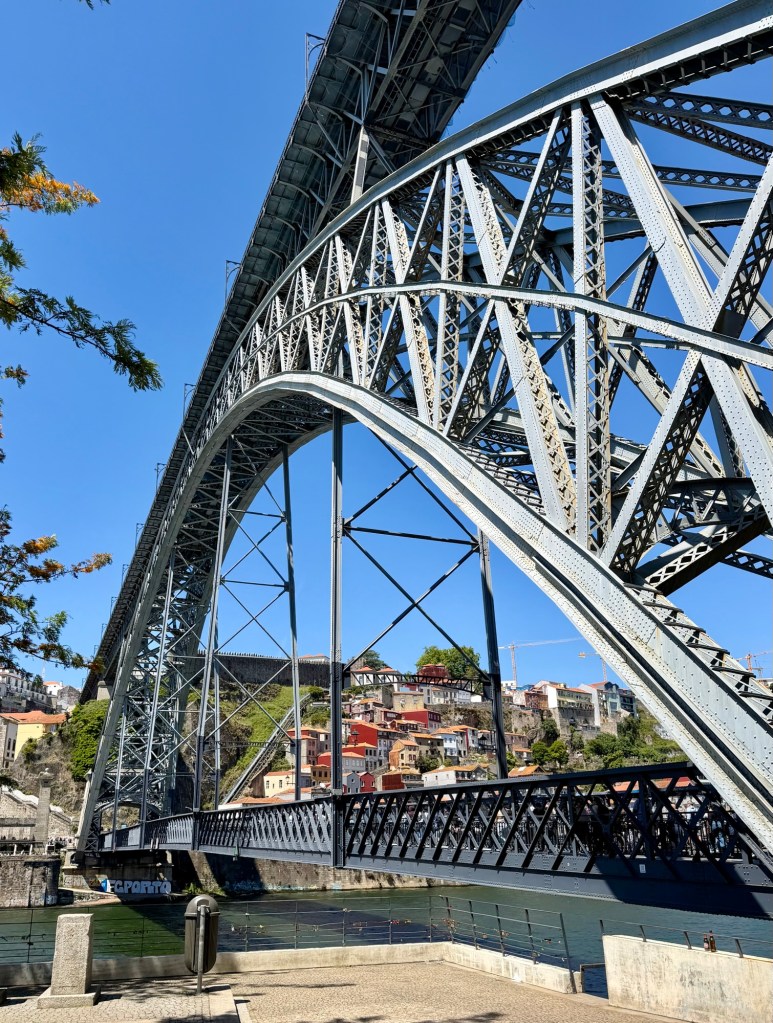
Eventually, we made it down to the river and decided to cross via the famous Dom Luís I Bridge. The bridge was designed by a student and former business partner of Gustave Eiffel, which explains why it looks a little Eiffel-ish.

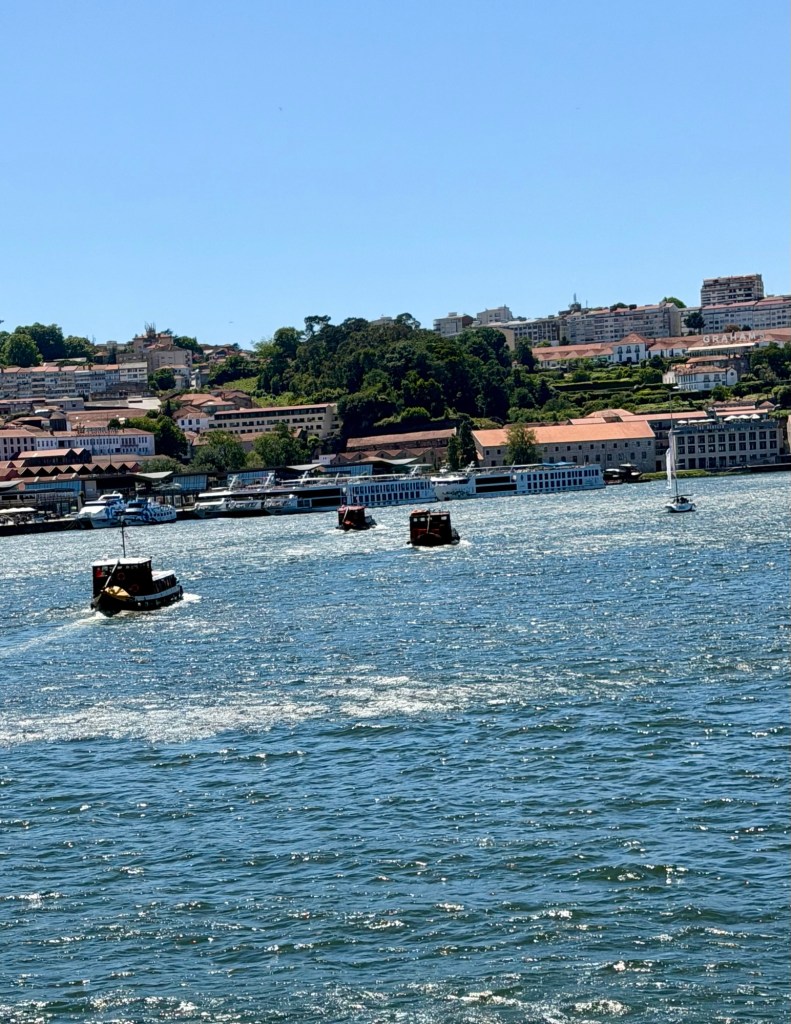
We’d considered taking one of the boat tours to see the six bridges spanning the Douro, but it was windy and cold walking across the bridge. Plus, after our transatlantic cruise, we’d had enough time on boats for a while.

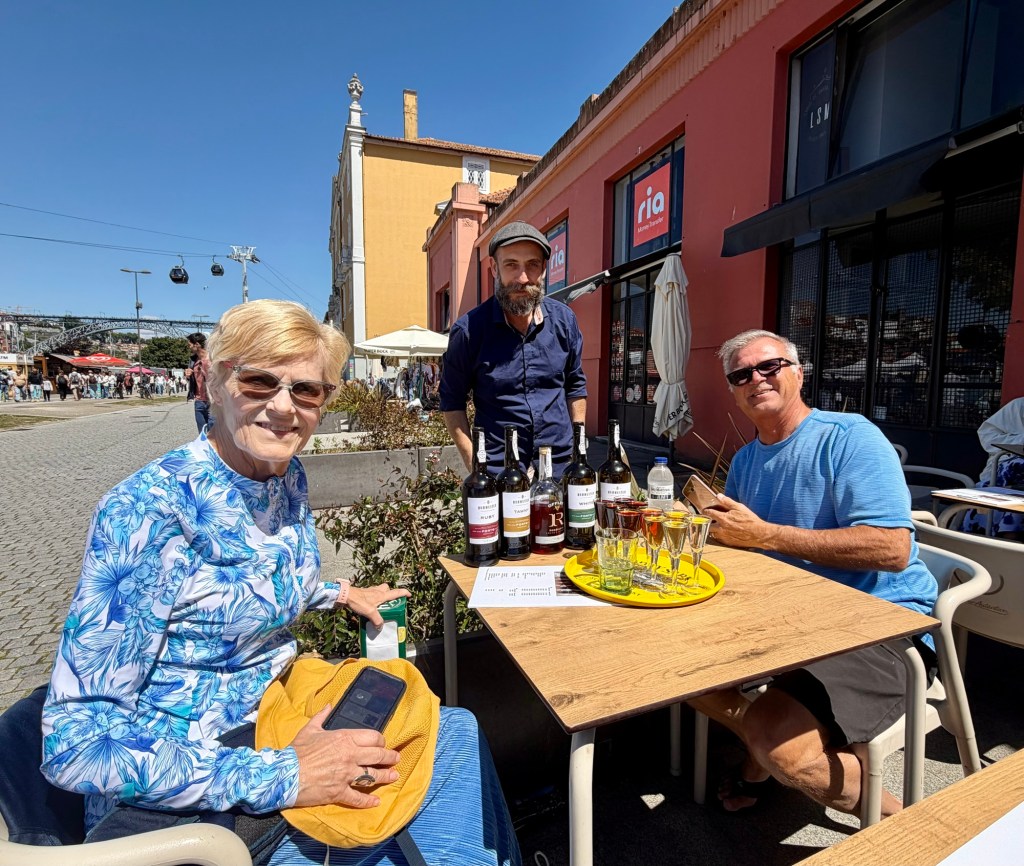
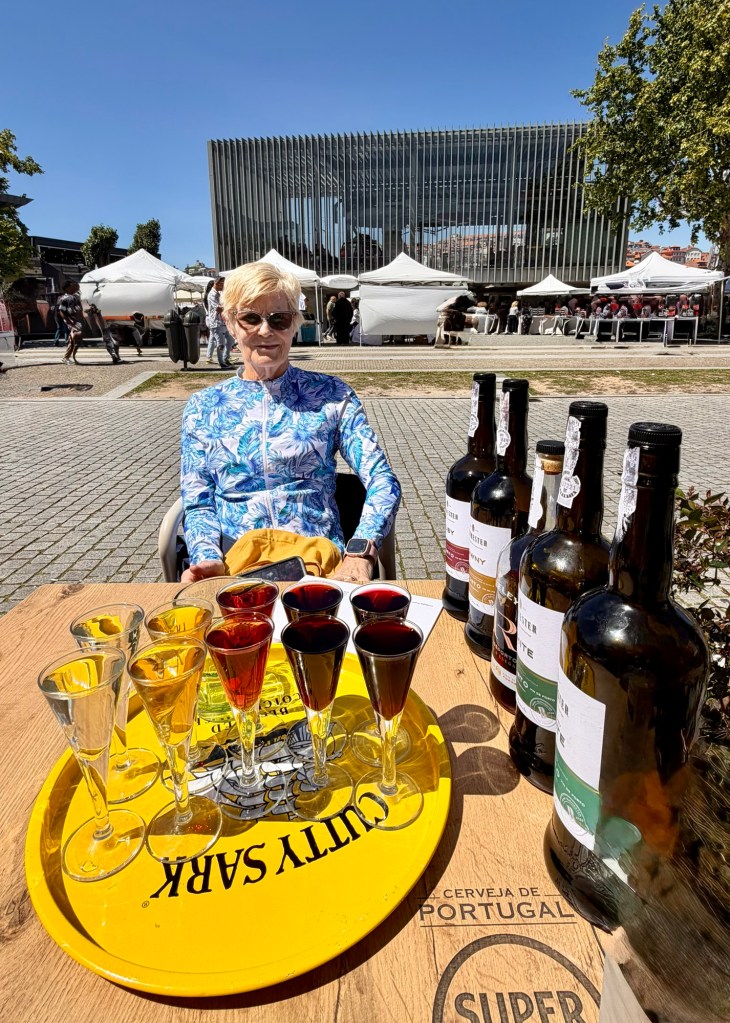
Across the river sits Vila Nova de Gaia, home to the famous port wine lodges. We stopped for a tasting. Port wine is a little too sweet for my taste. I’ll take a cold cerveza every time. Still, we enjoyed the music, the atmosphere, and watching people wander along the waterfront.

After a nice dinner, it was time to head back uphill to the hotel. We took an Uber. Pride only goes so far.

The one thing I really wish we’d had time for was a cruise up to the Douro Valley, Portugal’s famous wine region. That’s really a full-day trip, and our timing just didn’t allow for it.

If you ever visit Porto, I’d recommend spending at least two days there. One day for the Douro Valley and another to explore the riverfront, bridges, wine lodges, and hills. And if possible, find lodging closer to the waterfront. Just saying.

Next stop… Baiona, Spain. One of my favorite stops on the Coastal Portuguese Camino.

Adios.

Pete
Lisbon

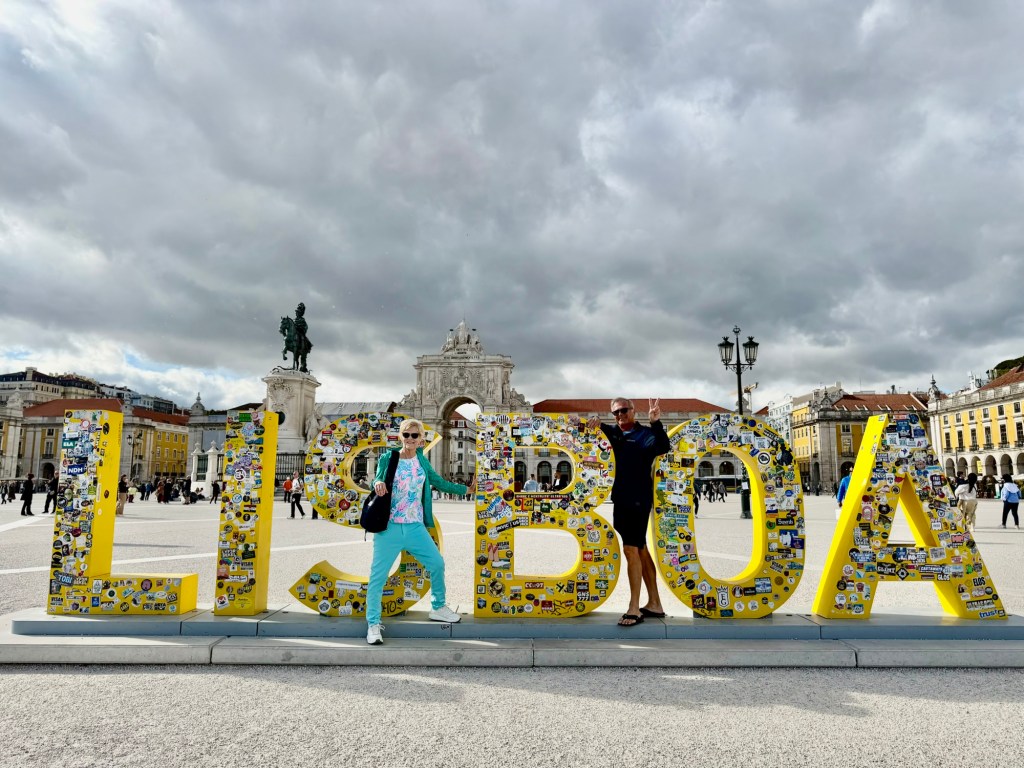
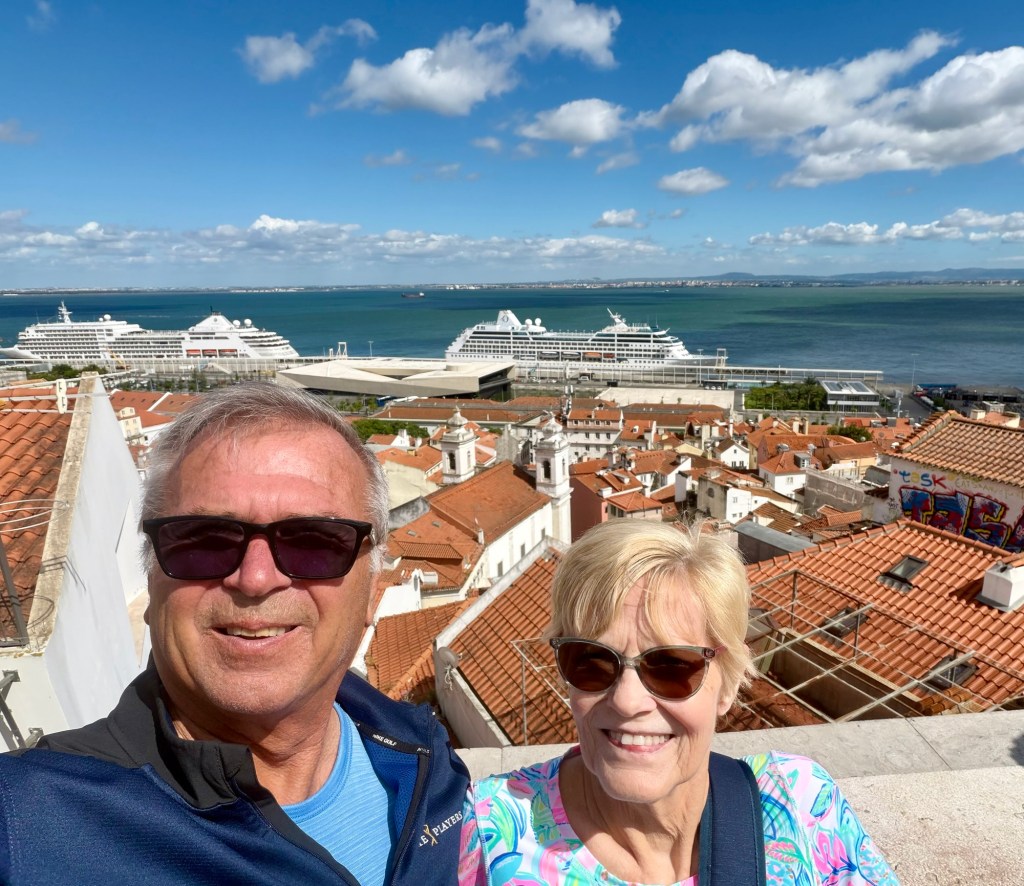
The Insignia docked in Lisbon Friday afternoon. The end of our sail across the Atlantic.

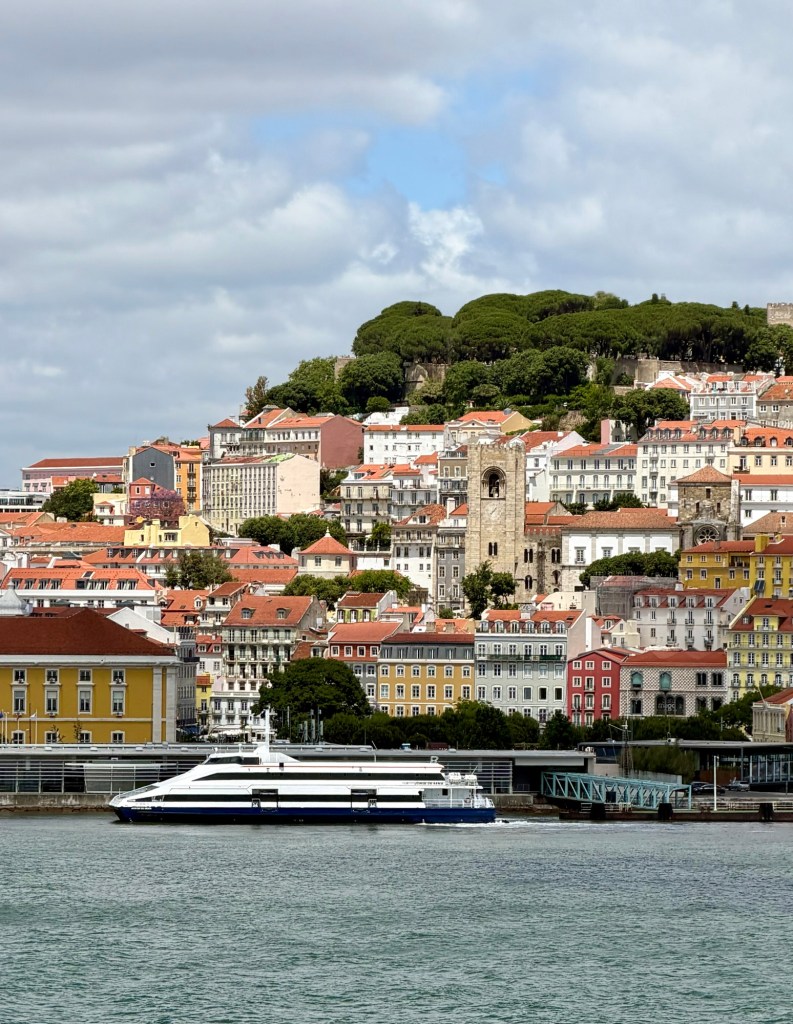
Lisbon is old. Really old. In fact, it’s one of the oldest cities in Western Europe—believed to be several centuries older than Rome.

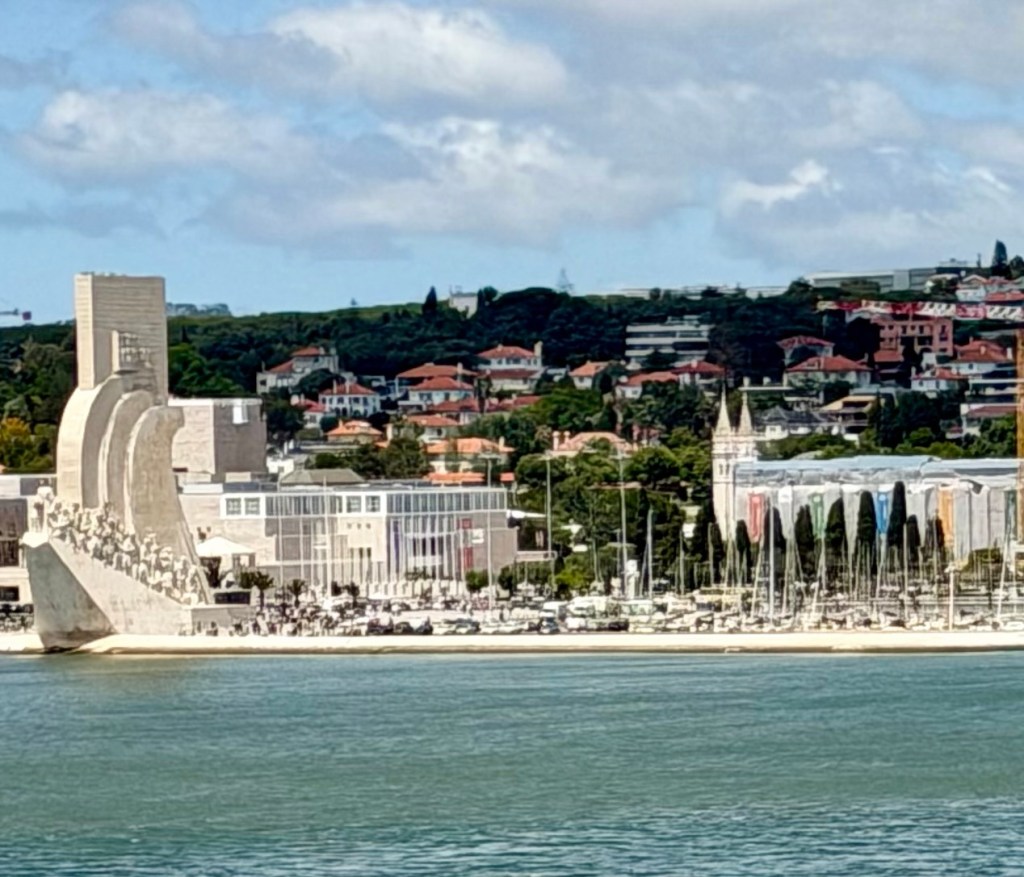
During the Age of Exploration, Portuguese sailors like Vasco de Gama and Ferdinand Magellan launched from Lisbon to Africa, Brazil, India, and beyond. At one point Portugal controlled one of the world’s largest empires.

Kris and I got off the ship as quickly as possible to see what we could see.

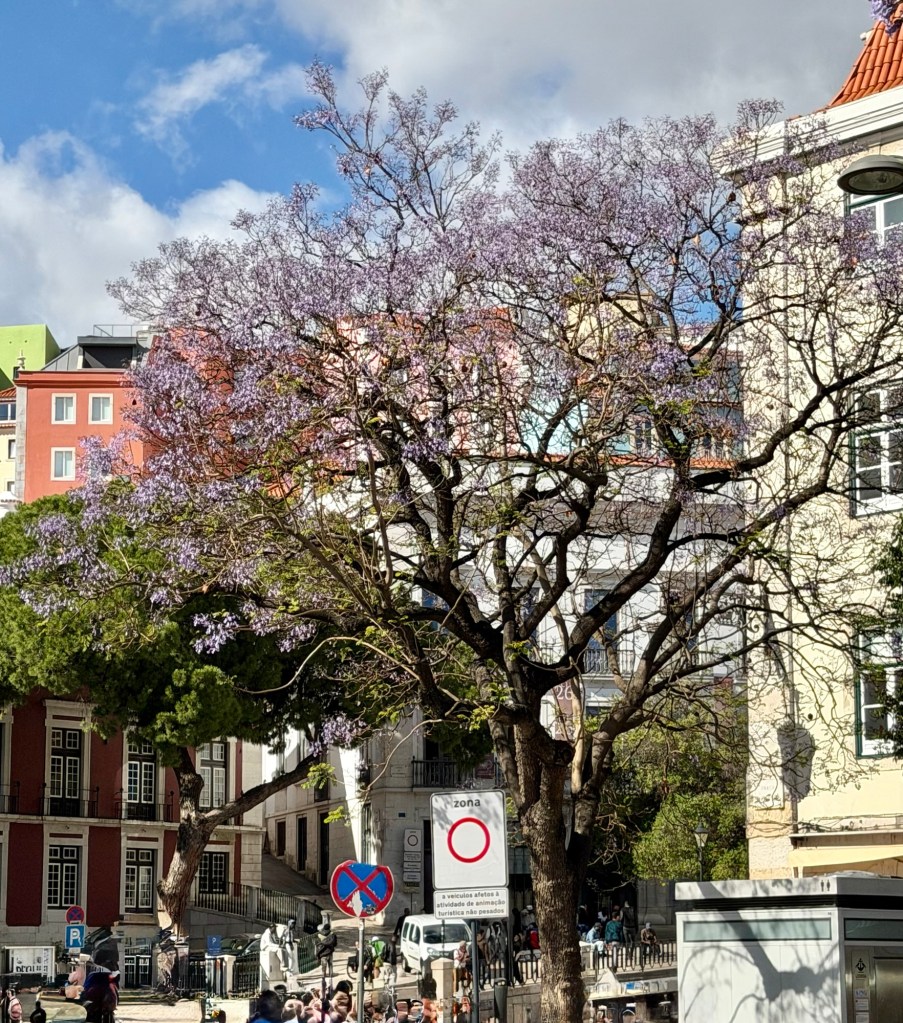
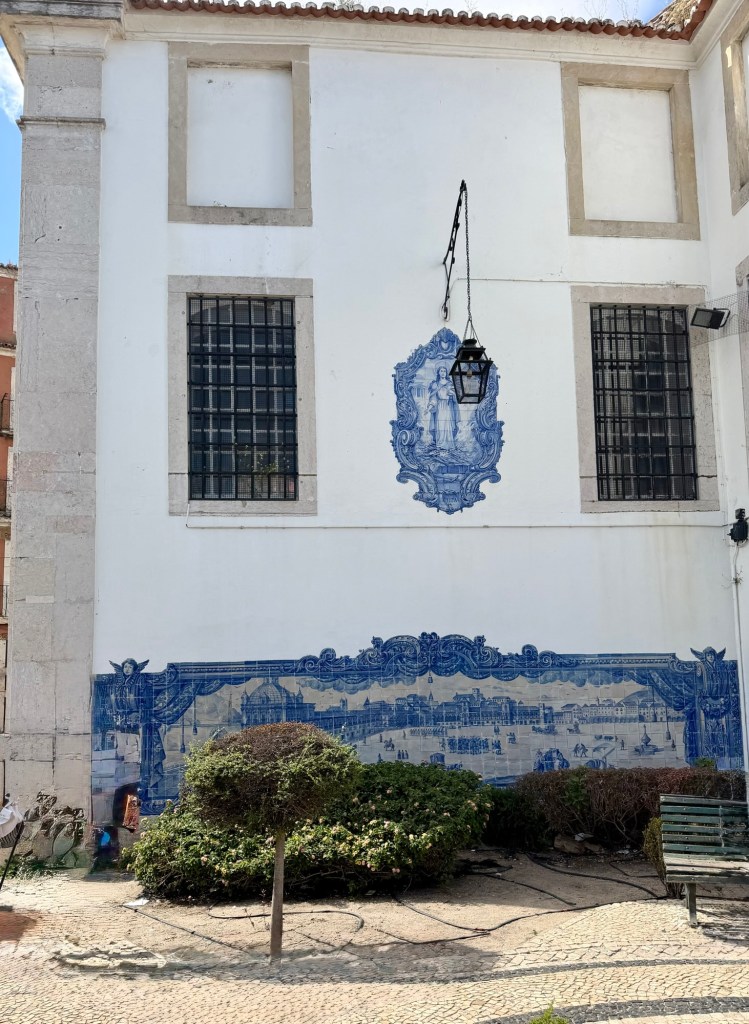
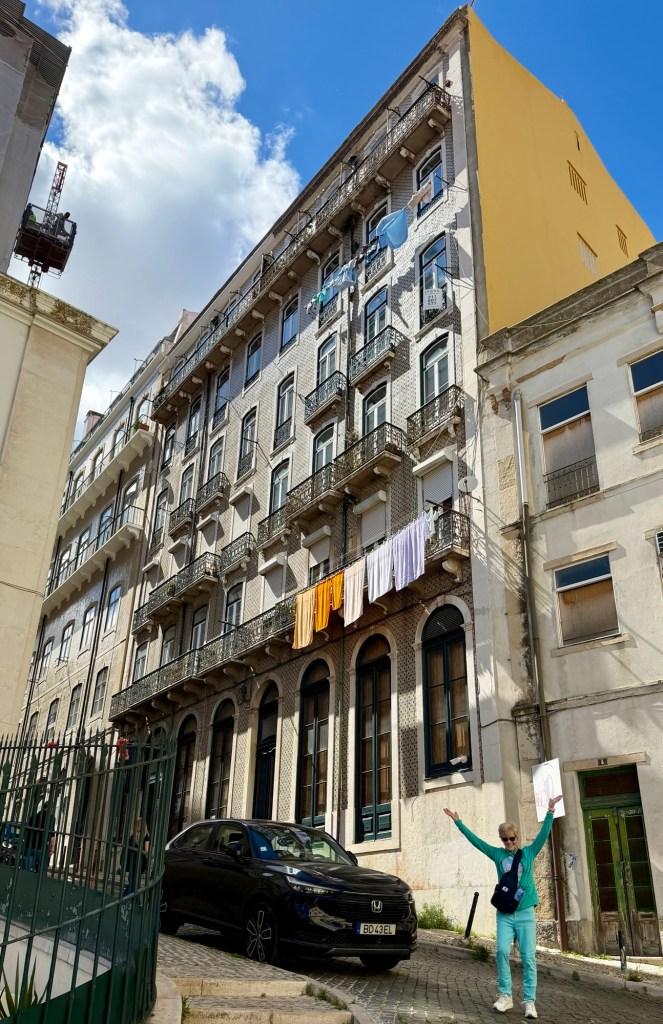
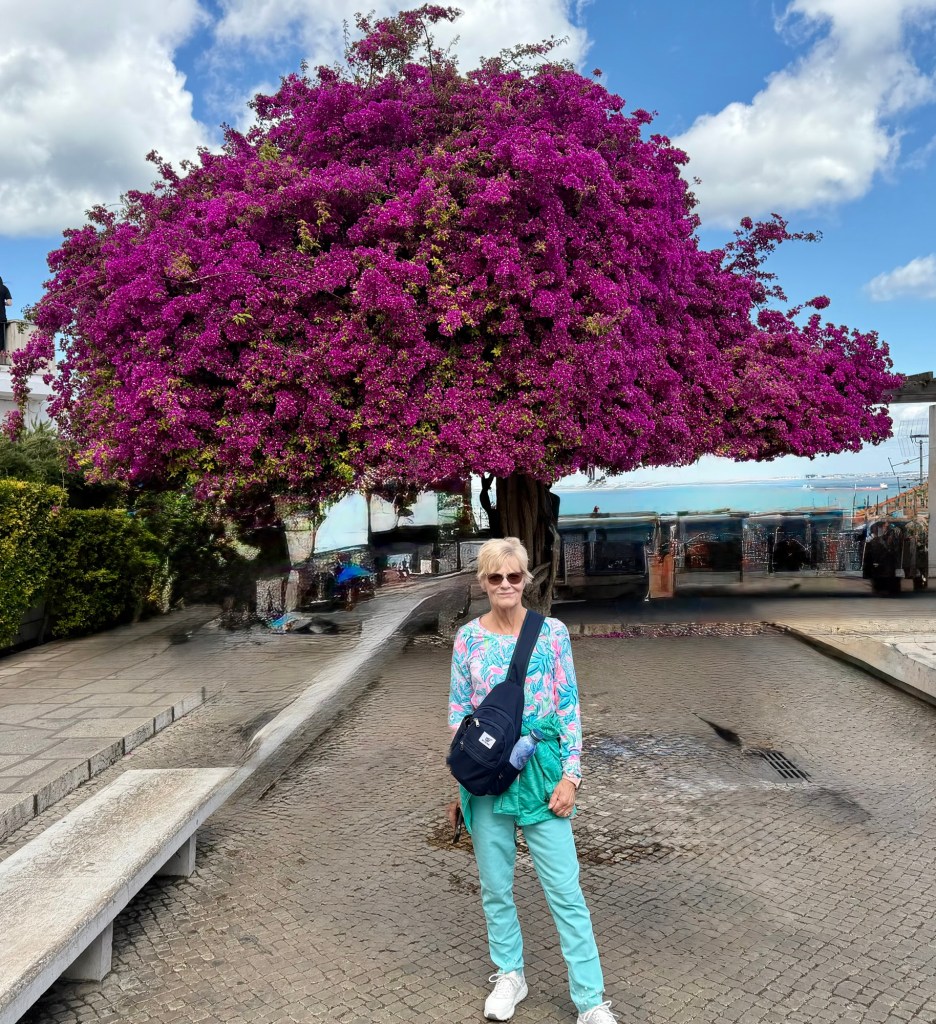
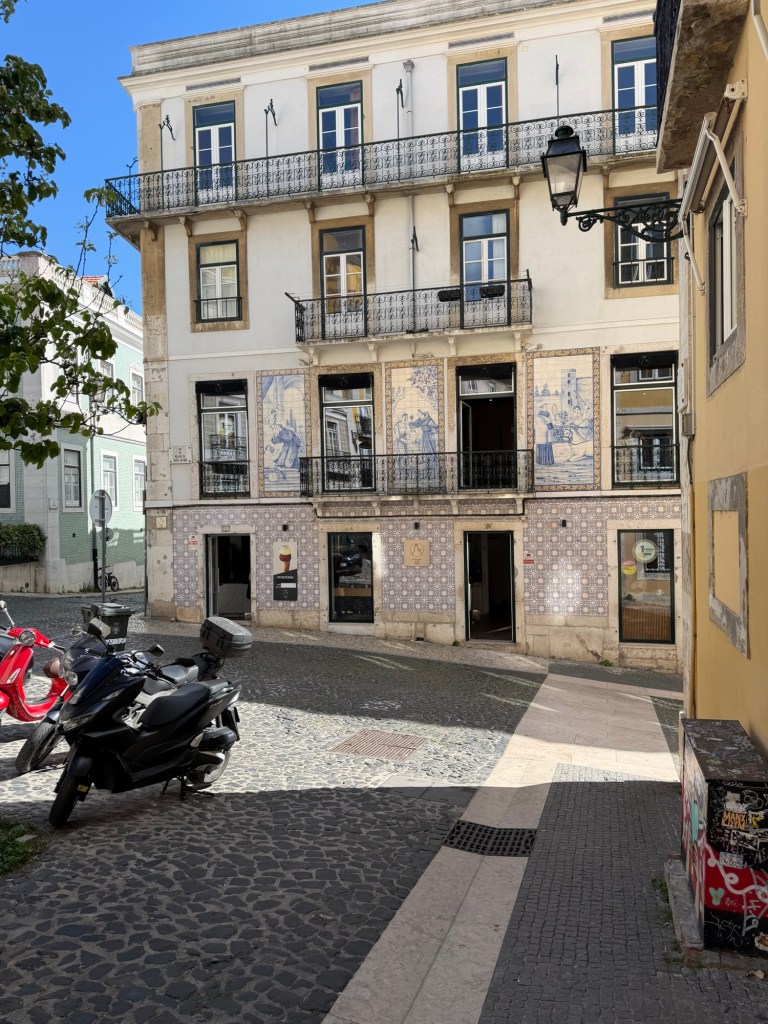
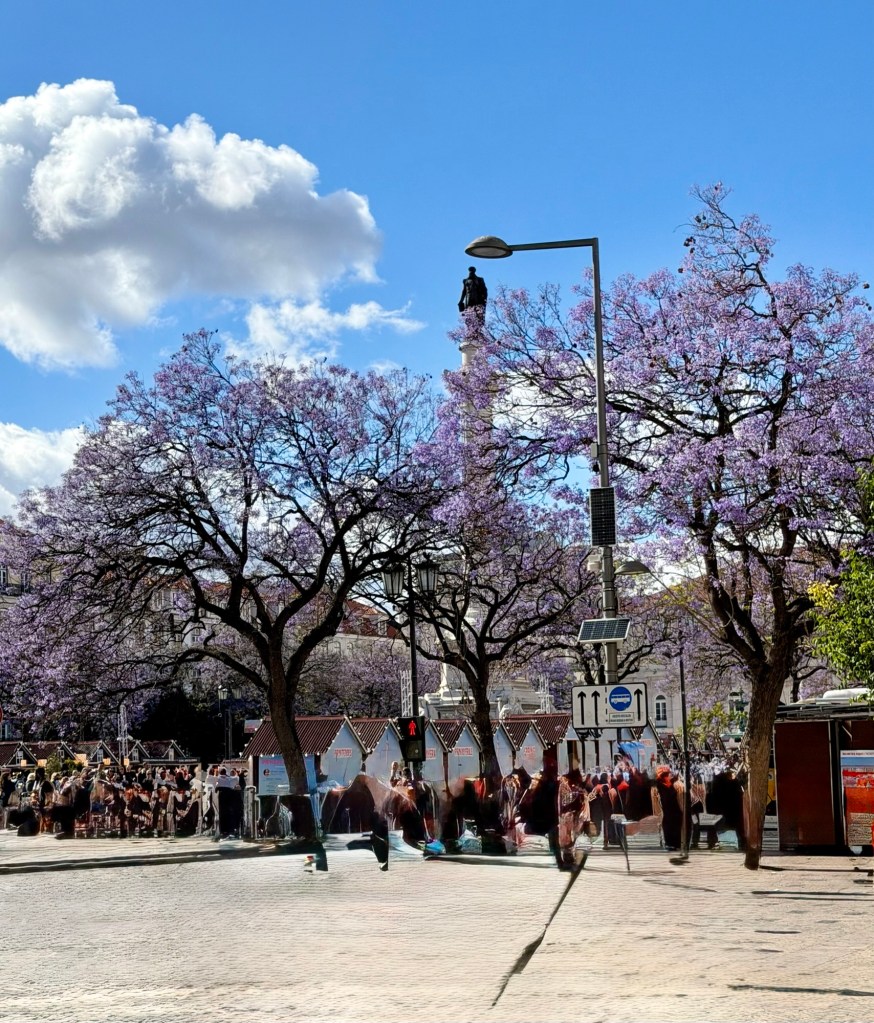
We wandered uphill through the Alfama district, the postcard version of Lisbon: narrow alleys, laundry hanging overhead, tiled buildings, tiny bars, and random scenic overlooks around nearly every corner.

We had one more night of free food and booze on the ship, so, naturally, we took advantage of that after our 5-mile stroll.

Saturday morning, we had to be off the ship by 8:30. The previous afternoon, we had met a random taxi driver and arranged for him to pick us up at the cruise terminal for a four-hour tour to Sintra. Maybe not the safest travel strategy, but we obviously survived.

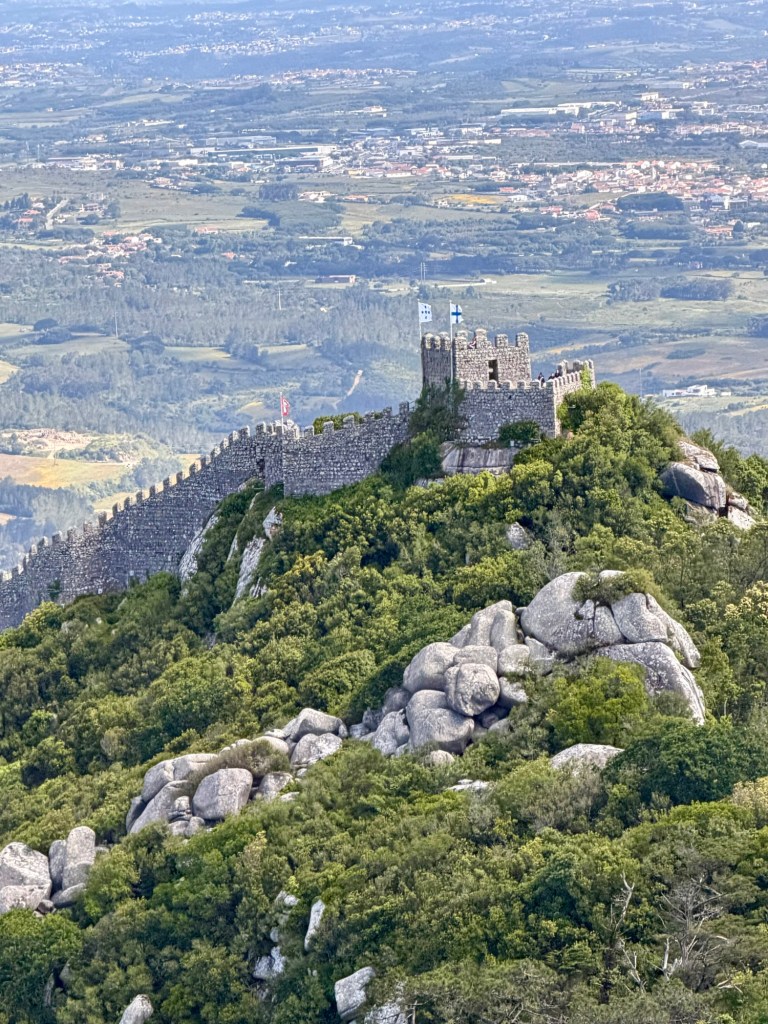
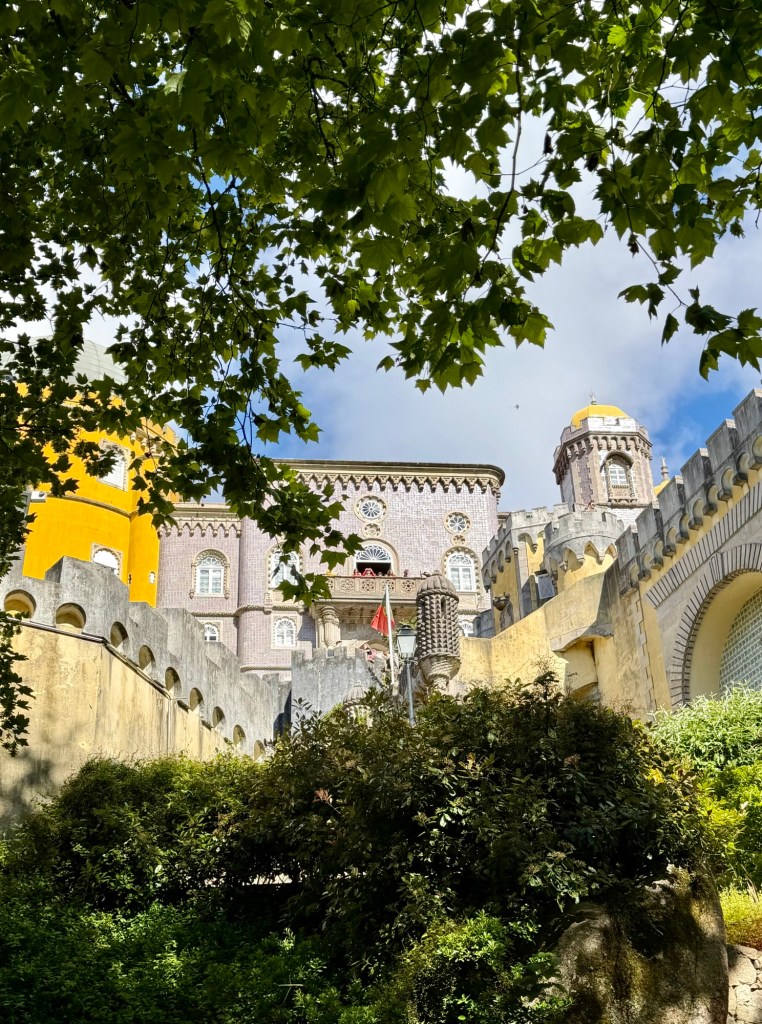
Sintra was the summer escape for Portuguese royalty. For centuries, kings and nobles fled Lisbon’s summer heat for the cooler hills and forests of the region. Think royal playground meets fantasy novel setting.

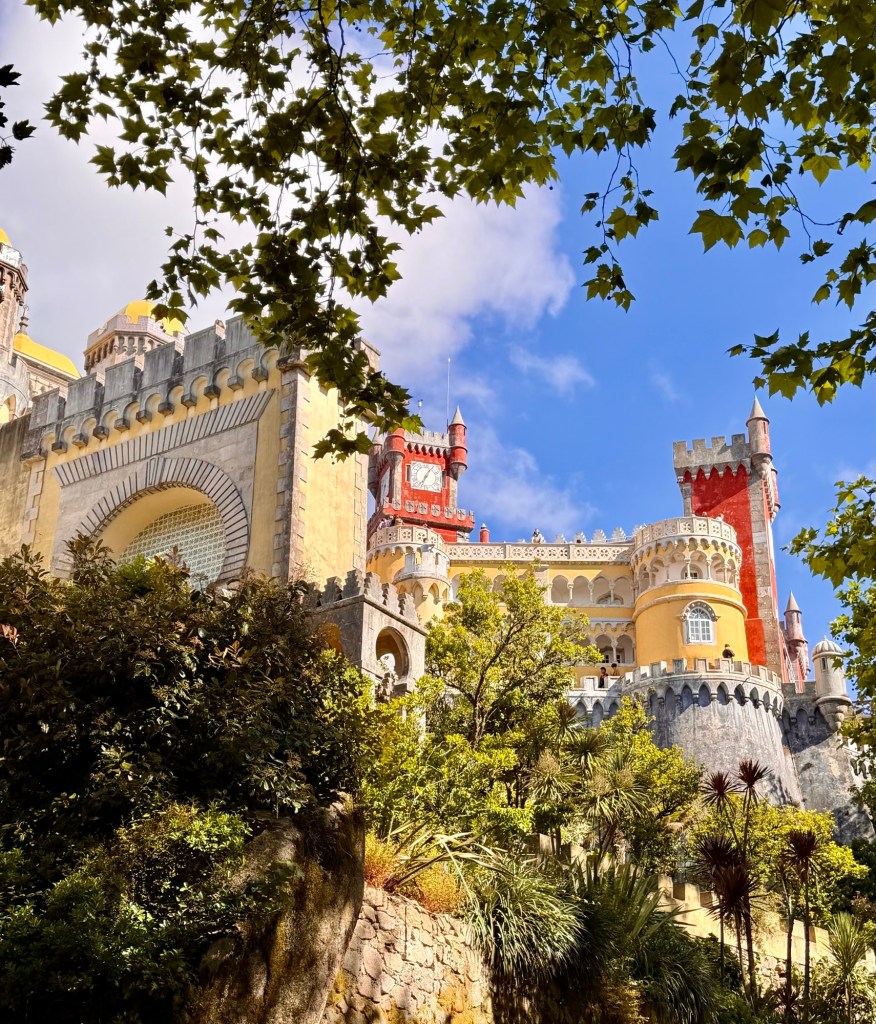
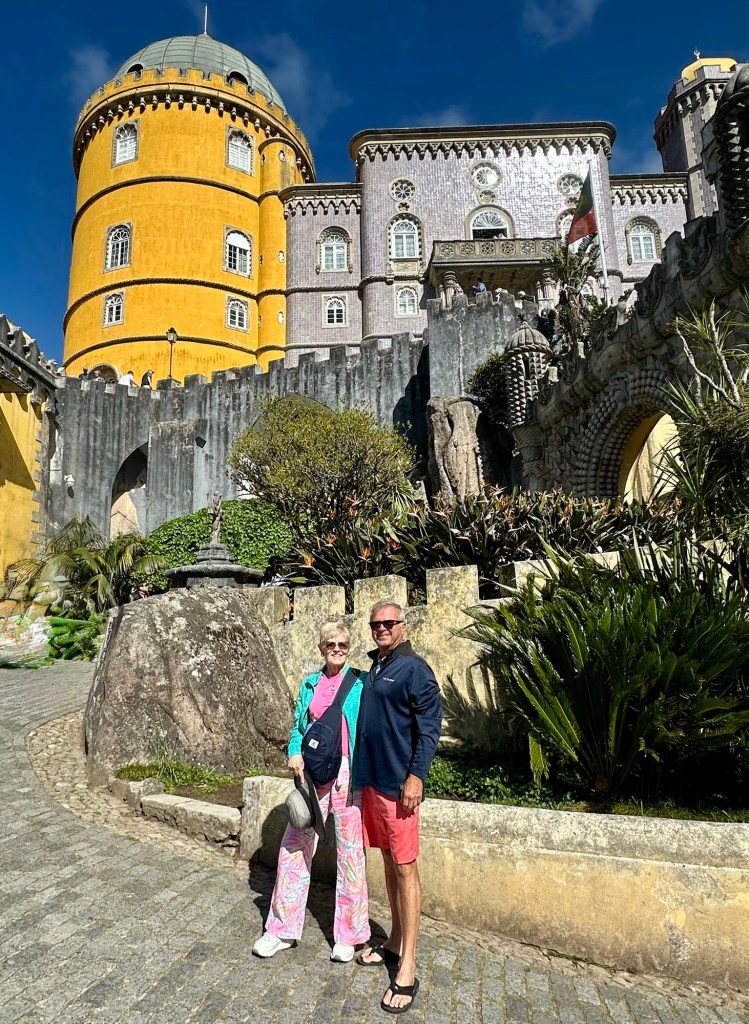
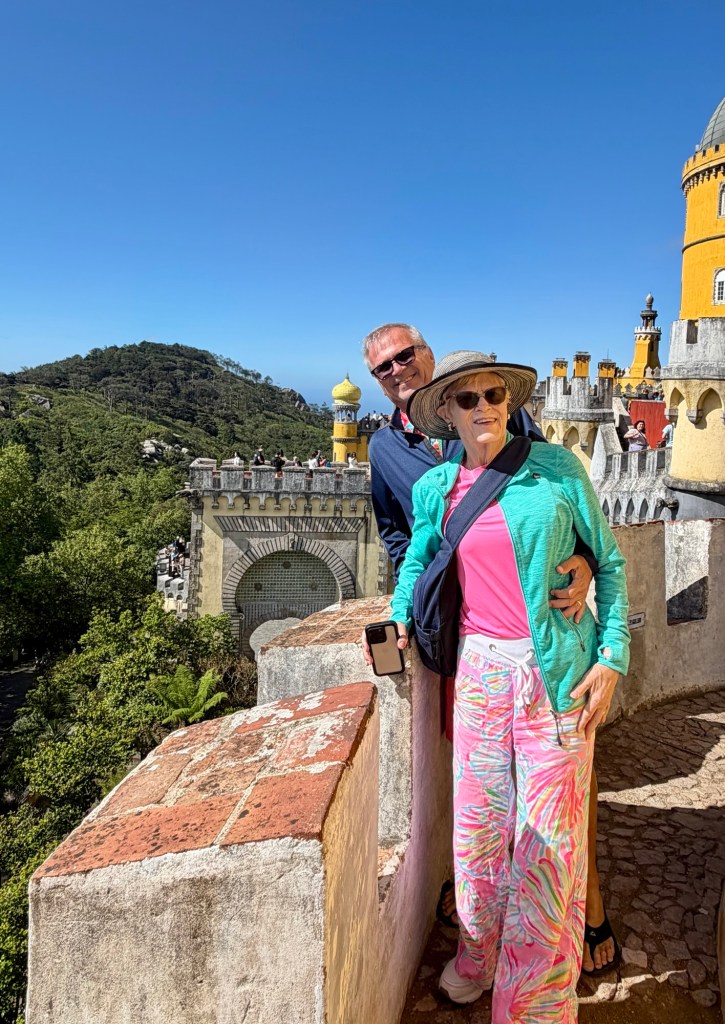
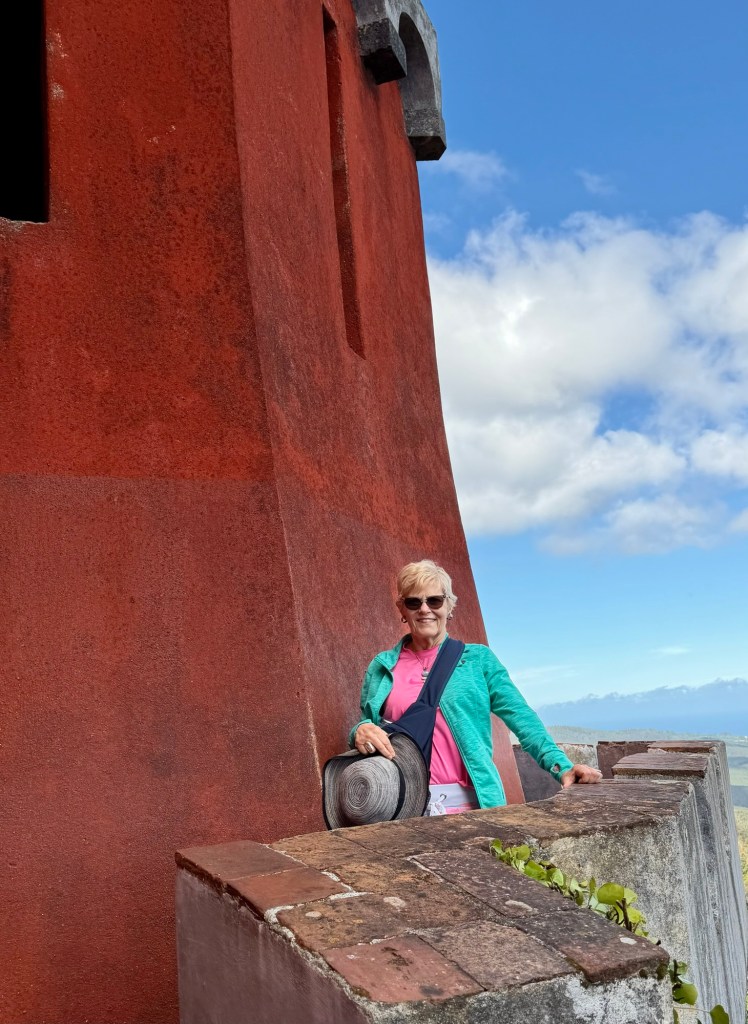
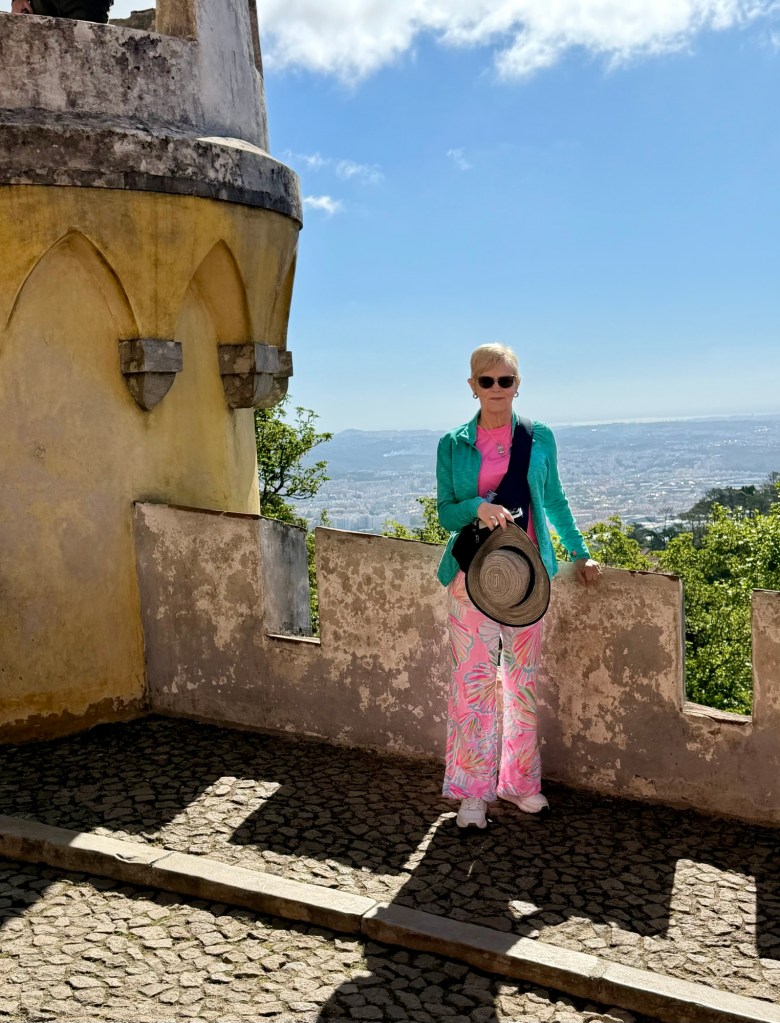
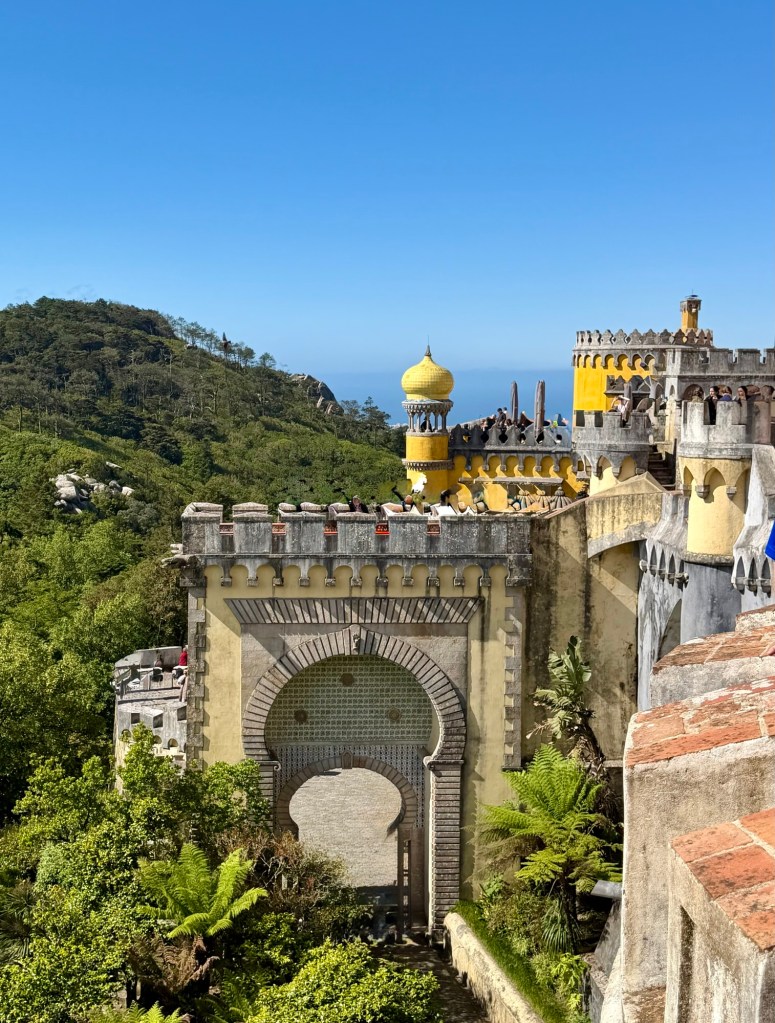
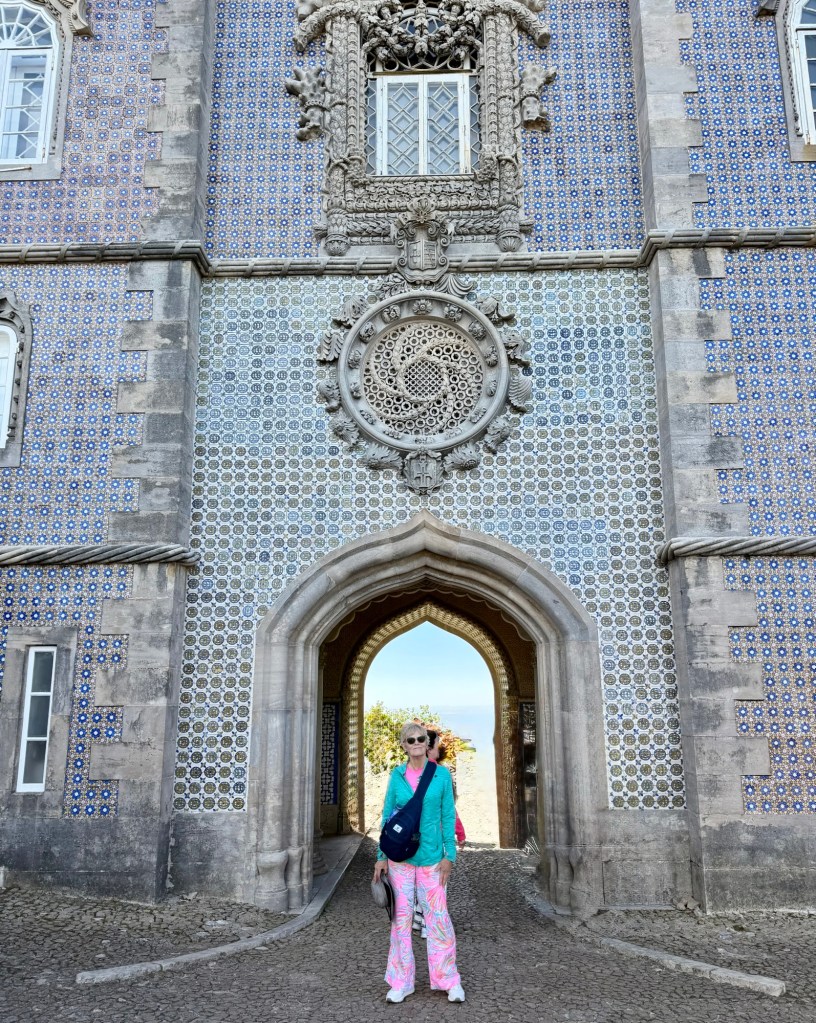
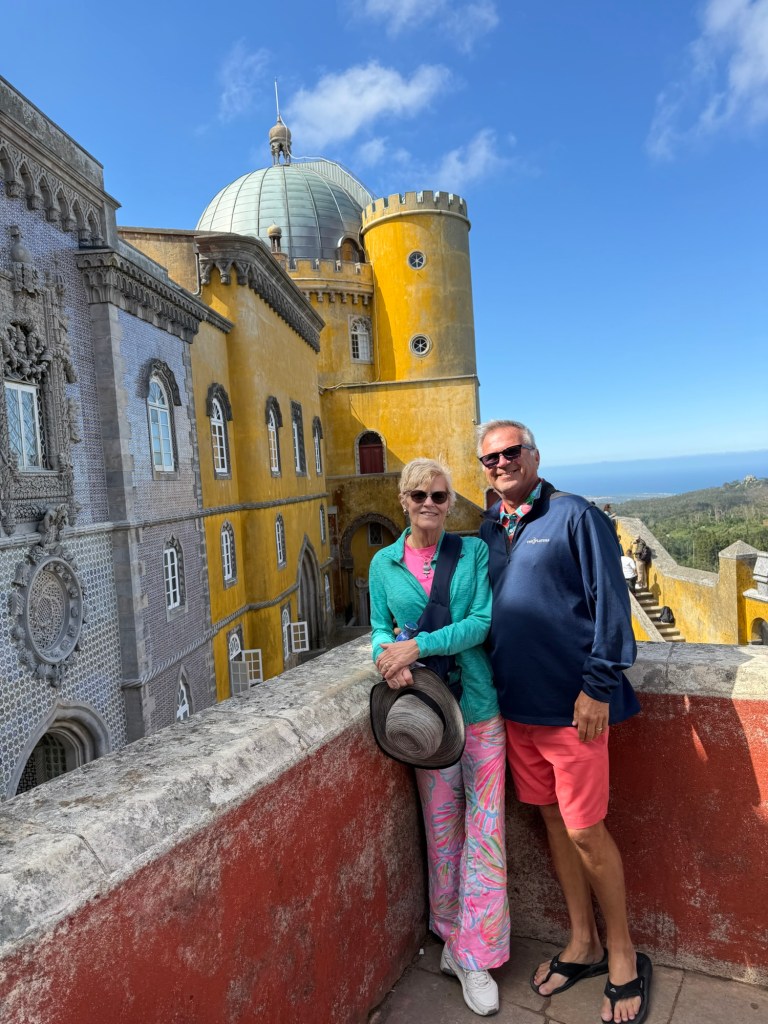
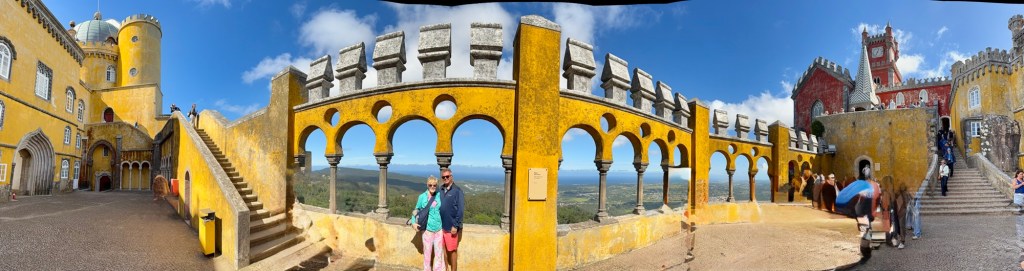
Our first stop was Pena Palace. We didn’t have time to tour the interior, but we walked the terraces and took in the colorful exterior and sweeping viewpoints. If Dr. Seuss had designed a European castle, it might’ve looked something like Pena Palace. The place almost looks fake in person.

We then headed down to the village of Sintra, which poet Lord Byron visited in the early 1800s and described as a “glorious Eden.” That romantic reputation helped make Sintra famous across Europe. It’s also now one of the most overcrowded places in Portugal.

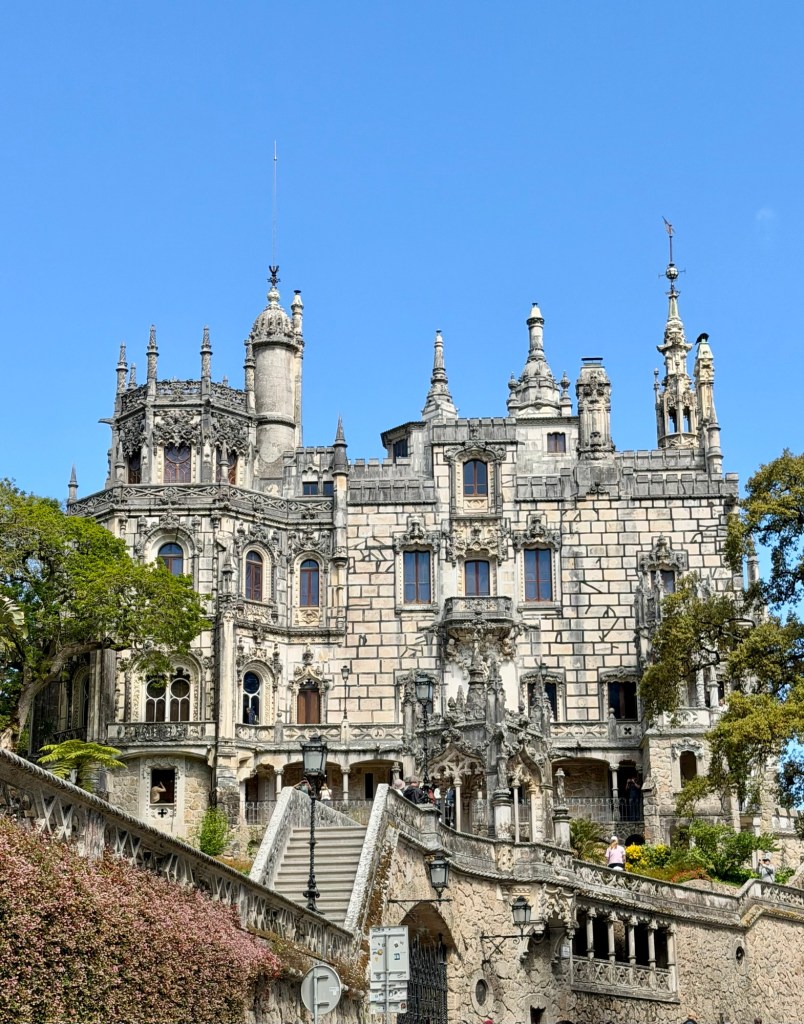
After strolling through town, we made our way to Quinta da Regaleira, considered by many to be the most fascinating estate in Portugal, with underground tunnels, hidden grottoes, spiral wells, and mysterious occult symbolism. Unfortunately, with limited time, we only explored the grounds from the outside.

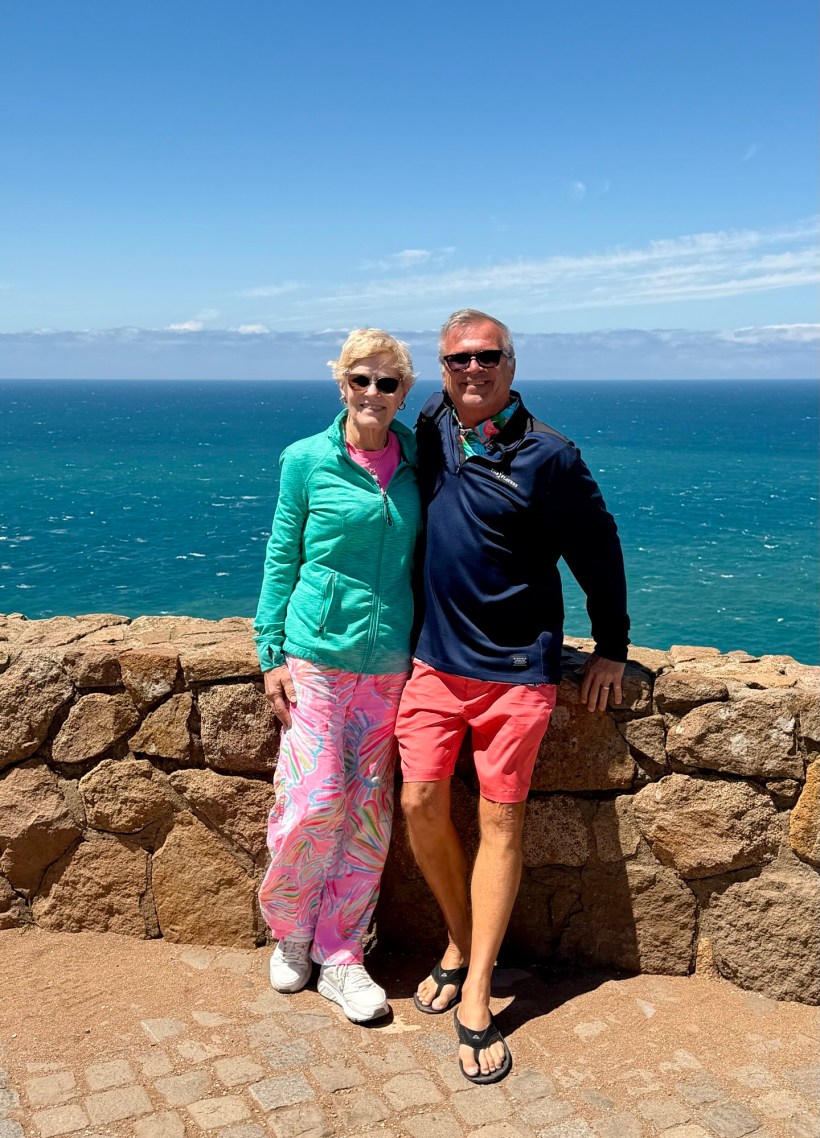
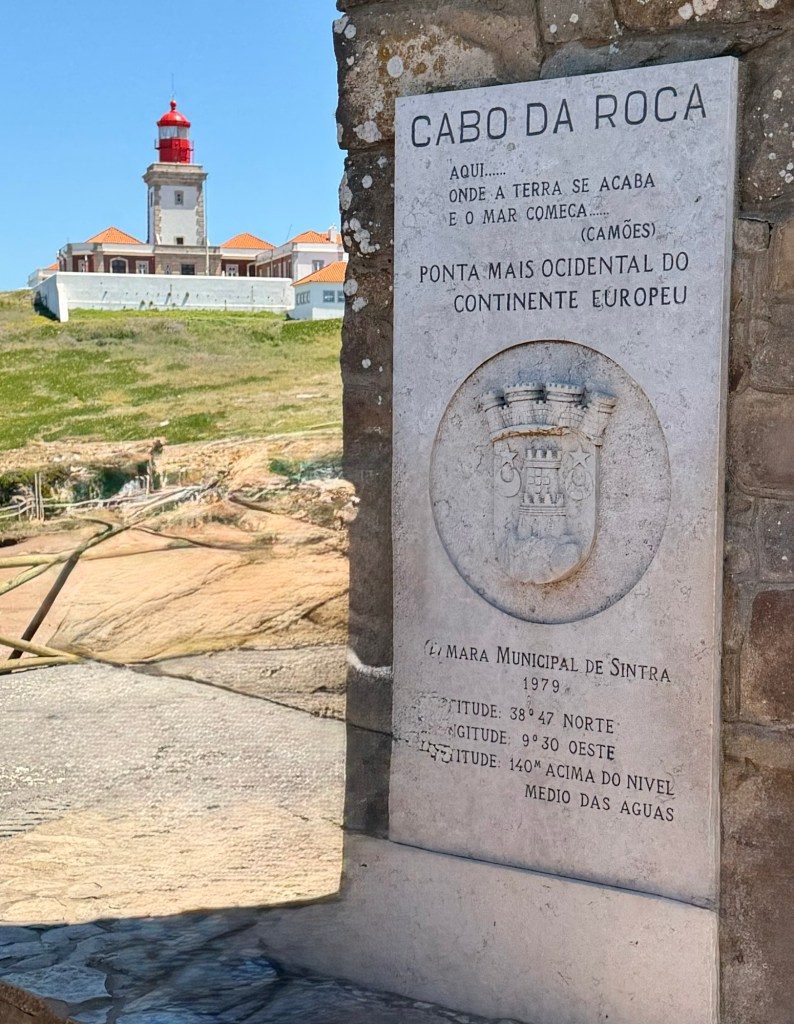
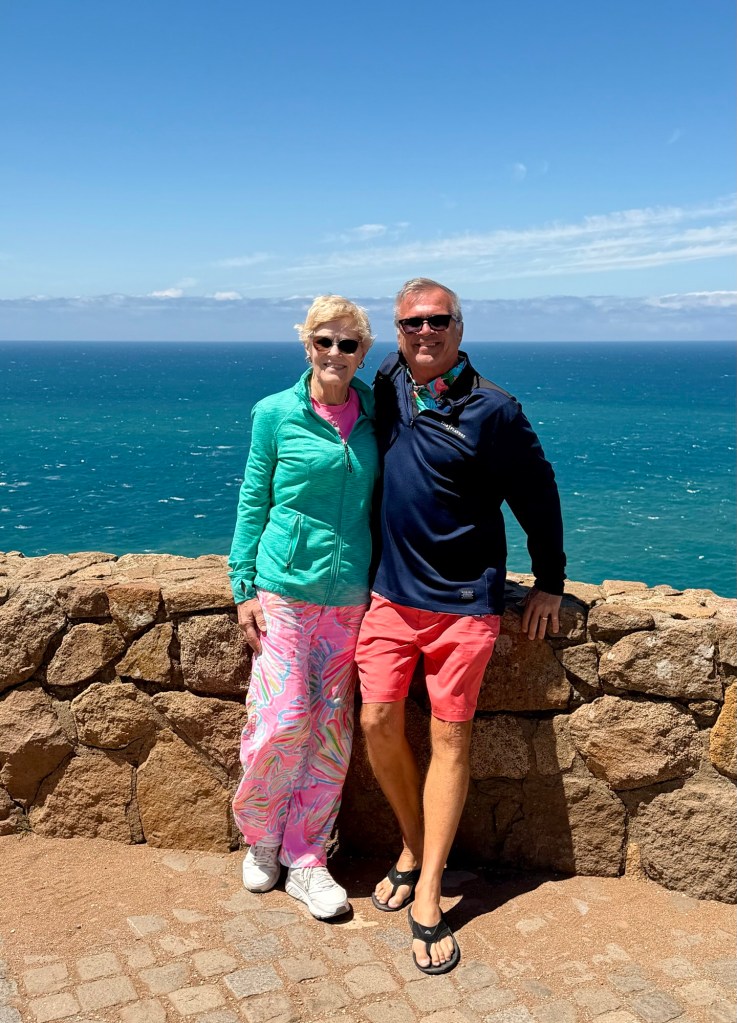
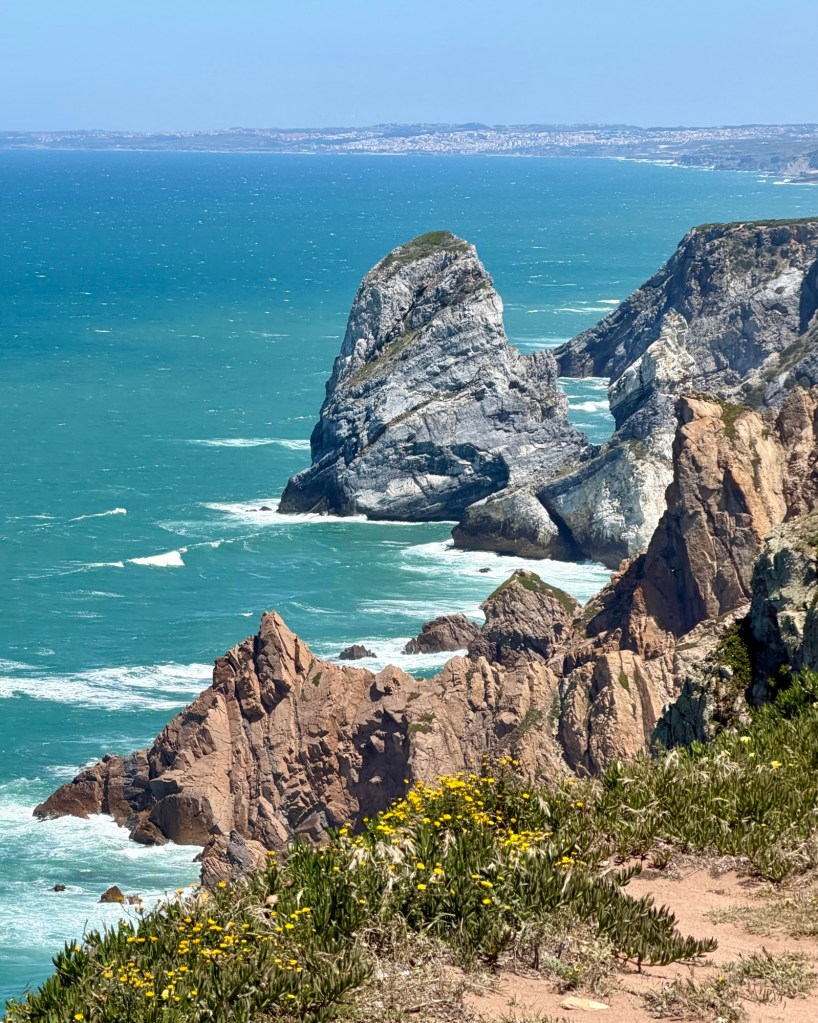
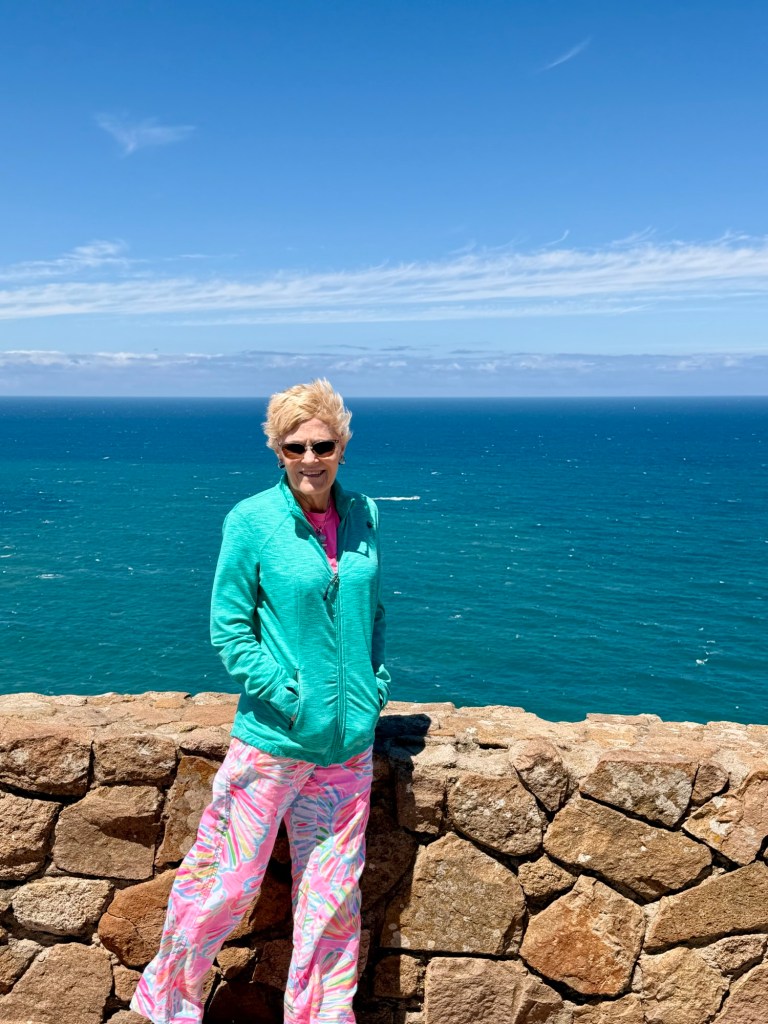
Our final stop was Cabo da Roca, the westernmost point of mainland Europe.

“Where the land ends and the sea begins.”

The cliffs were stunning. The wind was ridiculous. But there’s something about standing at the edge of a map that feels pretty cool.

We definitely didn’t spend enough time in the Lisbon area. Sintra alone deserves a full day. Lisbon is fun, unique, and easily worth at least two or three days.

Tomorrow we head to Porto for another quick stop. Over the next couple of weeks, we’ll be visiting some of my favorite towns from the Camino.

Should be fun.

Come along.

Just Pete.

Azores

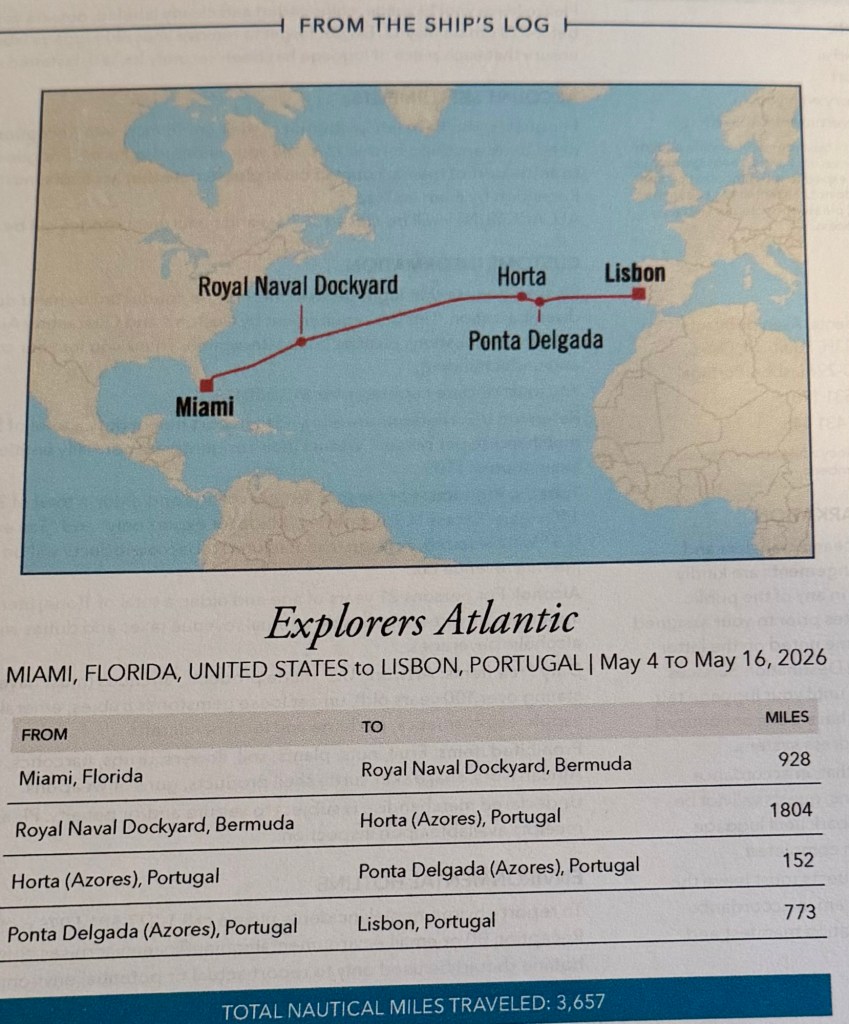
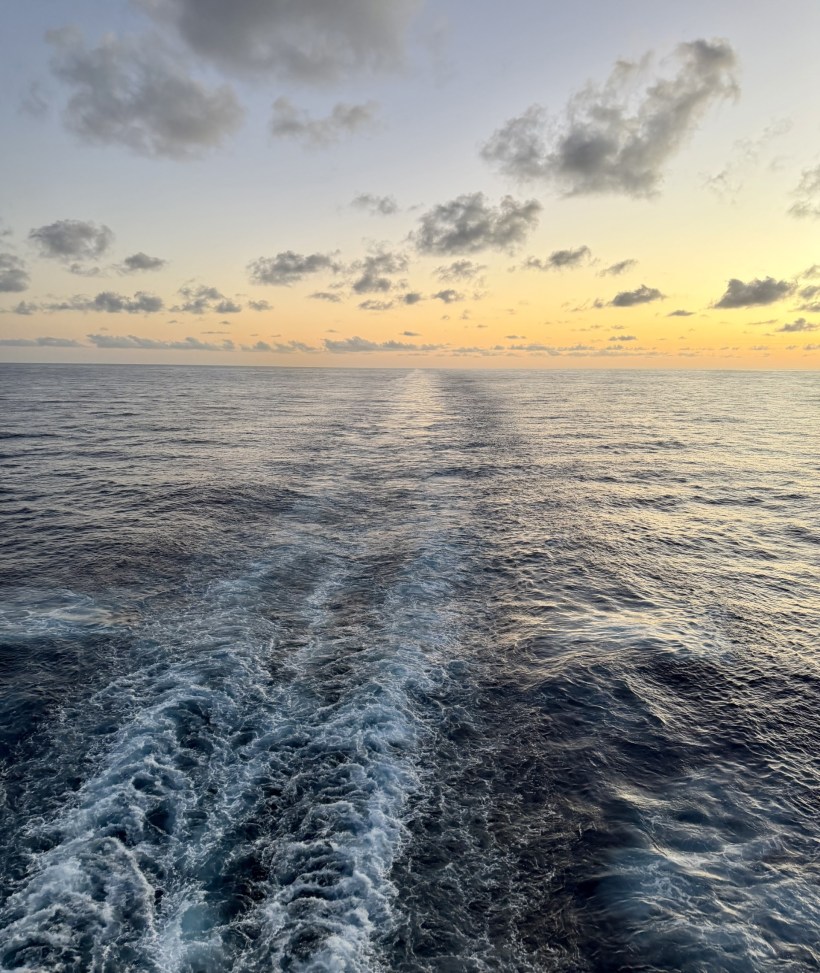
After leaving Bermuda, we spent four days and five nights crossing the Atlantic. That’s a long stretch at sea, but Kris and I don’t mind as long as the ocean behaves itself. Besides, cruise ships make suffering manageable with unlimited food, booze, and entertainment.

Our destination was the Azores, a Portuguese archipelago in the middle of the Atlantic Ocean. Technically part of Europe, the islands sit about 900 miles west of Portugal and roughly halfway between Europe and North America. Because of that location, they were an important stop for ships crossing the Atlantic for centuries.

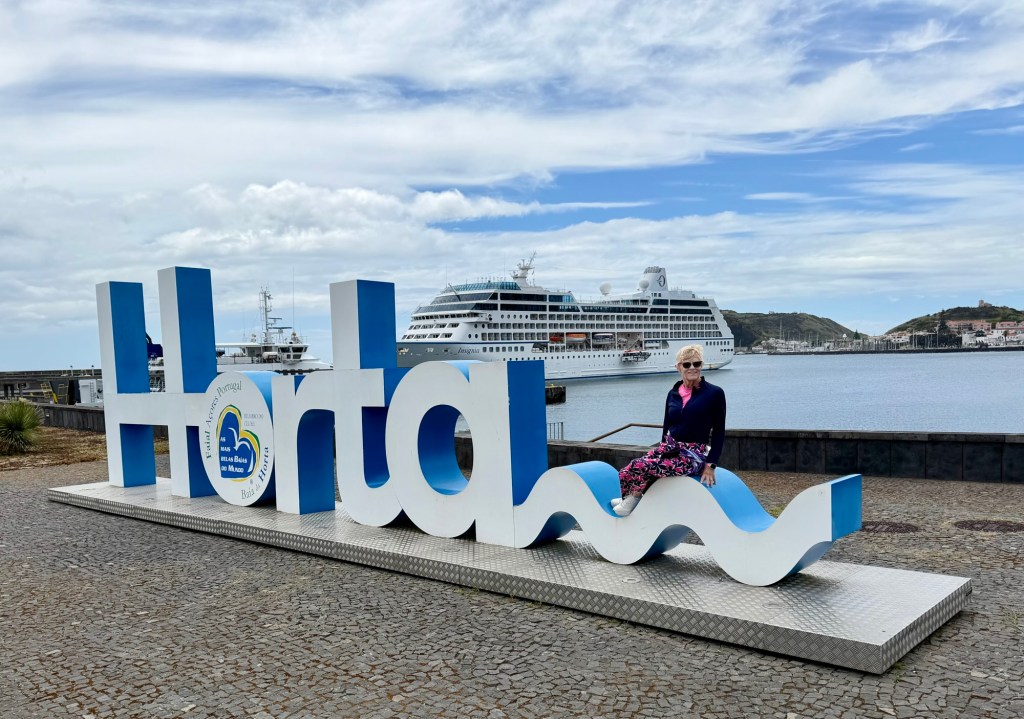
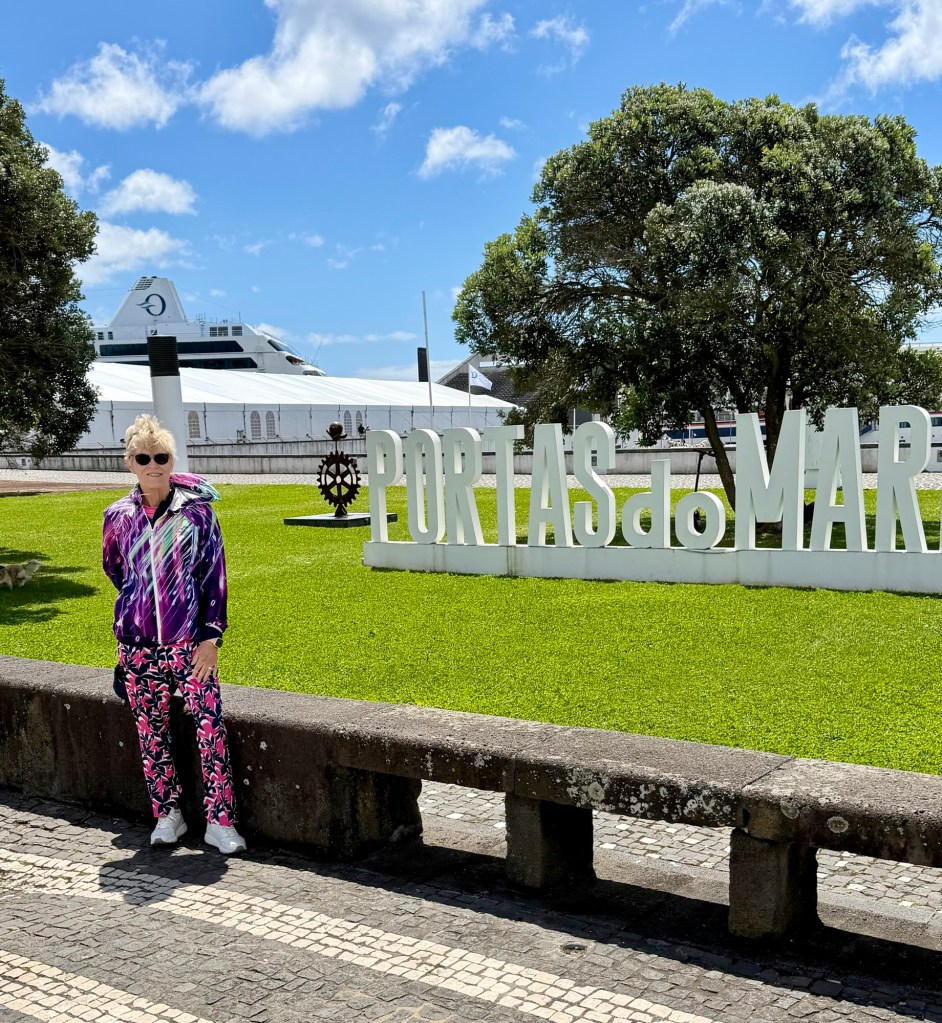
Our first stop was the island of Faial and the port city of Horta, one of the most famous sailing stops in the North Atlantic.

Horta has long been considered an iconic transatlantic sailing port. There’s even an old sailor superstition that boats skipping Horta have bad luck crossing the Atlantic. Whether that’s true or not… sailors don’t mess around with ocean karma.

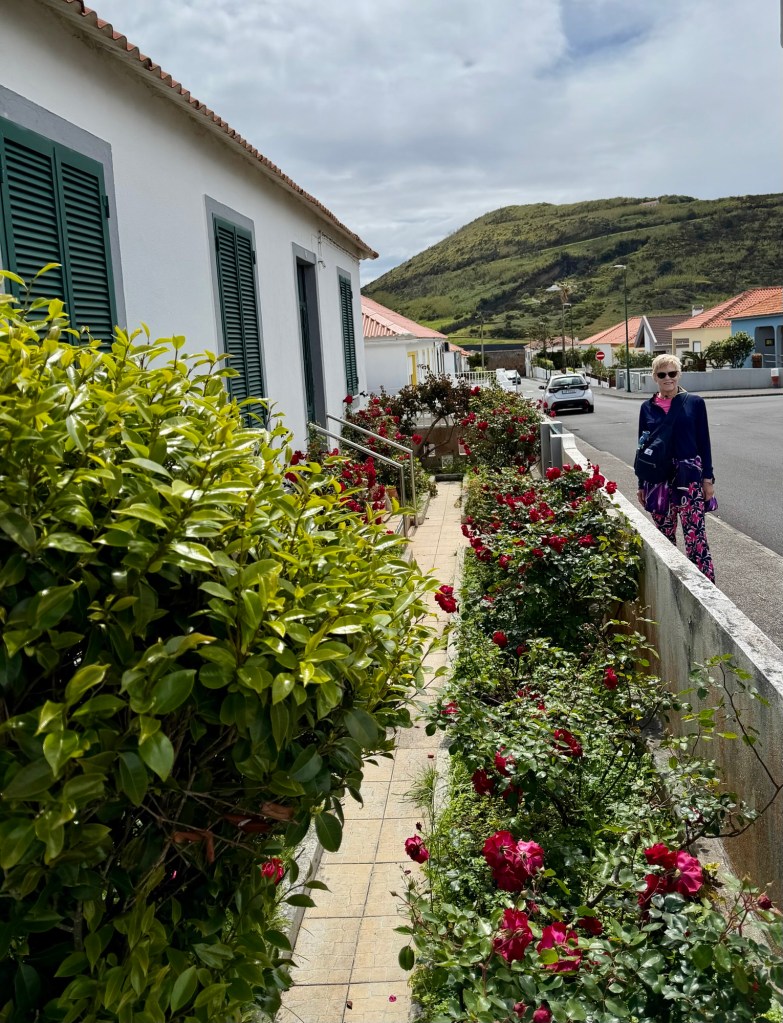
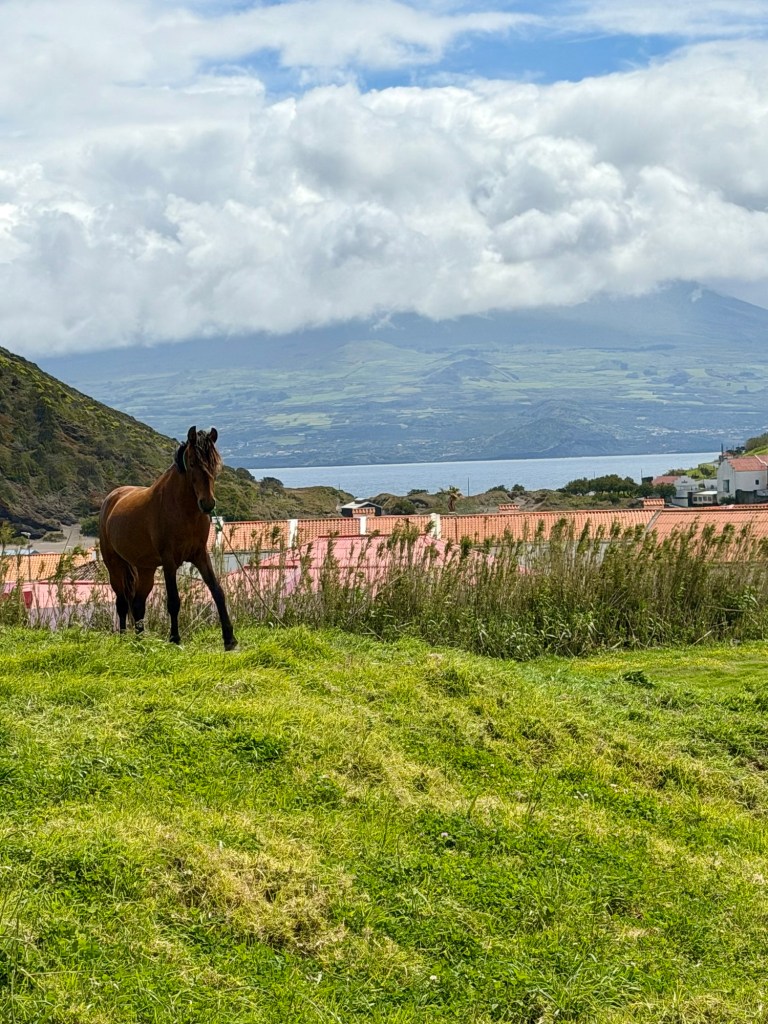
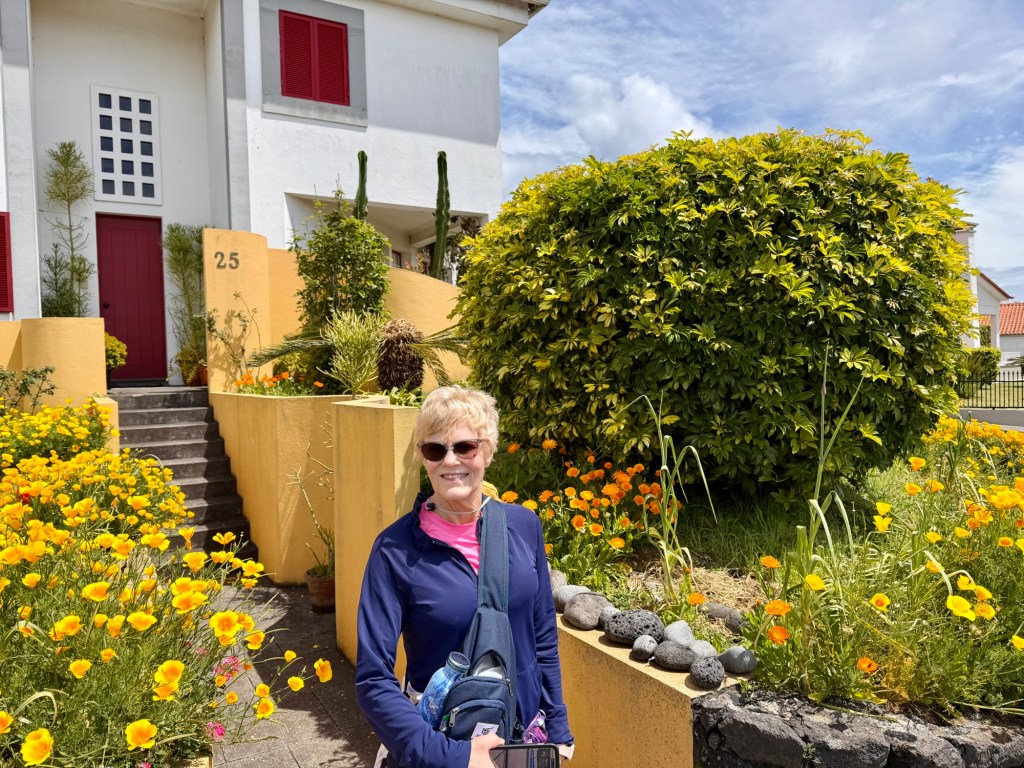
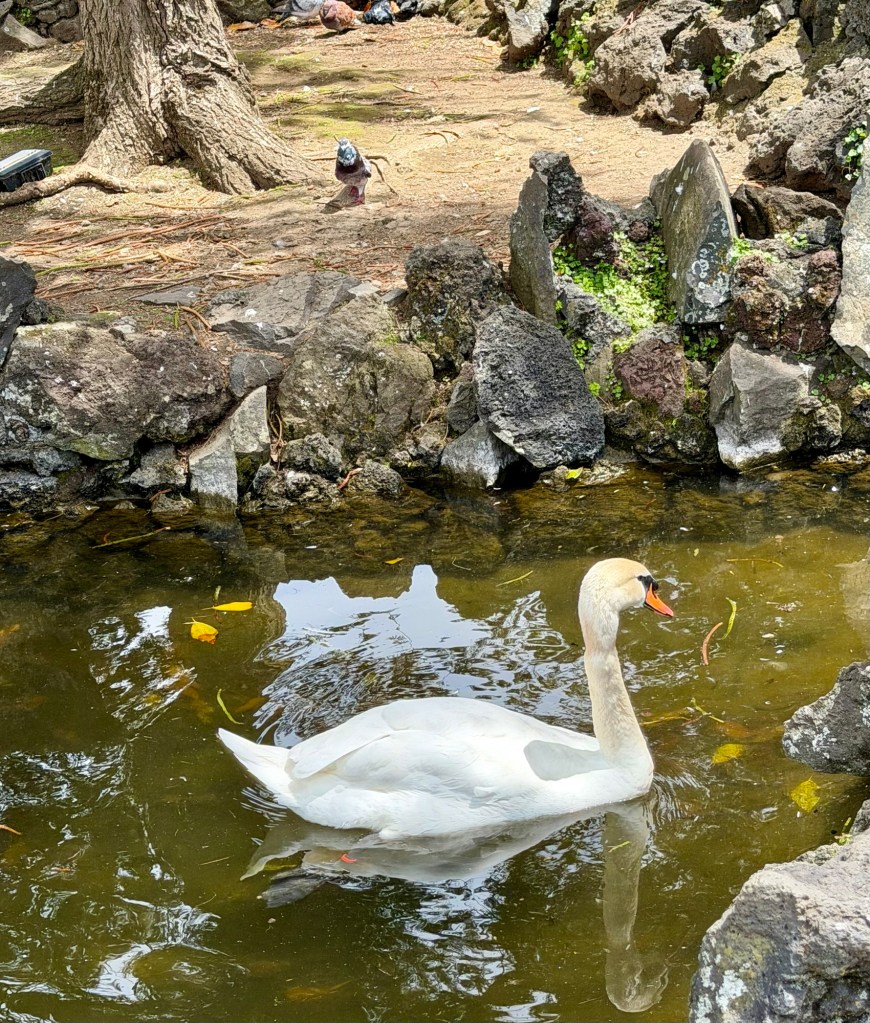
We spent the day wandering the marina and town on a self-guided walking tour. Plenty of flowers, greenery, and ocean views.

Later that afternoon, we set out for São Miguel Island, the largest and most populated island in the Azores. The next morning we woke up in the beautiful harbor city of Ponta Delgada.

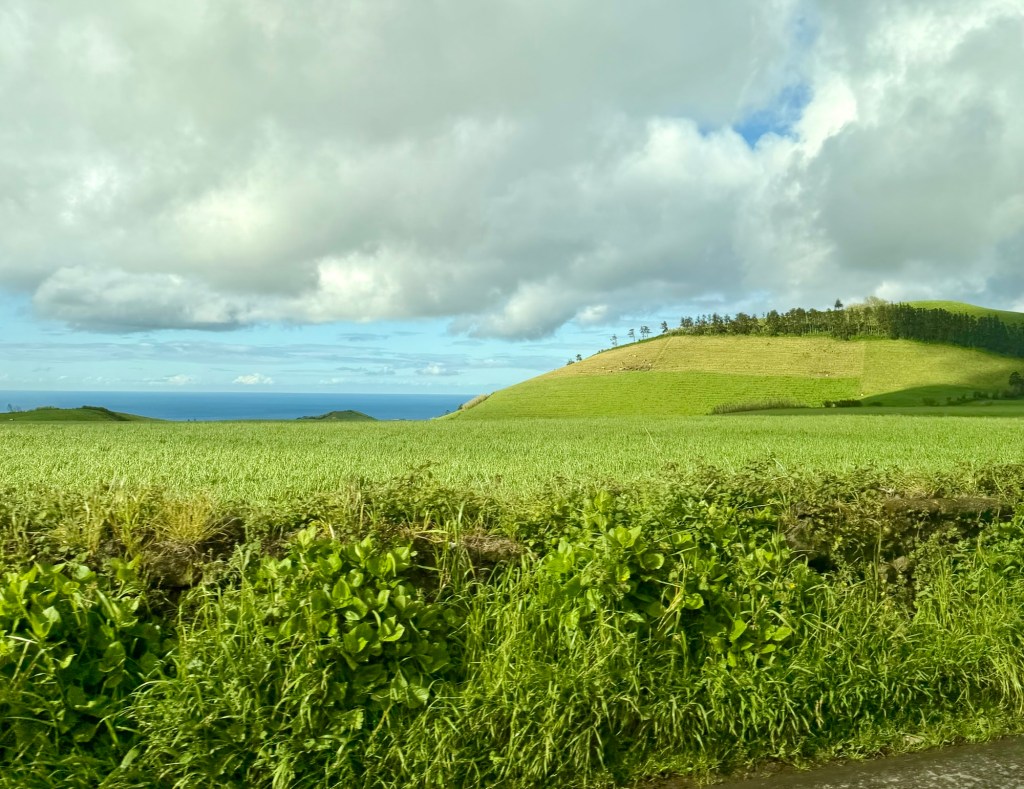
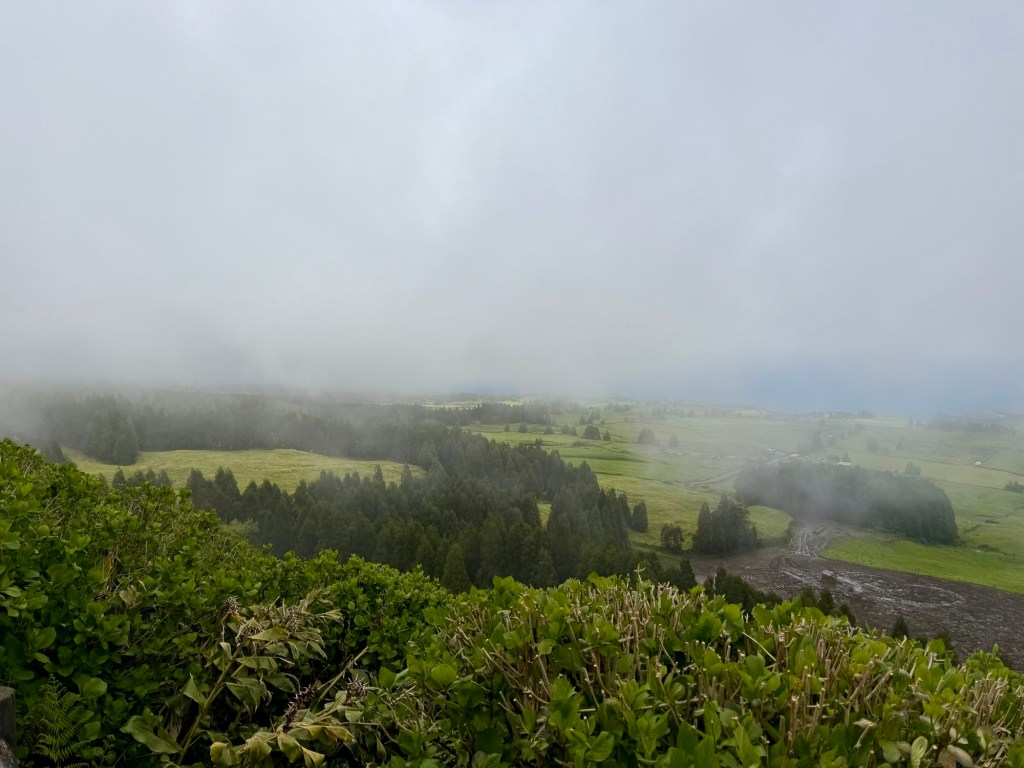
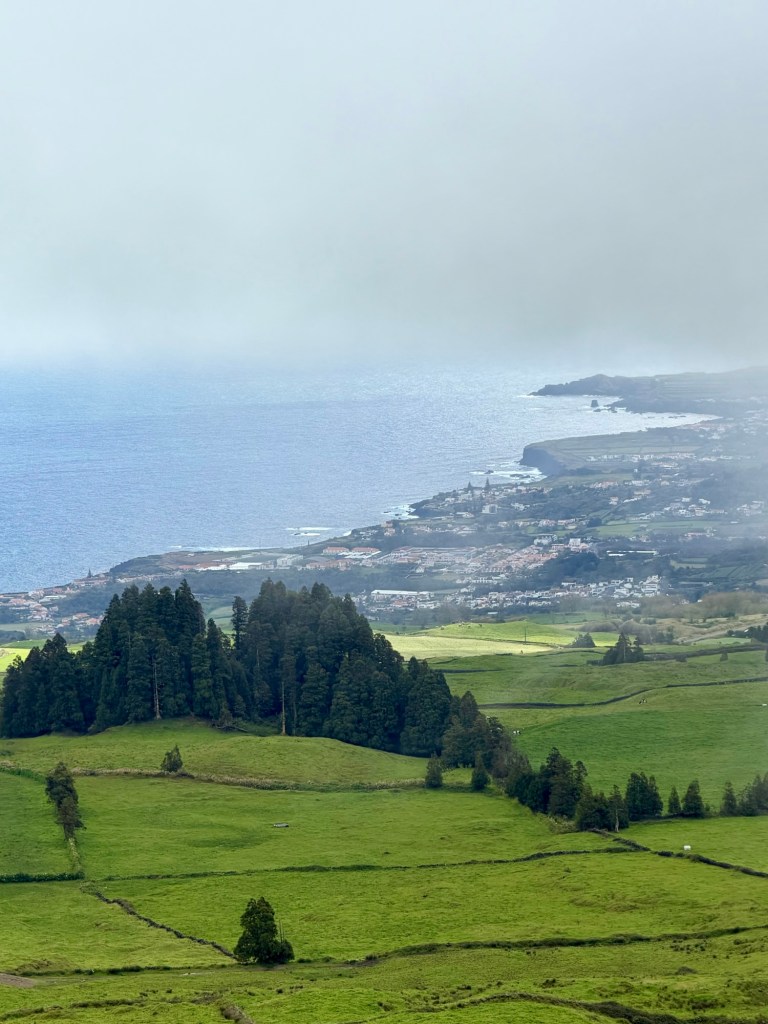
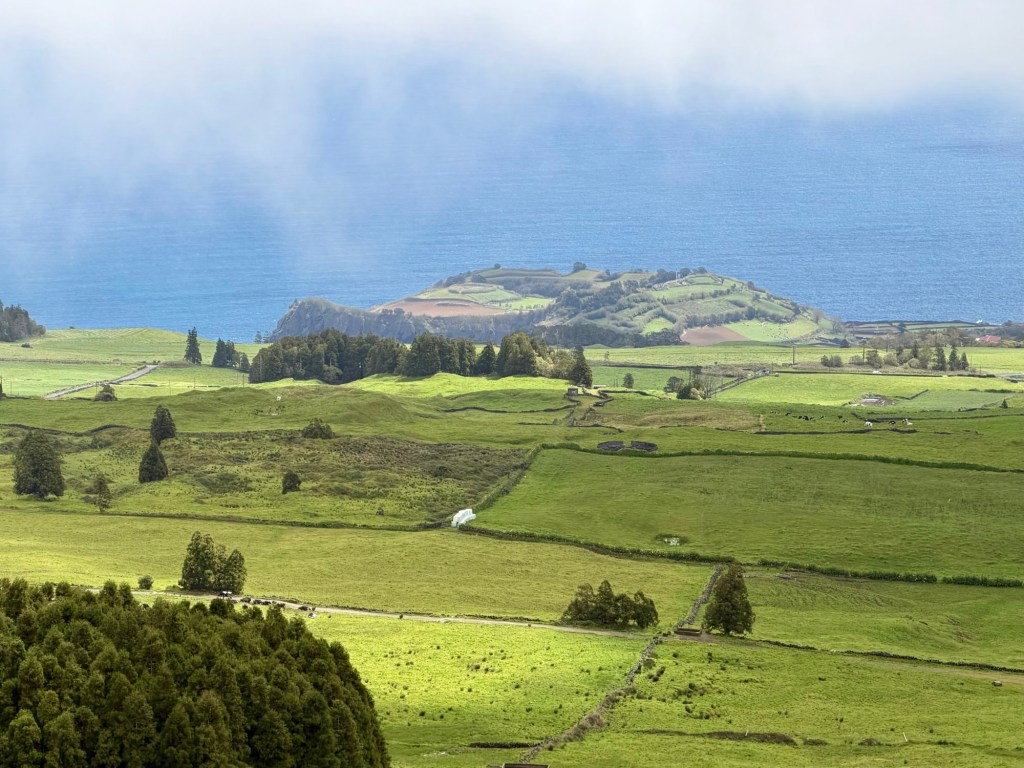
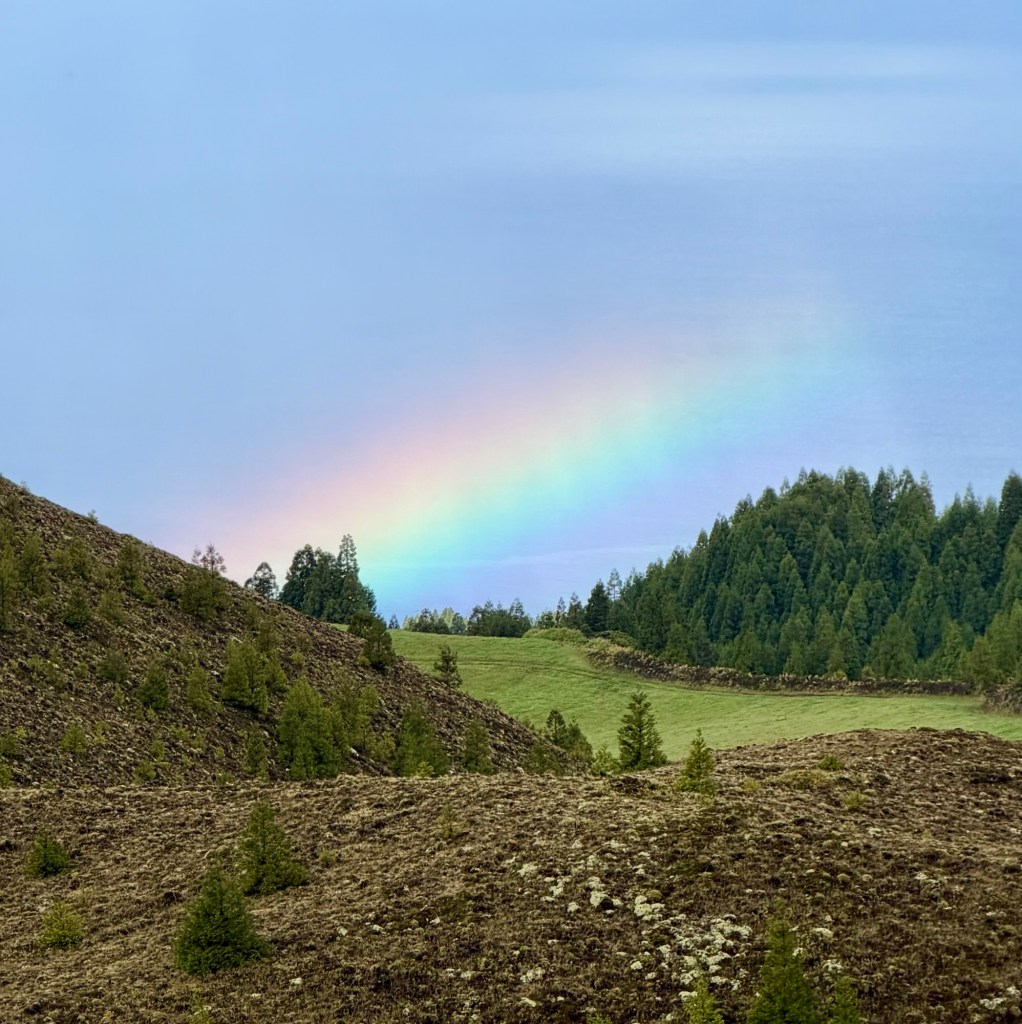
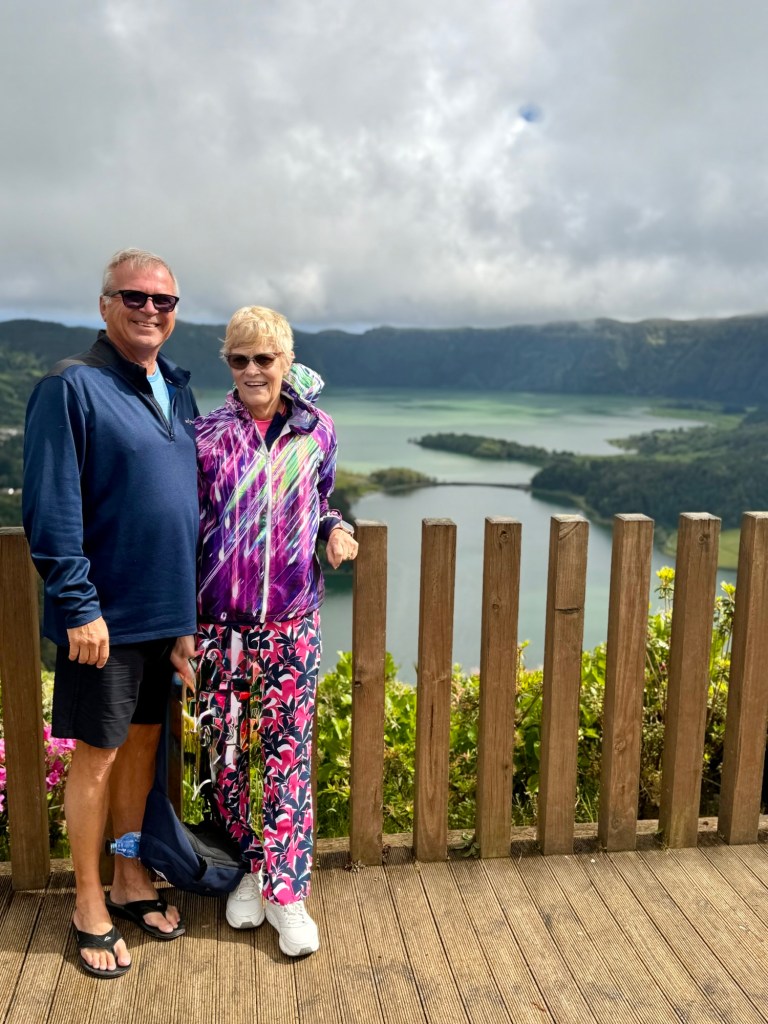
After getting off the ship, we hired a driver to take us across the island to the village of Sete Cidades. That meant crossing a volcanic mountain range to the other side of the island. Along the way, we experienced sun, rain, fog, wind, and blue skies. All before lunch.

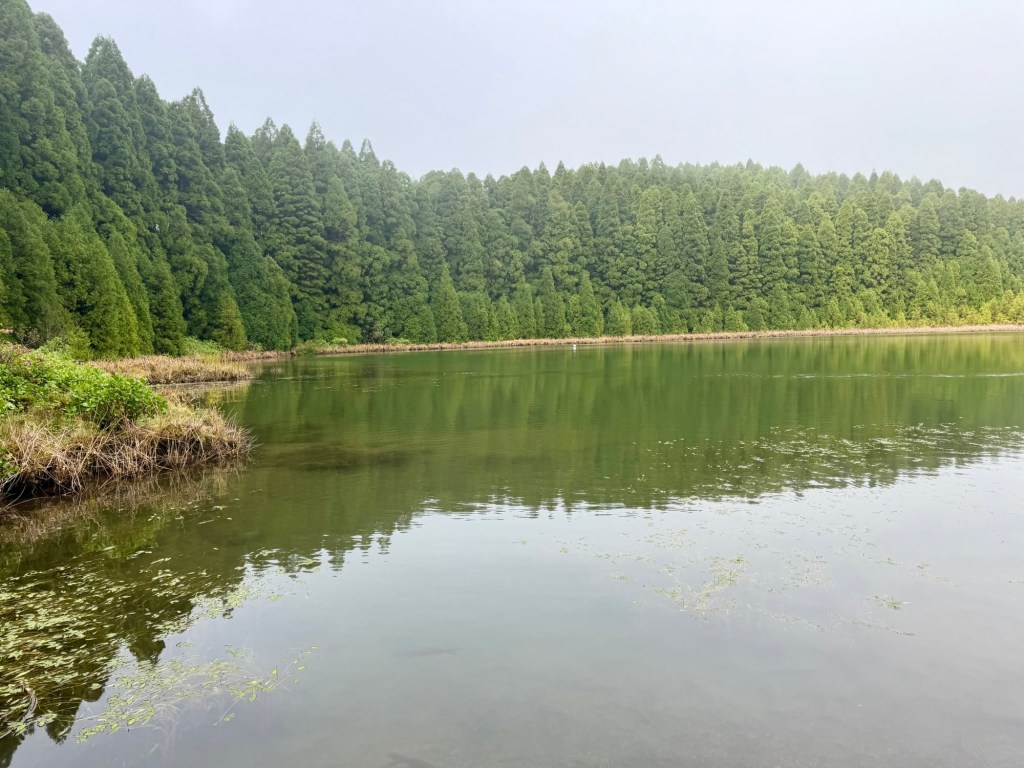
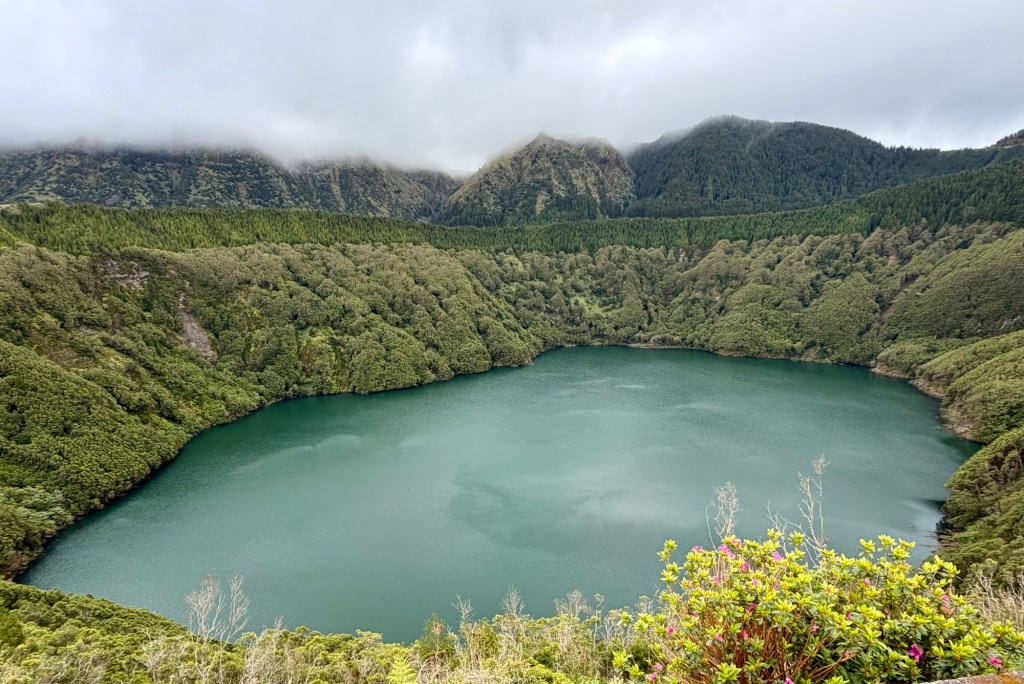
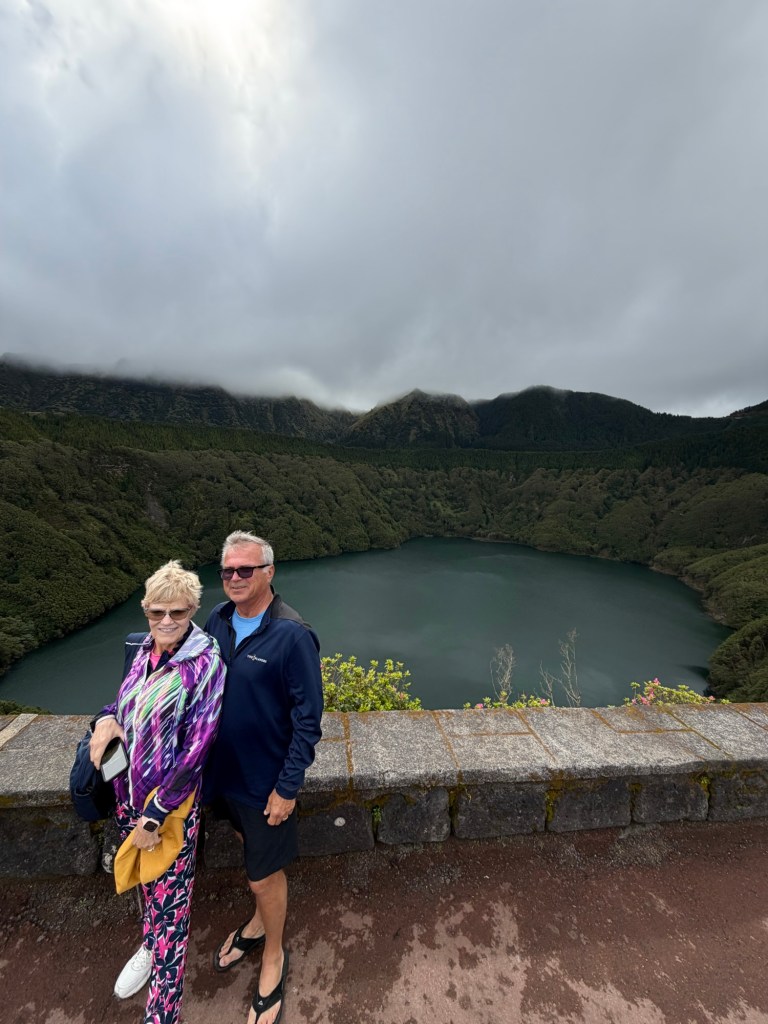
The Azores are volcanic islands, and São Miguel is known for its crater lakes.

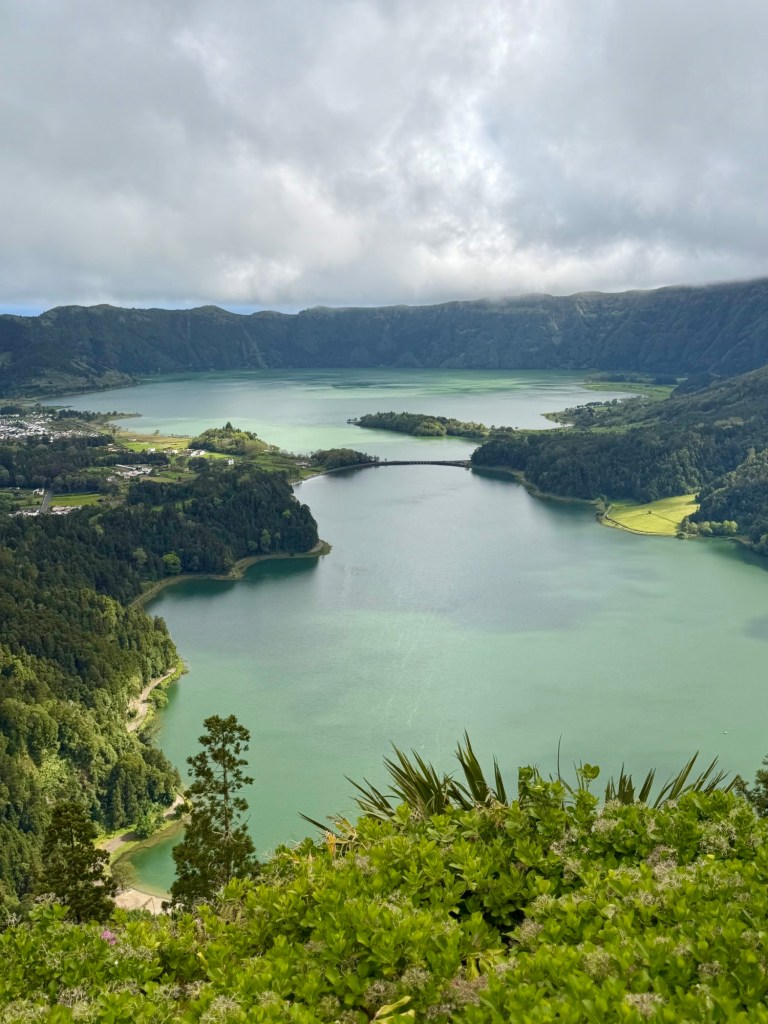
The most famous are the twin lakes at Sete Cidades. Years ago, the lakes were known for their distinct blue and green colors, although the contrast has faded over time. According to legend, the lakes were formed from the tears of separated lovers: one blue-eyed and one green-eyed. Romantic… and very Portuguese.

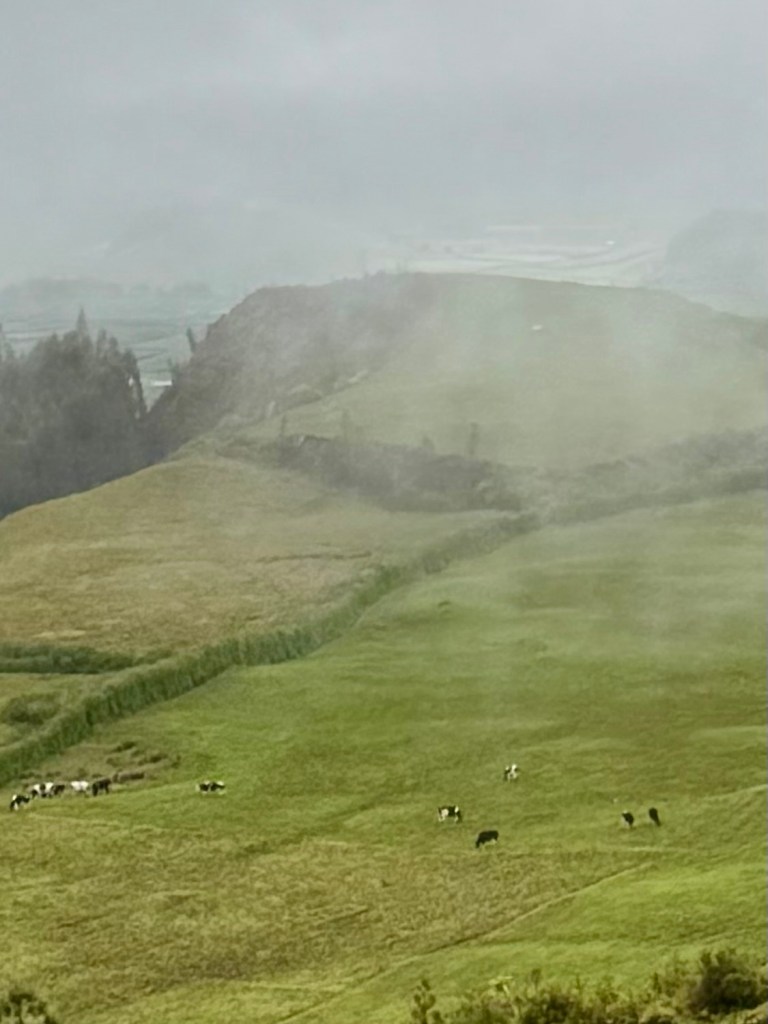
The island’s human population is around 160,000. The cow population? Roughly double that.

Most of them are dairy cattle, and one of the more unusual sights is the pasture fencing. In many places, the “fences” are actually hydrangea hedges. Apparently, there’s something about the plants the cows avoid. The hydrangeas also grow naturally along roads and hillsides. Unfortunately, they weren’t blooming this time of year, but when they do, the island is supposed to be spectacular.

The Azores were stunning. Some people call them the most underrated destination in Europe. After visiting, I can see why.

Next stop… Lisbon.

Bon voyage.

All Aboard

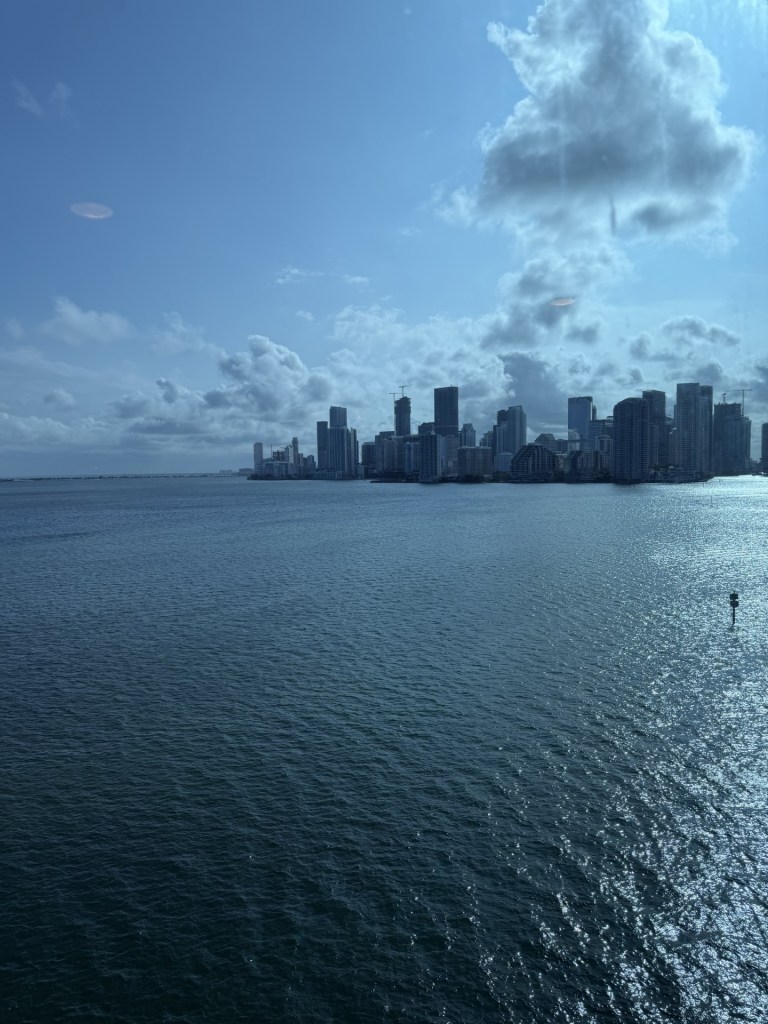
We boarded the Insignia in Miami on May 4 and set sail for Lisbon.

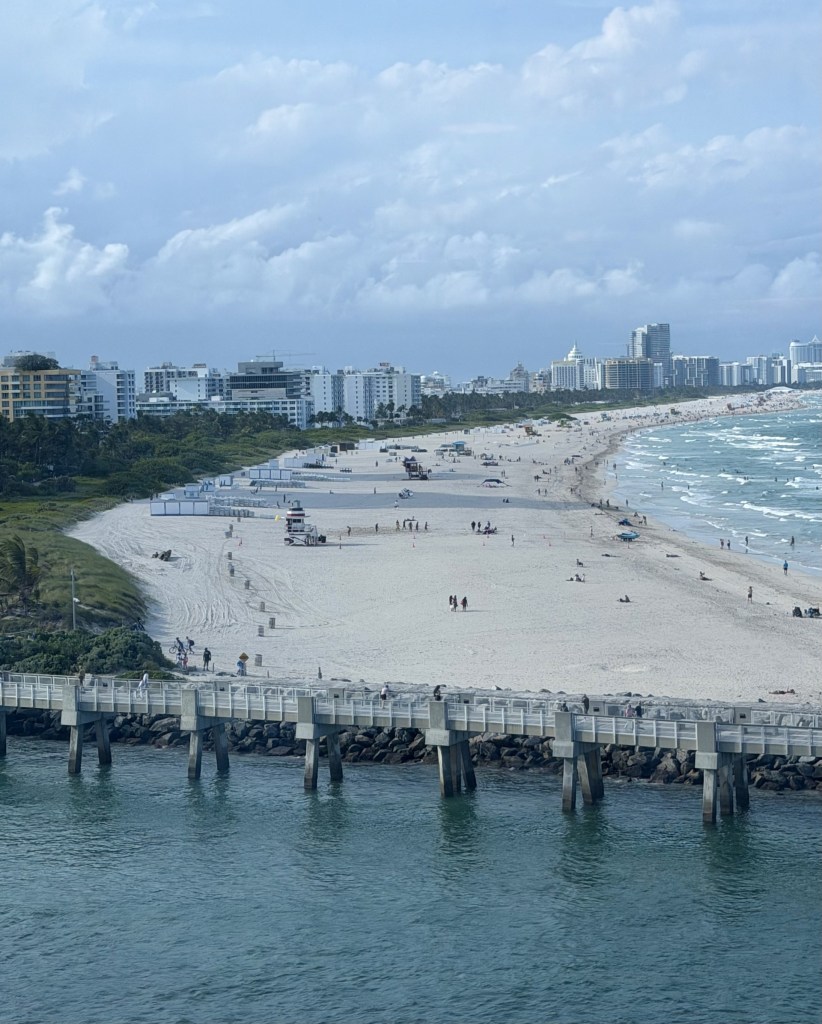
South Beach

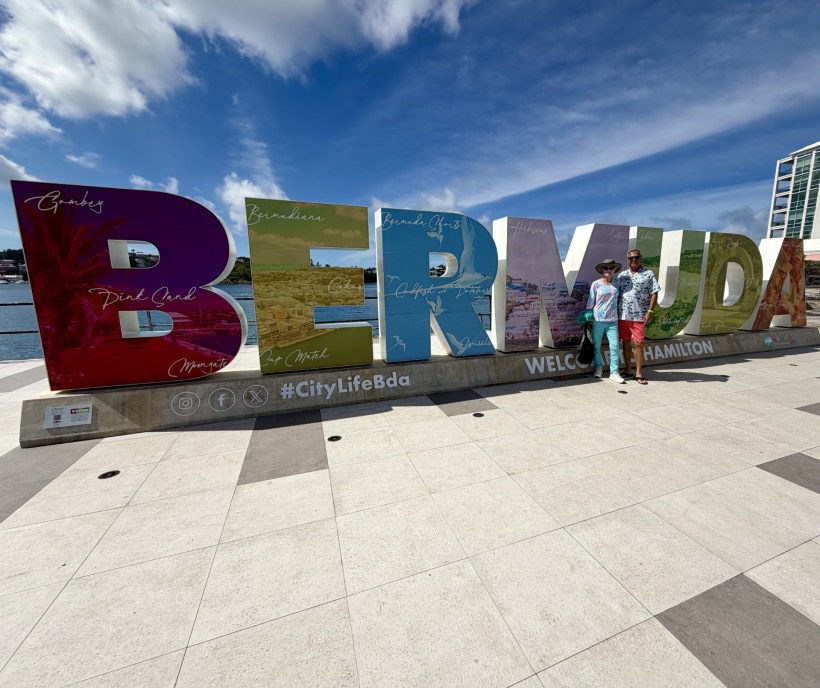
Our first stop was Bermuda, sitting in the North Atlantic about 650 miles east of Cape Hatteras, NC. It took us three days at sea to get there.

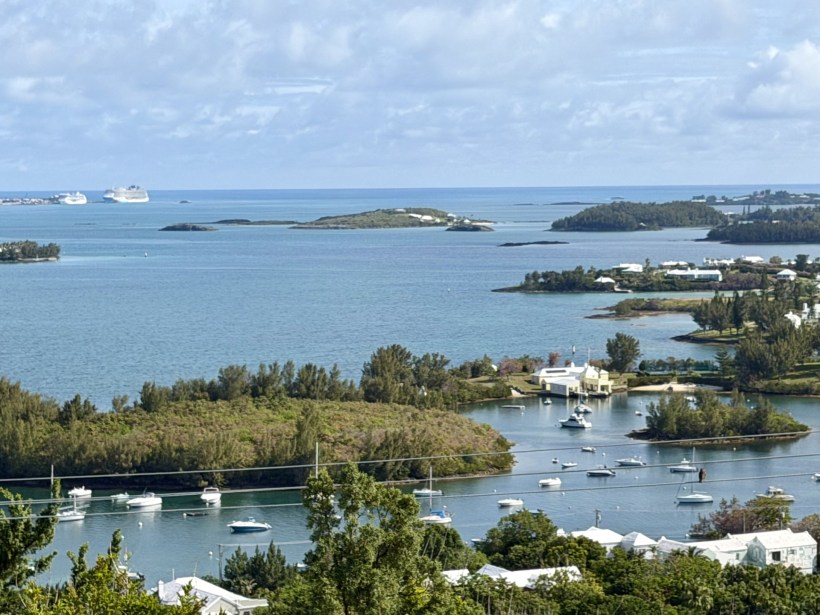
Bermuda is made up of around 181 islands. Most are tiny and connected by bridges, so it feels like one continuous island stretching across bright turquoise water.

Insignia (top left) is the smaller ship. 650 passengers.

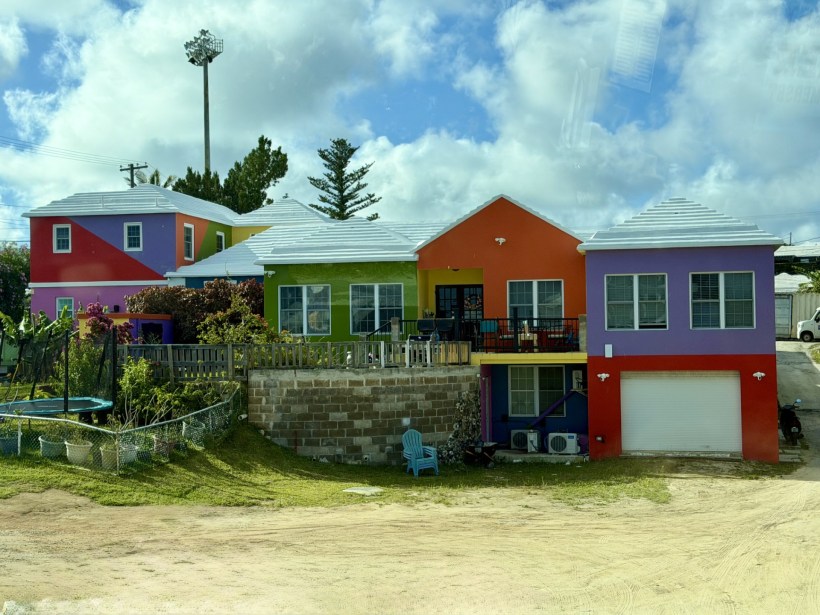
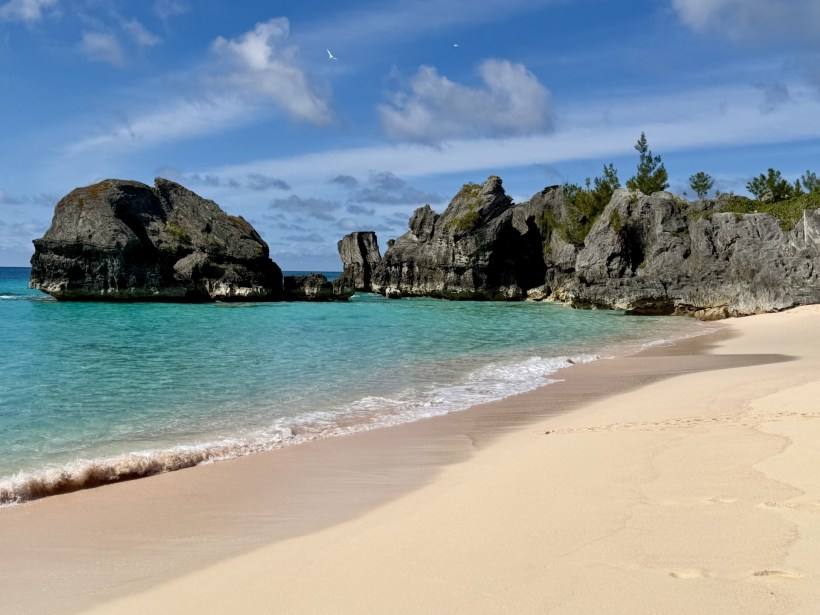
Color is everywhere in Bermuda. Brightly painted houses dot the landscape, and the beaches are just as striking. The famous pink sand comes from crushed coral and tiny marine organisms mixing with white sand.

It”s more pink than pic shows. Blame it on photographer!

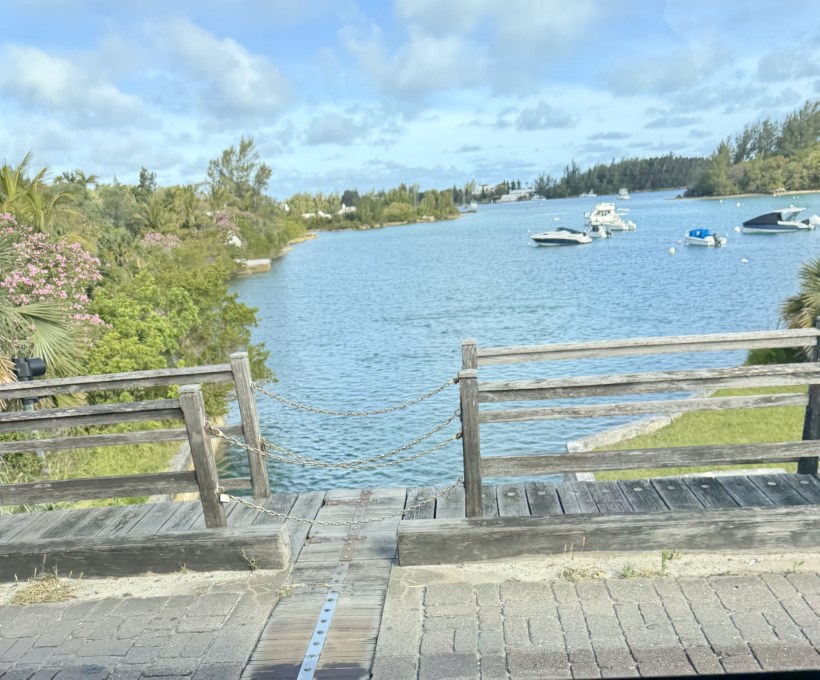
We also found what’s believed to be the world’s smallest drawbridge. When a sailboat with a tall mast approaches, a friendly pedestrian manually lifts the bridge and guides the mast through. Only in Bermuda.

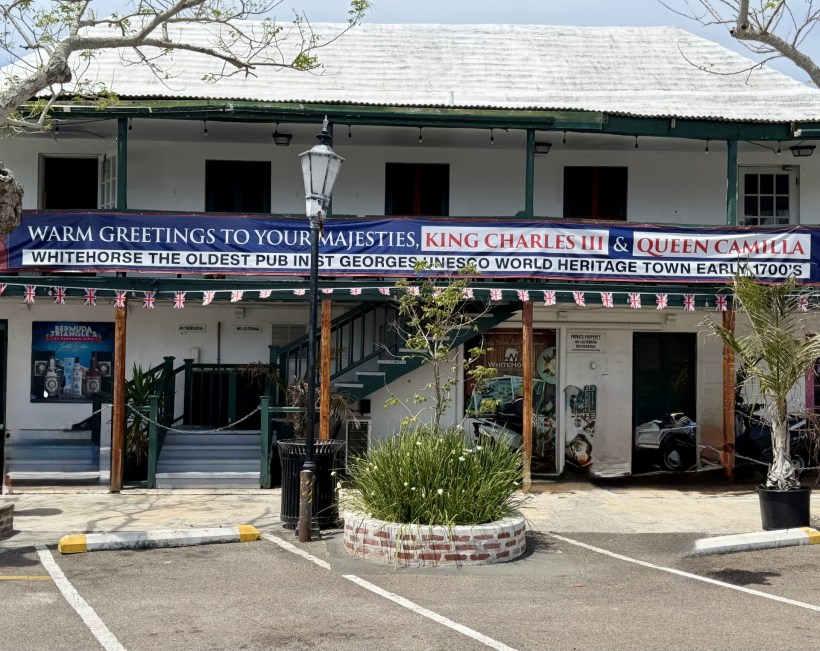
Of course, we had to stop at the Whitehorse Pub to try the local specialty: a fried fish sandwich on raisin bread. Fresh wahoo surrounded by coleslaw. Delicious.

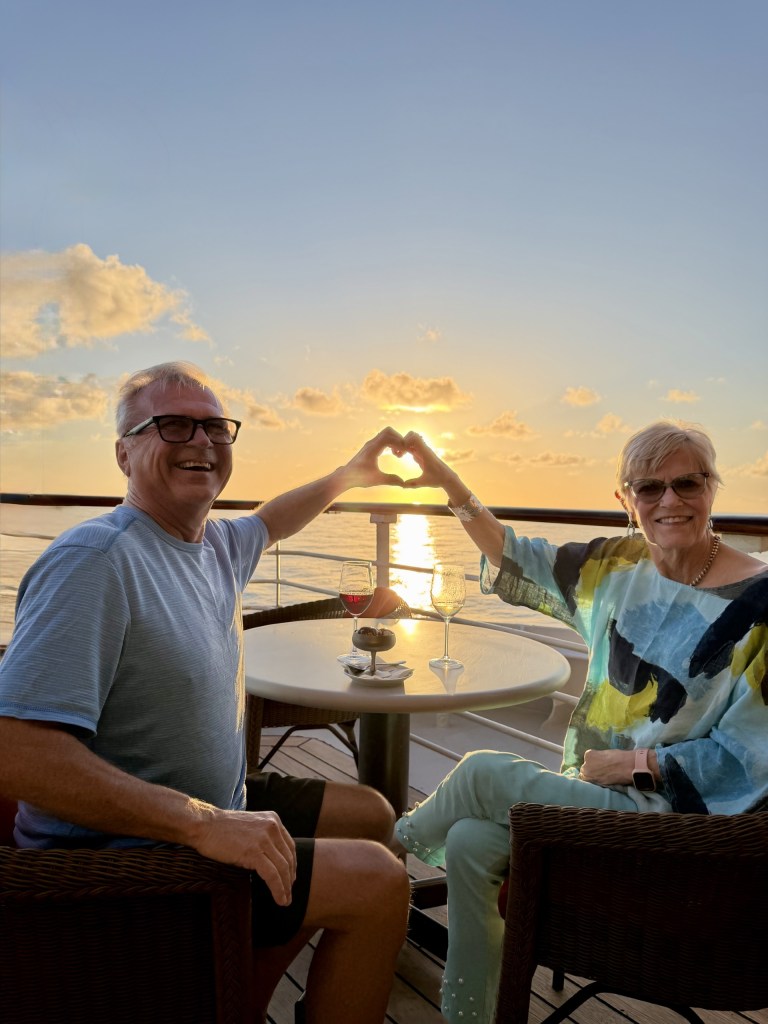
After a day of exploring Bermuda, it was time to set sail once again.

Next stop: the Azores … after four more days at sea.

Bon voyage.

The Quietest Flight Home

“You’re home. Welcome back to the United States.”

Our pilot’s voice echoed through the cabin as our charter flight from Egypt touched down at JFK on Friday afternoon.

And then…

Nothing.

Dead silence.

Not a clap. Not a cheer. Not even a cough.

I’ve been on flights where touching down after a little turbulence brings cheers and applause. This landing brought something very different—an eerie quiet.

I’ve heard louder reactions when Costco opens a new checkout lane.

Relieved?
Thankful?
Disappointed?
Embarrassed?
All of the above?

After canceling the remainder of their Egypt tours, our tour company arranged a charter flight for roughly 250 tourists. Just a few days earlier, we had expected to be sailing down the Nile.

Instead, we were flying home.

Before leaving for Egypt, Kris and I had moved out of our house of ten years. I had mentioned in a Facebook post that when we returned to Florida we would technically be homeless. We had a condo rented in Jacksonville Beach starting March 17, but now we were back ten days early.

This homeless couple needed a place to stay.

The response was incredible.

We received offers from friends in Pennsylvania, Virginia, New Jersey, Massachusetts, Kansas, Idaho, Washington, South Dakota, Maryland, Florida, North Carolina, and California.

Pretty amazing, huh?

Fortunately, we were able to check into our rental unit early, so we won’t be doing a barn-storming tour across the country. But it’s nice to know we could if we wanted to. One advantage of having moved around as much as we have is that we’ve built friendships in a lot of places.

While our Egyptian adventure didn’t end the way we expected, we still had a fantastic experience.

We saw everything we hoped to see in Cairo. The Great Pyramid was great, and the new Grand Egyptian Museum was truly grand.

What we missed was the Nile portion of the trip—sailing south through Luxor and the Valley of the Kings. Will we go back to Egypt someday to see those sights?

Quite possibly.

But for now, there are still a few places higher on our list.

After all, we’ve never been to South America… or Antarctica.

Over the next few days I’ll share some photos and stories from the incredible historic sites we visited in Cairo.

Our next adventure will be a little less glamorous. Kris is scheduled for her second hip replacement on April 2.

After that recovery, we’re planning to head to Europe for about six weeks starting in May. We don’t have the entire itinerary nailed down yet, but I’ll keep you posted—both on the hip and the travel plans.

Thank you to everyone who reached out with concern for our safety. It means more than you know.

We’re lucky to have friends like you.

Just Pete
Heading Back

The remainder of our Egyptian tour has been cancelled, and Kris and I will be leaving on a charter flight to JFK in a few hours.

The decision affects the 20 people in our tour group, and we’re all disappointed. The strange part is that none of us feel unsafe here. Quite the opposite—our experience in Egypt has been wonderful.
Egypt has been Level 2-Exercise Increased Caution for quite some time. That has not changed.
So why was the tour cancelled?

Because of an X post (tweet).

Someone at the U.S. State Department lumped Egypt together with the rest of the Middle East. That single post changed the liability landscape overnight. Once the advisory went out, tour operators had little choice but to cancel remaining tours. From a legal standpoint, the risk suddenly became too great.

I’ll admit that before visiting Egypt, I also tended to lump it in with the rest of the Middle East.

But I don’t work for the State Department.

Let me share a few realities about Egypt.

Egypt’s last major war was in 1973. That conflict—the Yom Kippur War—ultimately led to the Camp David Accords in 1979. Since then, Egypt and Israel have maintained peace for more than four decades.

Today, Egypt often plays the role of diplomatic middleman in regional conflicts, including the ongoing tensions between Hamas and Israel.

In many ways, Egypt functions as the Switzerland of the Middle East—maintaining relationships with multiple sides and working behind the scenes to keep the region from boiling over.

Geography also works in Egypt’s favor. Nearly 95 percent of the population lives within a few miles of the Nile River. Beyond that narrow green corridor lies mostly natural protection: the Sinai Desert and the Red Sea to the east, the Mediterranean to the north, and the vast Sahara Desert to the west.

After spending time here, one thing has become clear to me: Egypt deserves to be judged on its own merits—not lumped into a regional headline.

Unfortunately, one tweet was enough to end our tour.

Pete