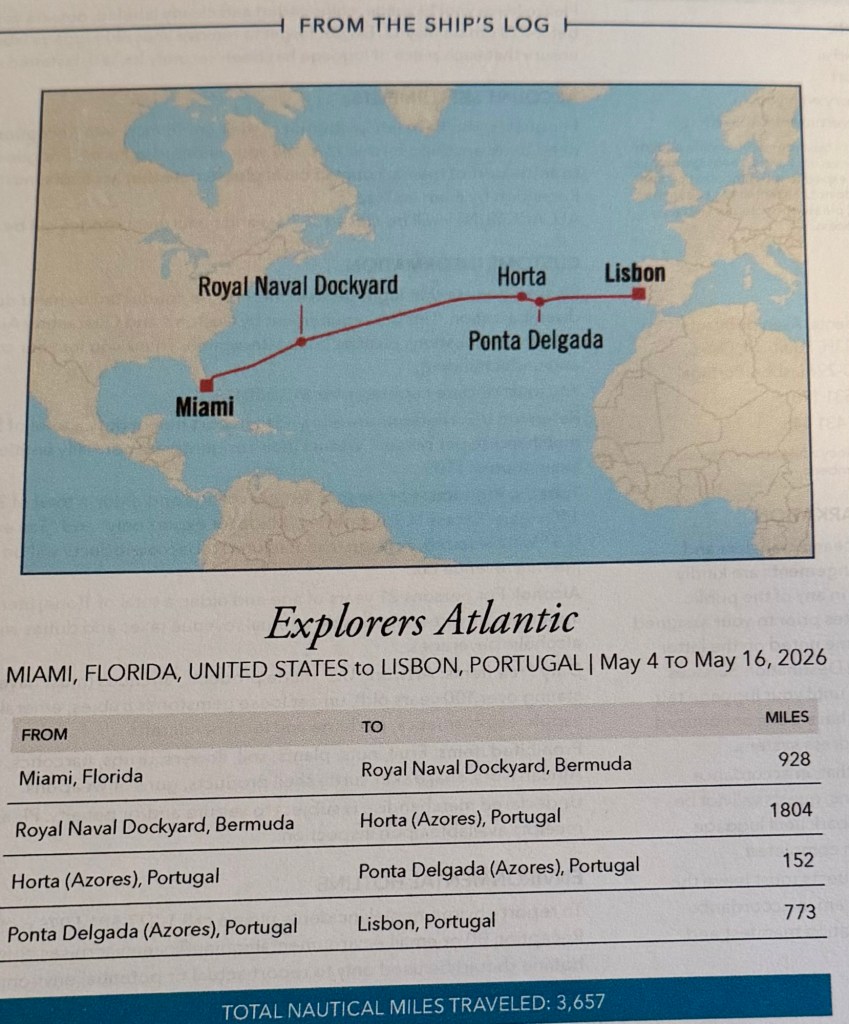
The Insignia docked in Lisbon Friday afternoon. The end of our sail across the Atlantic.
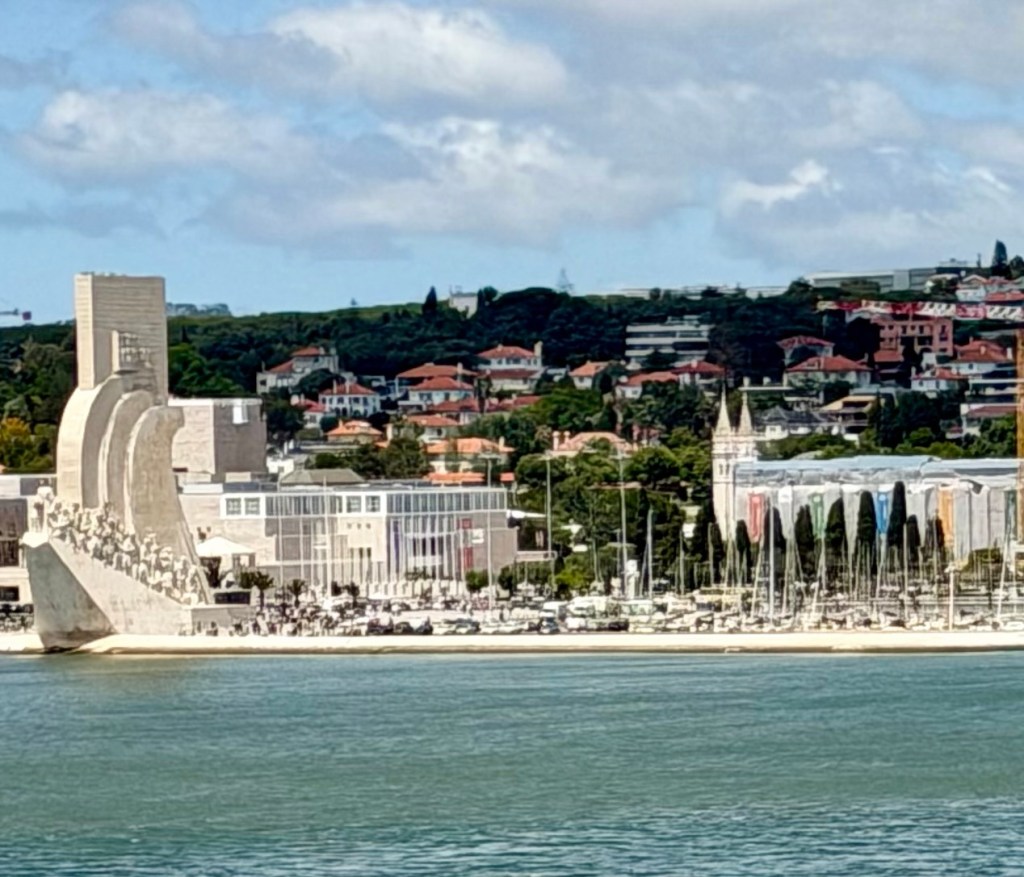
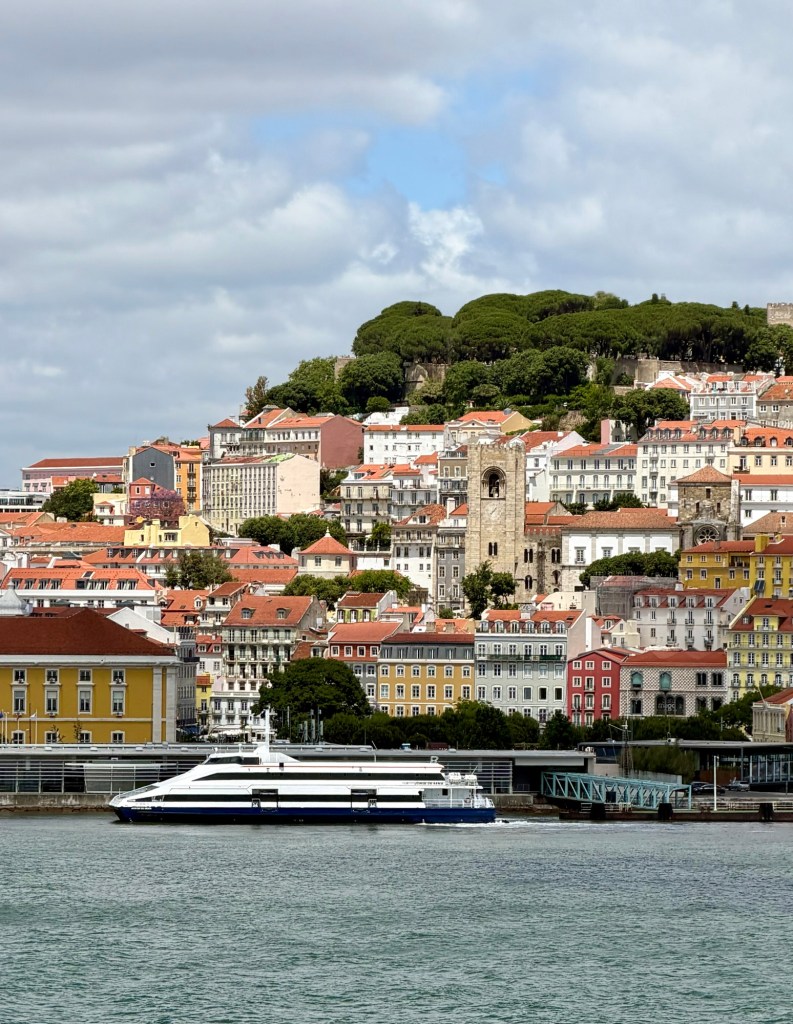
Lisbon is old. Really old. In fact, it’s one of the oldest cities in Western Europe—believed to be several centuries older than Rome.
During the Age of Exploration, Portuguese sailors like Vasco de Gama and Ferdinand Magellan launched from Lisbon to Africa, Brazil, India, and beyond. At one point Portugal controlled one of the world’s largest empires.
Kris and I got off the ship as quickly as possible to see what we could see.
We wandered uphill through the Alfama district, the postcard version of Lisbon: narrow alleys, laundry hanging overhead, tiled buildings, tiny bars, and random scenic overlooks around nearly every corner.
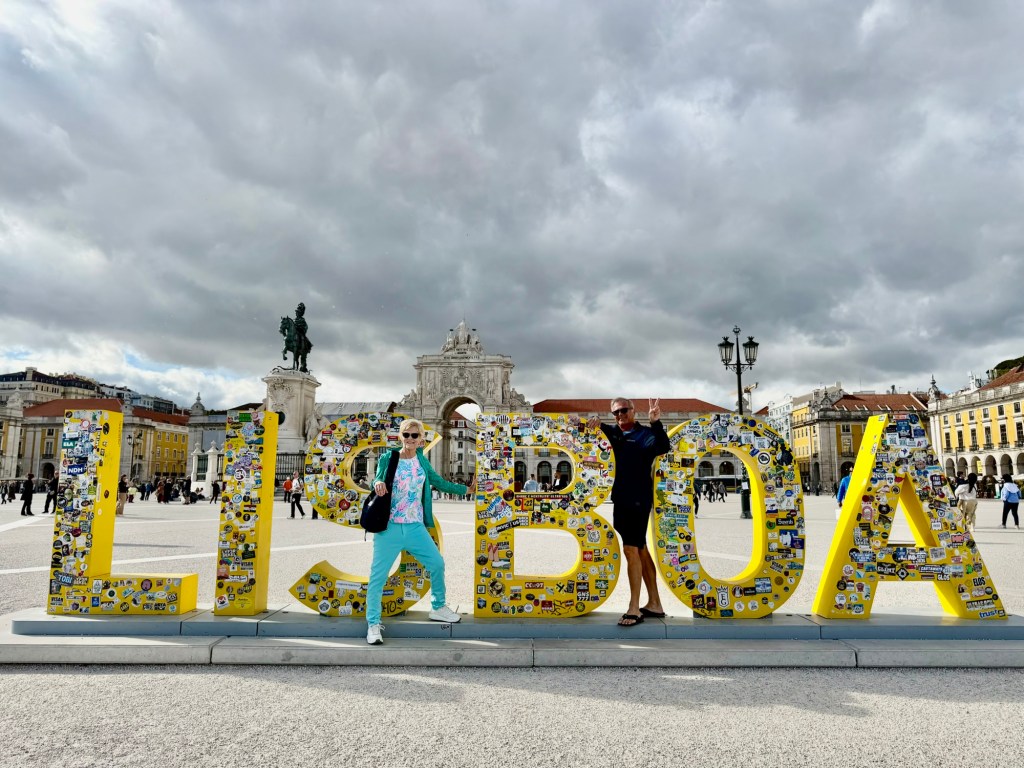
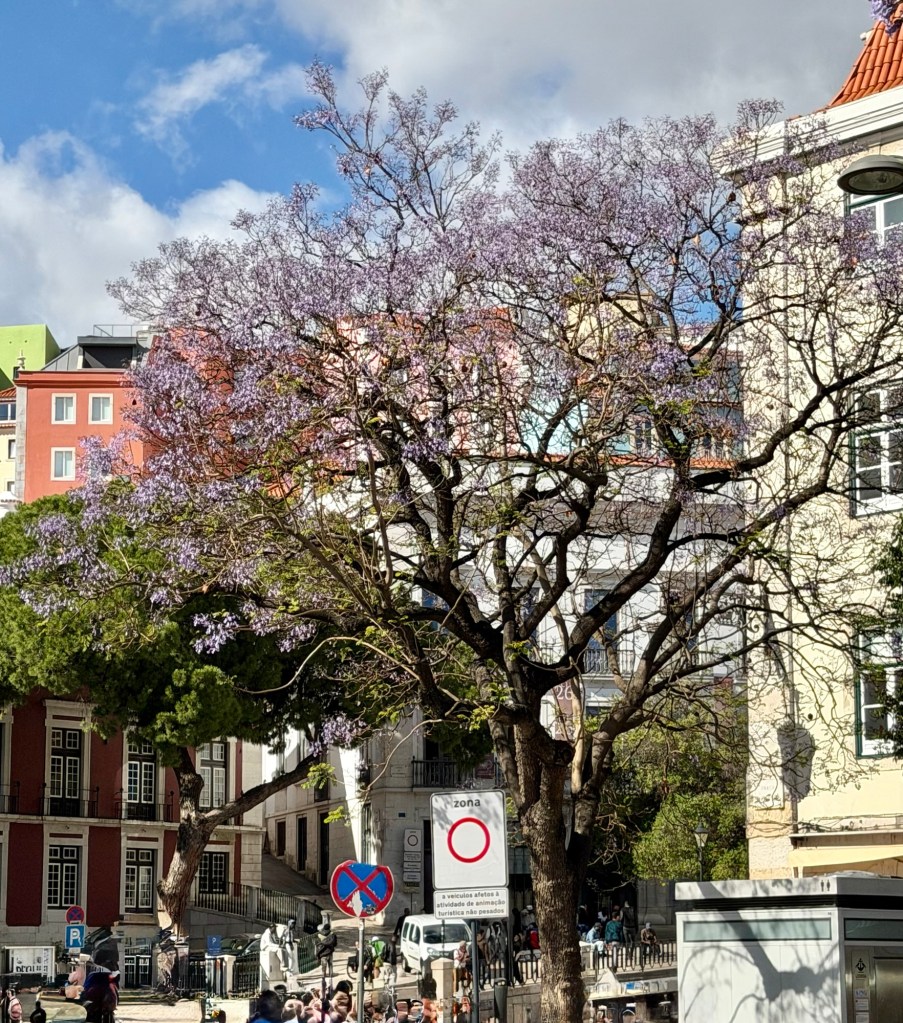
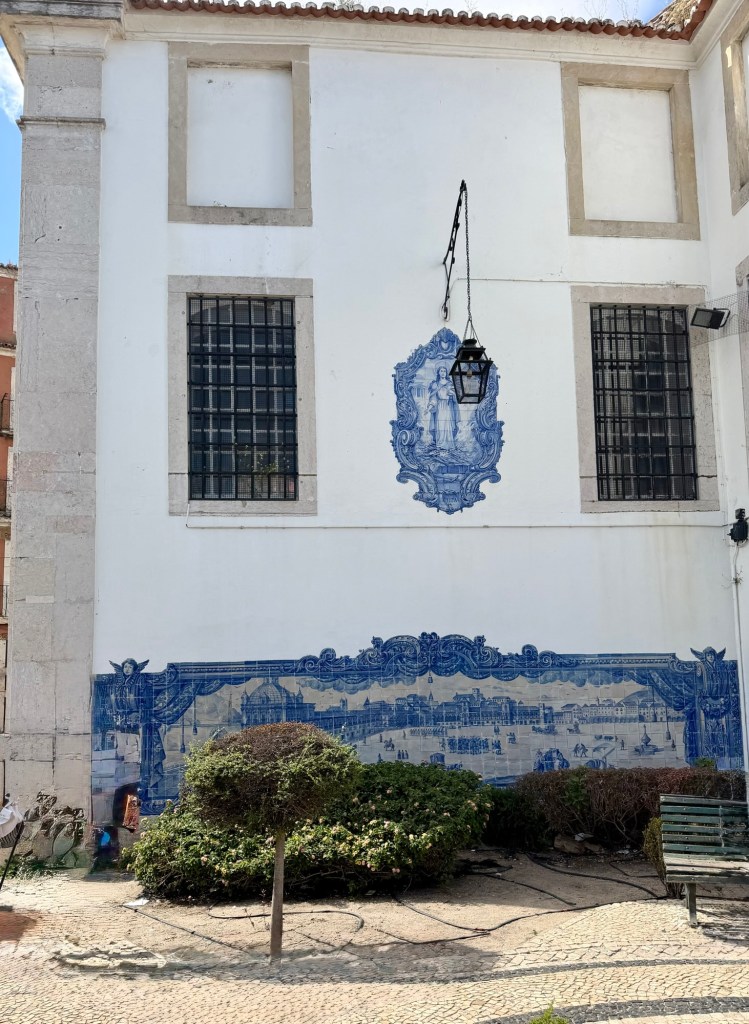
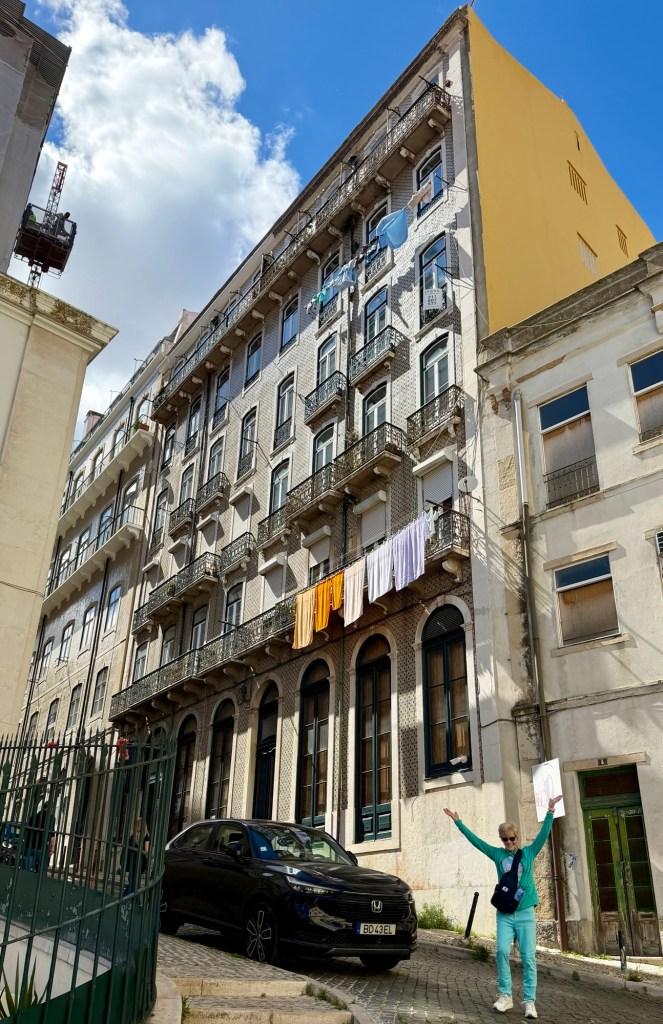
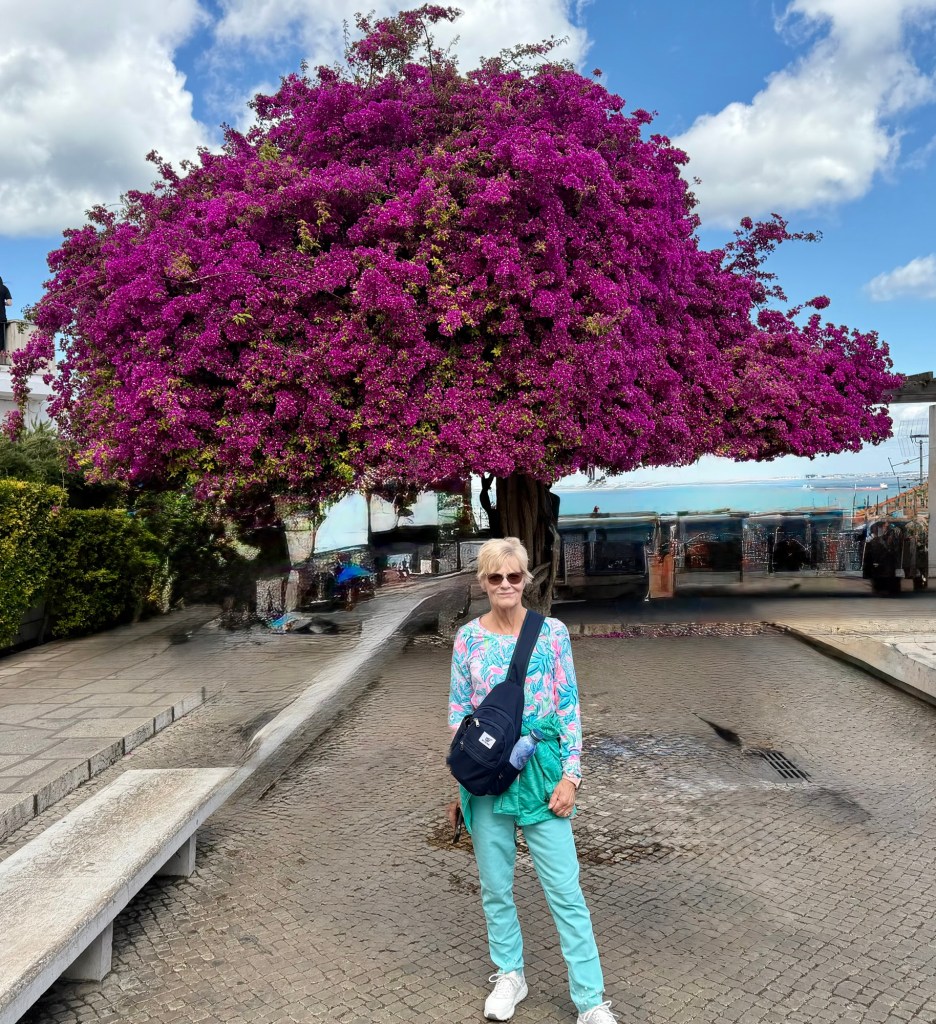
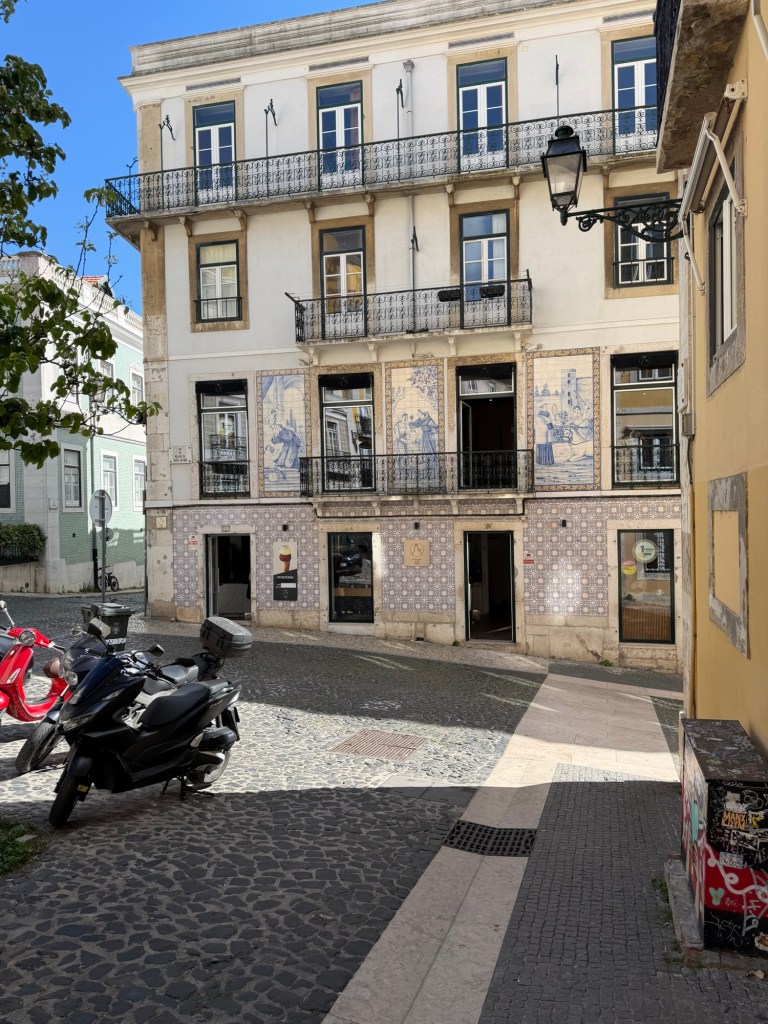
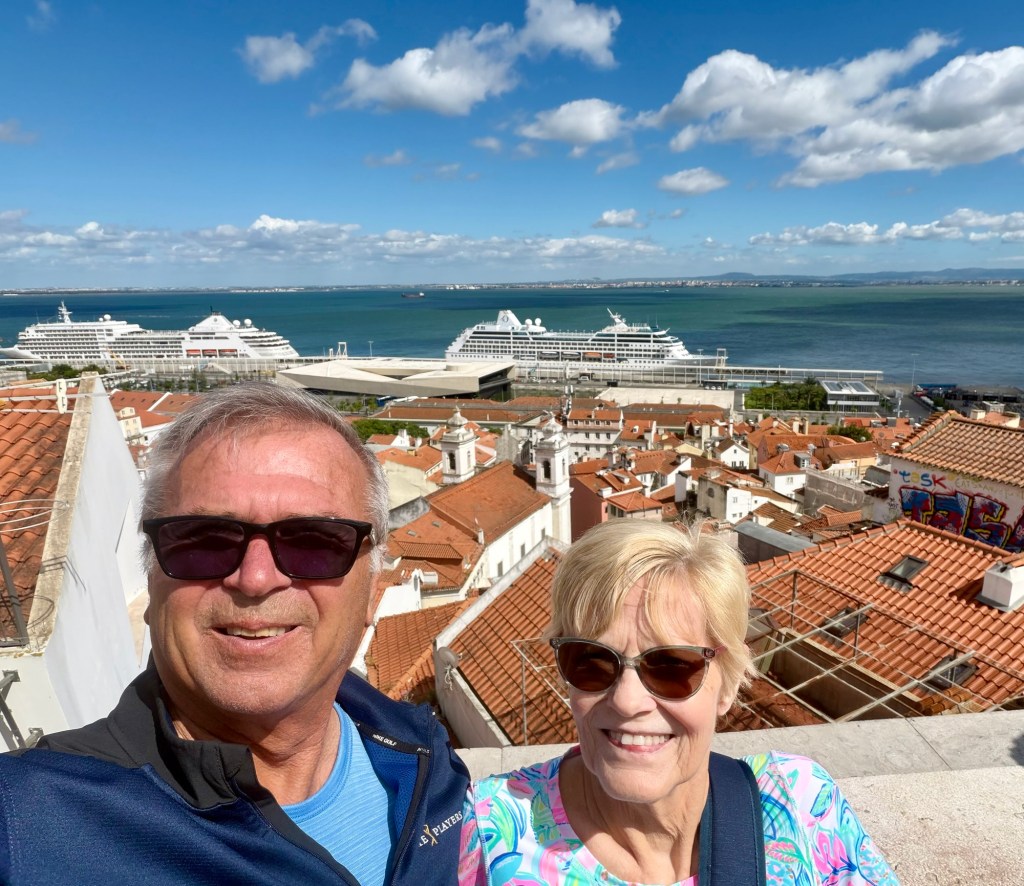
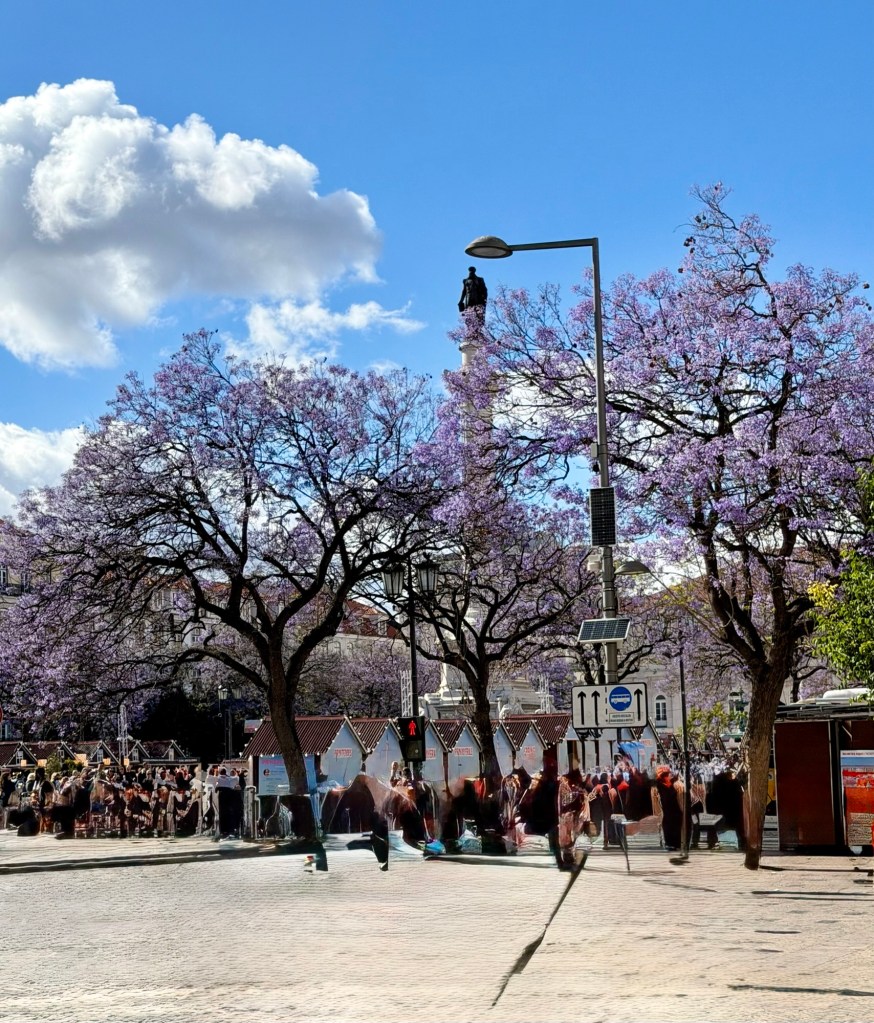
We had one more night of free food and booze on the ship, so, naturally, we took advantage of that after our 5-mile stroll.
Saturday morning, we had to be off the ship by 8:30. The previous afternoon, we had met a random taxi driver and arranged for him to pick us up at the cruise terminal for a four-hour tour to Sintra. Maybe not the safest travel strategy, but we obviously survived.
Sintra was the summer escape for Portuguese royalty. For centuries, kings and nobles fled Lisbon’s summer heat for the cooler hills and forests of the region. Think royal playground meets fantasy novel setting.
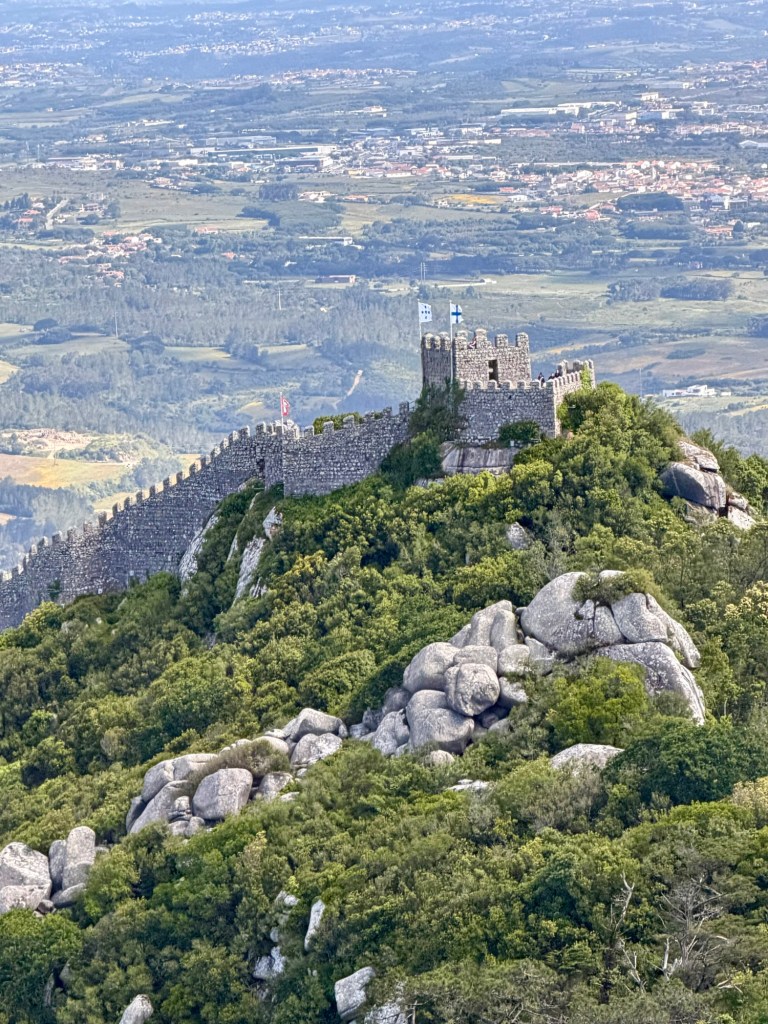
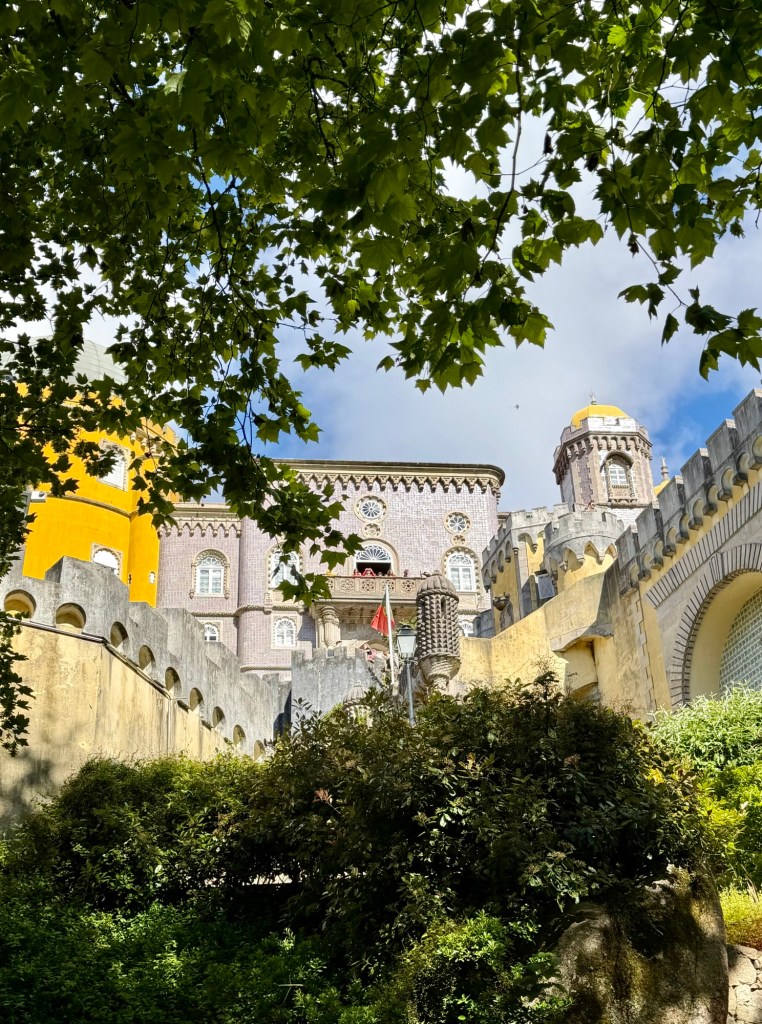
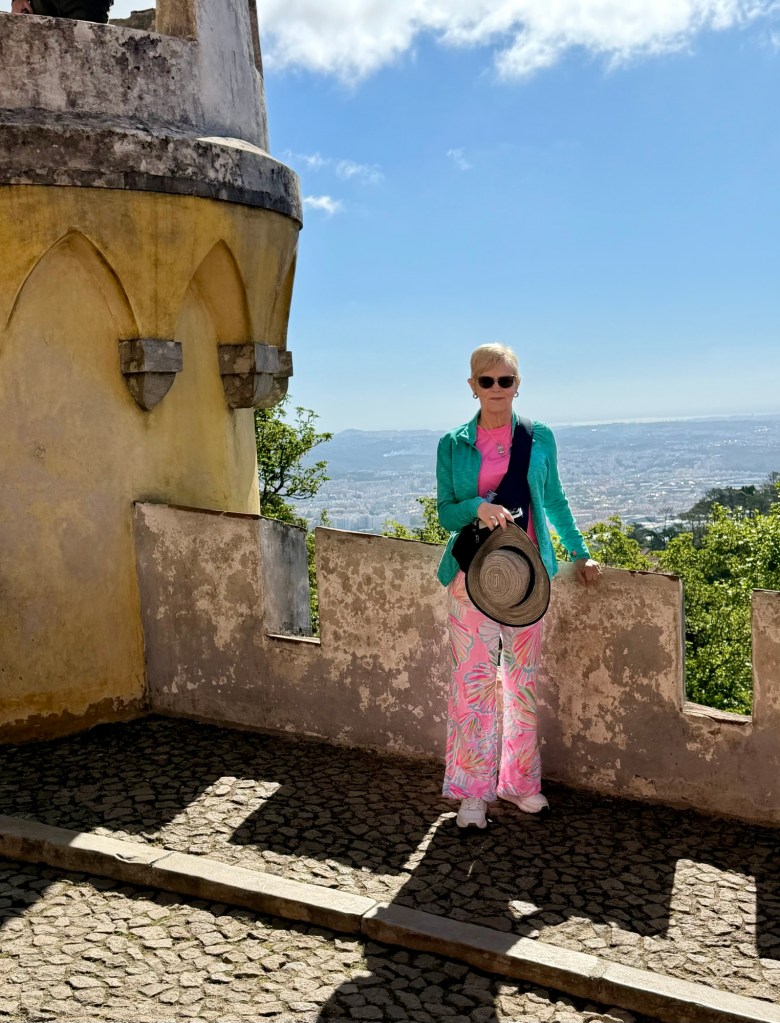
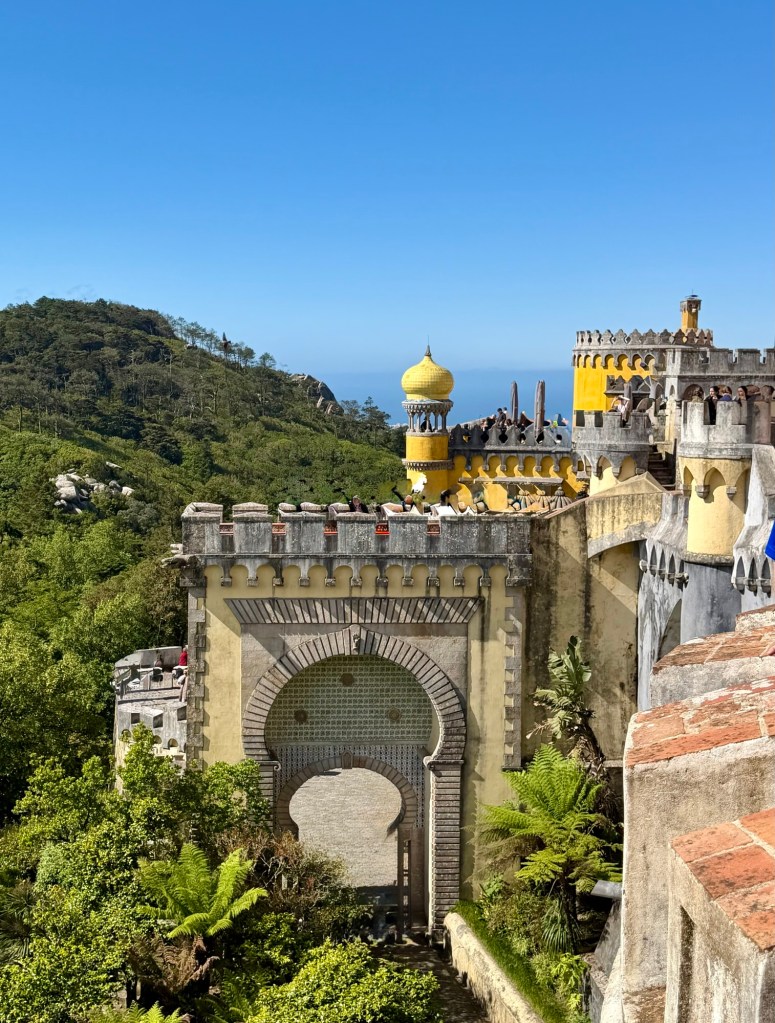
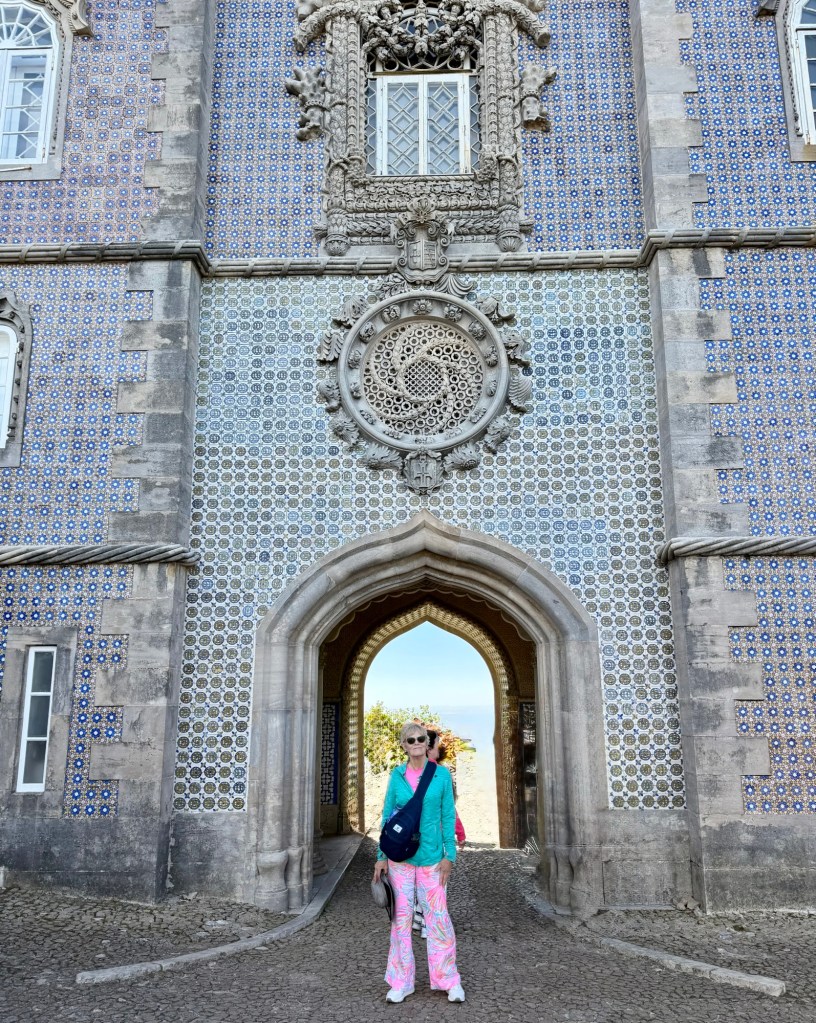
Our first stop was Pena Palace. We didn’t have time to tour the interior, but we walked the terraces and took in the colorful exterior and sweeping viewpoints. If Dr. Seuss had designed a European castle, it might’ve looked something like Pena Palace. The place almost looks fake in person.
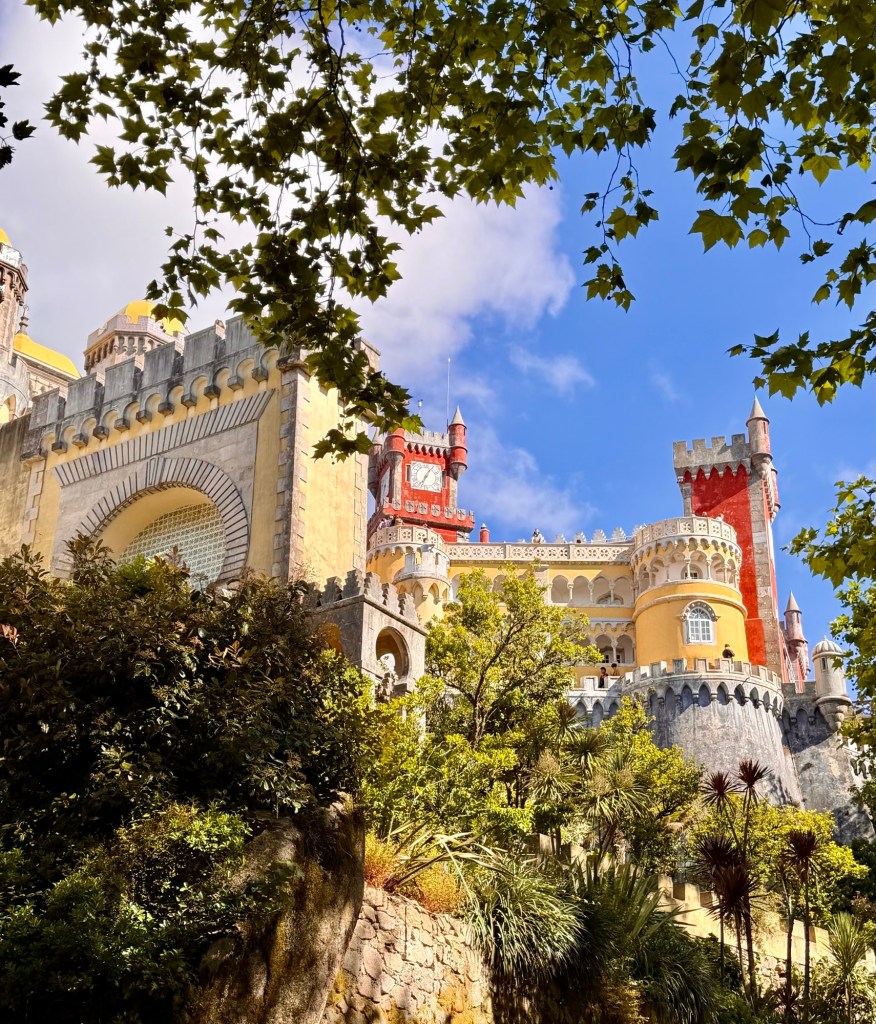
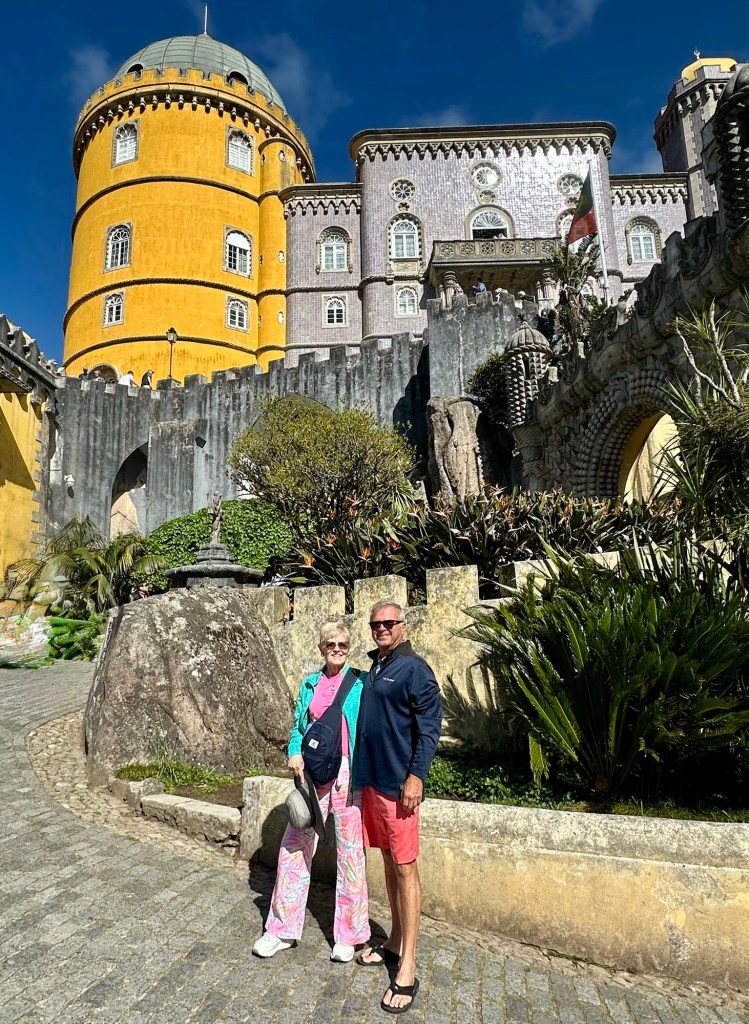
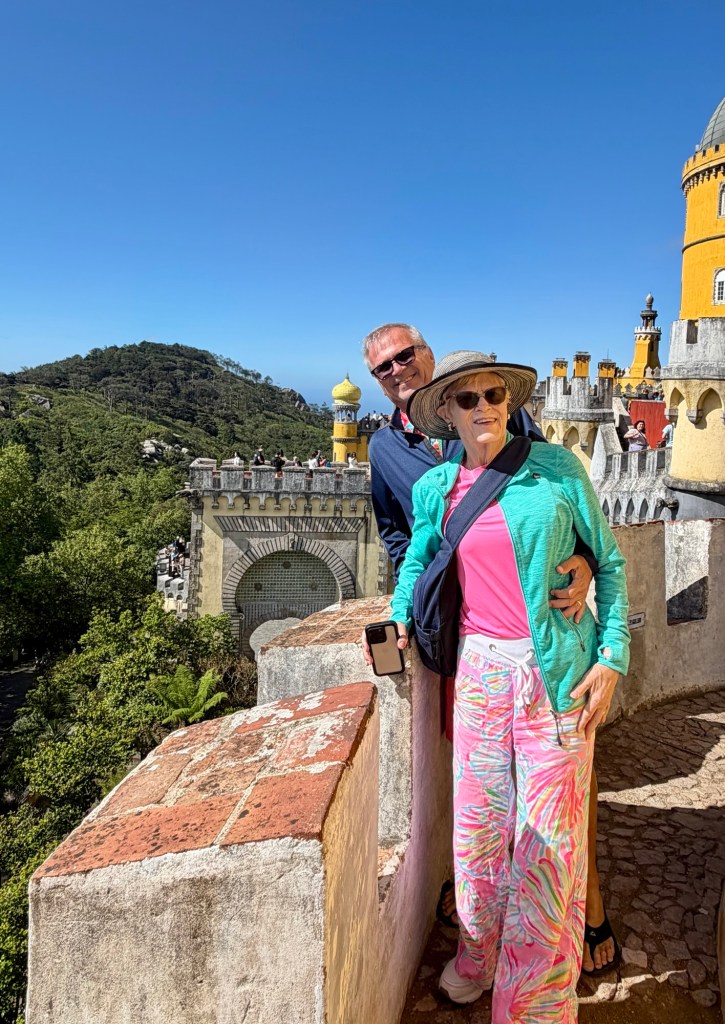
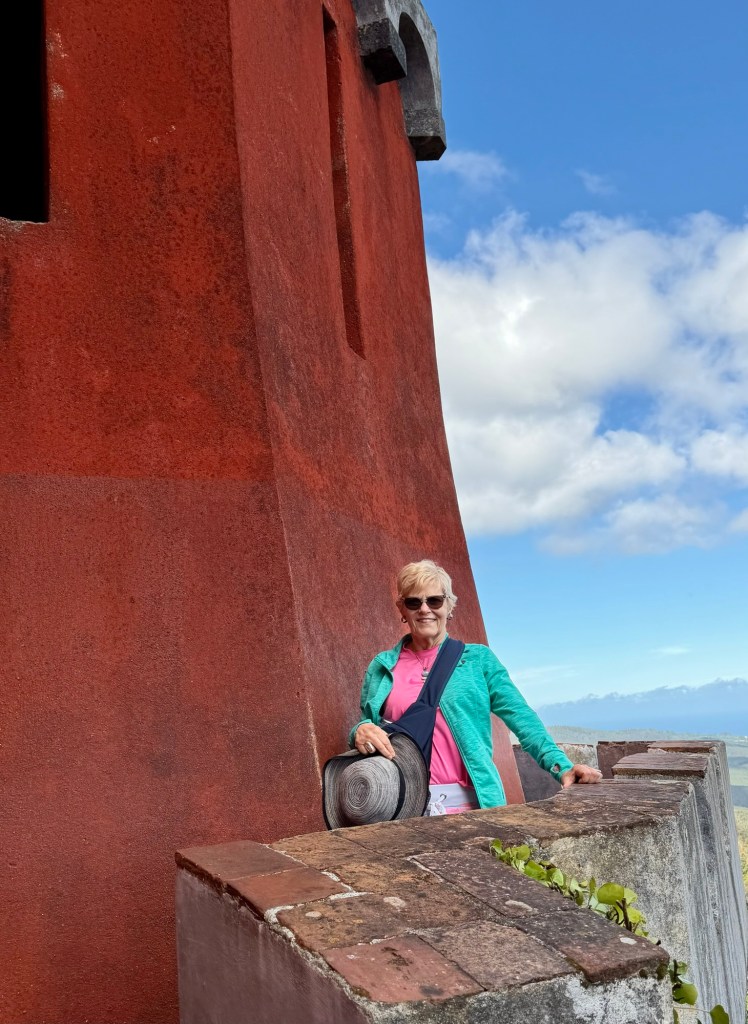
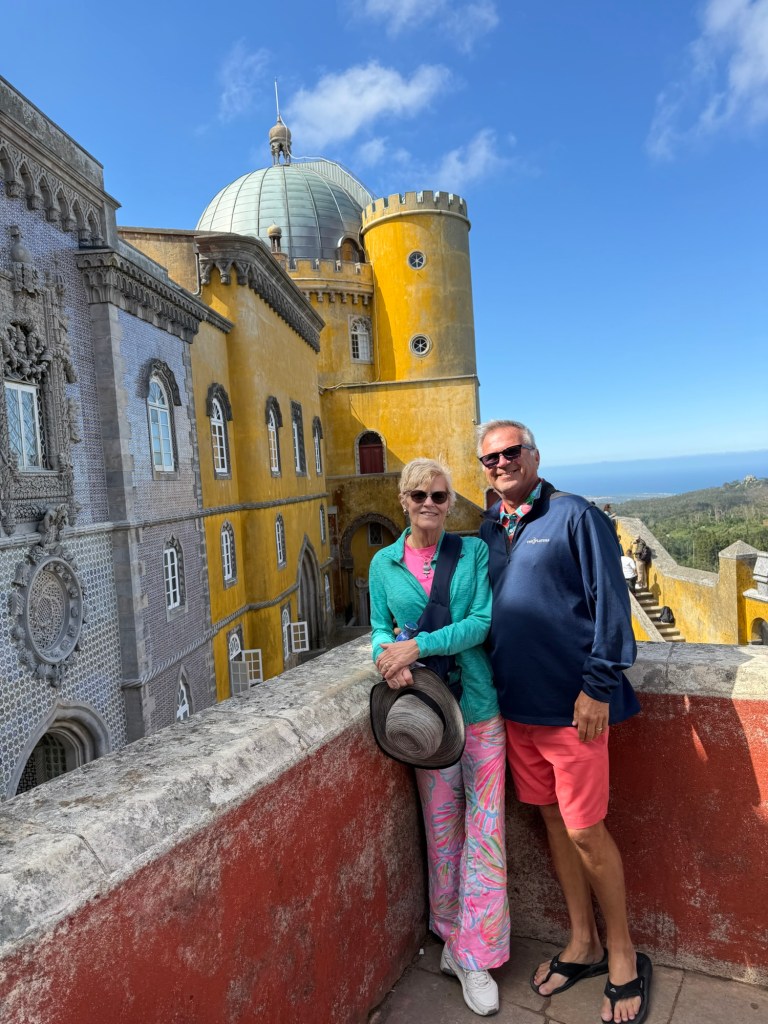
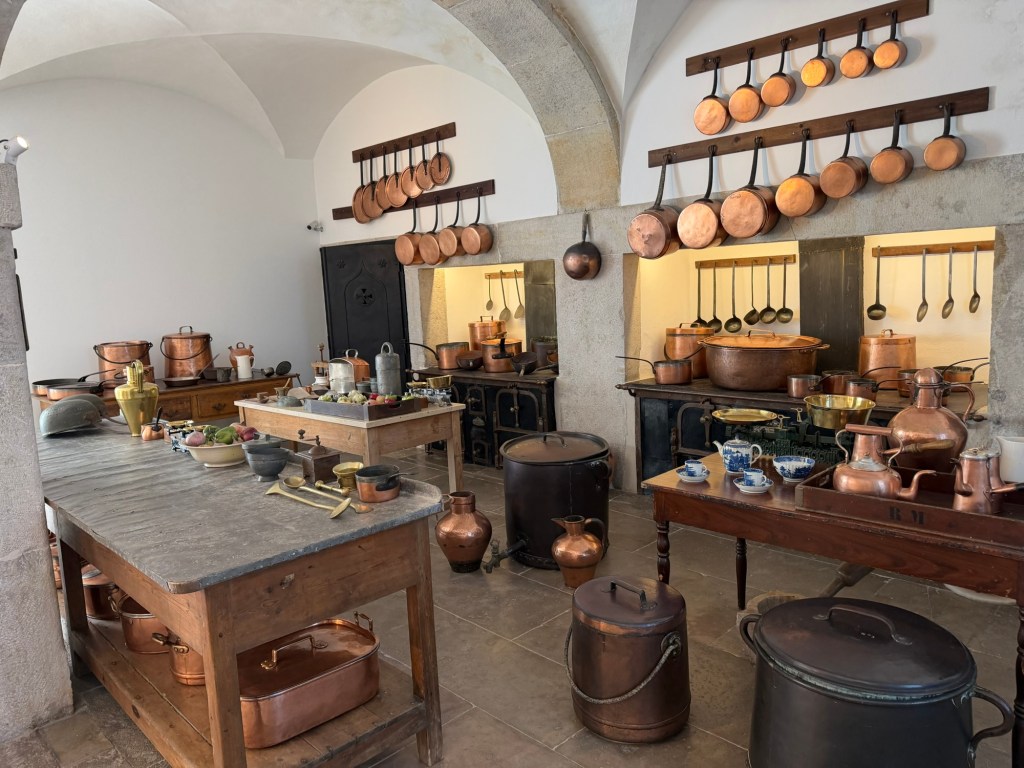
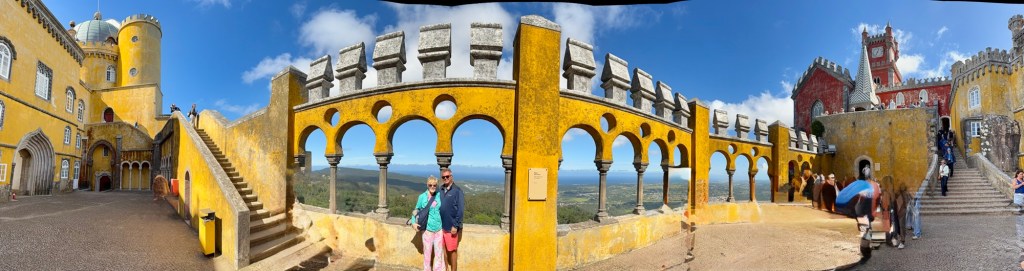
We then headed down to the village of Sintra, which poet Lord Byron visited in the early 1800s and described as a “glorious Eden.” That romantic reputation helped make Sintra famous across Europe. It’s also now one of the most overcrowded places in Portugal.
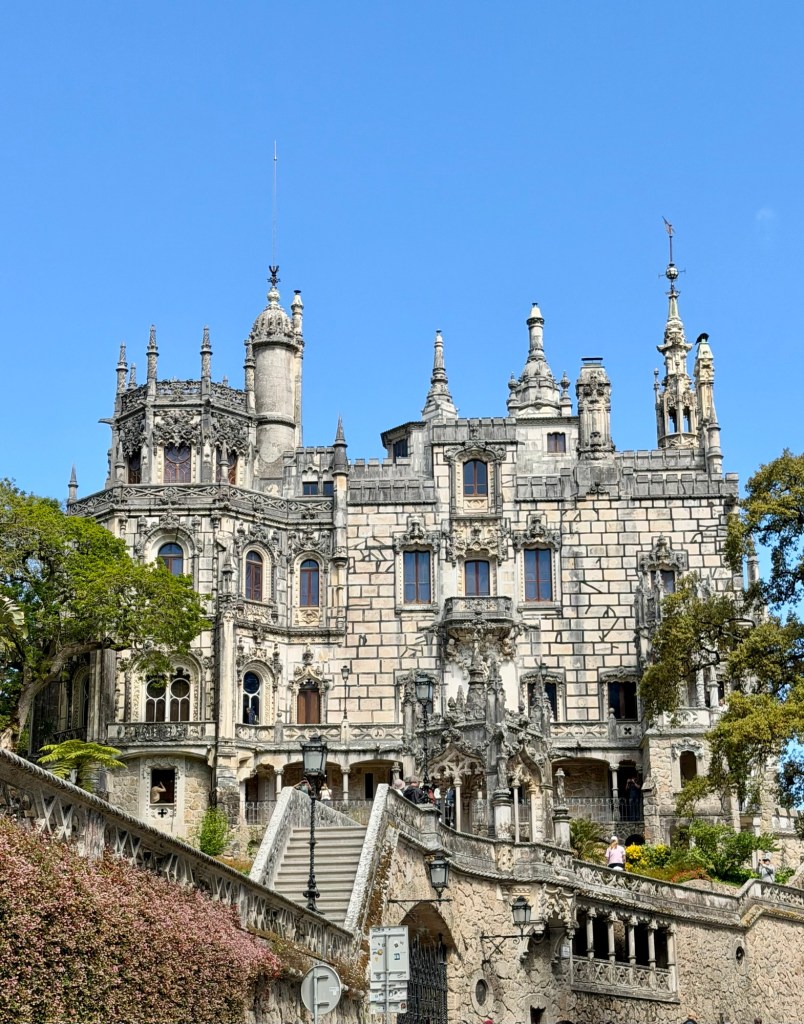
After strolling through town, we made our way to Quinta da Regaleira, considered by many to be the most fascinating estate in Portugal, with underground tunnels, hidden grottoes, spiral wells, and mysterious occult symbolism. Unfortunately, with limited time, we only explored the grounds from the outside.
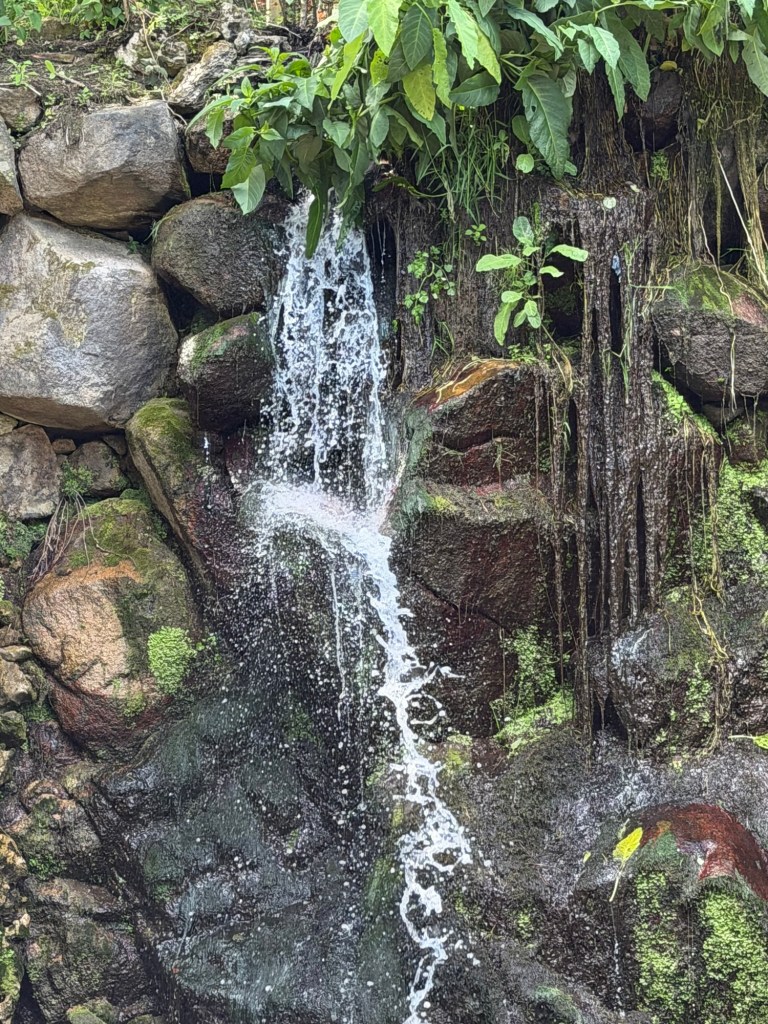
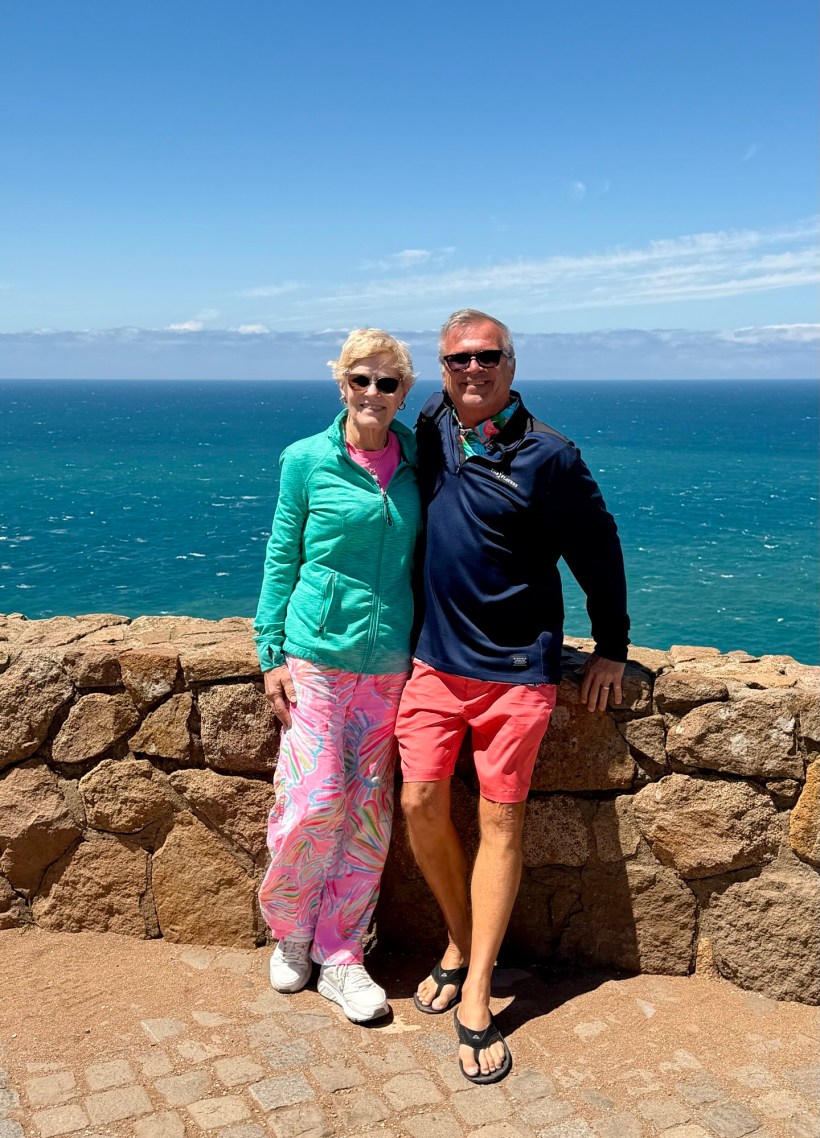
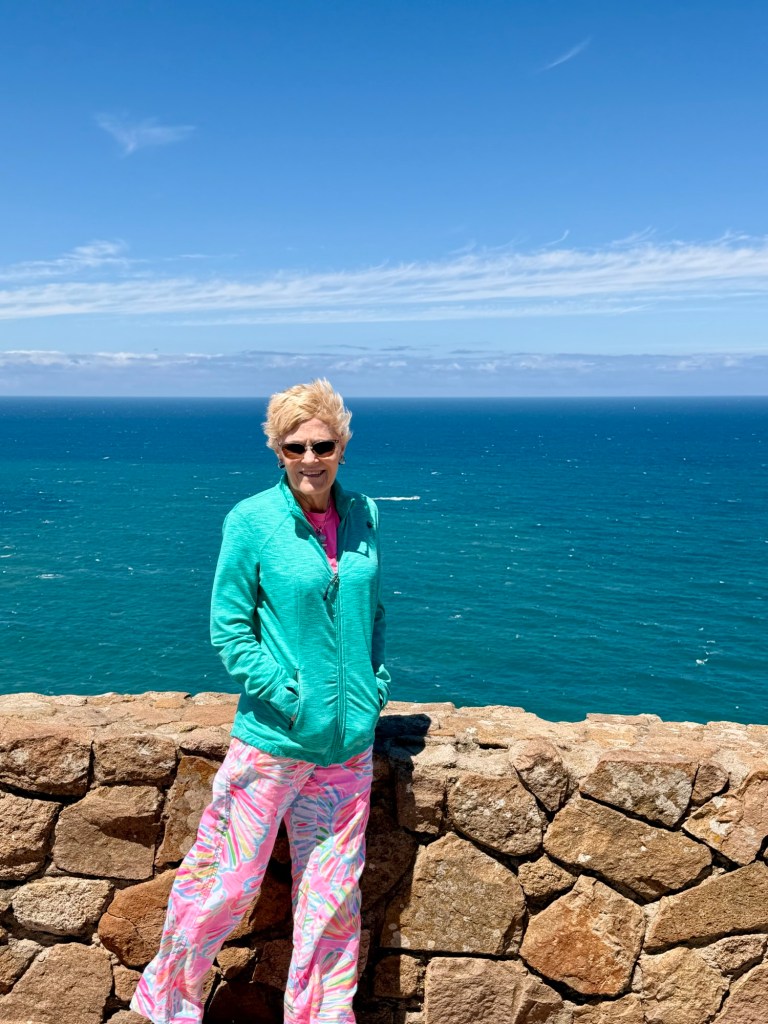
Our final stop was Cabo da Roca, the westernmost point of mainland Europe.
“Where the land ends and the sea begins.”
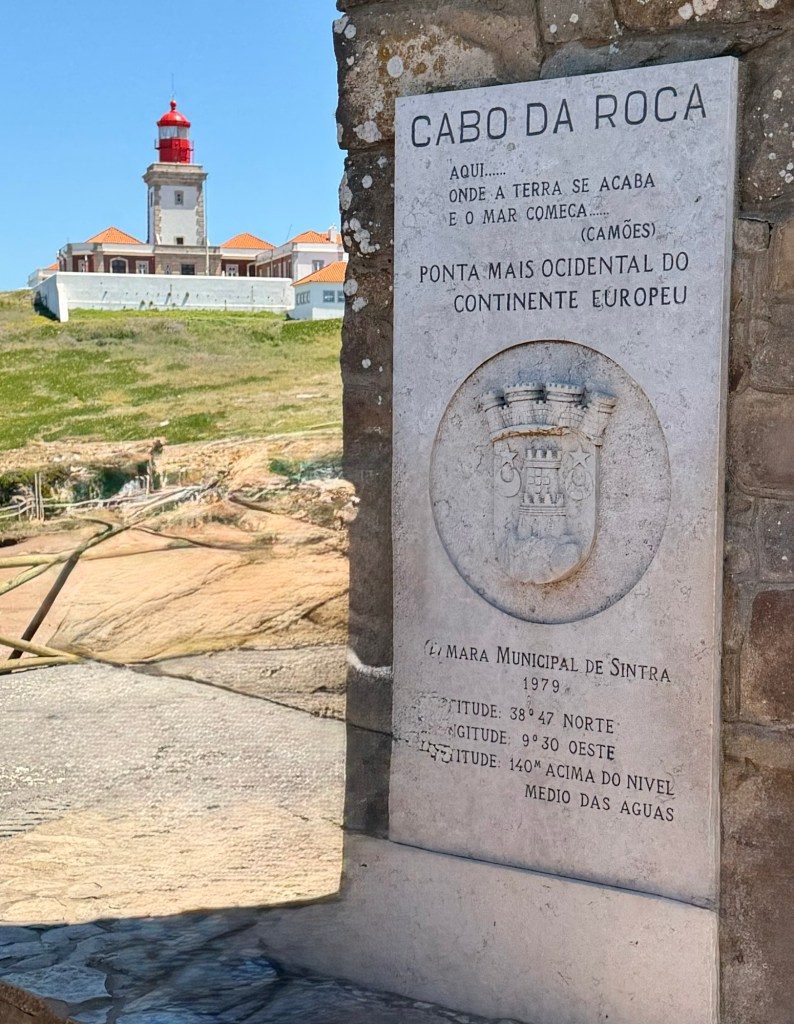
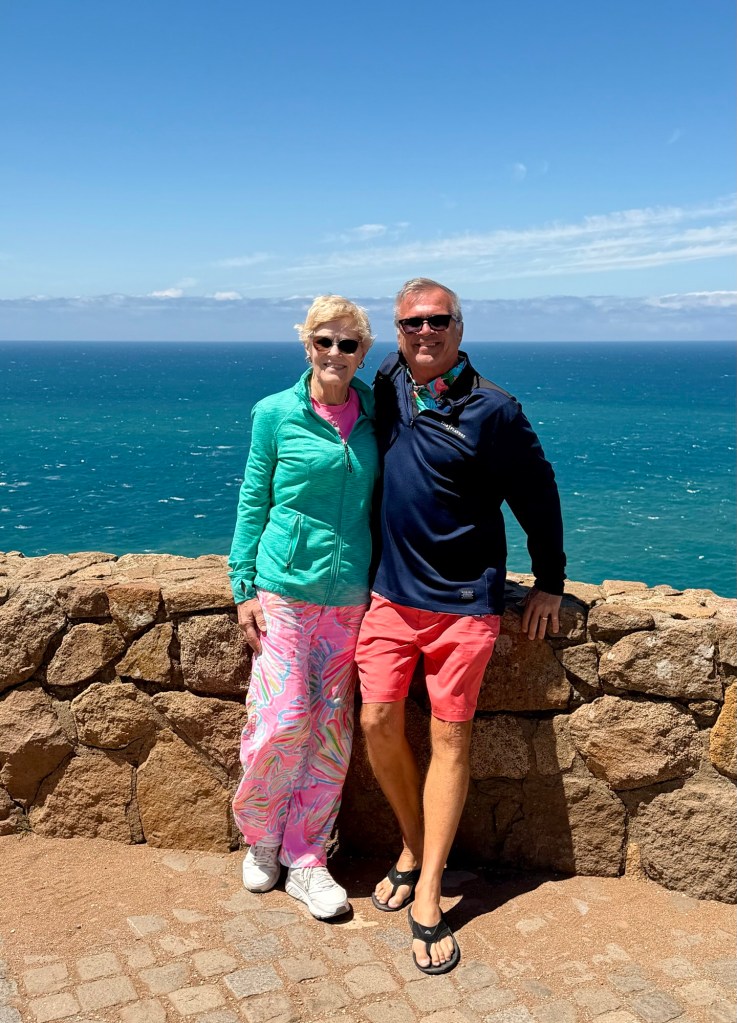
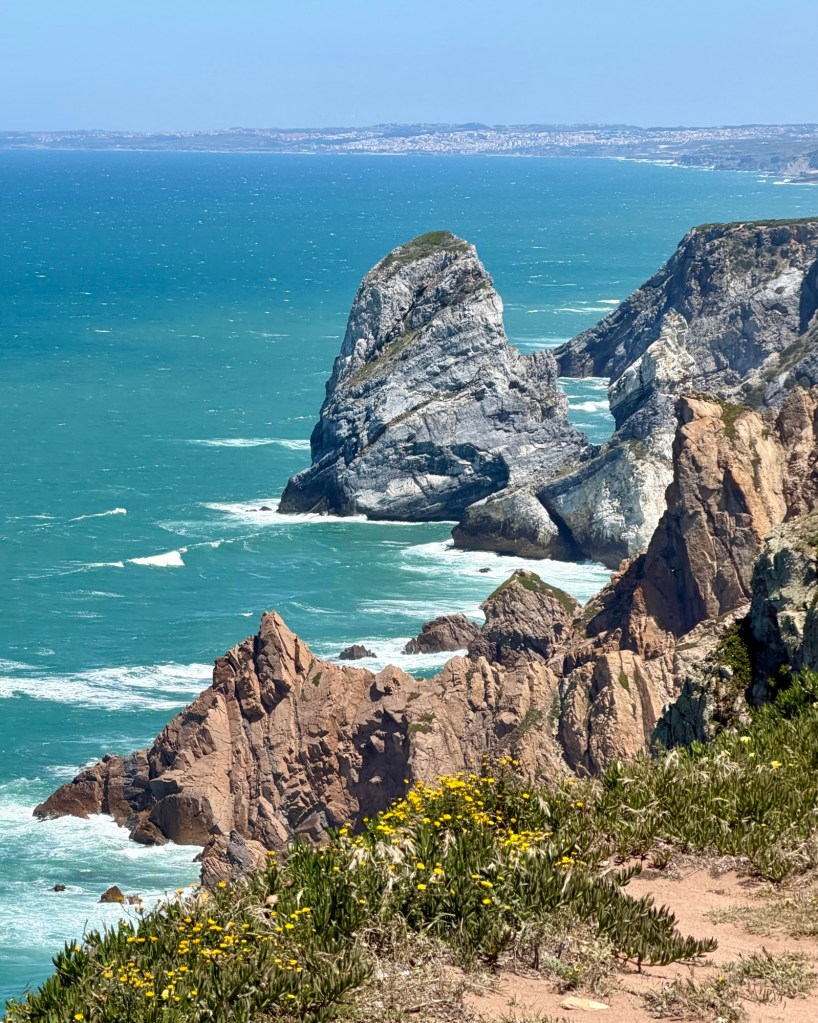
The cliffs were stunning. The wind was ridiculous. But there’s something about standing at the edge of a map that feels pretty cool.
We definitely didn’t spend enough time in the Lisbon area. Sintra alone deserves a full day. Lisbon is fun, unique, and easily worth at least two or three days.
Tomorrow we head to Porto for another quick stop. Over the next couple of weeks, we’ll be visiting some of my favorite towns from the Camino.
Should be fun.
Come along.
Just Pete.
 Just Pete Adventures