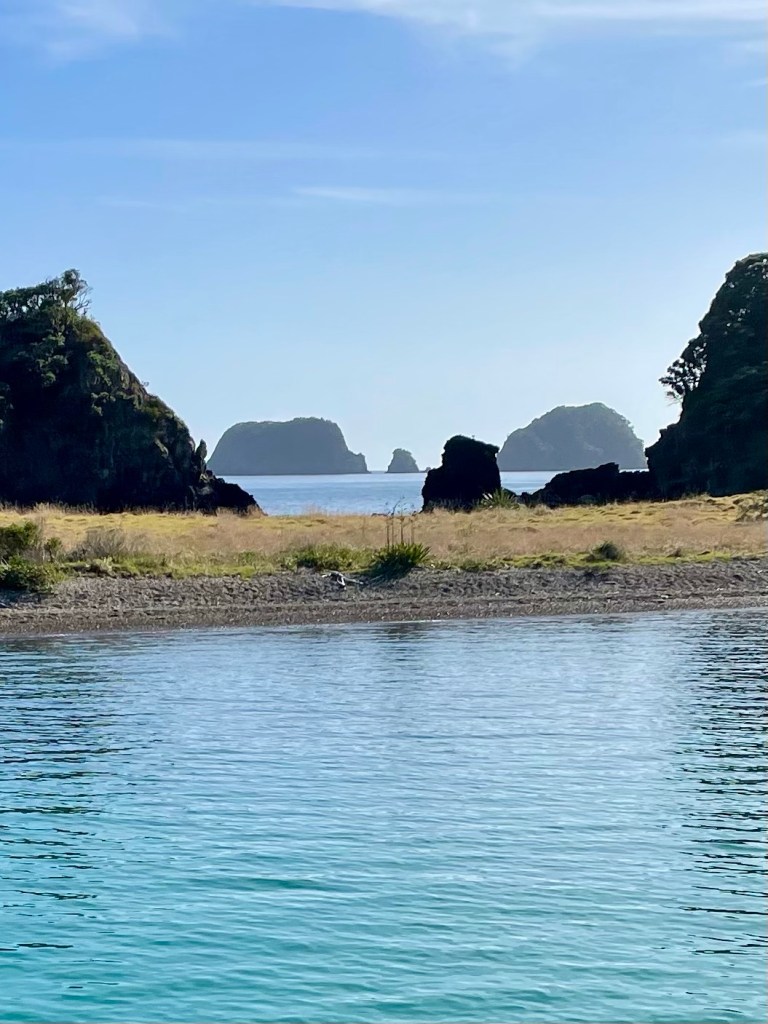
Porto

We left Lisbon by train and rolled into Porto early in the afternoon.
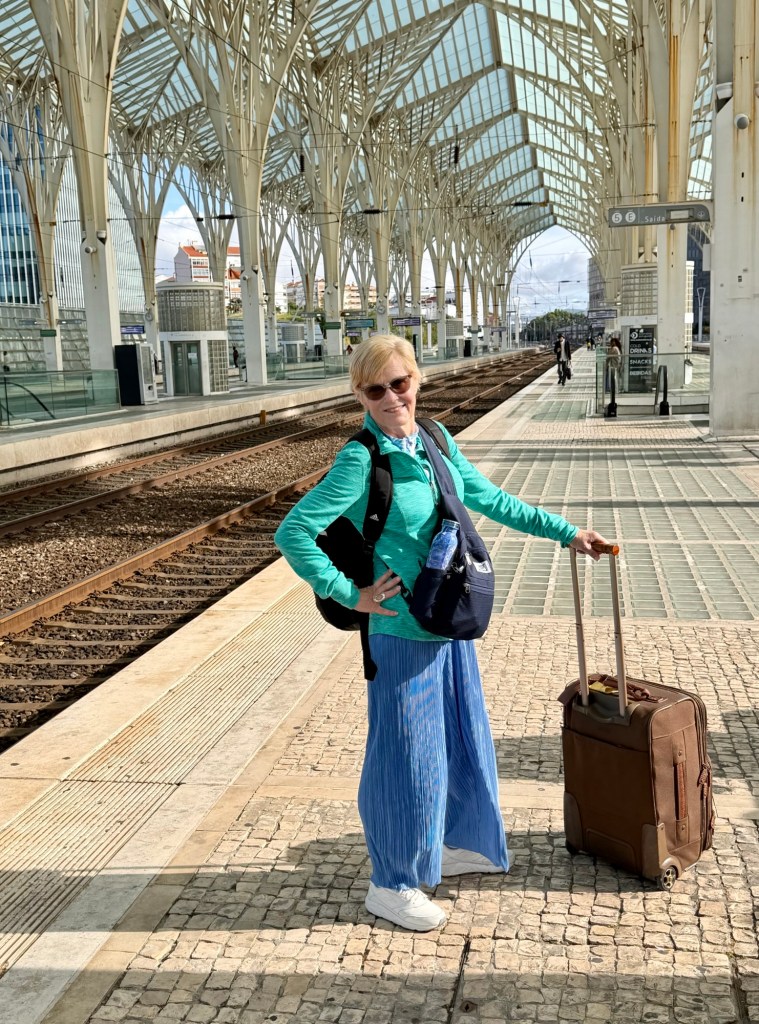
Our hotel was conveniently located about a block from the station. We dropped our bags and immediately headed out to explore.

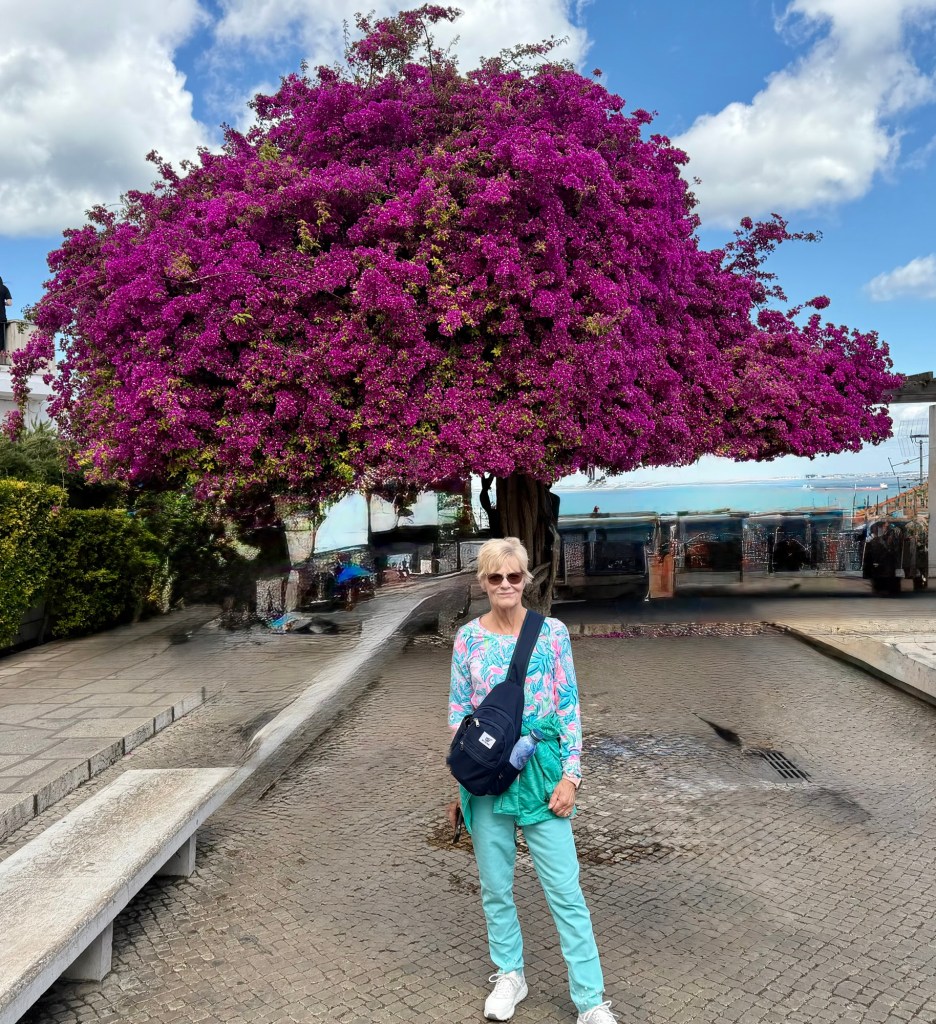
Porto is famously hilly. The city climbs steeply from the Douro River, with narrow alleys, and scenic overlooks tucked everywhere.
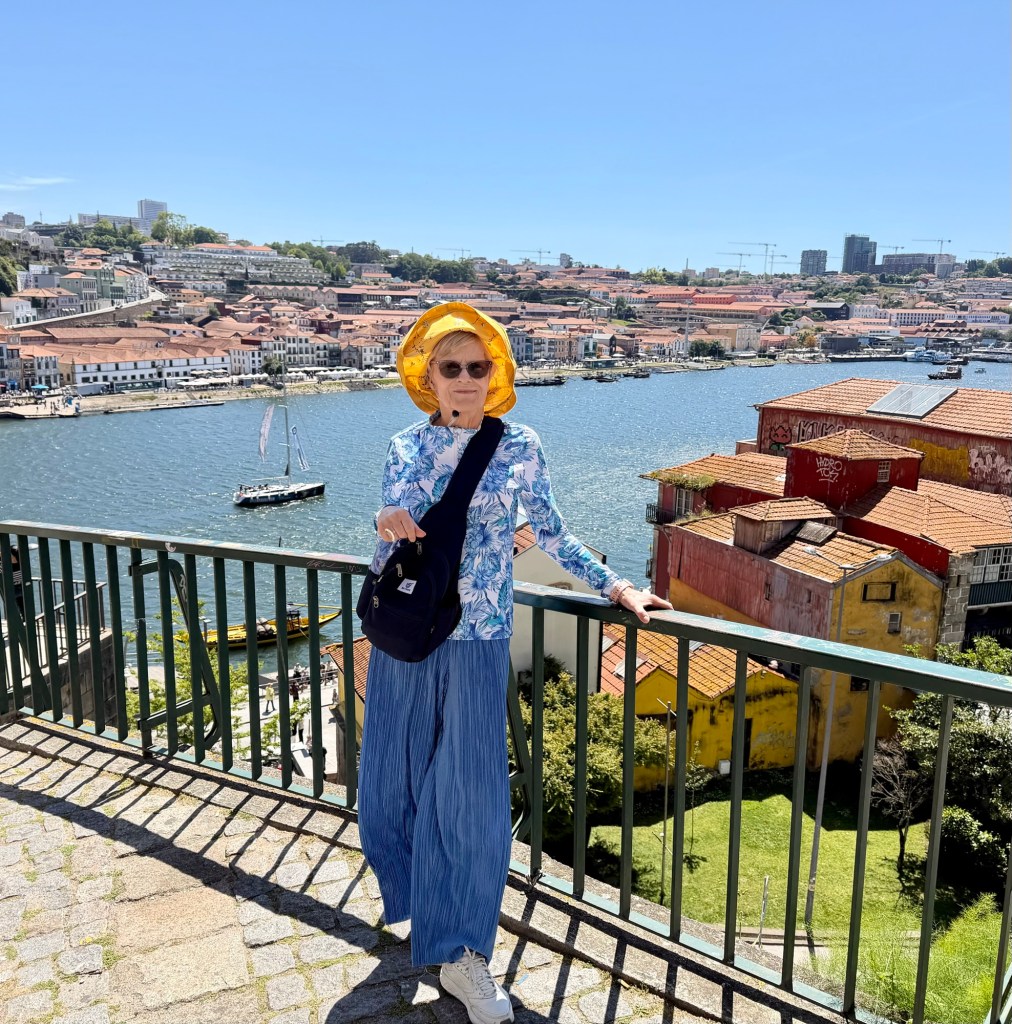
We like to walk. Kris isn’t happy unless she gets at least twenty thousand steps a day. I’m more of a binge walker. I’ll alternate between five hundred and fifty thousand. When I go, I go. When I don’t… I really don’t.

Our hotel sat near the top of the hill. We were headed down to the Ribeira district along the waterfront. That meant a steep descent on slick cobblestone streets while wearing flip-flops and searching desperately for handrails that didn’t exist. It felt dangerous

Eventually, we made it down to the river and decided to cross via the famous Dom Luís I Bridge. The bridge was designed by a student and former business partner of Gustave Eiffel, which explains why it looks a little Eiffel-ish.
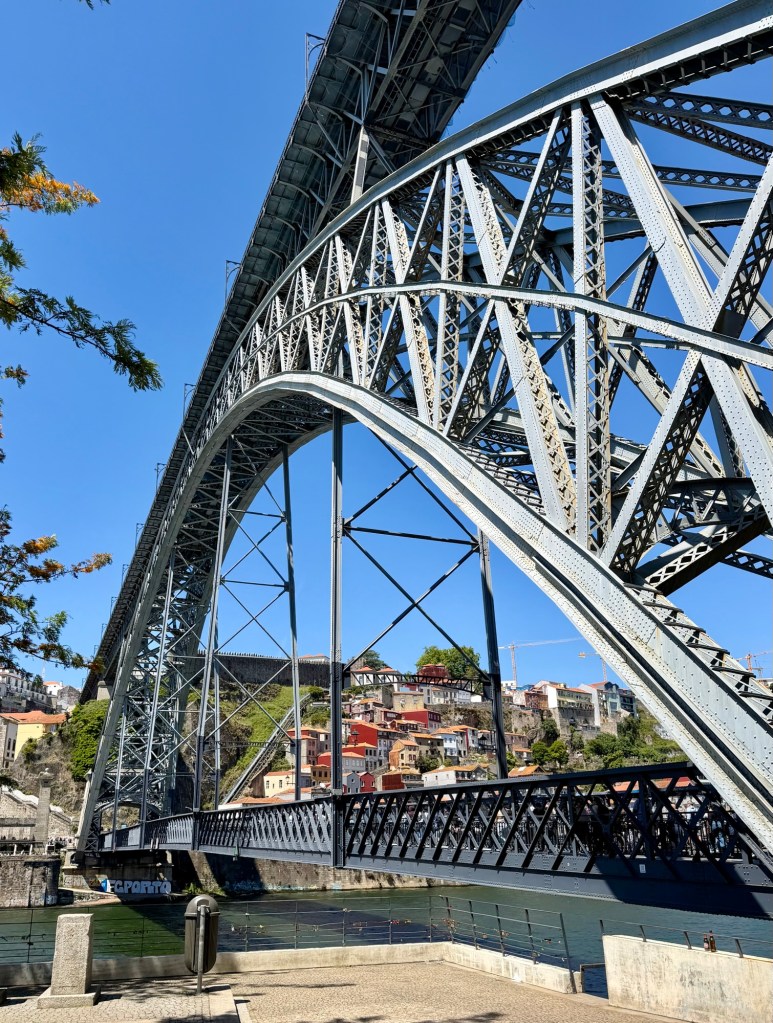
We’d considered taking one of the boat tours to see the six bridges spanning the Douro, but it was windy and cold walking across the bridge. Plus, after our transatlantic cruise, we’d had enough time on boats for a while.
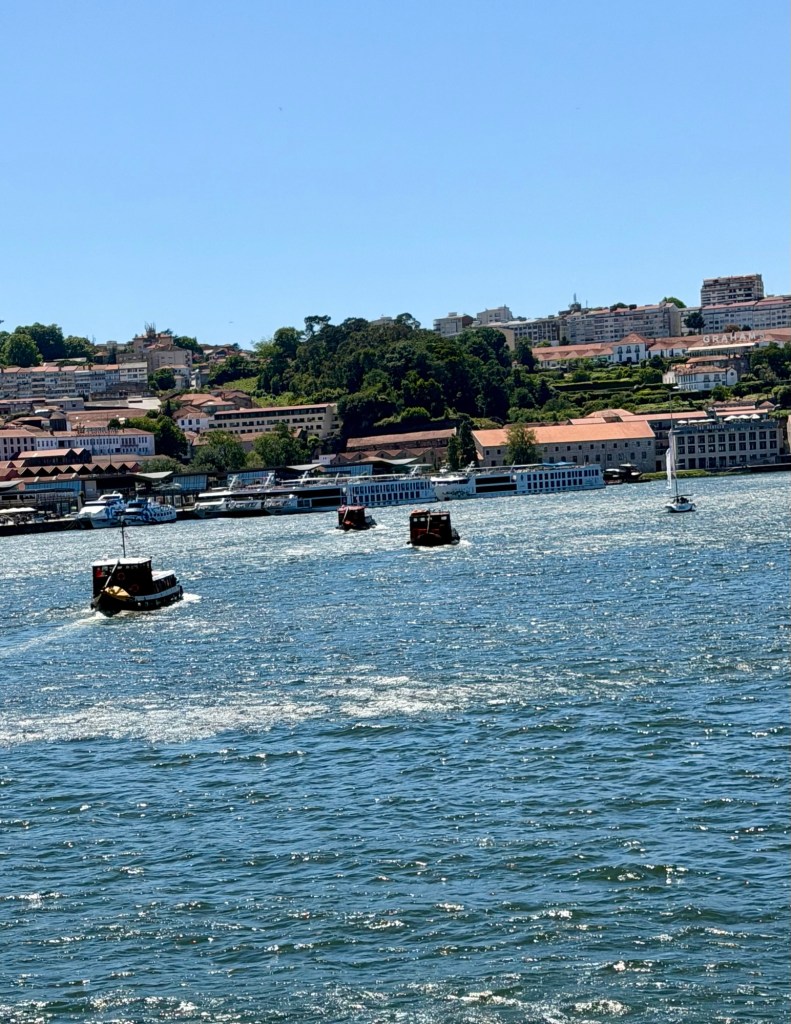
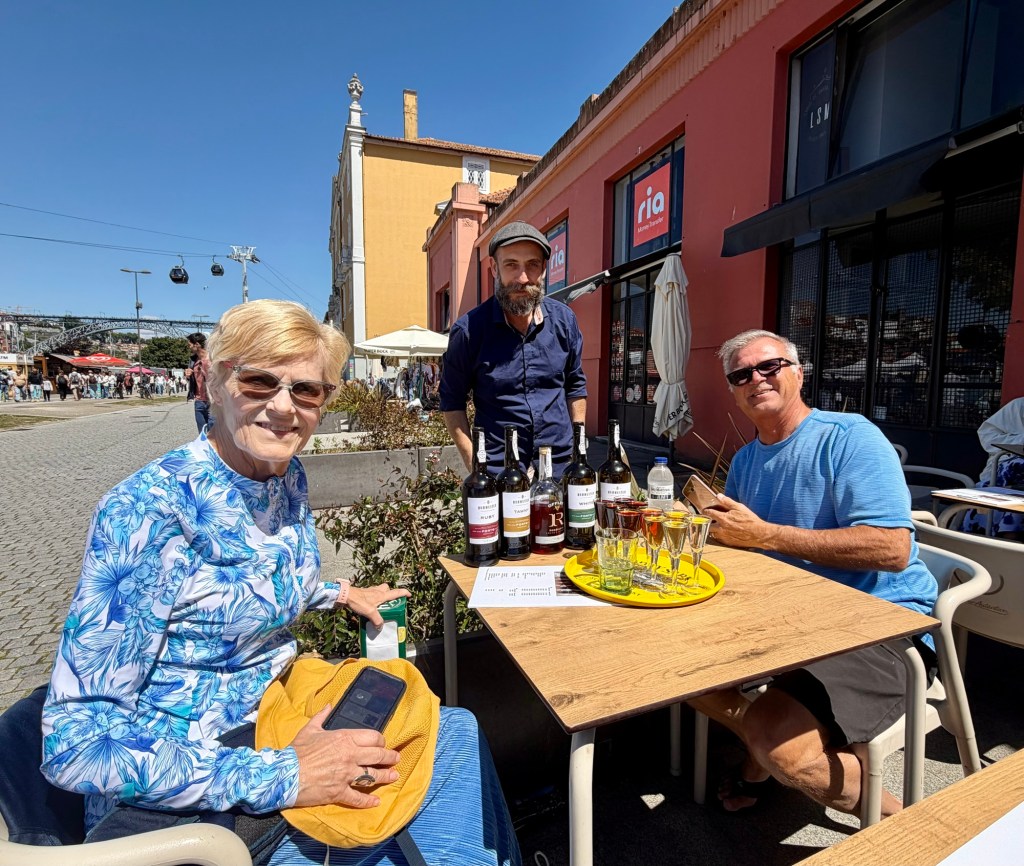
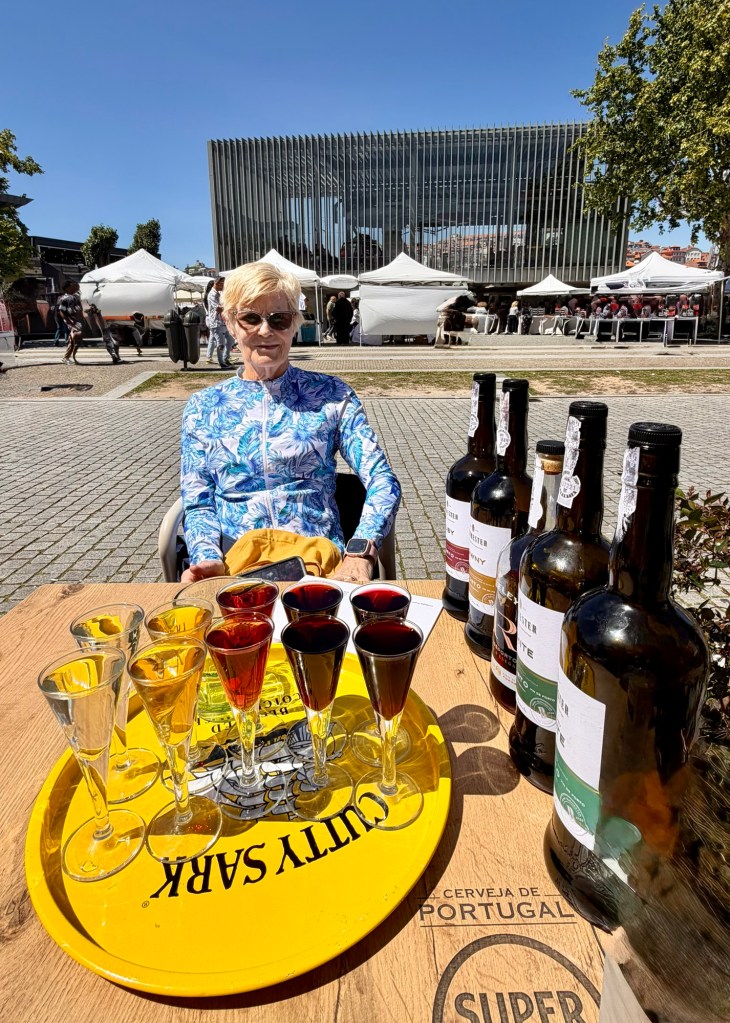
Across the river sits Vila Nova de Gaia, home to the famous port wine lodges. We stopped for a tasting. Port wine is a little too sweet for my taste. I’ll take a cold cerveza every time. Still, we enjoyed the music, the atmosphere, and watching people wander along the waterfront.
After a nice dinner, it was time to head back uphill to the hotel. We took an Uber. Pride only goes so far.

The one thing I really wish we’d had time for was a cruise up to the Douro Valley, Portugal’s famous wine region. That’s really a full-day trip, and our timing just didn’t allow for it.

If you ever visit Porto, I’d recommend spending at least two days there. One day for the Douro Valley and another to explore the riverfront, bridges, wine lodges, and hills. And if possible, find lodging closer to the waterfront. Just saying.

Next stop… Baiona, Spain. One of my favorite stops on the Coastal Portuguese Camino.

Adios.

Pete
Lisbon

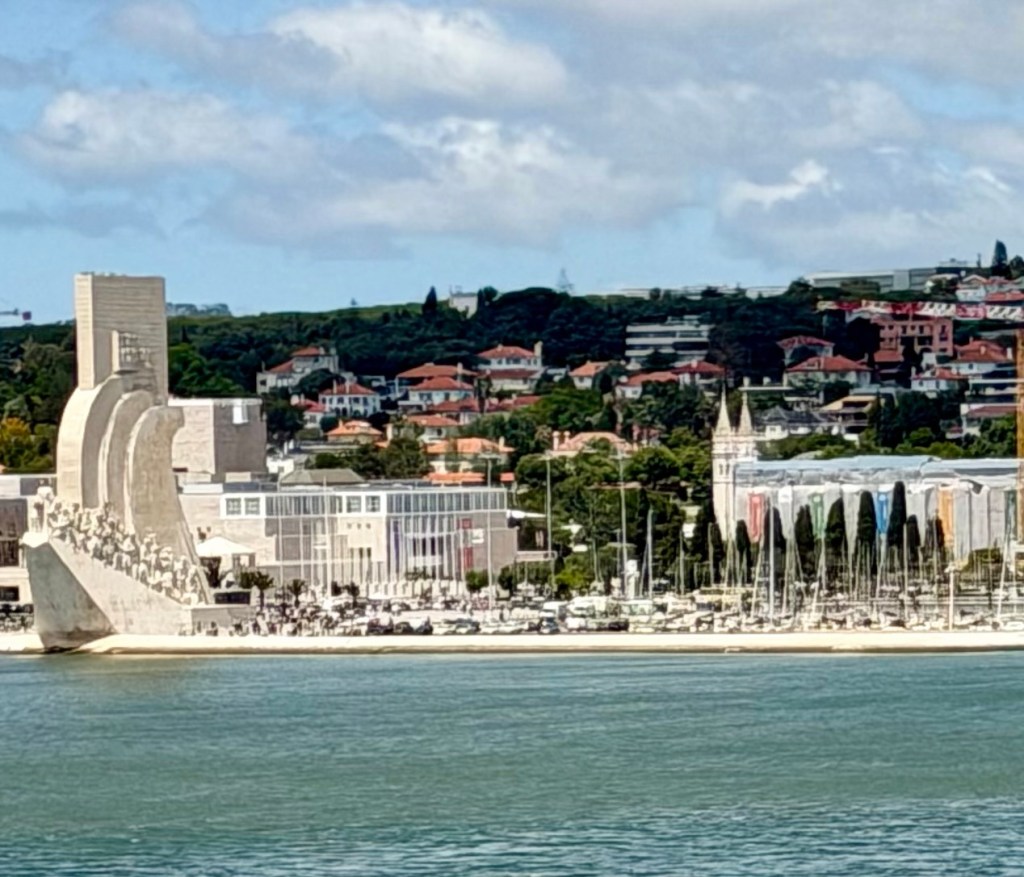
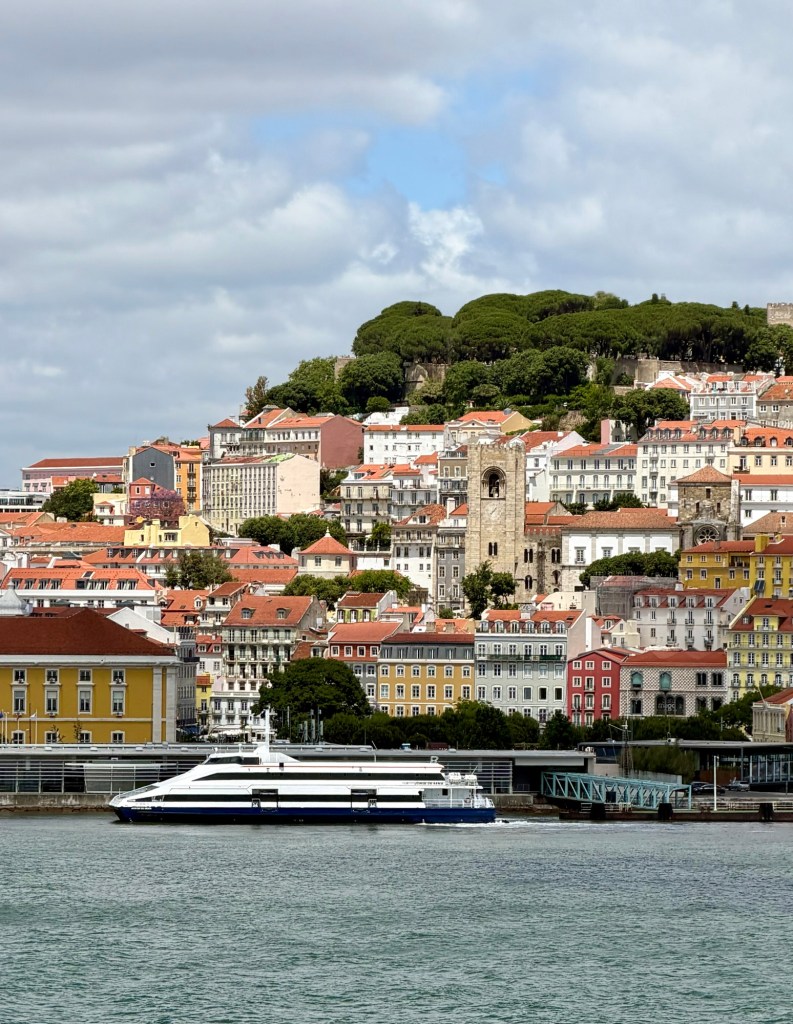
The Insignia docked in Lisbon Friday afternoon. The end of our sail across the Atlantic.

Lisbon is old. Really old. In fact, it’s one of the oldest cities in Western Europe—believed to be several centuries older than Rome.

During the Age of Exploration, Portuguese sailors like Vasco de Gama and Ferdinand Magellan launched from Lisbon to Africa, Brazil, India, and beyond. At one point Portugal controlled one of the world’s largest empires.

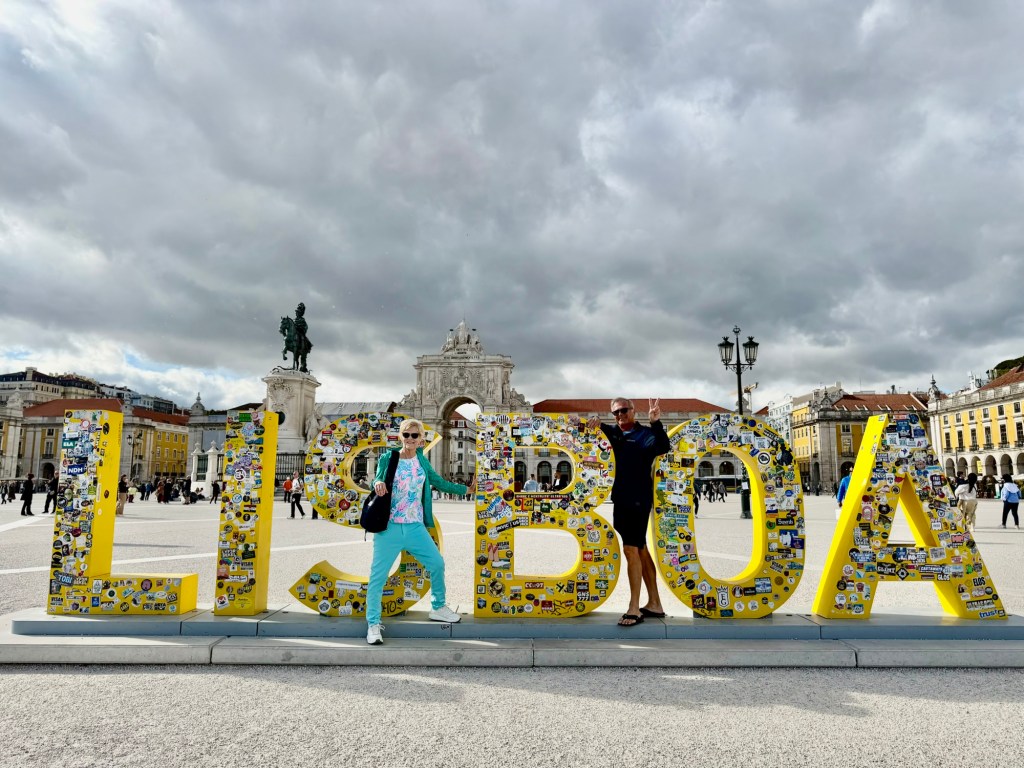
Kris and I got off the ship as quickly as possible to see what we could see.

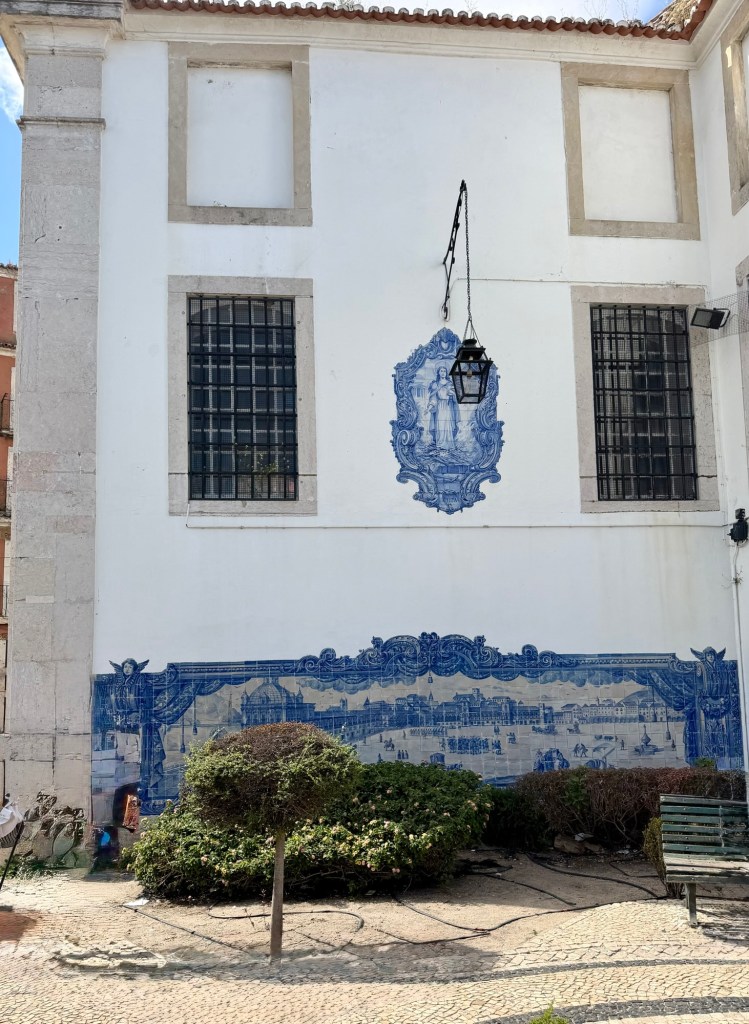
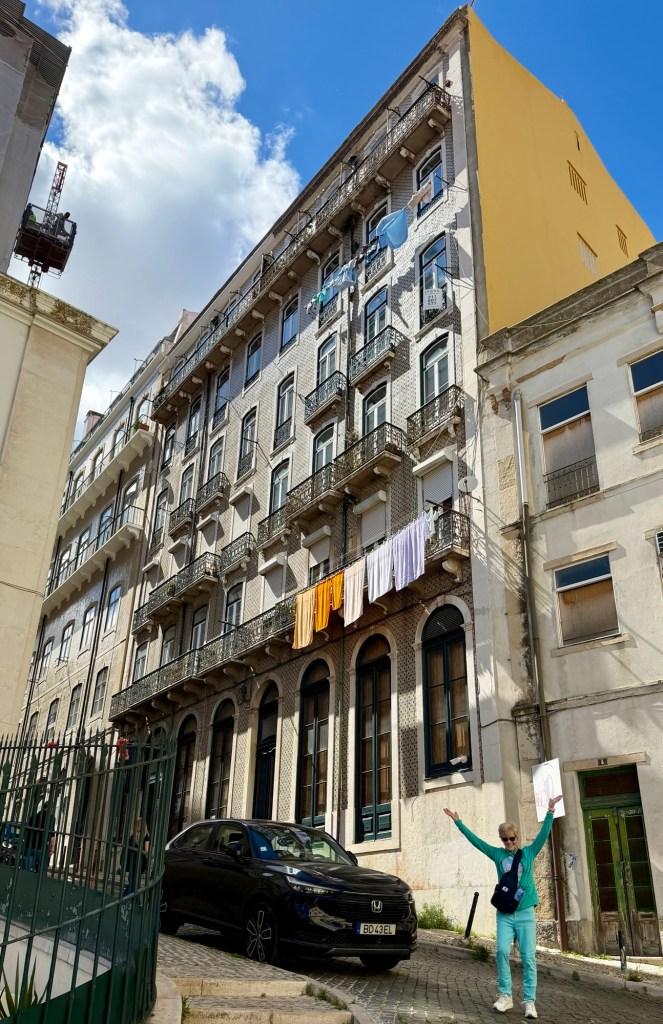
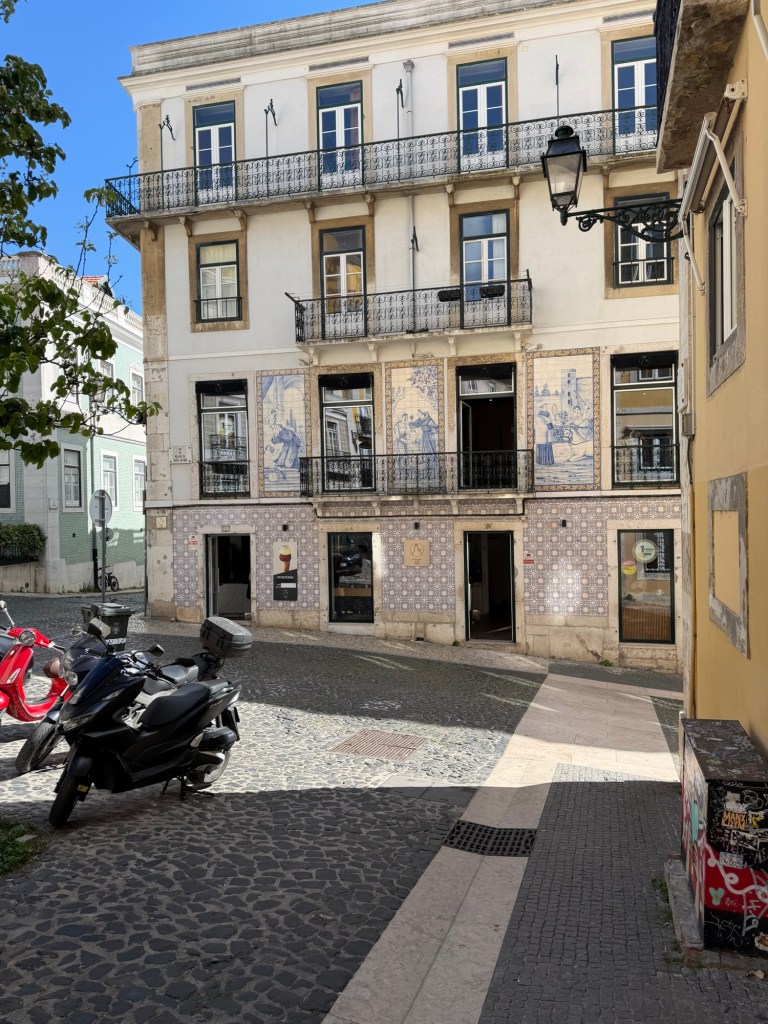
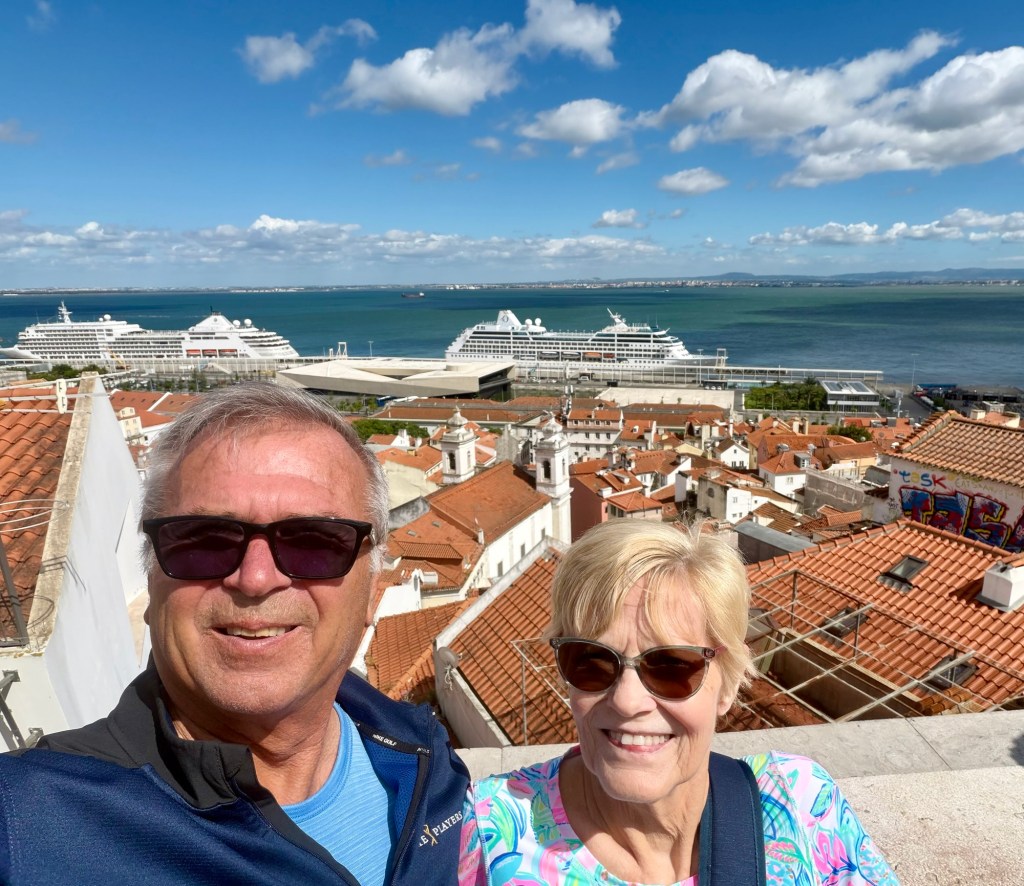
We wandered uphill through the Alfama district, the postcard version of Lisbon: narrow alleys, laundry hanging overhead, tiled buildings, tiny bars, and random scenic overlooks around nearly every corner.

We had one more night of free food and booze on the ship, so, naturally, we took advantage of that after our 5-mile stroll.

Saturday morning, we had to be off the ship by 8:30. The previous afternoon, we had met a random taxi driver and arranged for him to pick us up at the cruise terminal for a four-hour tour to Sintra. Maybe not the safest travel strategy, but we obviously survived.

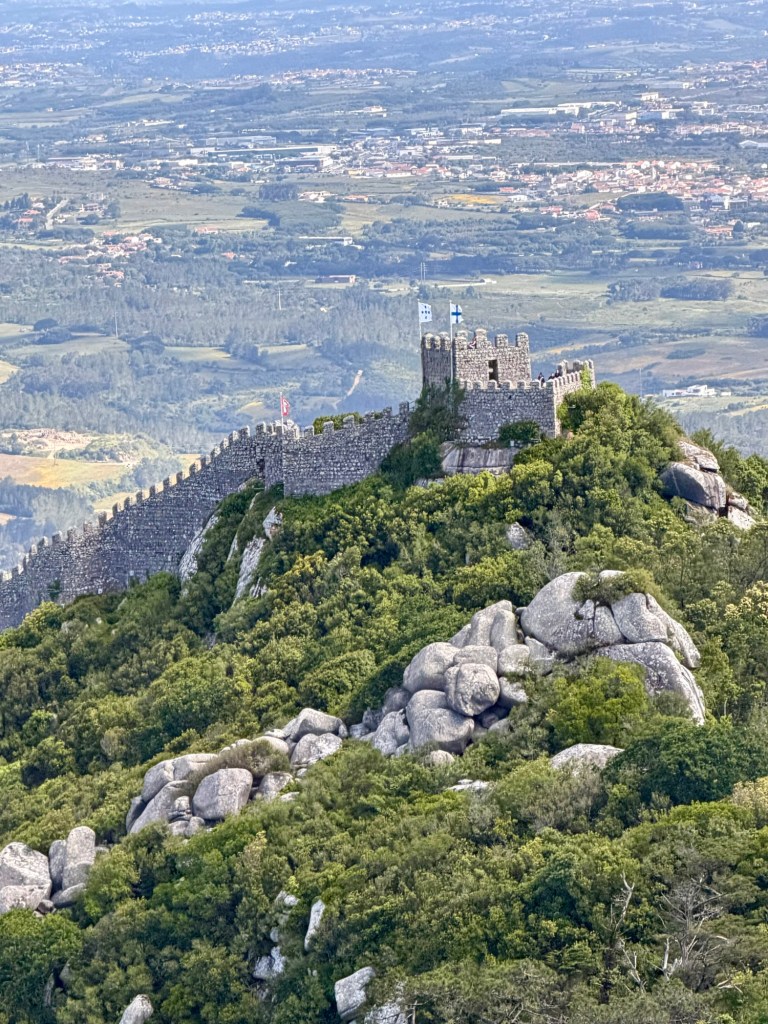
Sintra was the summer escape for Portuguese royalty. For centuries, kings and nobles fled Lisbon’s summer heat for the cooler hills and forests of the region. Think royal playground meets fantasy novel setting.

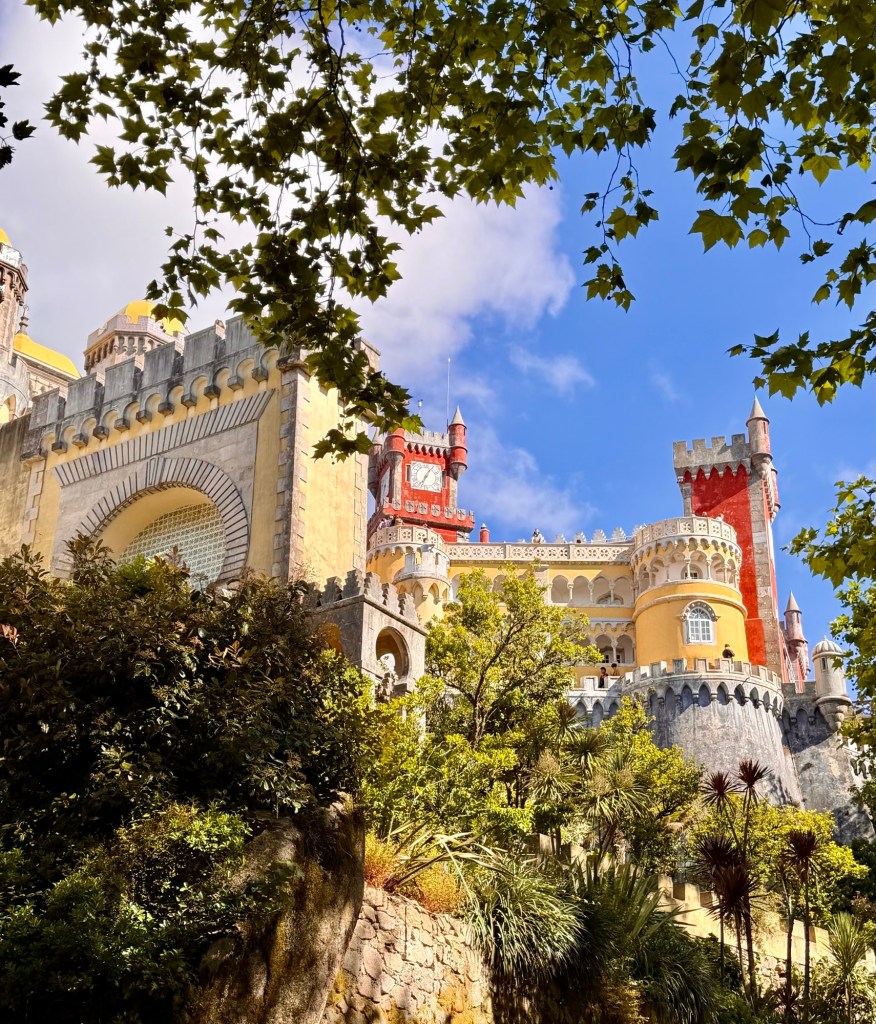
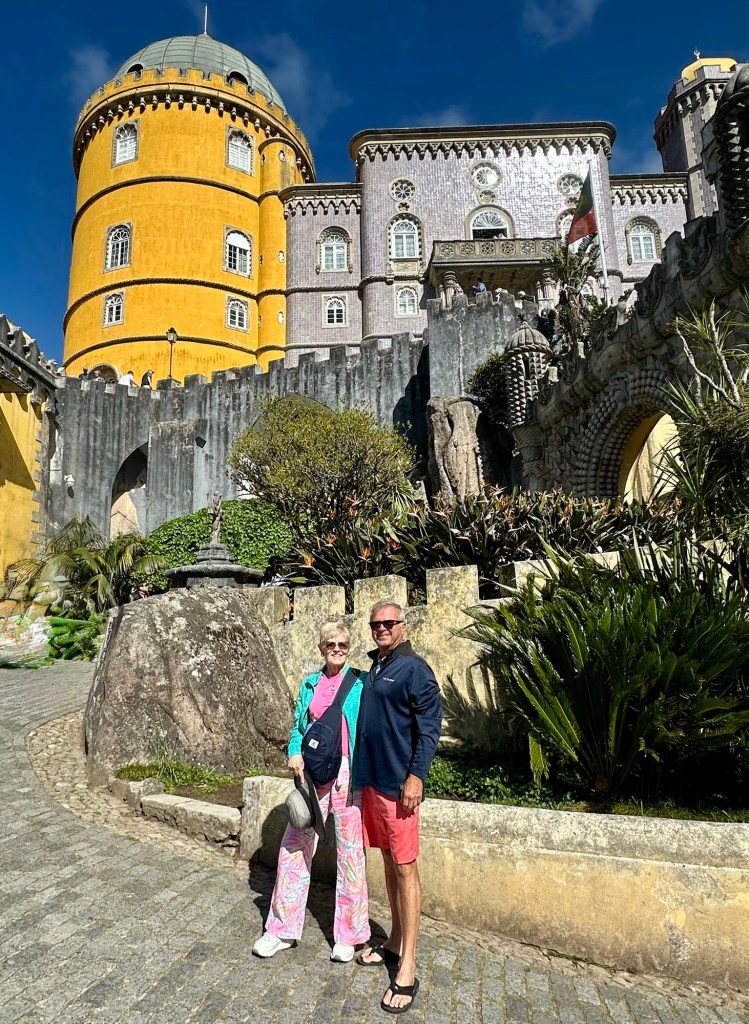
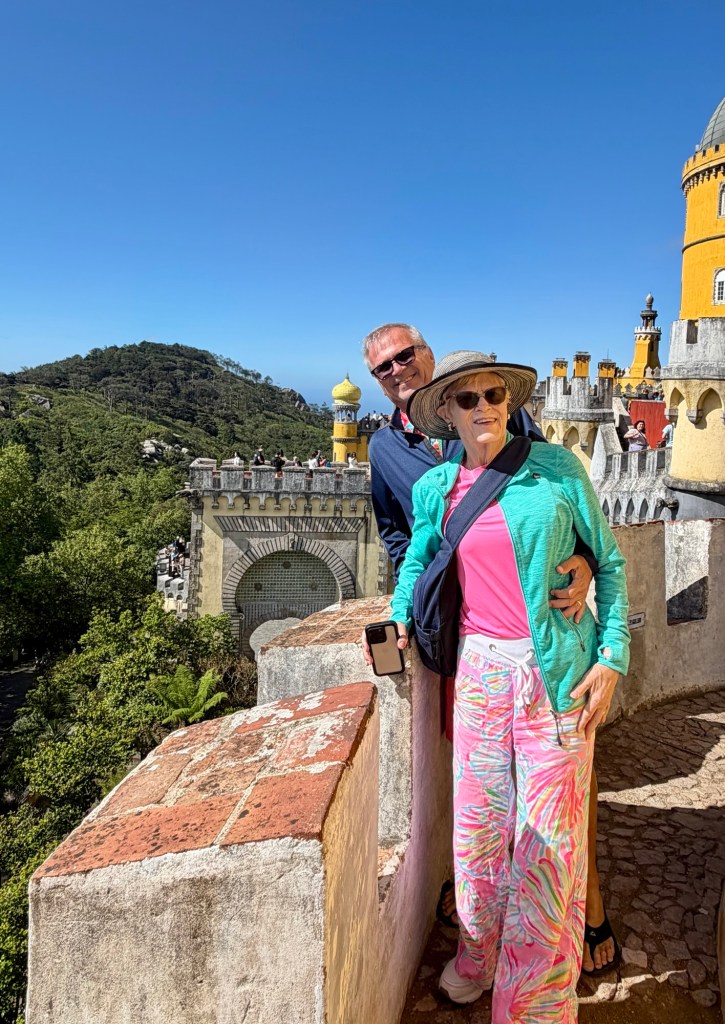
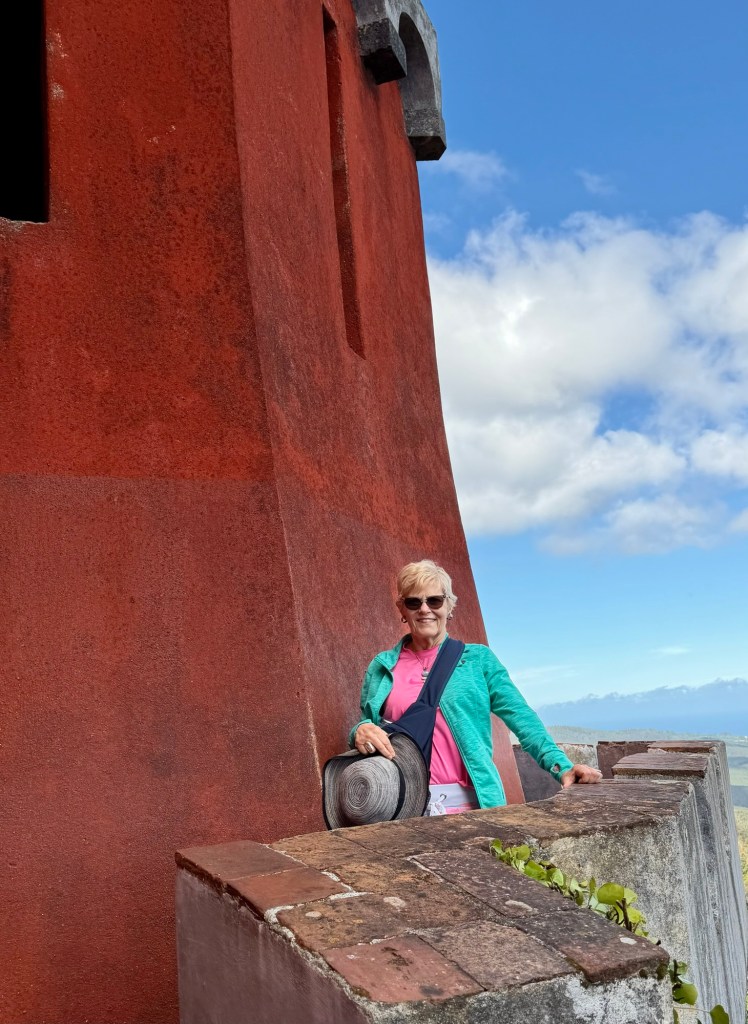
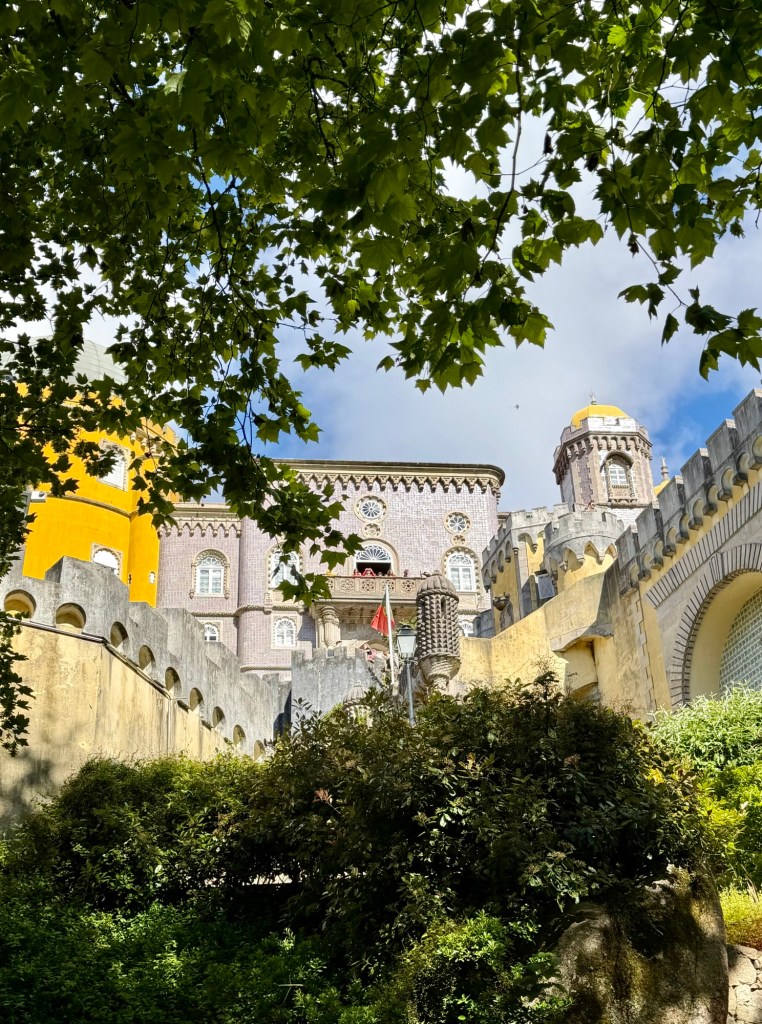
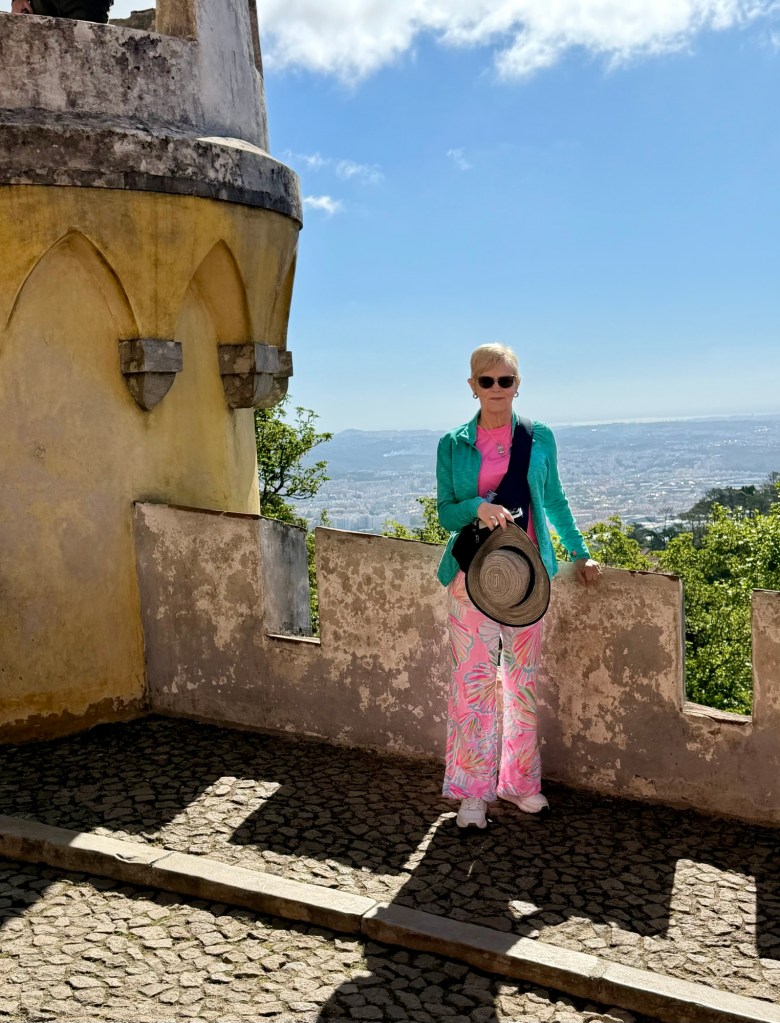
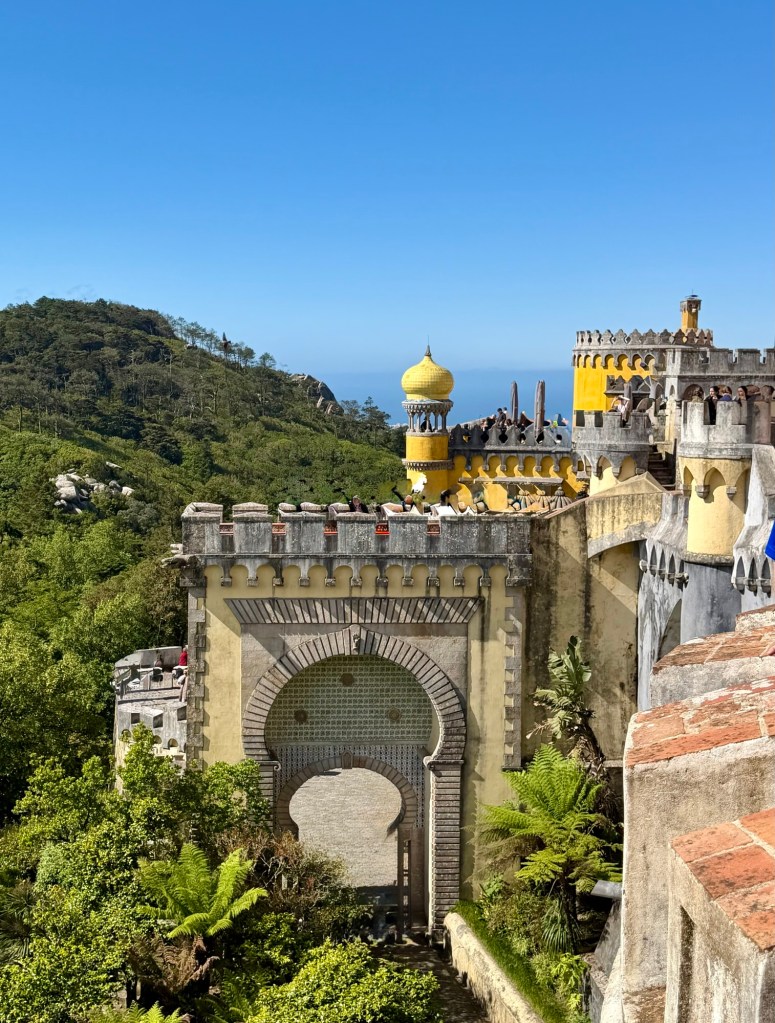
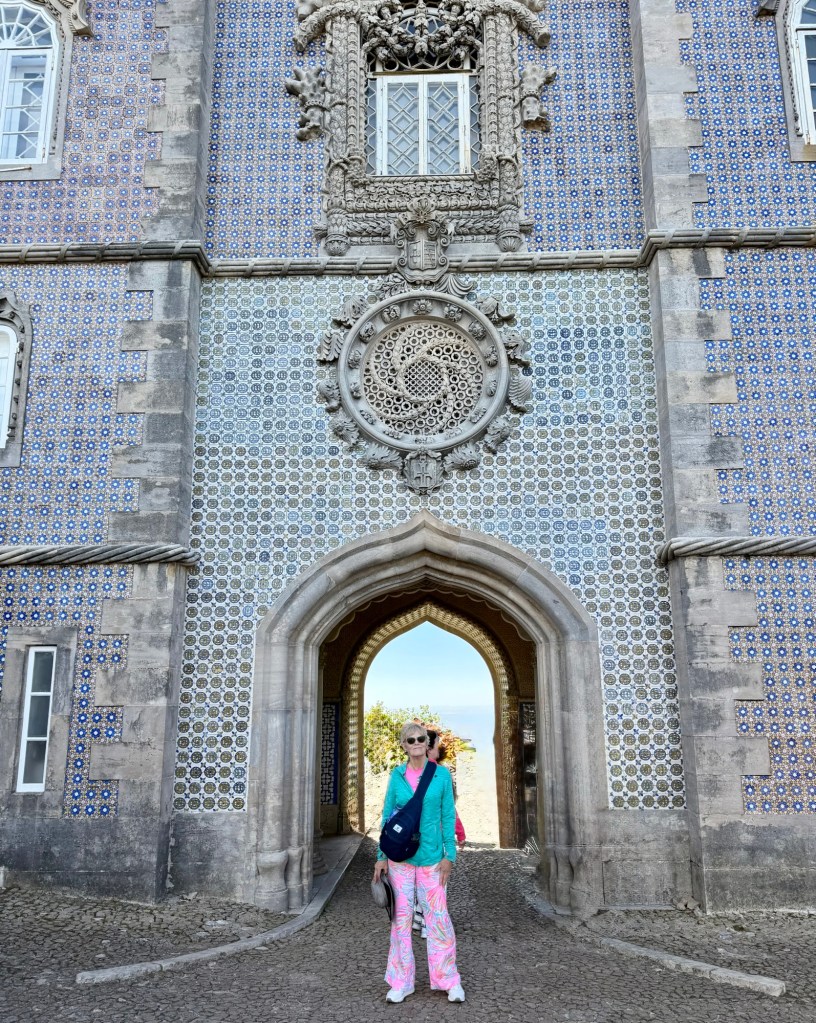
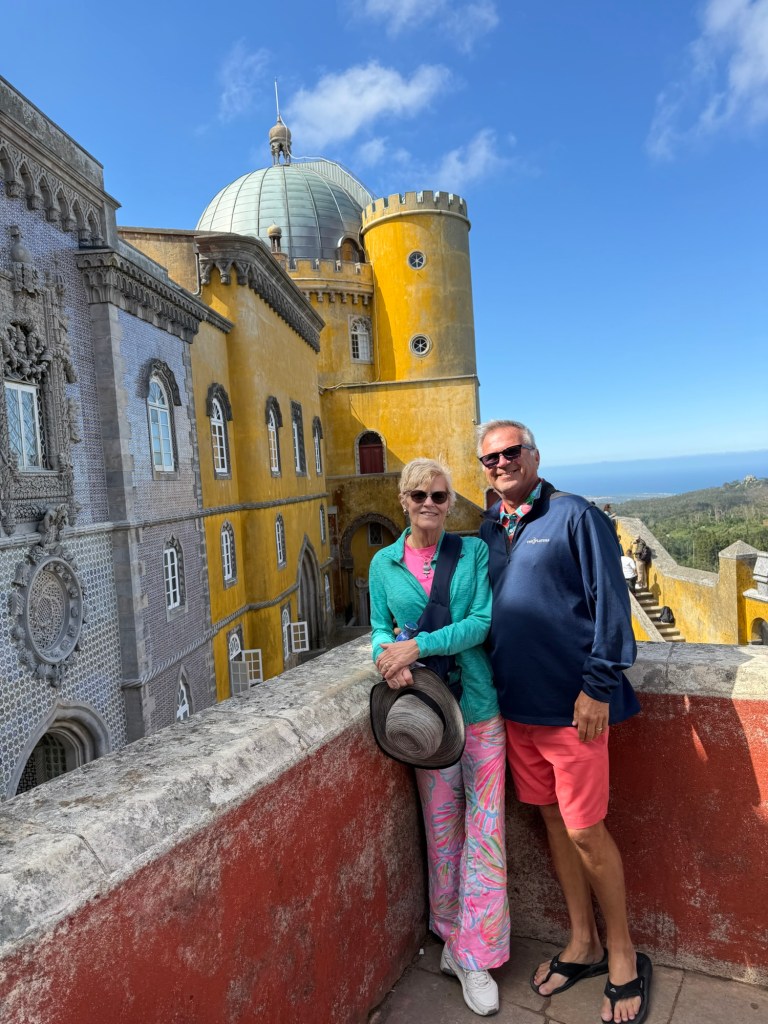
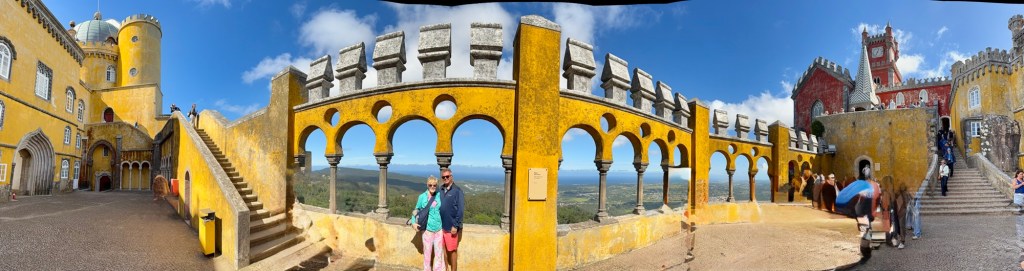
Our first stop was Pena Palace. We didn’t have time to tour the interior, but we walked the terraces and took in the colorful exterior and sweeping viewpoints. If Dr. Seuss had designed a European castle, it might’ve looked something like Pena Palace. The place almost looks fake in person.

We then headed down to the village of Sintra, which poet Lord Byron visited in the early 1800s and described as a “glorious Eden.” That romantic reputation helped make Sintra famous across Europe. It’s also now one of the most overcrowded places in Portugal.

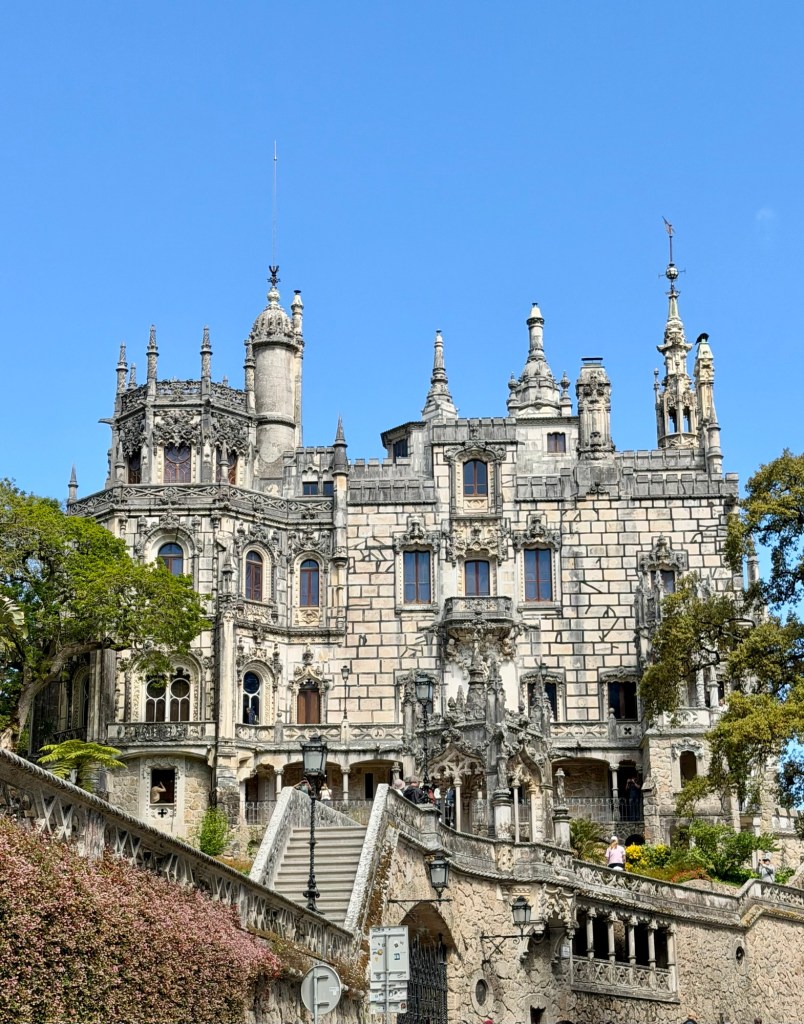
After strolling through town, we made our way to Quinta da Regaleira, considered by many to be the most fascinating estate in Portugal, with underground tunnels, hidden grottoes, spiral wells, and mysterious occult symbolism. Unfortunately, with limited time, we only explored the grounds from the outside.

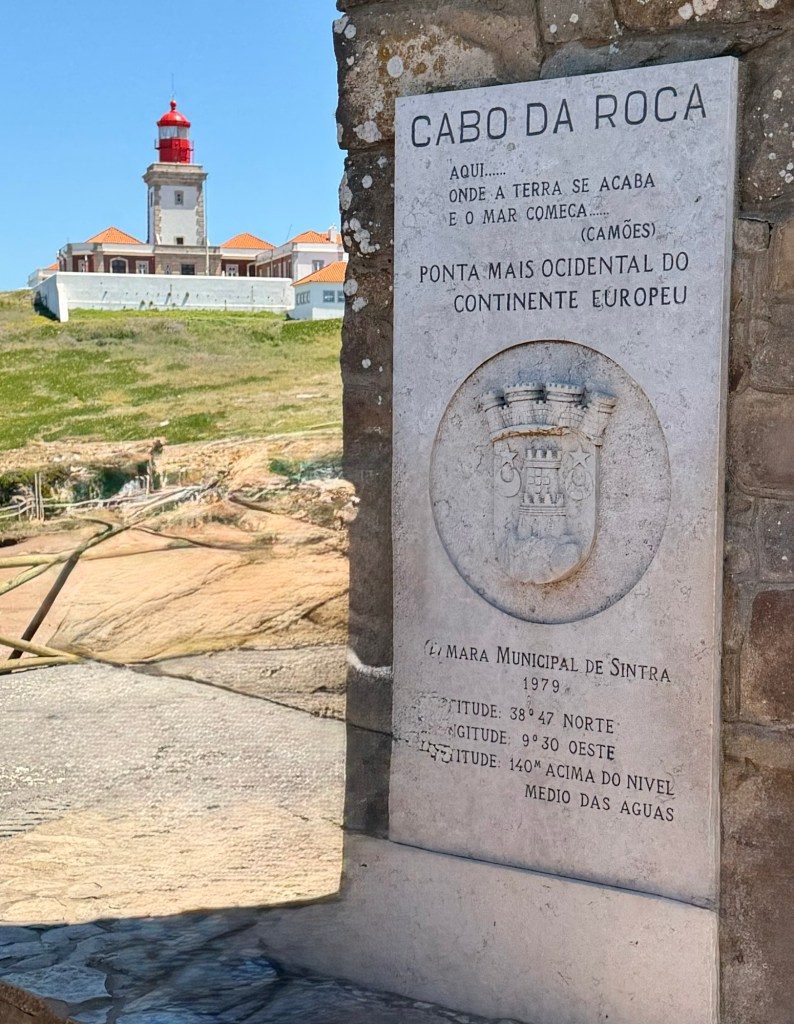
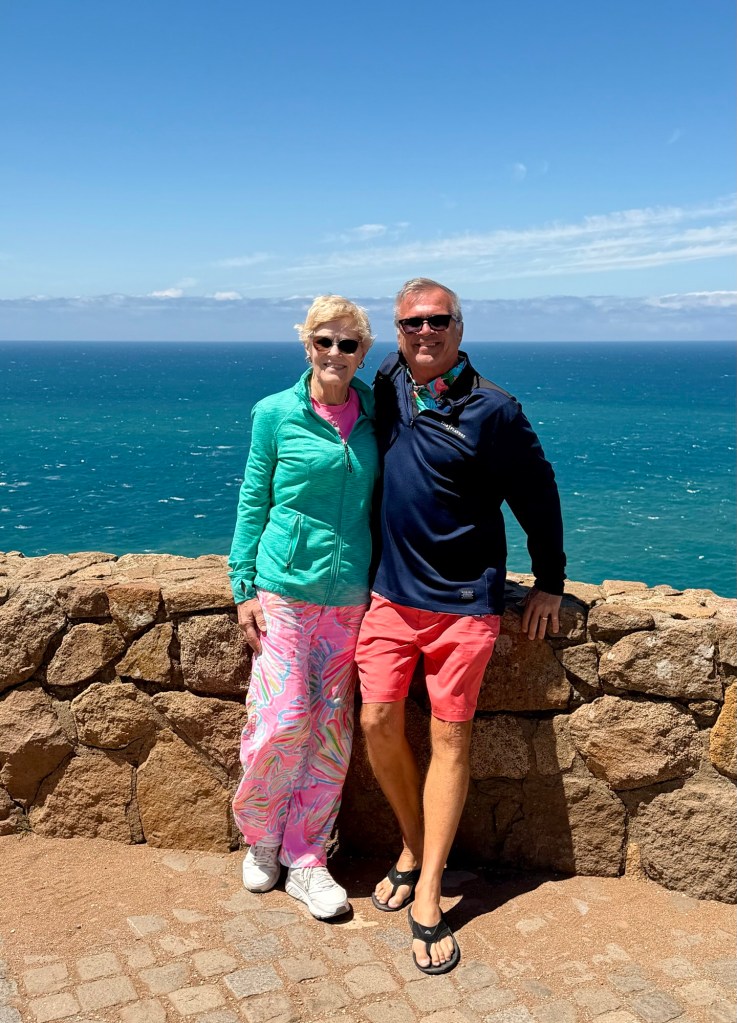
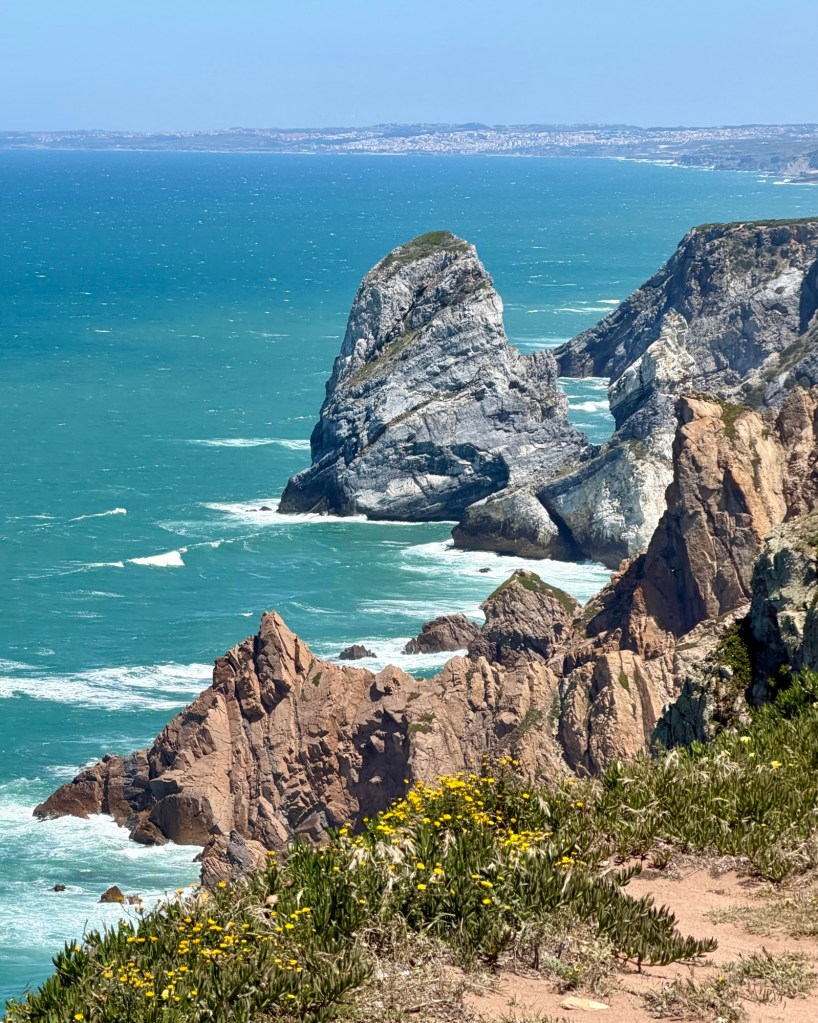
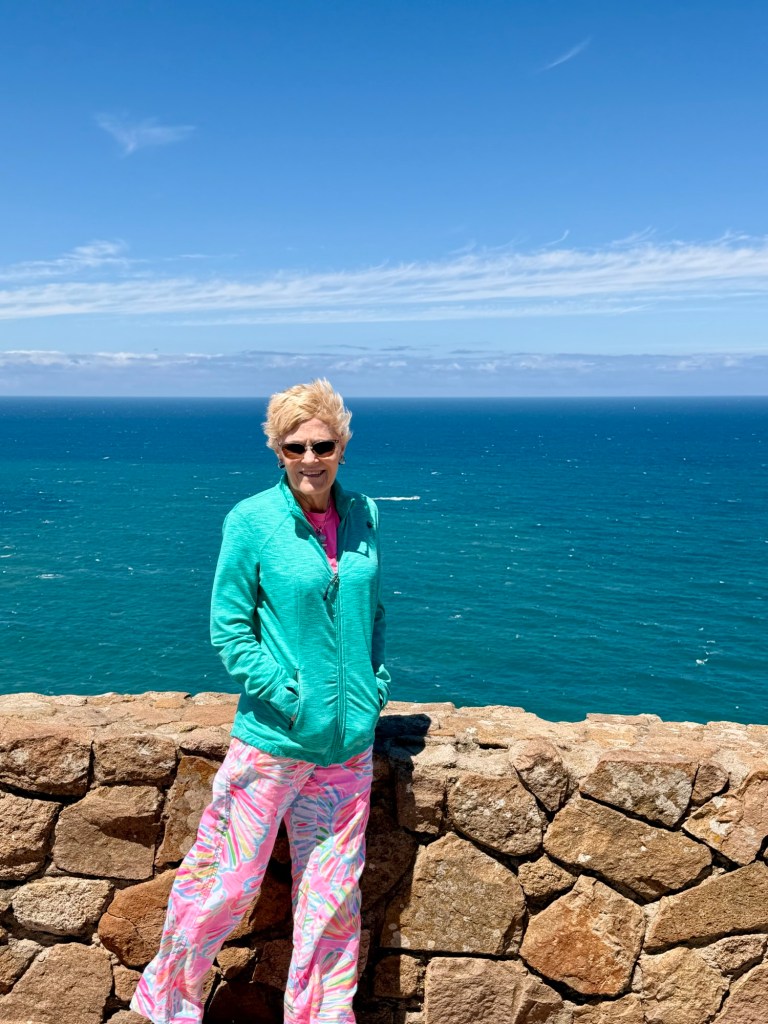
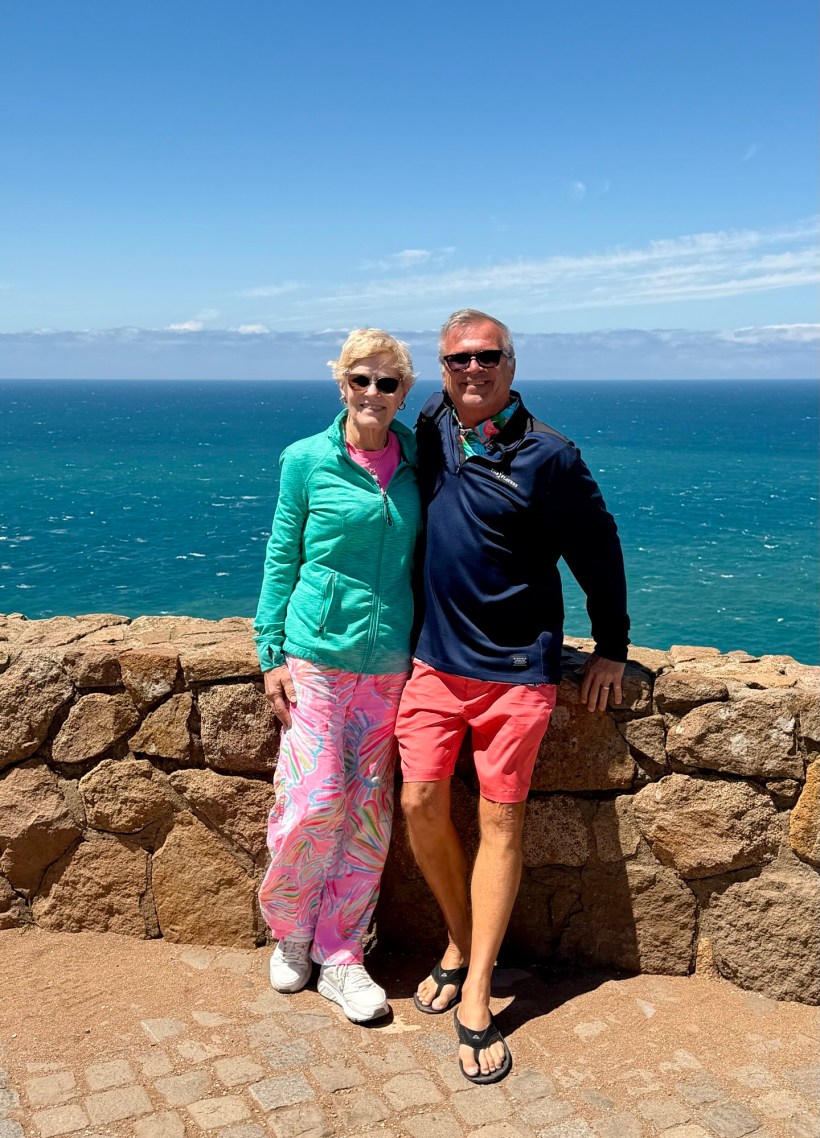
Our final stop was Cabo da Roca, the westernmost point of mainland Europe.

“Where the land ends and the sea begins.”

The cliffs were stunning. The wind was ridiculous. But there’s something about standing at the edge of a map that feels pretty cool.

We definitely didn’t spend enough time in the Lisbon area. Sintra alone deserves a full day. Lisbon is fun, unique, and easily worth at least two or three days.

Tomorrow we head to Porto for another quick stop. Over the next couple of weeks, we’ll be visiting some of my favorite towns from the Camino.

Should be fun.

Come along.

Just Pete.

Azores

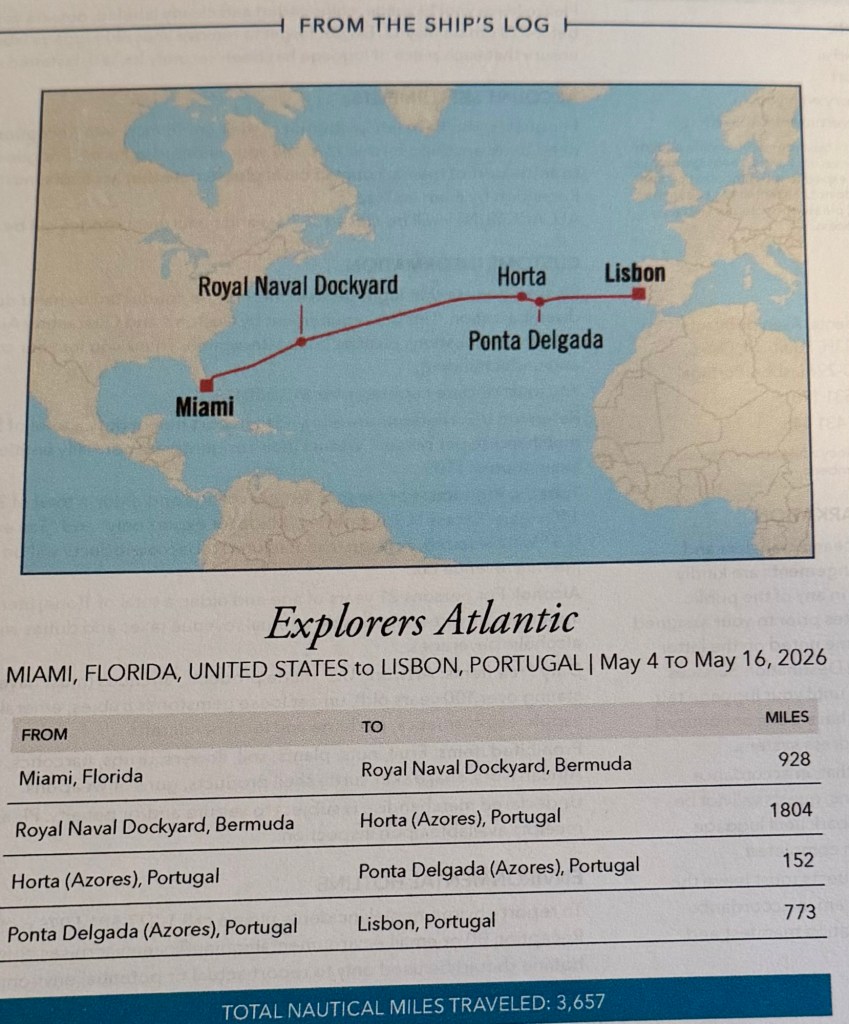
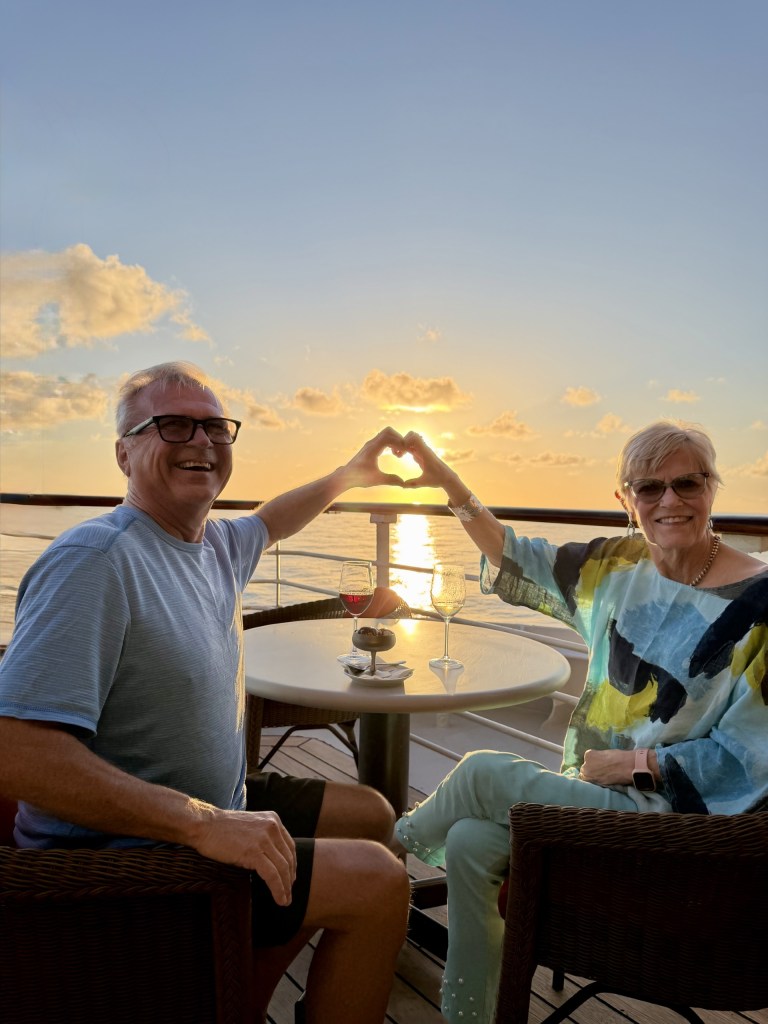
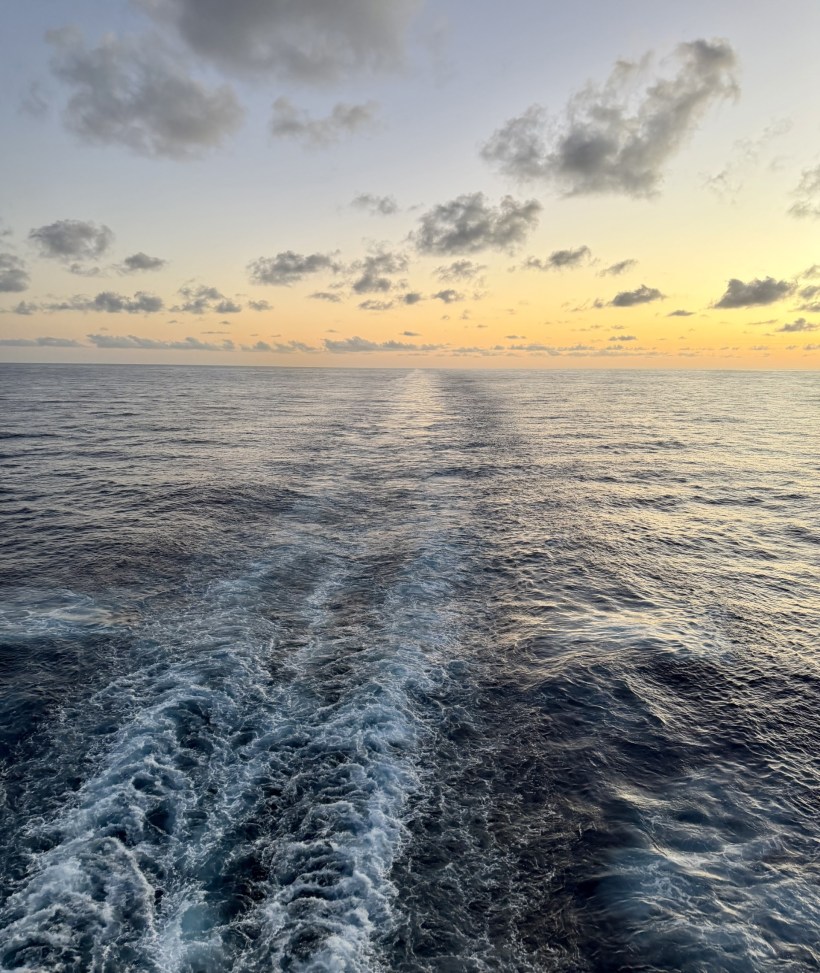
After leaving Bermuda, we spent four days and five nights crossing the Atlantic. That’s a long stretch at sea, but Kris and I don’t mind as long as the ocean behaves itself. Besides, cruise ships make suffering manageable with unlimited food, booze, and entertainment.

Our destination was the Azores, a Portuguese archipelago in the middle of the Atlantic Ocean. Technically part of Europe, the islands sit about 900 miles west of Portugal and roughly halfway between Europe and North America. Because of that location, they were an important stop for ships crossing the Atlantic for centuries.

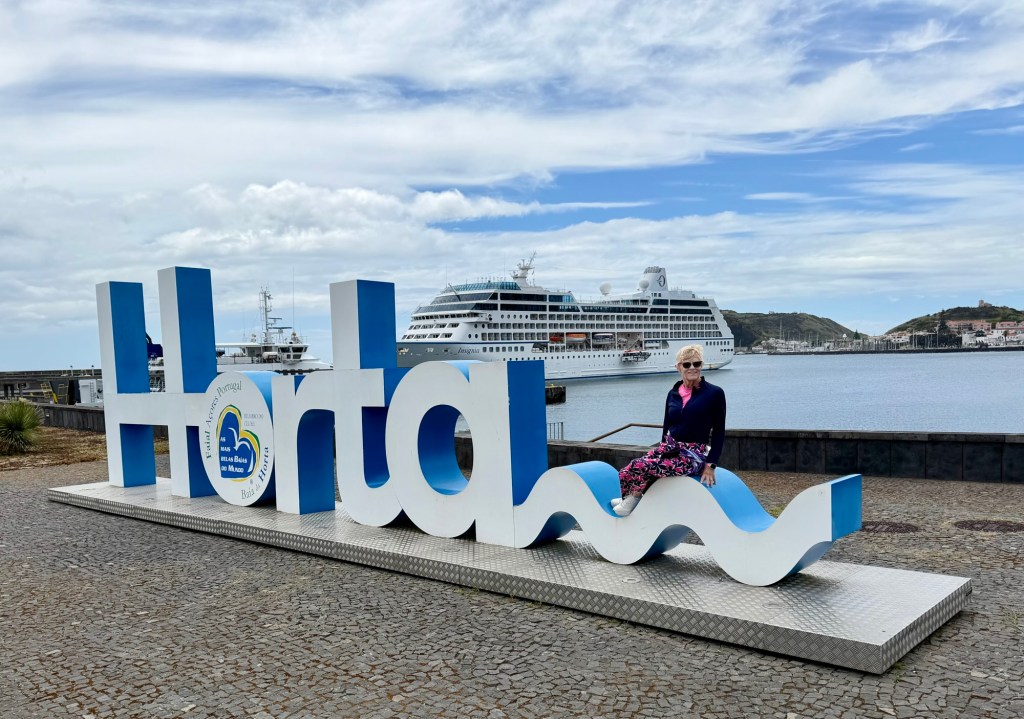
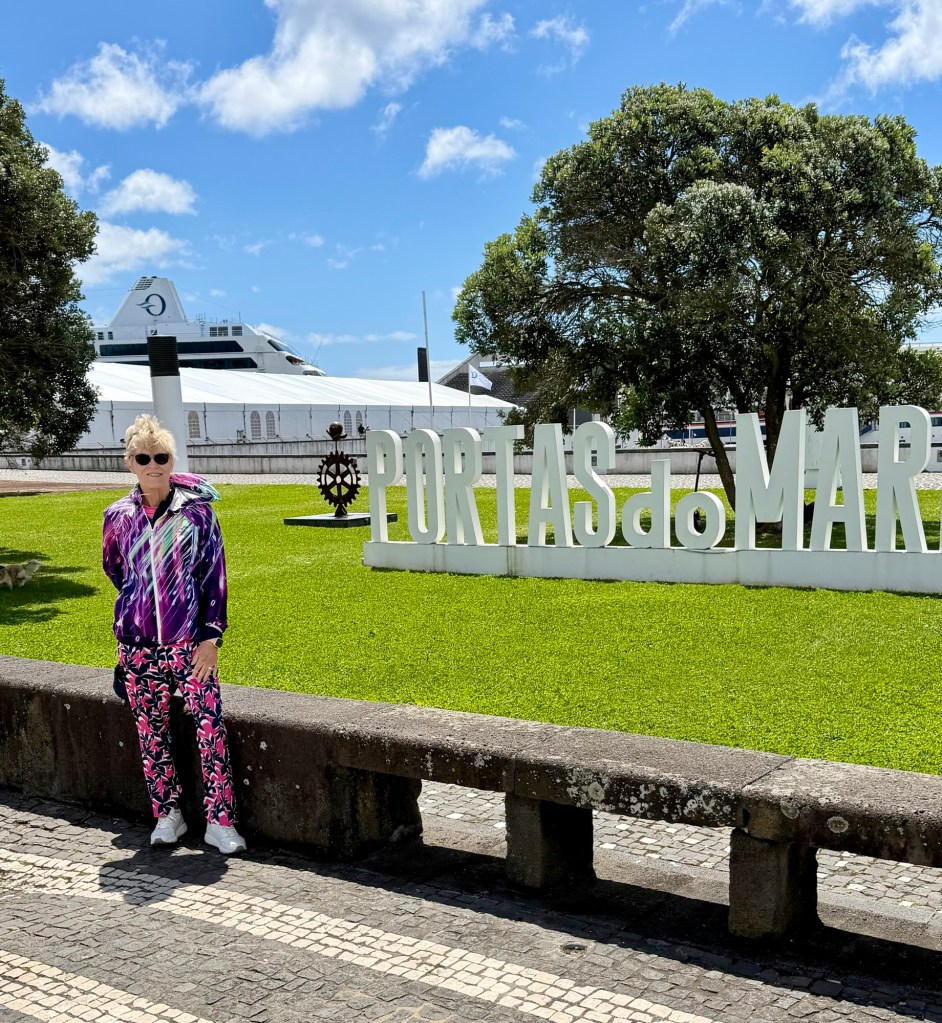
Our first stop was the island of Faial and the port city of Horta, one of the most famous sailing stops in the North Atlantic.

Horta has long been considered an iconic transatlantic sailing port. There’s even an old sailor superstition that boats skipping Horta have bad luck crossing the Atlantic. Whether that’s true or not… sailors don’t mess around with ocean karma.

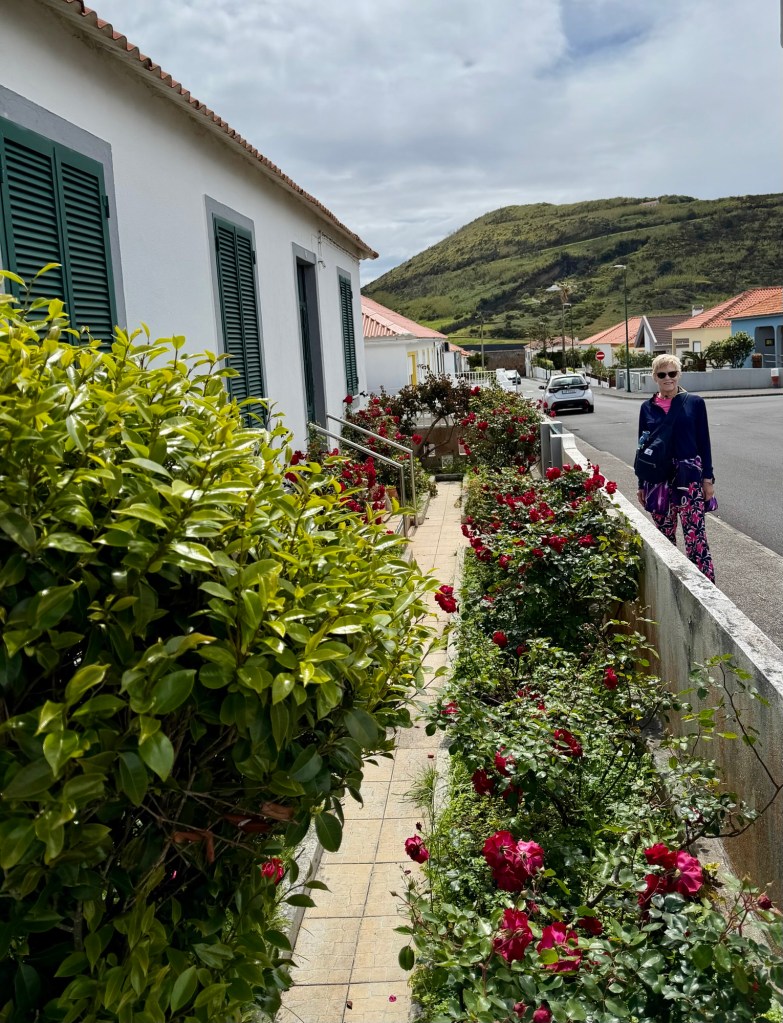
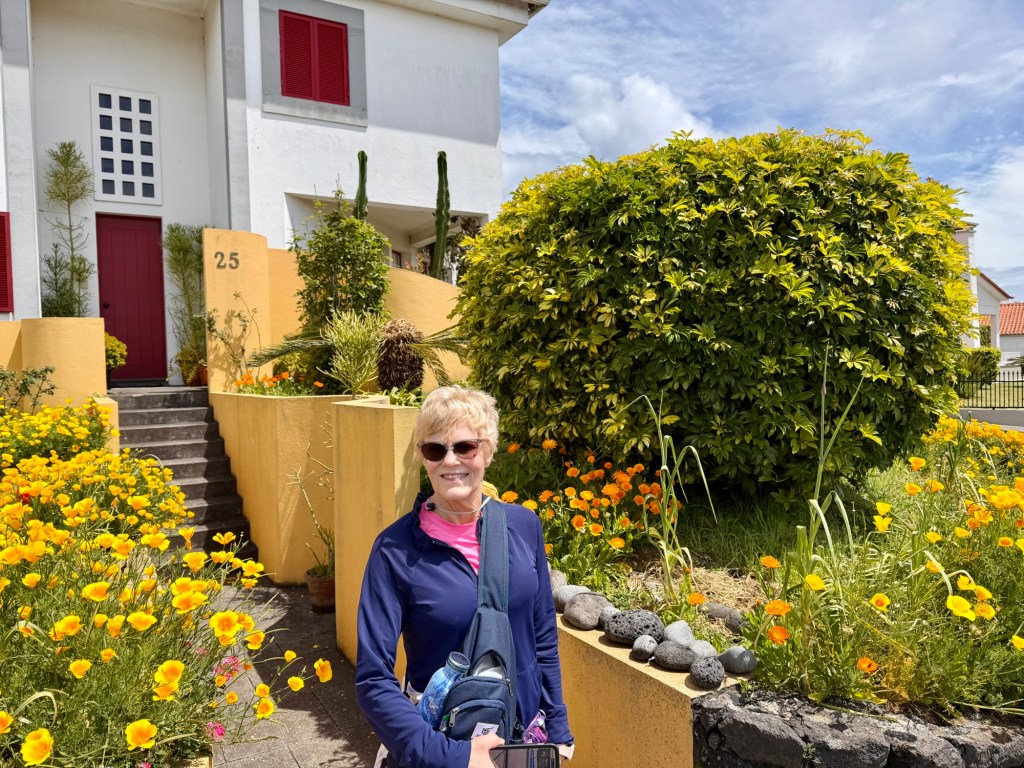
We spent the day wandering the marina and town on a self-guided walking tour. Plenty of flowers, greenery, and ocean views.

Later that afternoon, we set out for São Miguel Island, the largest and most populated island in the Azores. The next morning we woke up in the beautiful harbor city of Ponta Delgada.

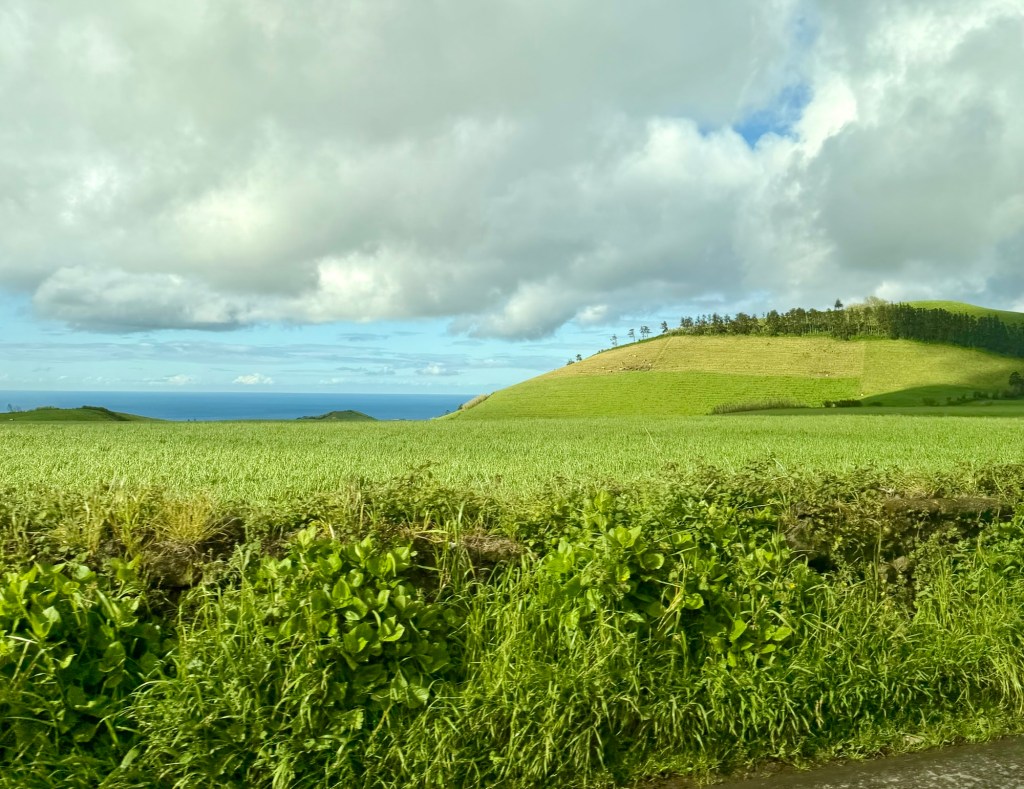
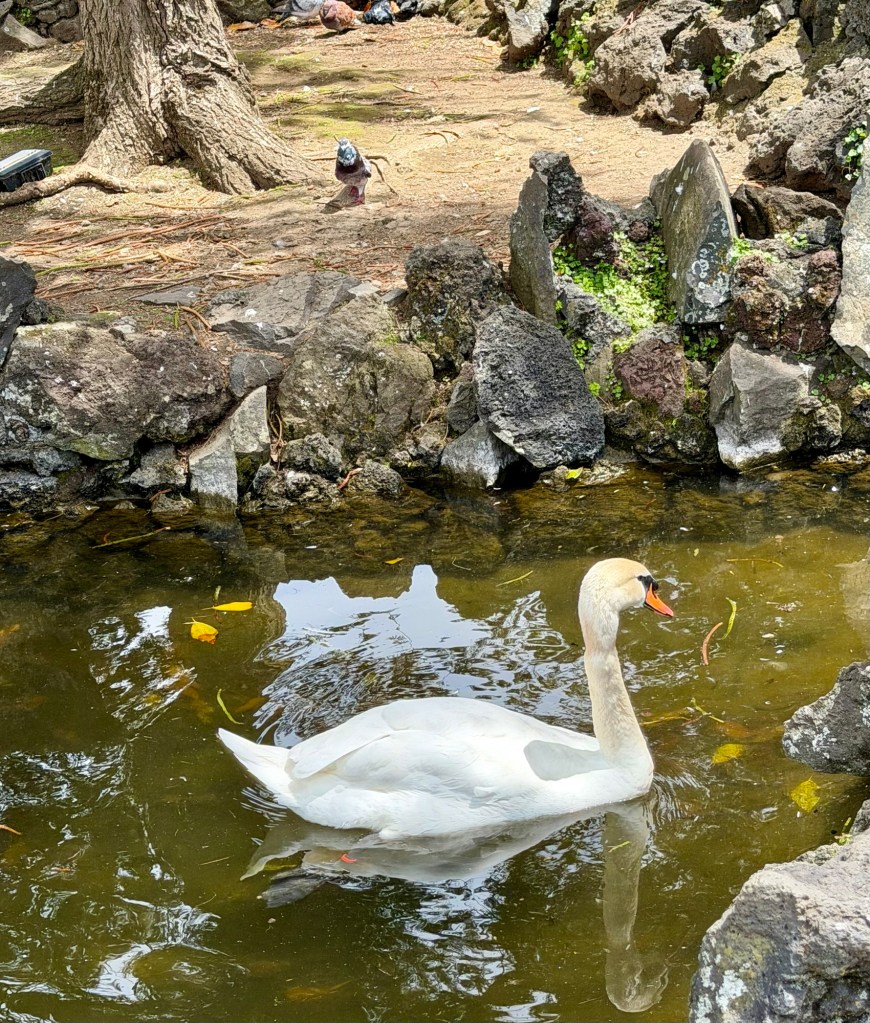
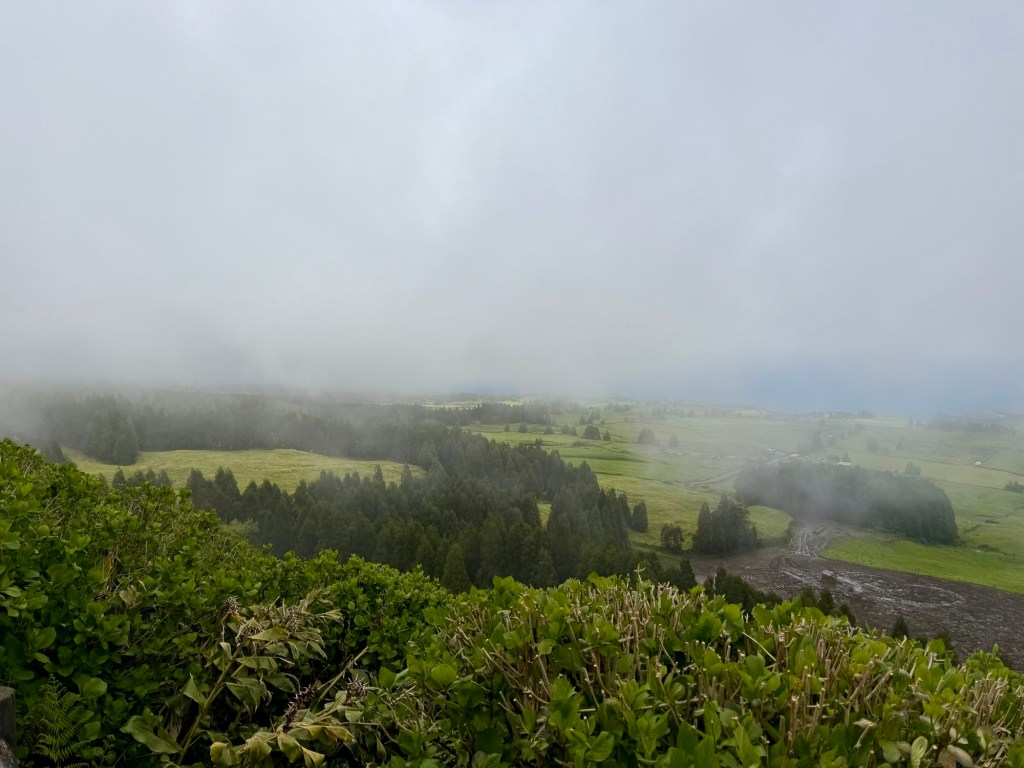
After getting off the ship, we hired a driver to take us across the island to the village of Sete Cidades. That meant crossing a volcanic mountain range to the other side of the island. Along the way, we experienced sun, rain, fog, wind, and blue skies. All before lunch.

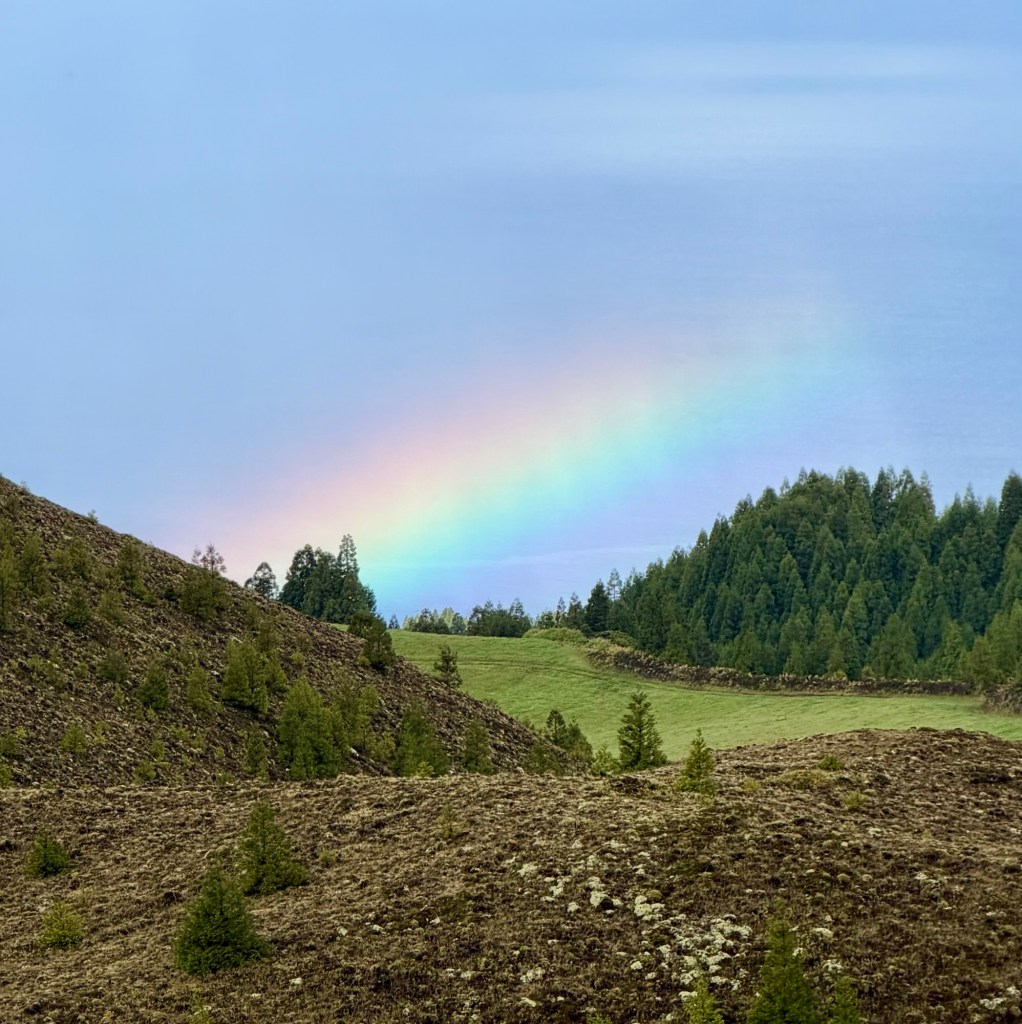
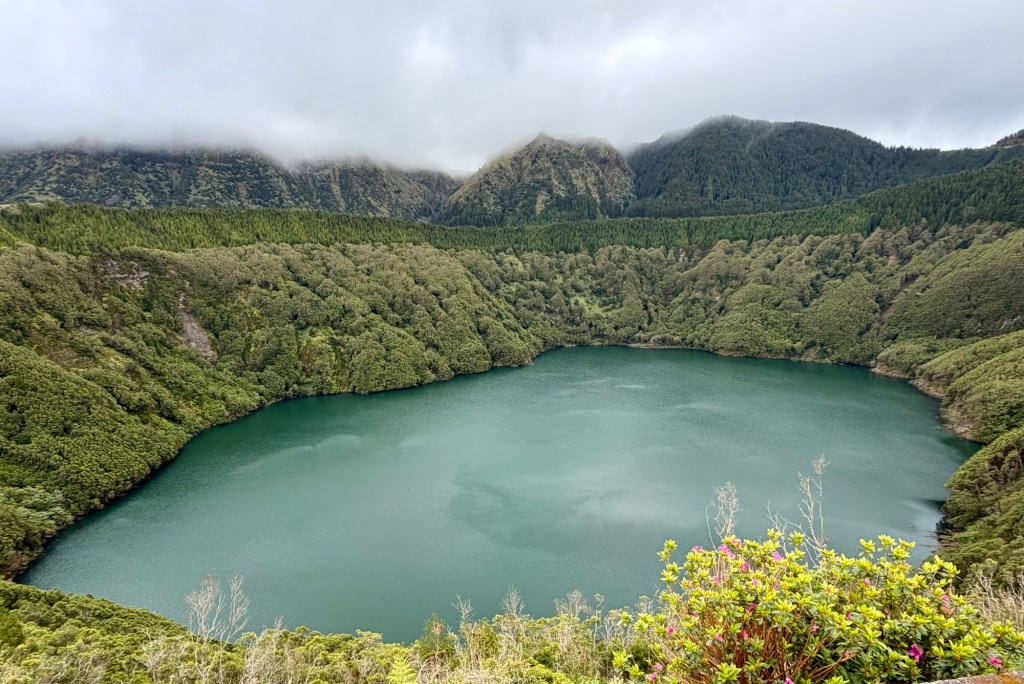
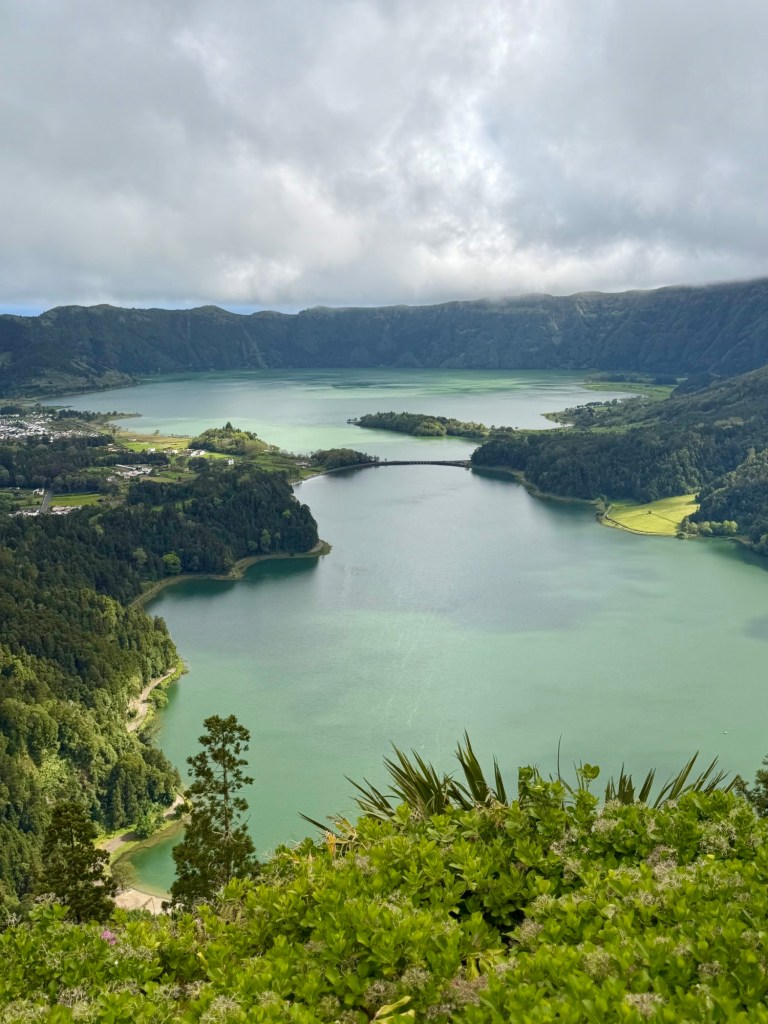
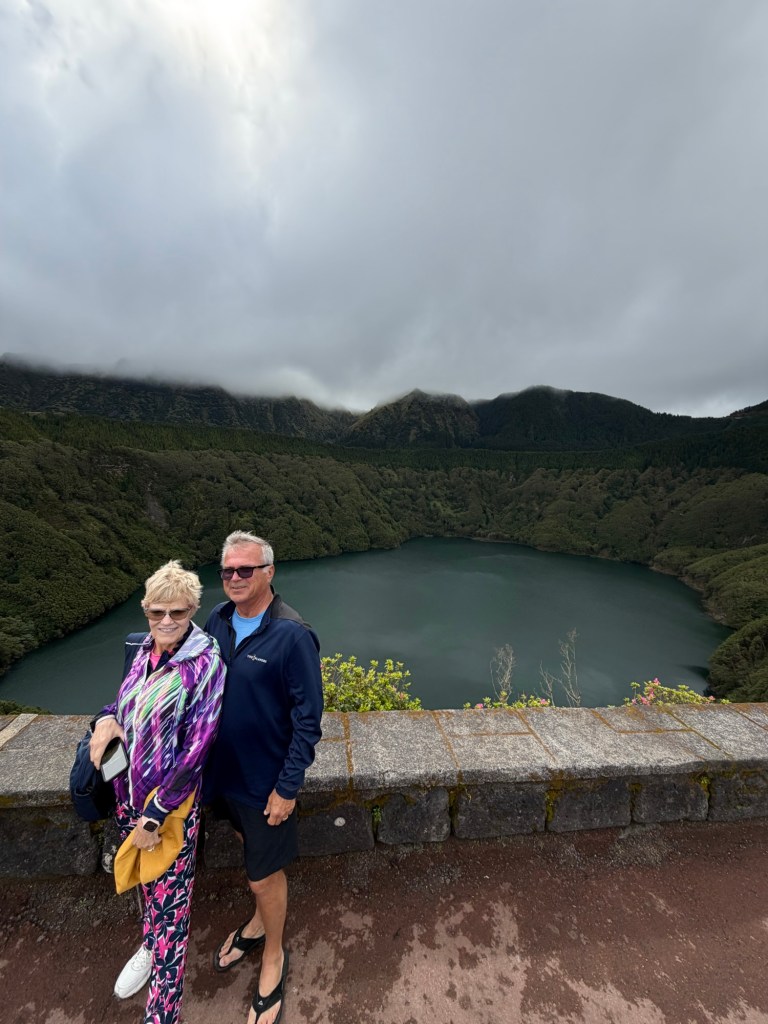
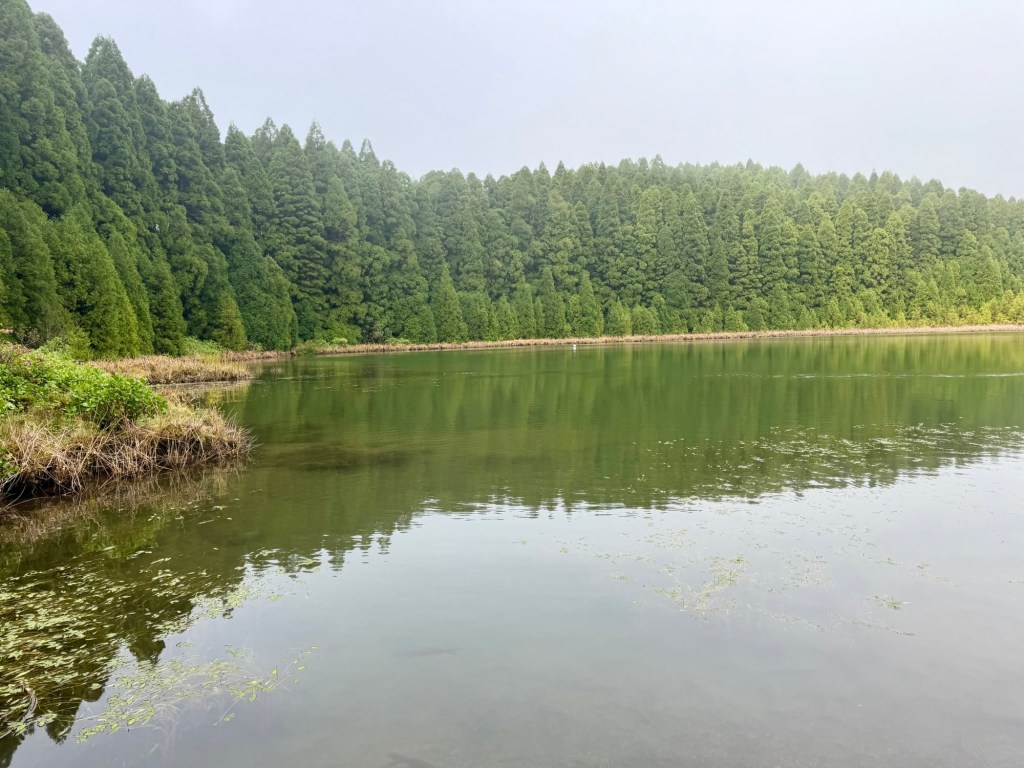
The Azores are volcanic islands, and São Miguel is known for its crater lakes.

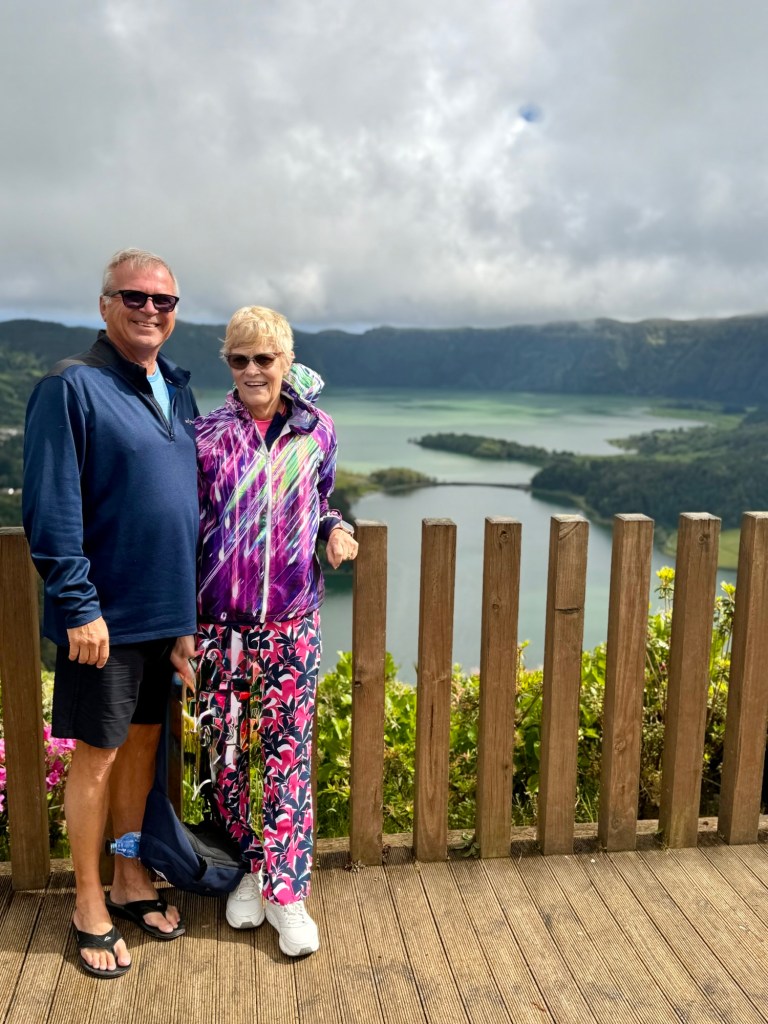
The most famous are the twin lakes at Sete Cidades. Years ago, the lakes were known for their distinct blue and green colors, although the contrast has faded over time. According to legend, the lakes were formed from the tears of separated lovers: one blue-eyed and one green-eyed. Romantic… and very Portuguese.

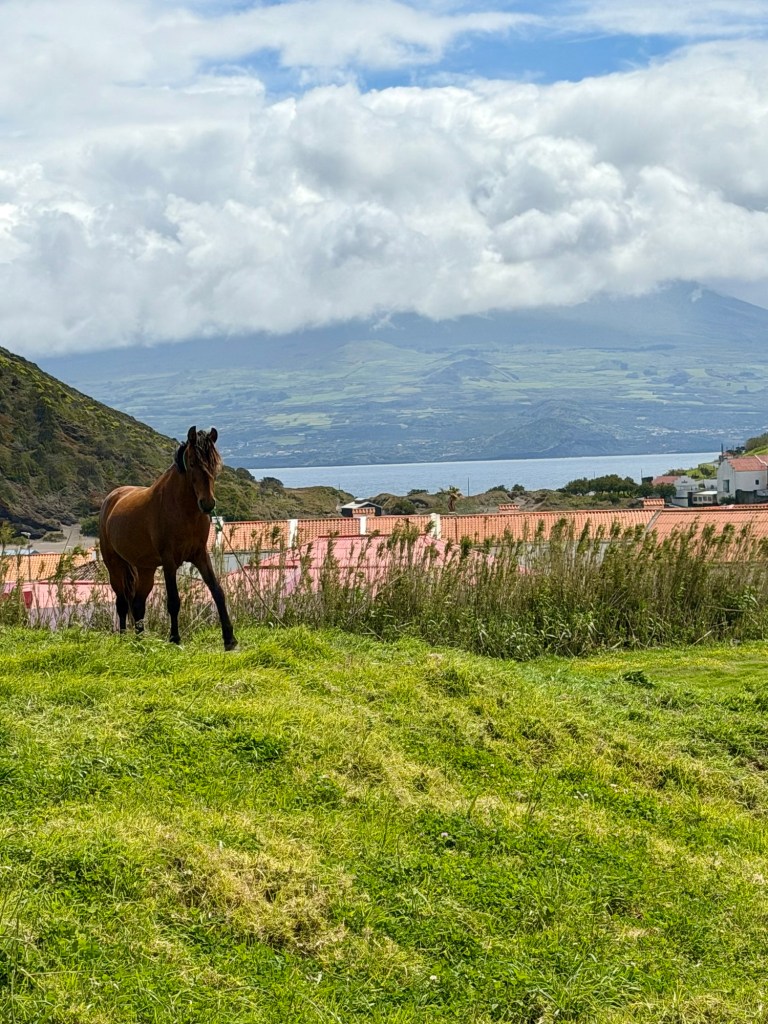
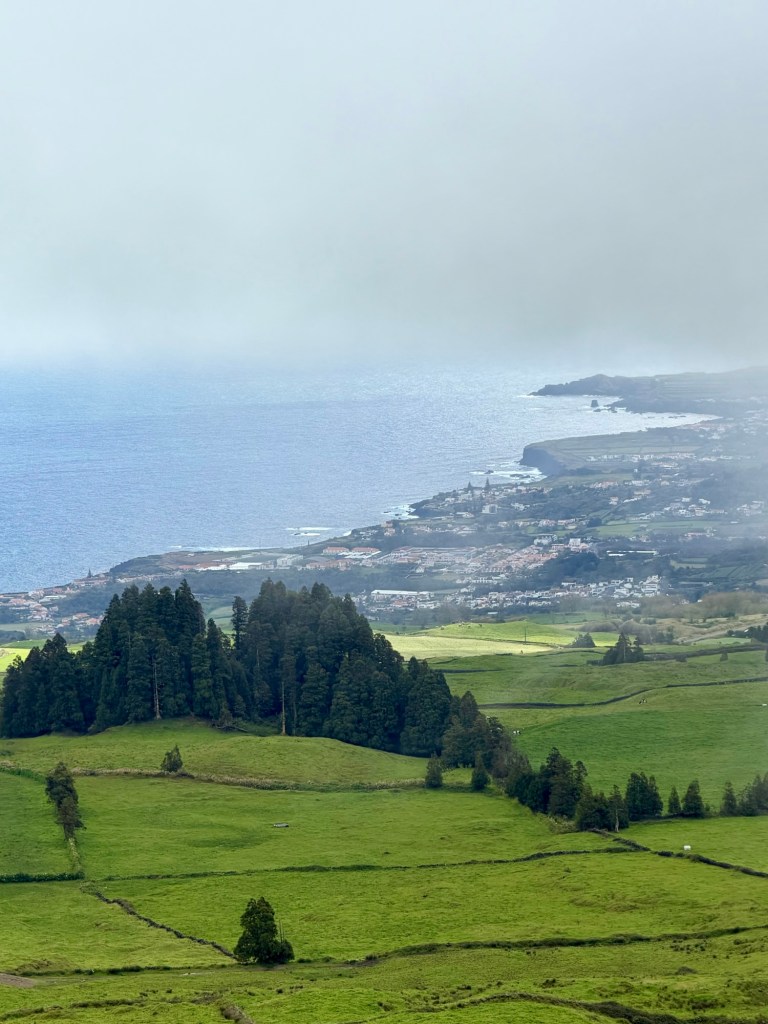
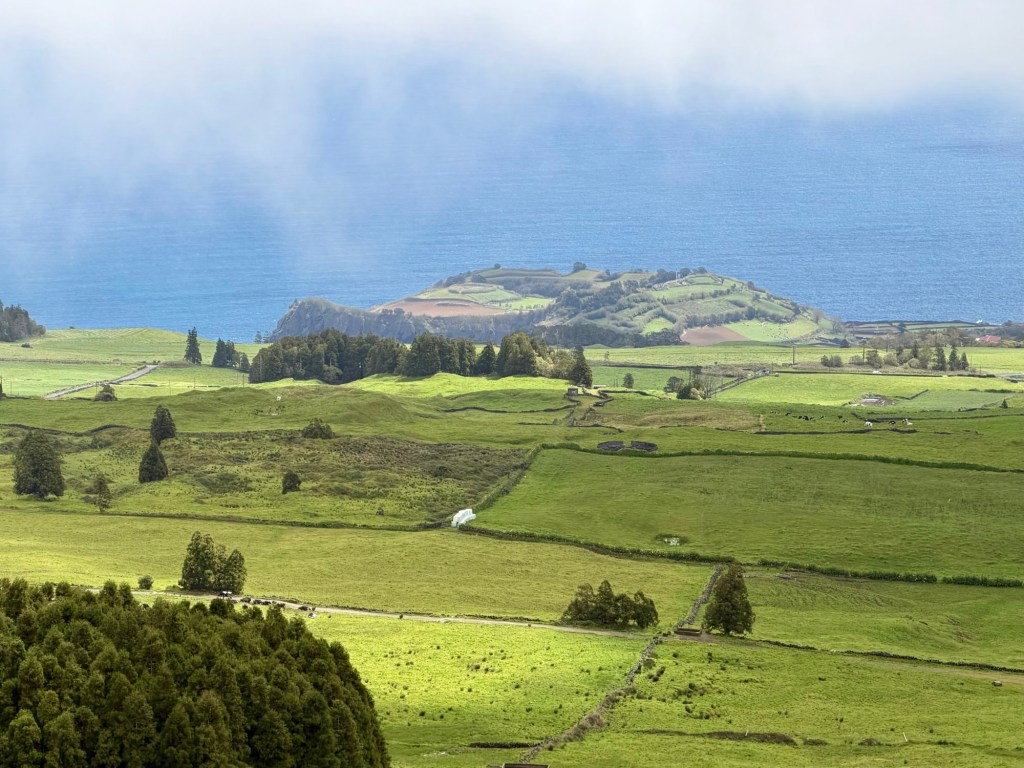
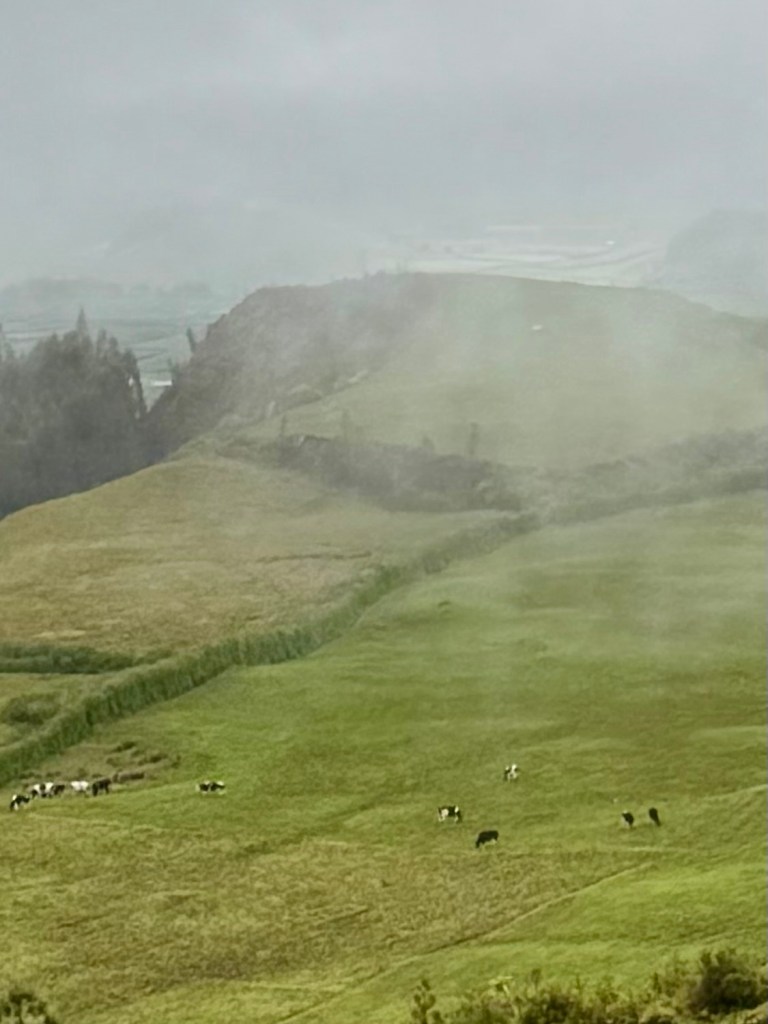
The island’s human population is around 160,000. The cow population? Roughly double that.

Most of them are dairy cattle, and one of the more unusual sights is the pasture fencing. In many places, the “fences” are actually hydrangea hedges. Apparently, there’s something about the plants the cows avoid. The hydrangeas also grow naturally along roads and hillsides. Unfortunately, they weren’t blooming this time of year, but when they do, the island is supposed to be spectacular.

The Azores were stunning. Some people call them the most underrated destination in Europe. After visiting, I can see why.

Next stop… Lisbon.

Bon voyage.

All Aboard

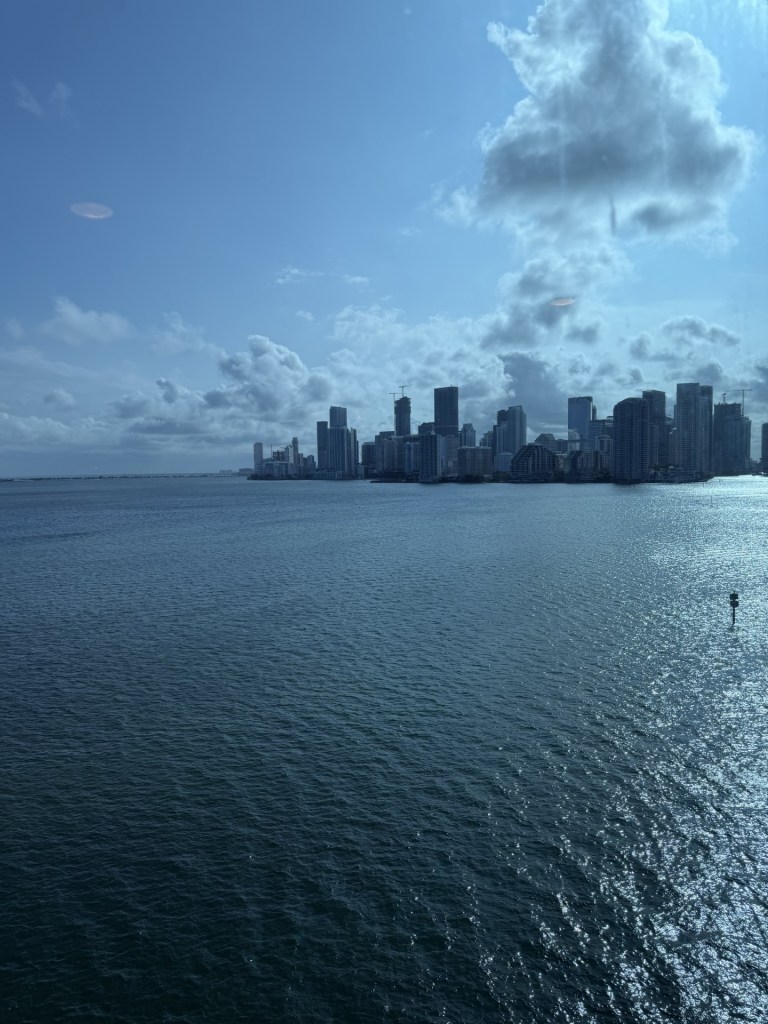
We boarded the Insignia in Miami on May 4 and set sail for Lisbon.

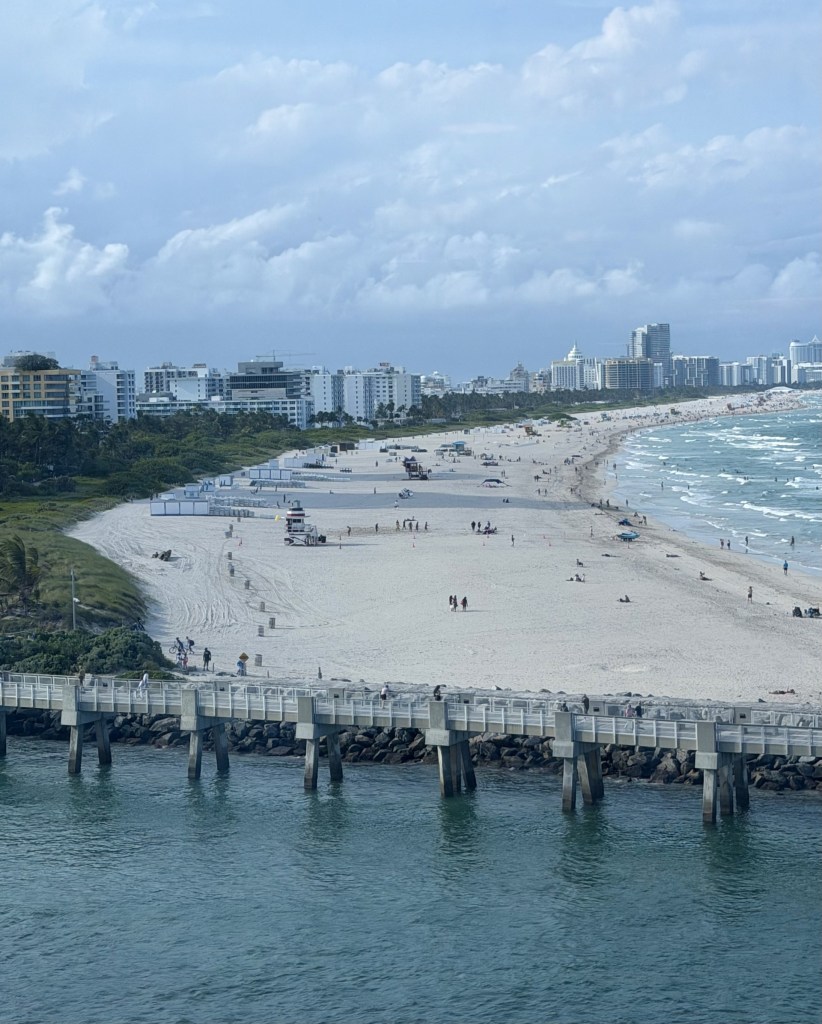
South Beach

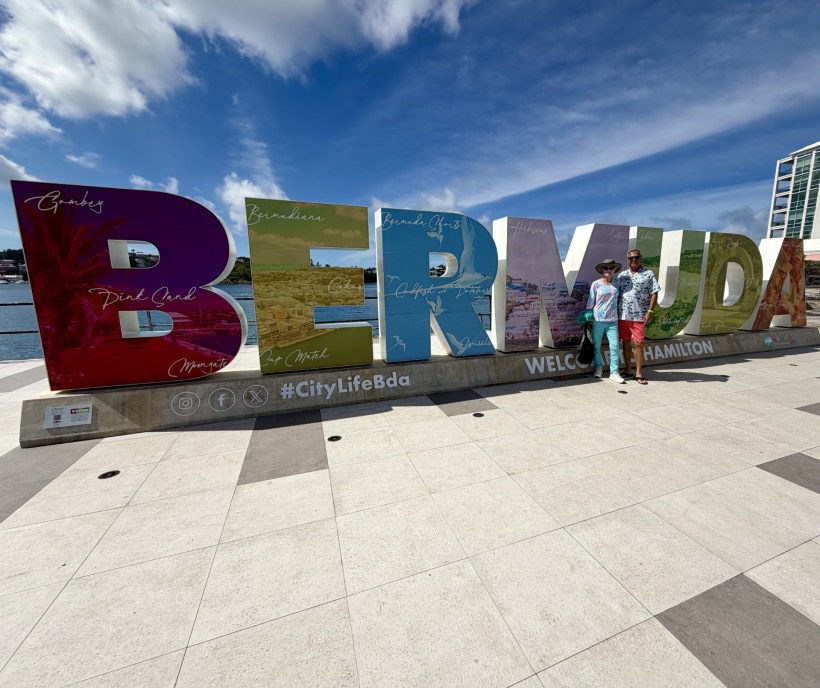
Our first stop was Bermuda, sitting in the North Atlantic about 650 miles east of Cape Hatteras, NC. It took us three days at sea to get there.

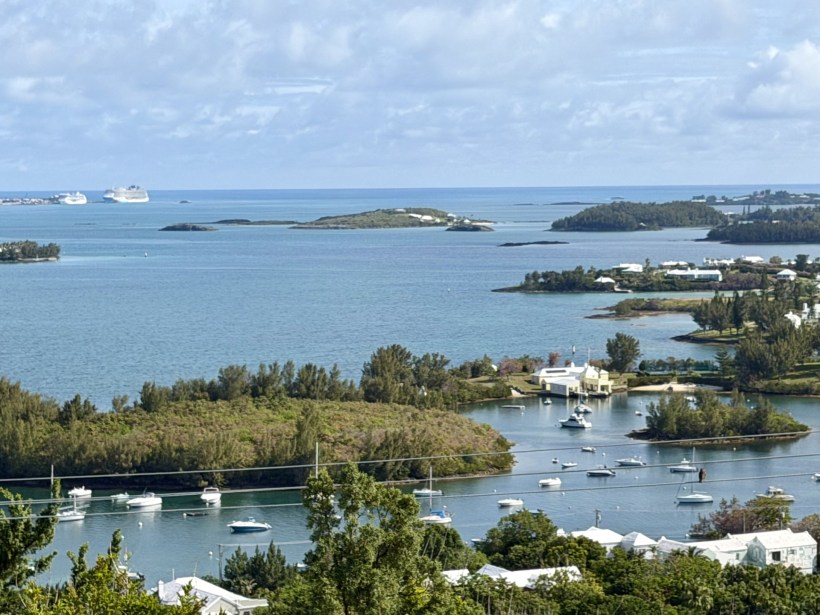
Bermuda is made up of around 181 islands. Most are tiny and connected by bridges, so it feels like one continuous island stretching across bright turquoise water.

Insignia (top left) is the smaller ship. 650 passengers.

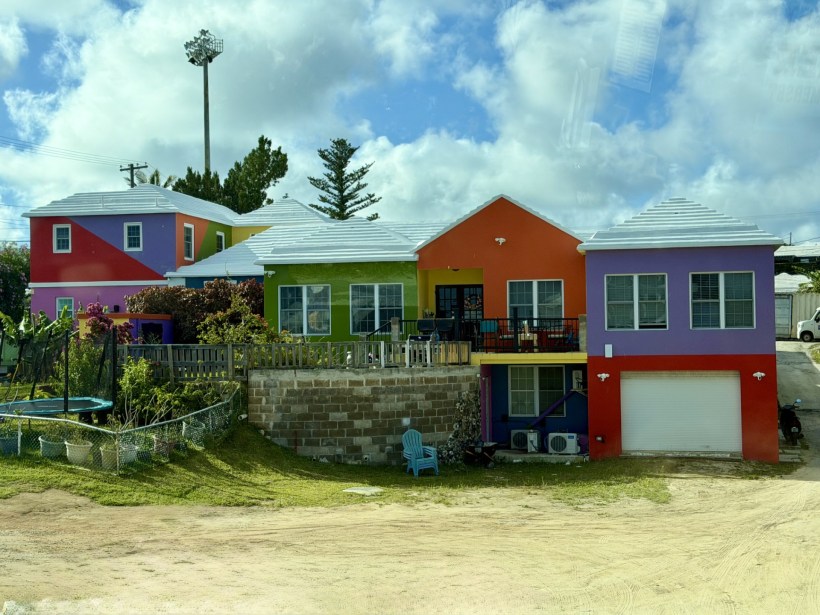
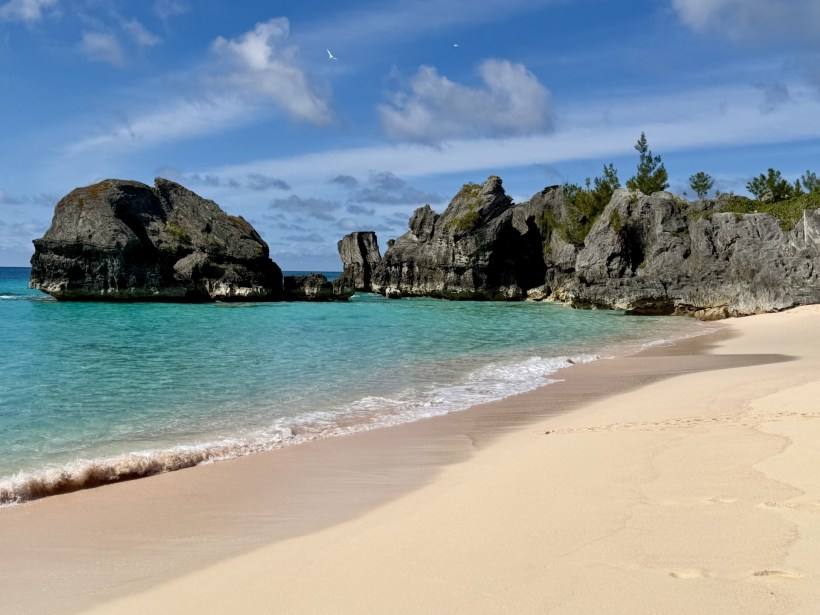
Color is everywhere in Bermuda. Brightly painted houses dot the landscape, and the beaches are just as striking. The famous pink sand comes from crushed coral and tiny marine organisms mixing with white sand.

It”s more pink than pic shows. Blame it on photographer!

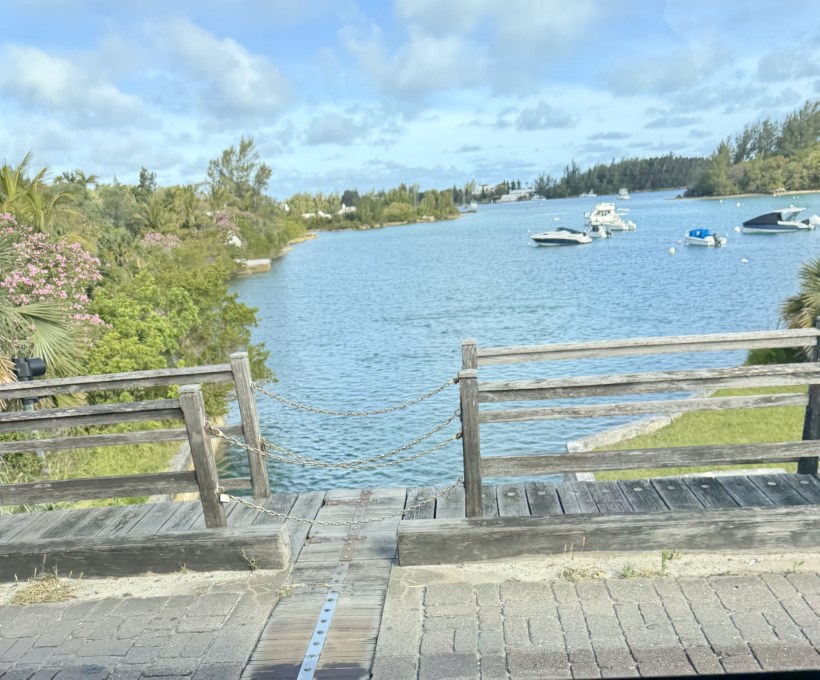
We also found what’s believed to be the world’s smallest drawbridge. When a sailboat with a tall mast approaches, a friendly pedestrian manually lifts the bridge and guides the mast through. Only in Bermuda.

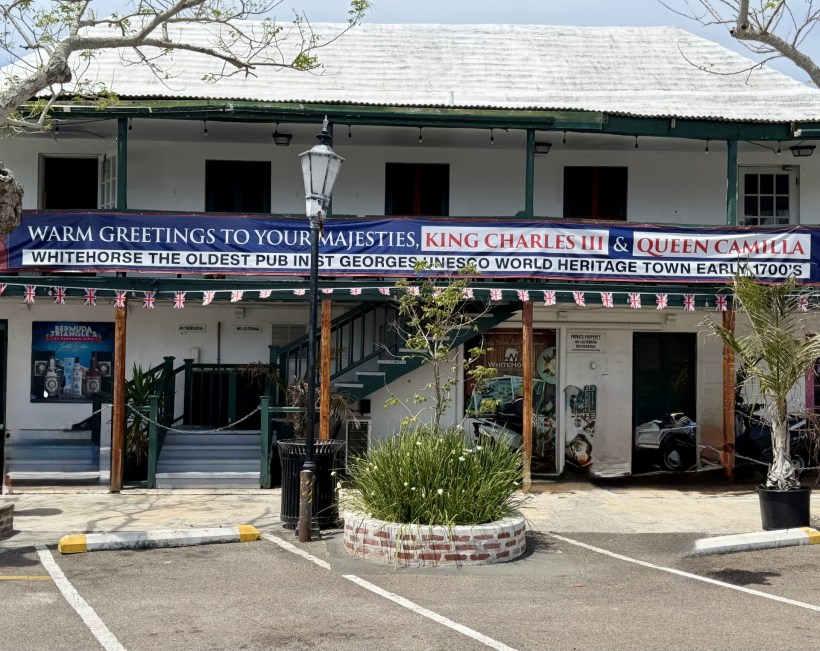
Of course, we had to stop at the Whitehorse Pub to try the local specialty: a fried fish sandwich on raisin bread. Fresh wahoo surrounded by coleslaw. Delicious.

After a day of exploring Bermuda, it was time to set sail once again.

Next stop: the Azores … after four more days at sea.

Bon voyage.

Exciting Year Ahead

I am beyond excited to share that the next twelve months will be packed with incredible experiences and unforgettable milestones. There’s so much in store, and I can’t wait to take you along for the ride. Here’s a sneak peek at what’s coming up!

A Journey to Africa

In mid-May, Kris and I will be setting off an adventure of a lifetime…our first trip to Africa! We’ll meet Kris’ cousin Mary in Johannesburg, South Africa, and from there, we’ll dive headfirst into a sixteen-day journey across some awe-inspiring landscapes.

Our adventure will take us to the breathtaking Victoria Falls and on thrilling safaris across Zimbabwe, Botswana, and Zambia. I’m excited to witness Africa’s incredible wildlife firsthand and share our experiences with you. Our journey will culminate with four days of exploration in the vibrant city of Cape Town, South Africa. I’ll do my best to post updates along the way, but please bear with me if they’re a bit sporadic. I’ll be out in the bush where Wi-Fi is hard to come by!

New Book Release: It’s Just sMiles

I have some exciting news on the literary front, too! I’m thrilled to announce the publication of my next book: It’s Just sMiles: Just Pete on the Camino de Santiago. This book will take you on a journey through the breathtaking landscapes of the Camino de Santiago while exploring the transformative power of a simple smile.
The Camino is a pilgrimage like no other, and I can’t wait to share the stories, lessons, and unforgettable moments from this remarkable adventure. I hope to have it published in the second half of the year. Stay tuned for more details as we get closer to the release date!

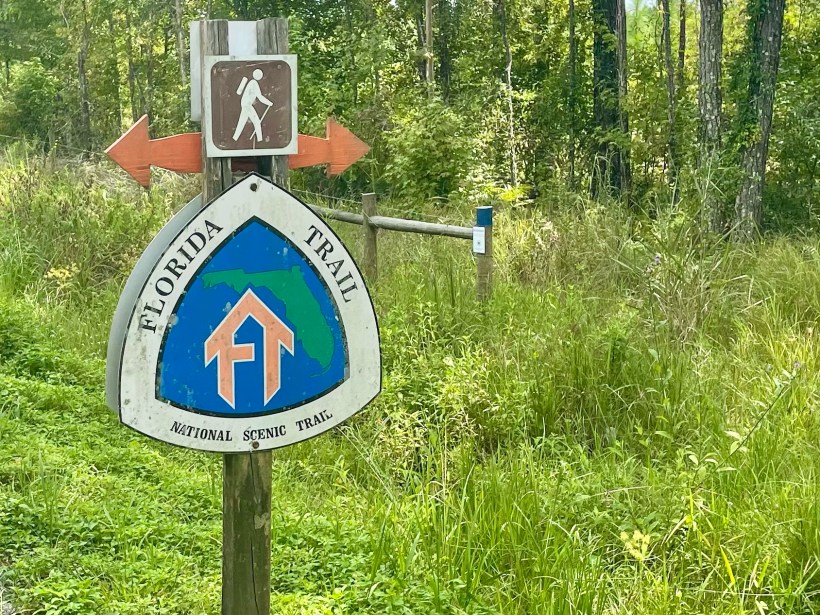
Another Adventure: The Florida Trail Awaits

For those of you who have been following my adventures, you know I’m always looking for the next big challenge. In early January, I’ll be trading the mountains and bears of the Appalachian Trail for the swamps and gators of the Florida Trail.

This 1,400-mile trek will take me from the Everglades to Pensacola, navigating through Florida’s diverse landscapes and ecosystems. It will be a completely different challenge from anything I’ve done before, and I’d love for you to join me along the way as I explore the wild beauty of the Florida Trail. As I go, I’ll share my experiences, lessons, and stories from the trail, so don’t miss out.

Stay tuned for more updates and stories as we embark on these exciting adventures together. Your support and encouragement mean the world to me, and I can’t wait to share every moment with you.

Here’s to an extraordinary year ahead!

Happy Trails!

Just Pete
Jervis Bay

Today, we embarked on a mission to explore Australia’s wild, untamed wilderness. What was the mission, you ask? Well, let’s just say it involved a lot of hopping. And no, it wasn’t a pub crawl.

Our adventure was sparked by our son-in-law, Austin, who encouraged us to visit Jervis Bay after spending significant time in Australia several years ago. So, we hopped (get it?) into a rental car and cruised 125 miles south of Sydney to check it out.

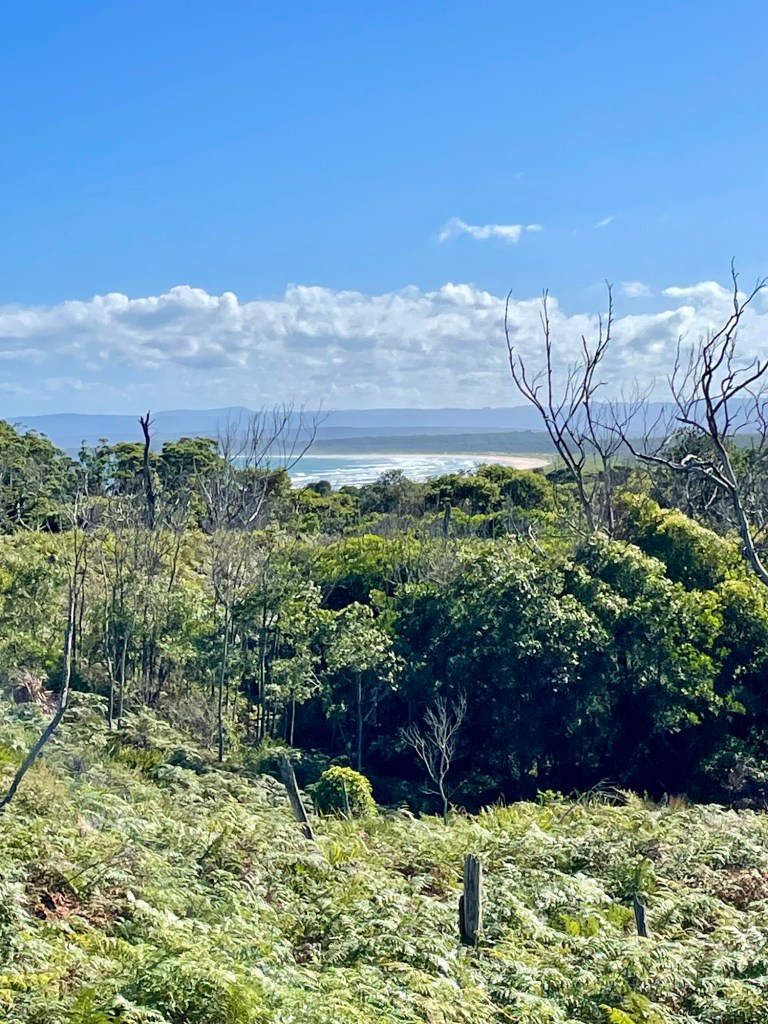
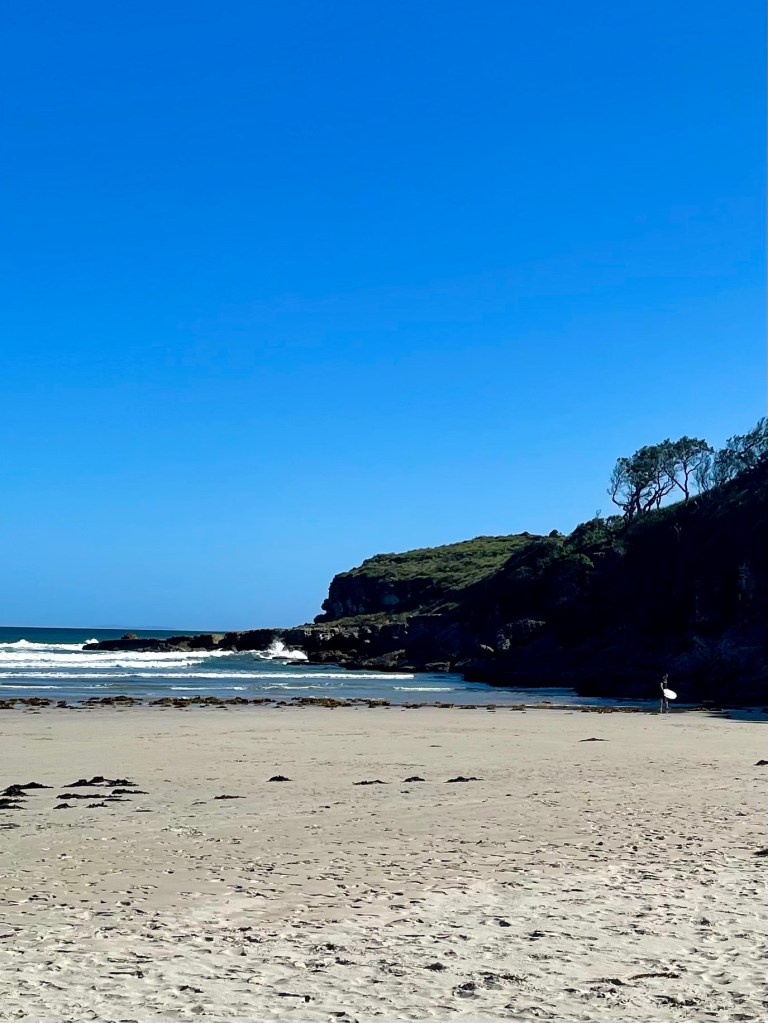
Jervis Bay is the kind of place that makes you wonder if Photoshop exists in real life. Pristine beaches and crystal-clear water are abundant. The Booderee National Park also surrounds the bay, which adds to its unspoiled beauty.

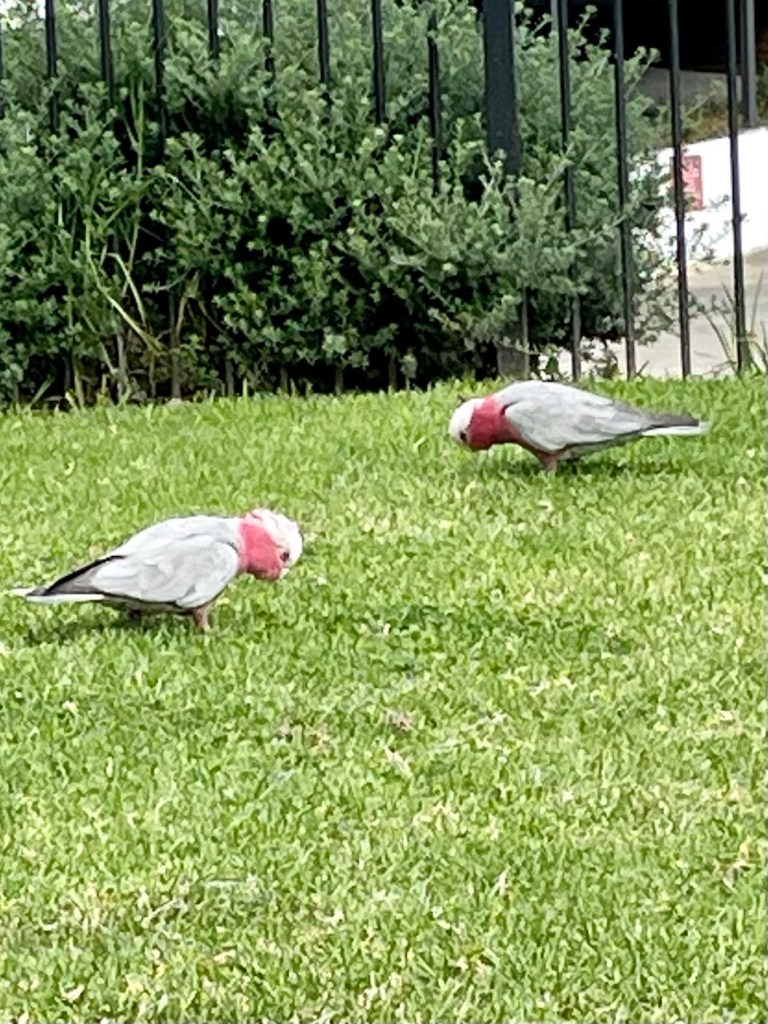
Our base of operations for the day was the Huskisson Hotel in the quaint seaside town of Huskisson, where the views are stunning and the birds are plentiful.

In the afternoon, we ventured into Booderee National Park, armed with nothing but our spirits and iPhones. At the gate, we asked a park ranger where we could play paparazzi with kangaroos. Her answer? “You have a 90% chance of seeing them at Green Patch and are virtually guaranteed to spot a few at Caves Beach.” Clearly, it was game on!

Booderoo!! Crikey!!

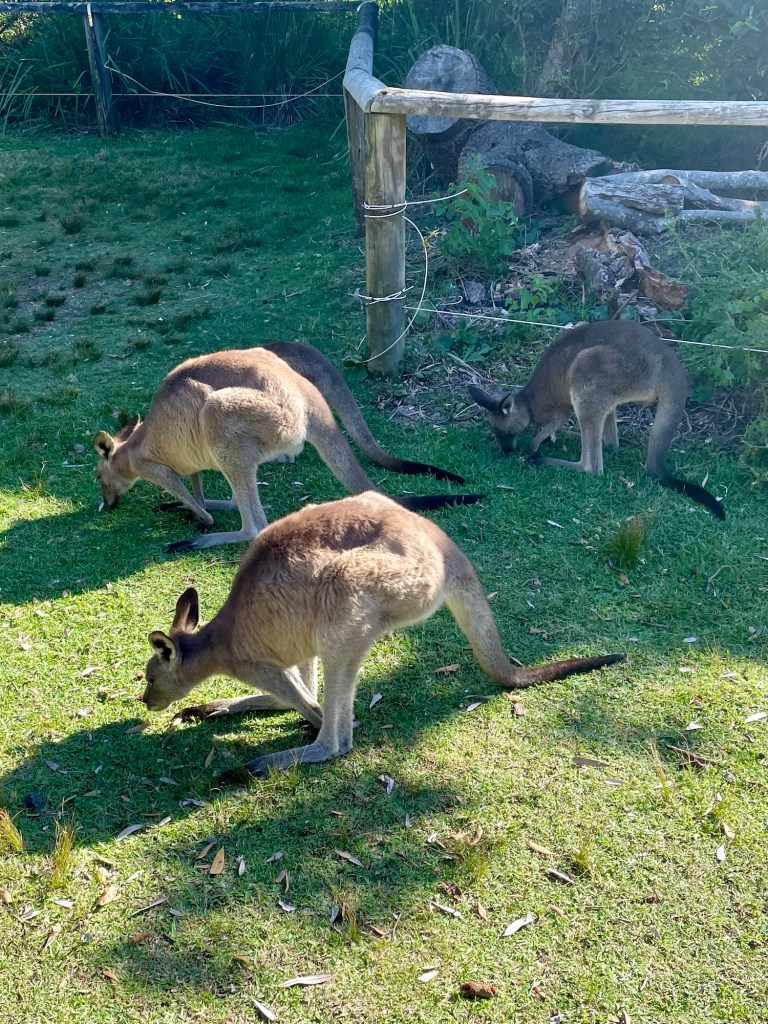
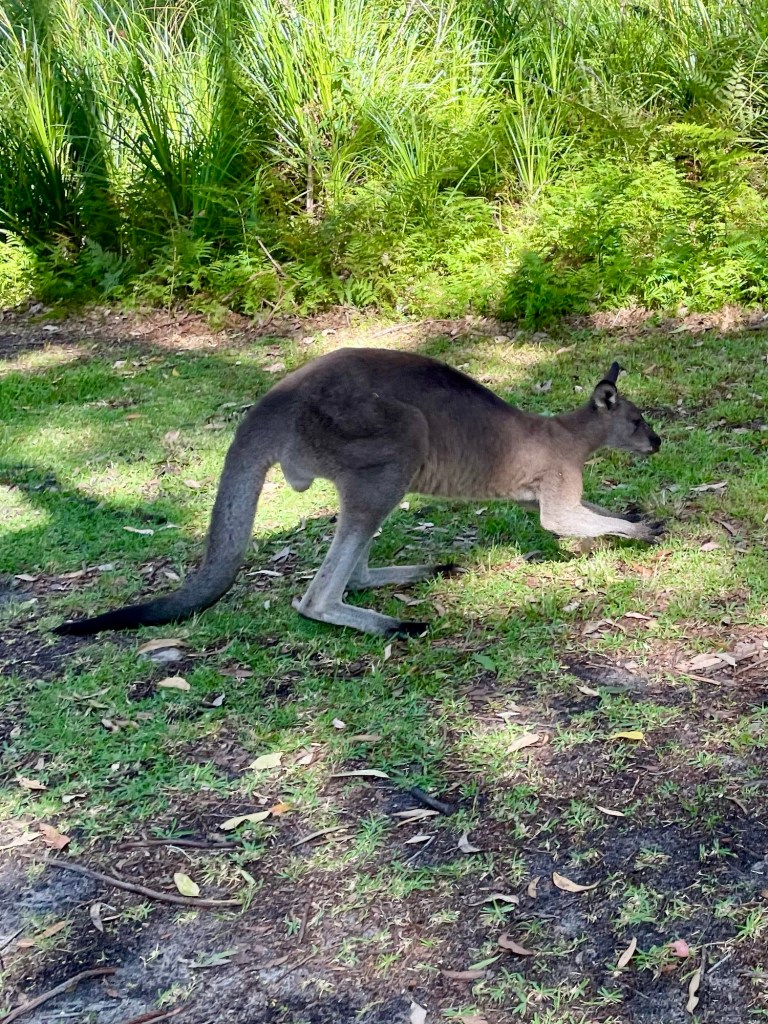
Kangaroos are herbivores and like to graze in the park’s many grassy areas.

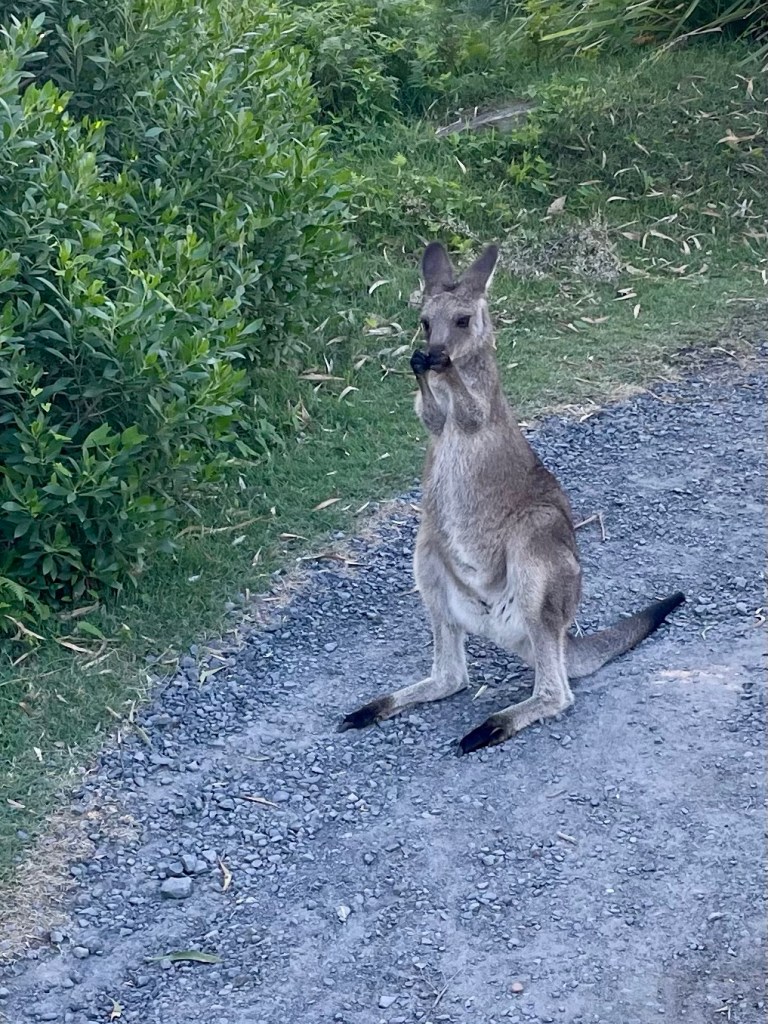
Witnessing these roos in their natural habitat was nothing short of surreal. Contrary to my belief that they were skittish, they were chill. Like, “Yeah, mate, come take a selfie” level of chill. Too cool.

If you’ve had enough kangaroo pictures, here’s a wallaby for you.

If you want to see more roos, we have a very interesting outing planned for tomorrow. It promises to be hopping.

G’day mates.

Bay of Islands

Welcome to New Zealand!

After 1,300 miles and 2 ½ days of a roller coaster ride on the high seas, we are anchored in the Bay of Islands.

New Zealand has a North Island and a South Island. The Bay of Islands is in the northern region of New Zealand’s North Island.

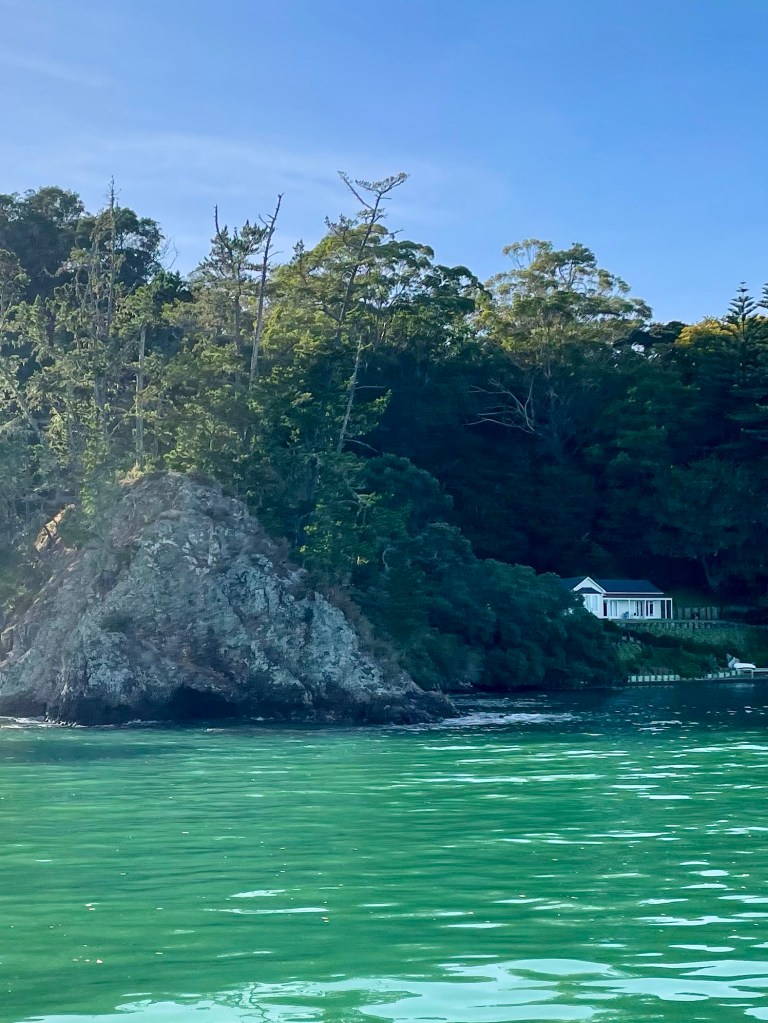
The Bay of Islands is a cluster of 150 islands that are rocky, rugged, and easy on the eyes.

New Zealand’s earliest Maori settlers migrated here more than 700 years ago. Maori and British missionaries first met here in 1814. Charles Darwin took a break from evolving theories to stop by shortly after that. And in 1840, the Treaty of Waitangi was signed here between British colonists and Maori chiefs.

Despite being tossed around like a salad for a couple days, we decided the best way to see this slice of paradise was, ironically, from a boat.
The many undeveloped beaches are surrounded by a vibrant blue and turquoise color water.

The area is also a haven for marine life. We saw bottleneck dolphins, schools of fish, a couple of chill seals lounging about, and even a penguin.

Seal barely visible to right of penguin.

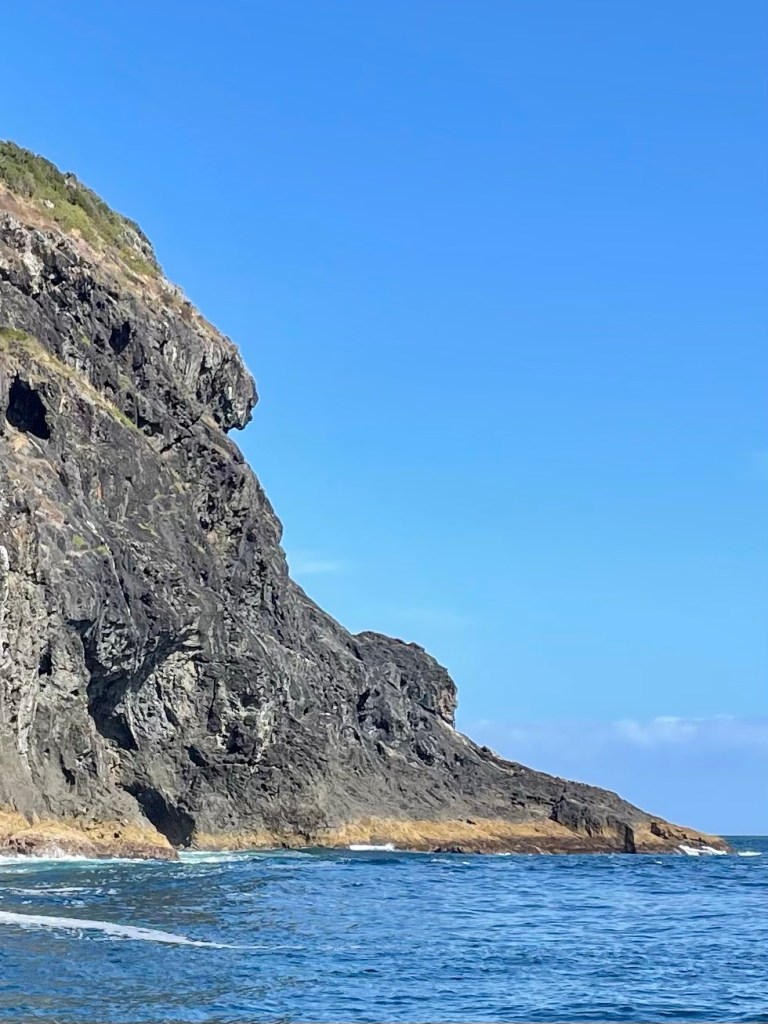
Hole in the Rock is an iconic landmark on Piercy Island. The archway was formed over centuries by wind and waves eroding the island’s sorter rock, creating a large hole that boats can pass through when the tide and conditions are right. We had the right conditions, and our boat passed through the arch. Nature’s own thrill ride.

If I had to sum up the Bay of Islands in one word, it would be…breathtaking.

Next stop on our adventure? Stay tuned. It’s hard to top this, but we’ll give it a go!