After leaving Bermuda, we spent four days and five nights crossing the Atlantic. That’s a long stretch at sea, but Kris and I don’t mind as long as the ocean behaves itself. Besides, cruise ships make suffering manageable with unlimited food, booze, and entertainment.
Our destination was the Azores, a Portuguese archipelago in the middle of the Atlantic Ocean. Technically part of Europe, the islands sit about 900 miles west of Portugal and roughly halfway between Europe and North America. Because of that location, they were an important stop for ships crossing the Atlantic for centuries.
Our first stop was the island of Faial and the port city of Horta, one of the most famous sailing stops in the North Atlantic.
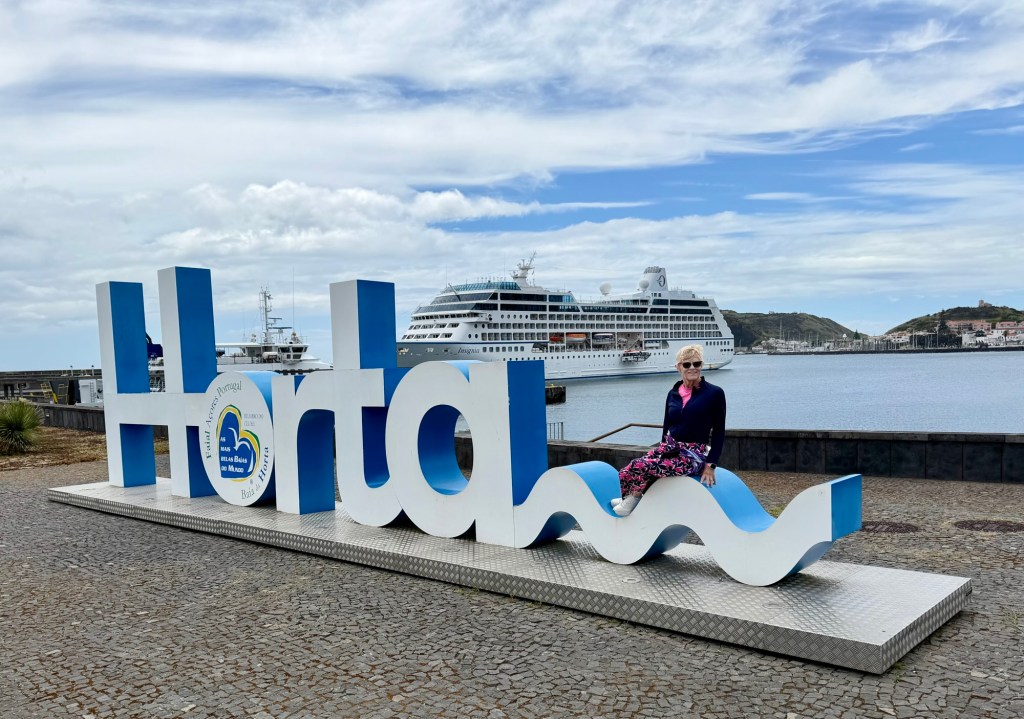
Horta has long been considered an iconic transatlantic sailing port. There’s even an old sailor superstition that boats skipping Horta have bad luck crossing the Atlantic. Whether that’s true or not… sailors don’t mess around with ocean karma.
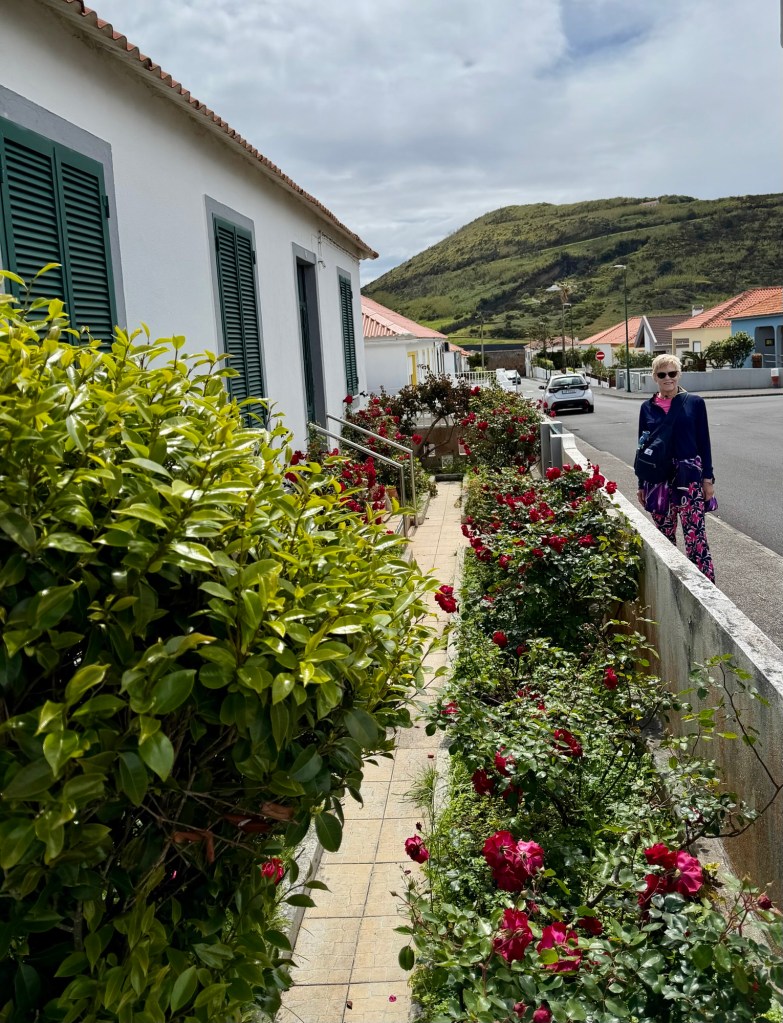
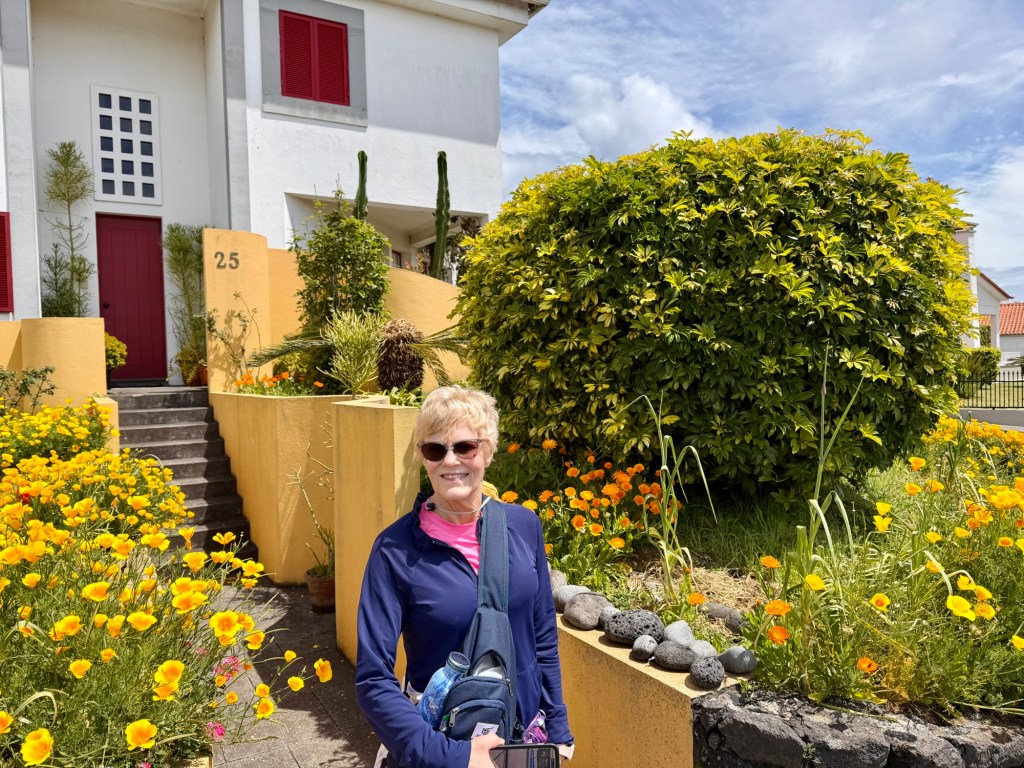
We spent the day wandering the marina and town on a self-guided walking tour. Plenty of flowers, greenery, and ocean views.
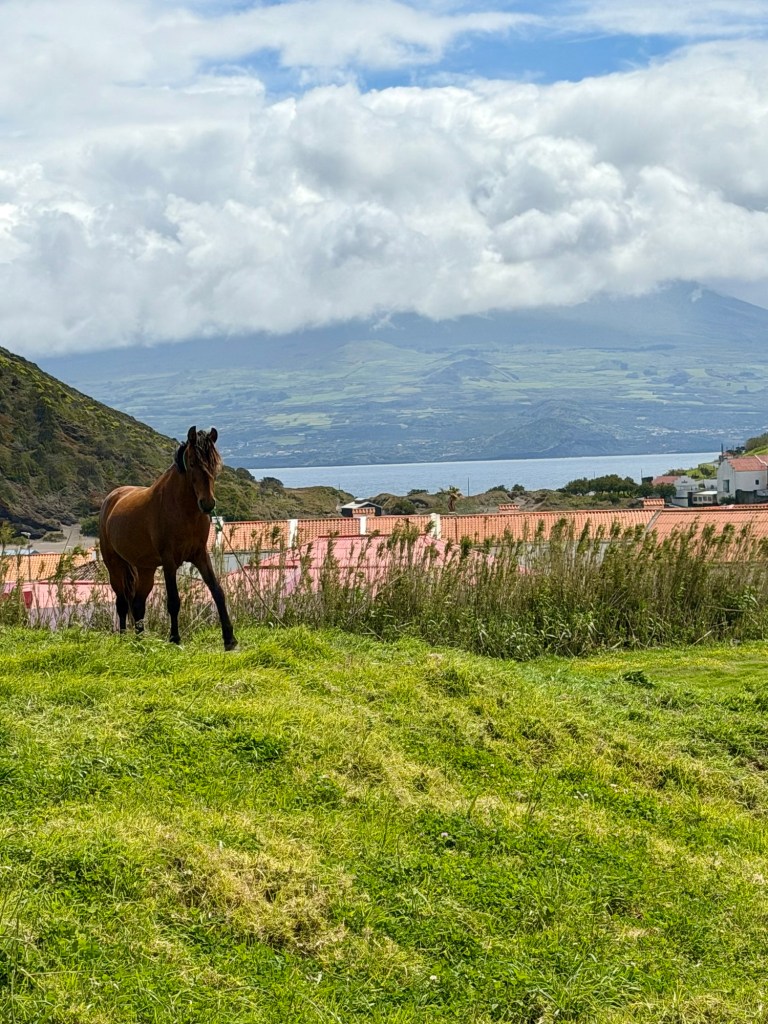
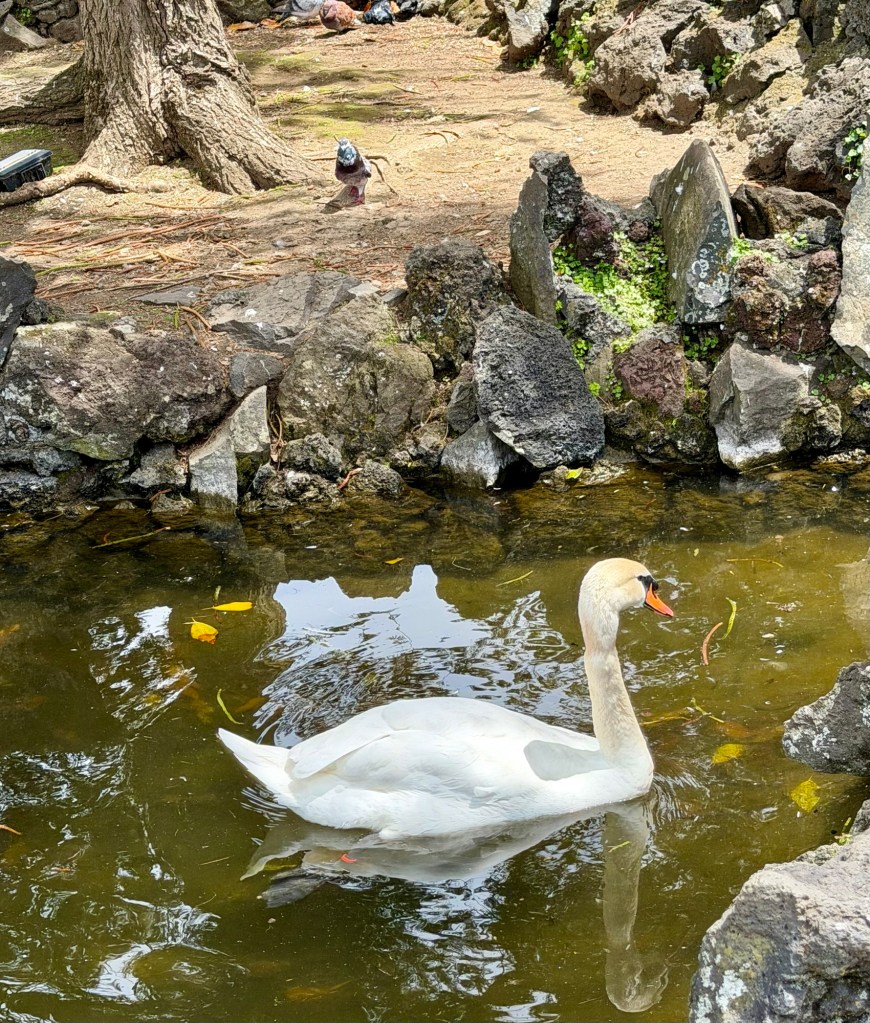
Later that afternoon, we set out for São Miguel Island, the largest and most populated island in the Azores. The next morning we woke up in the beautiful harbor city of Ponta Delgada.
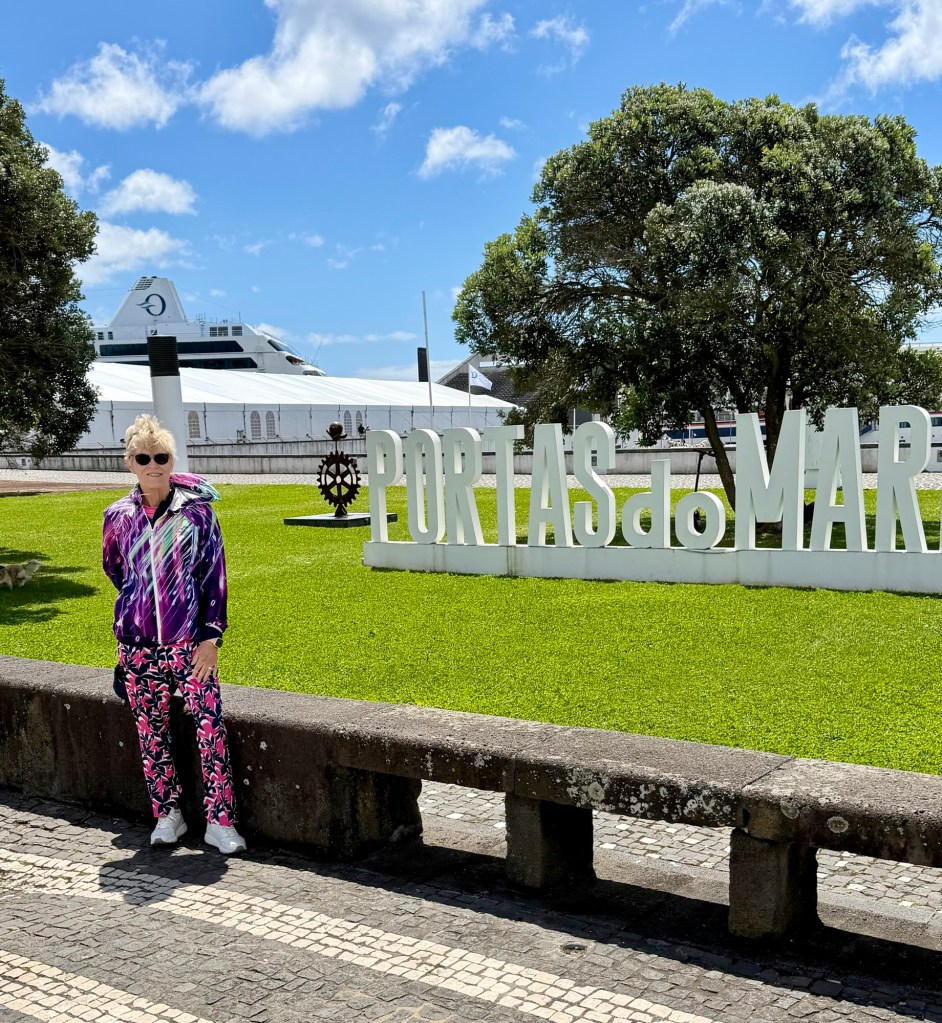
After getting off the ship, we hired a driver to take us across the island to the village of Sete Cidades. That meant crossing a volcanic mountain range to the other side of the island. Along the way, we experienced sun, rain, fog, wind, and blue skies. All before lunch.
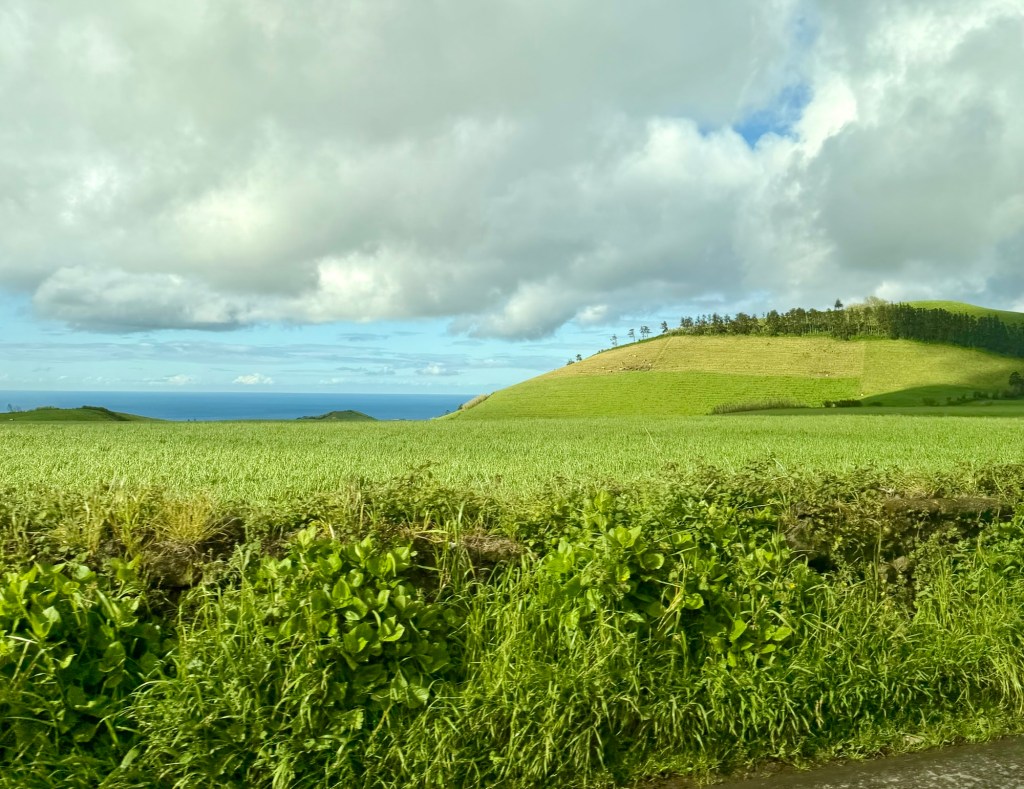
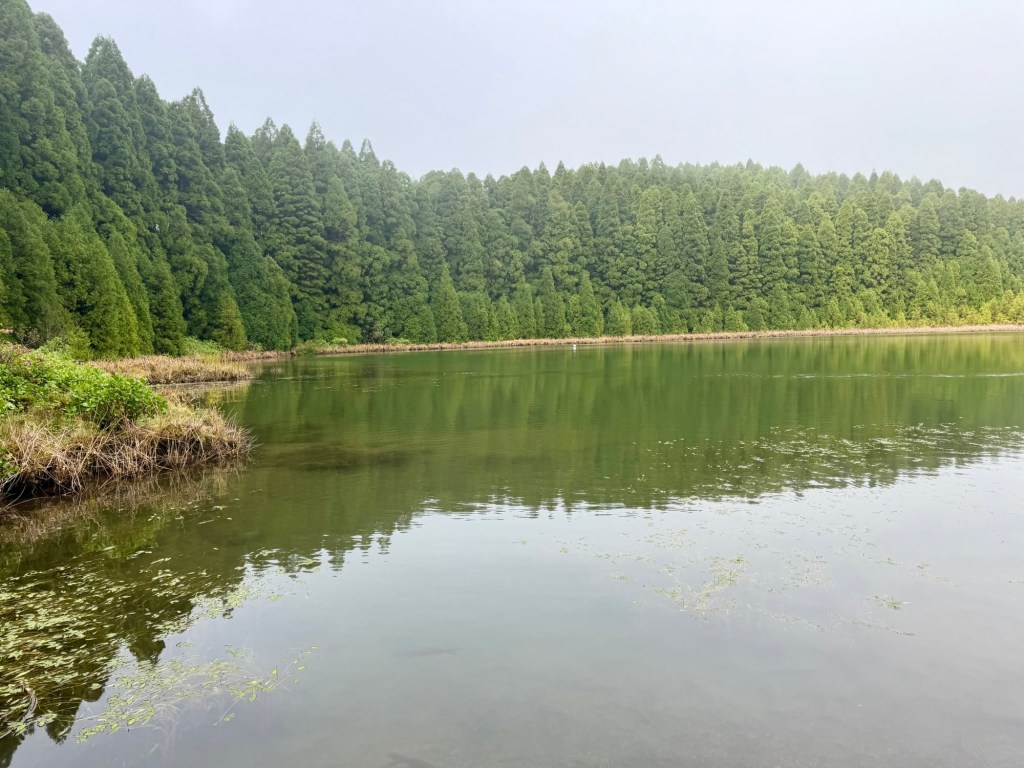
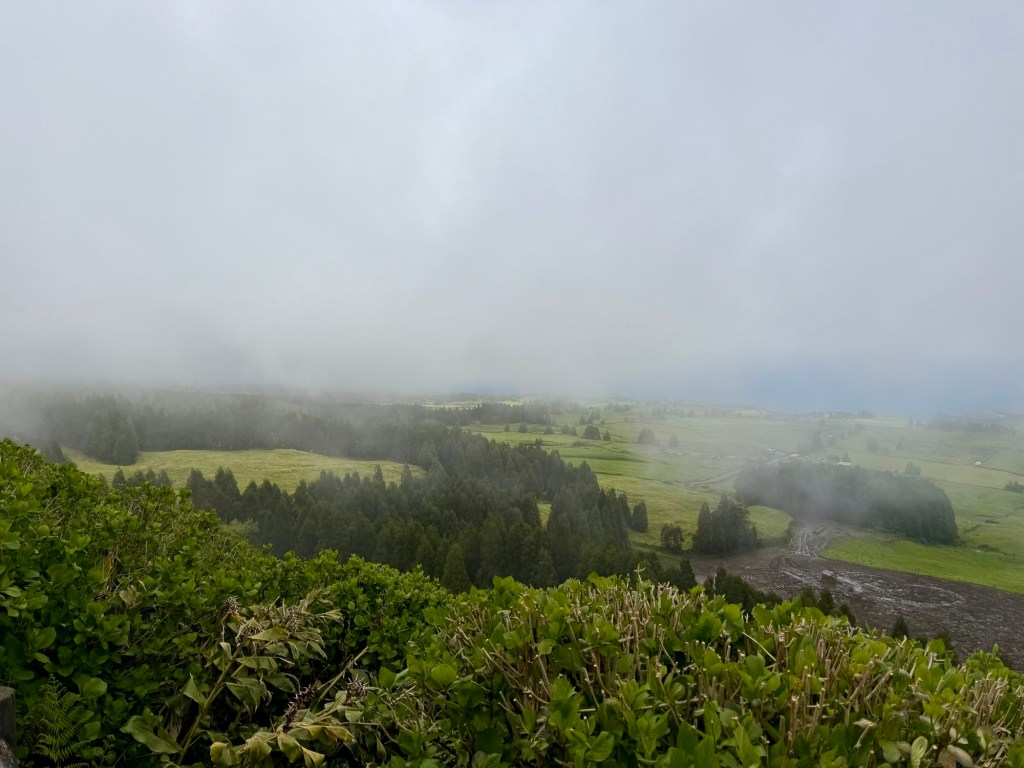
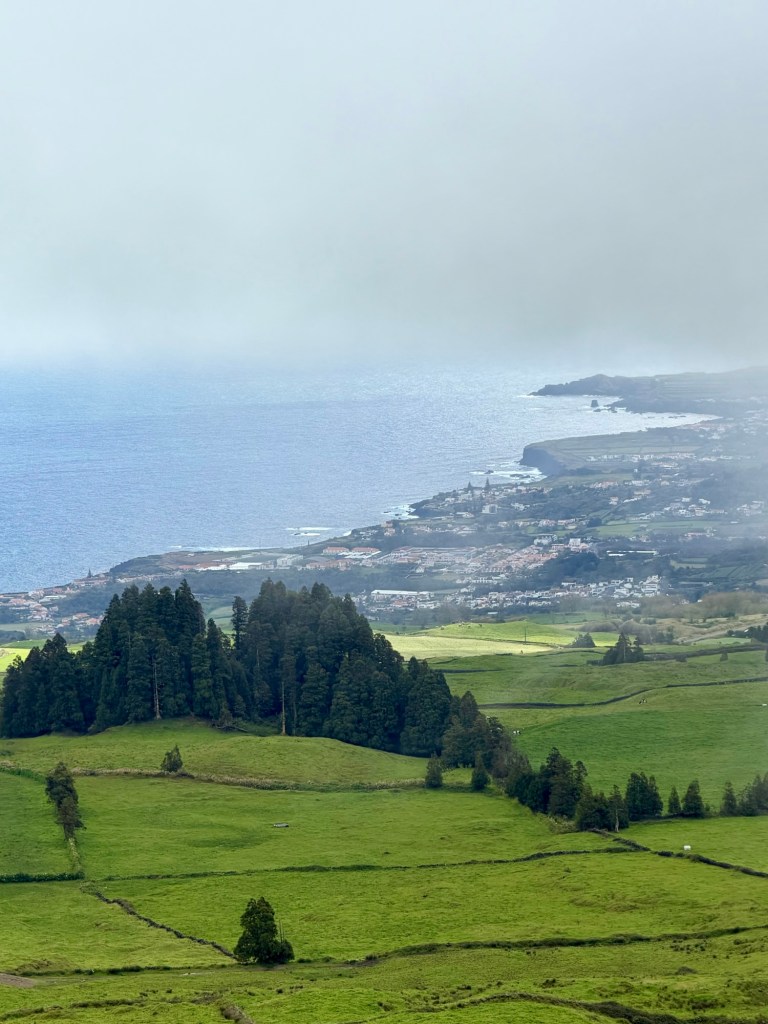
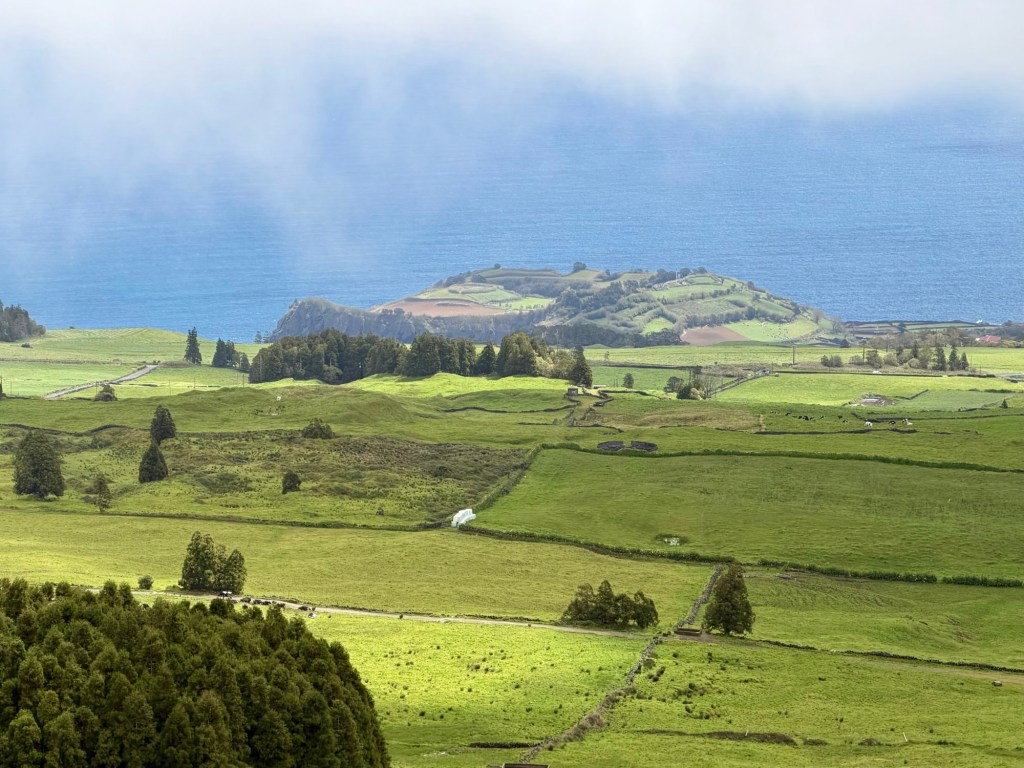
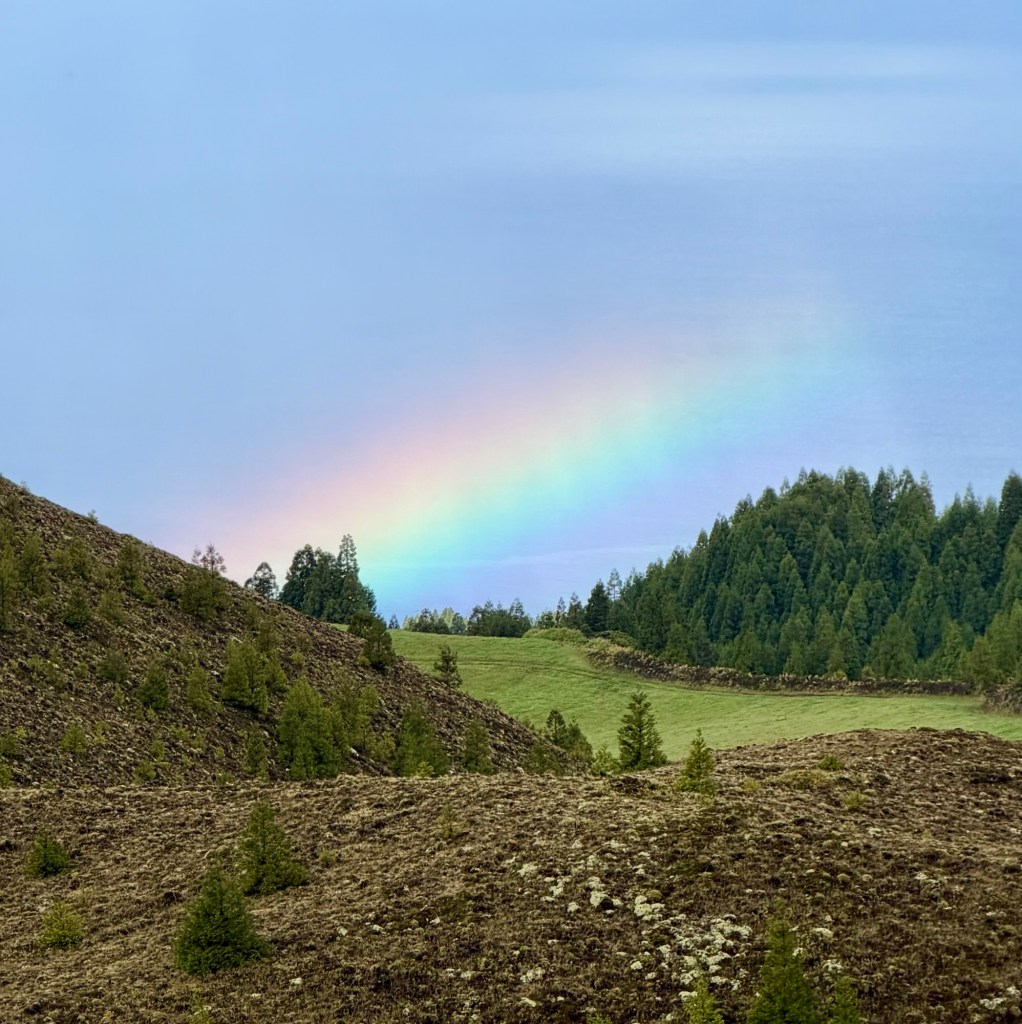
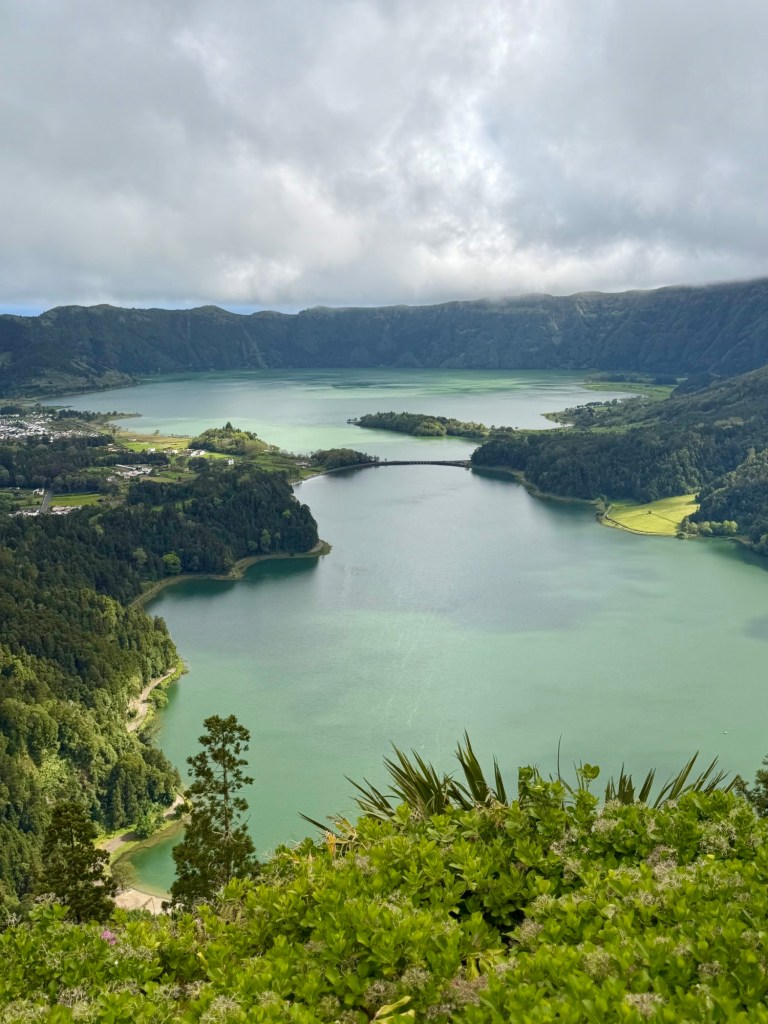
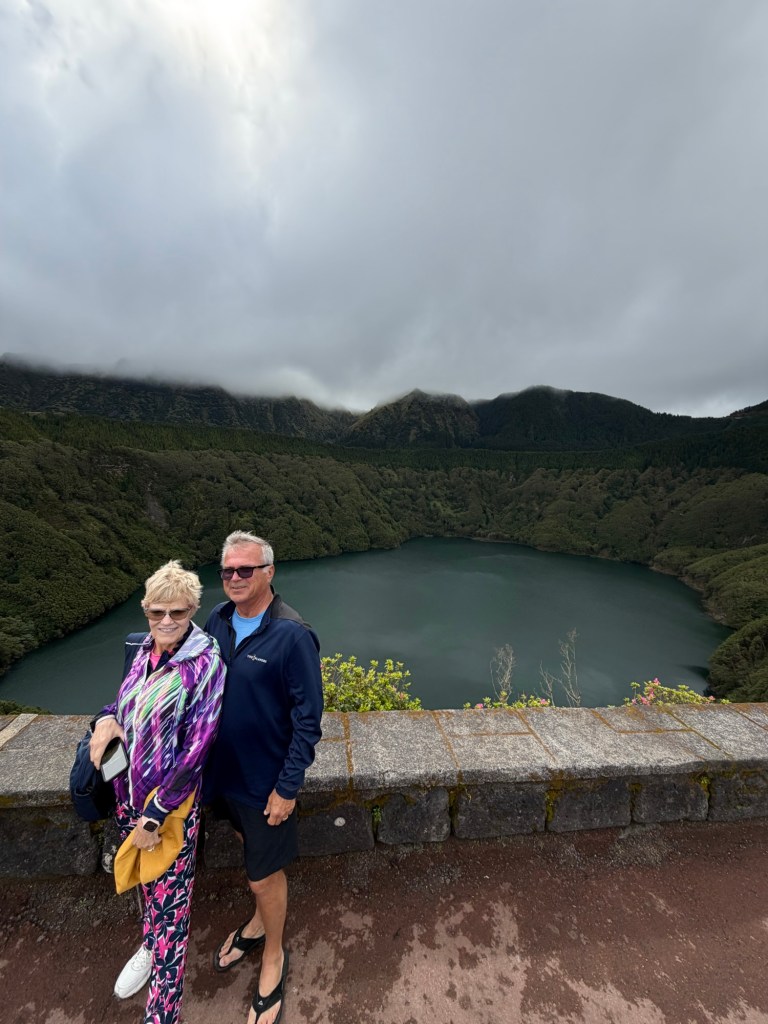
The Azores are volcanic islands, and São Miguel is known for its crater lakes.
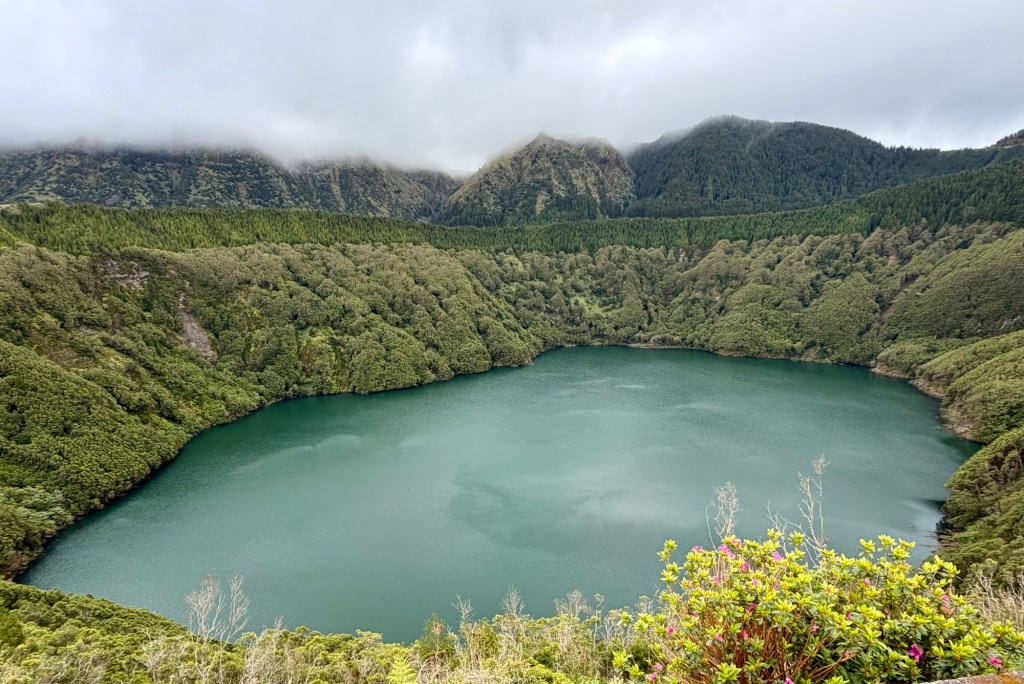
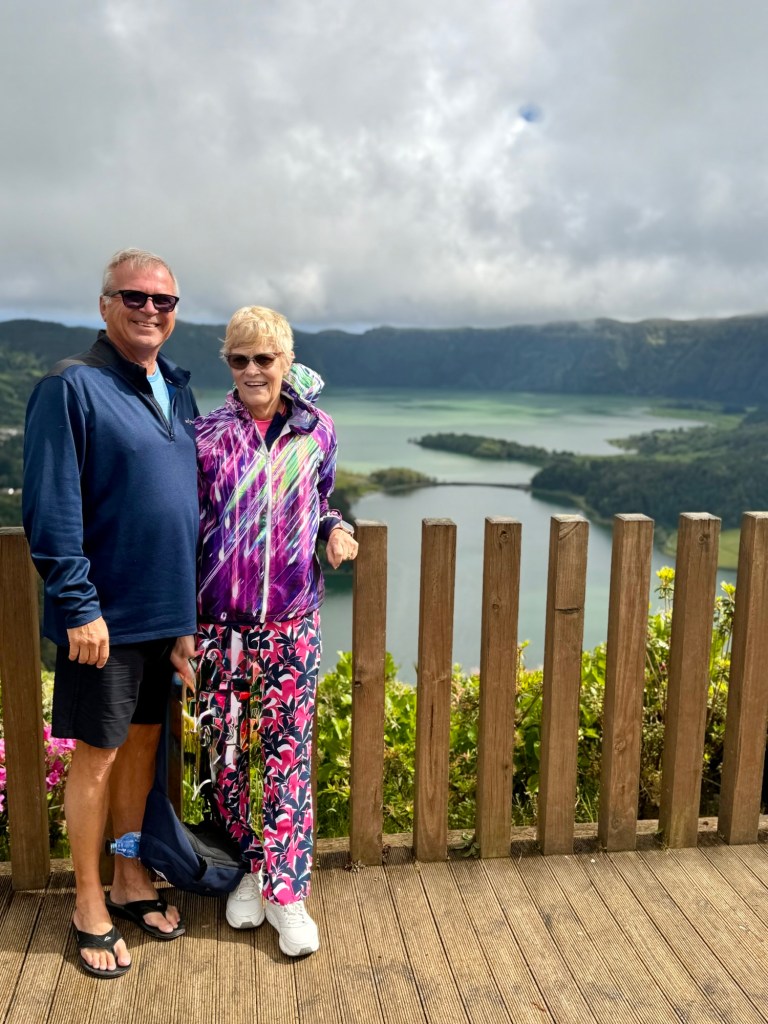
The most famous are the twin lakes at Sete Cidades. Years ago, the lakes were known for their distinct blue and green colors, although the contrast has faded over time. According to legend, the lakes were formed from the tears of separated lovers: one blue-eyed and one green-eyed. Romantic… and very Portuguese.
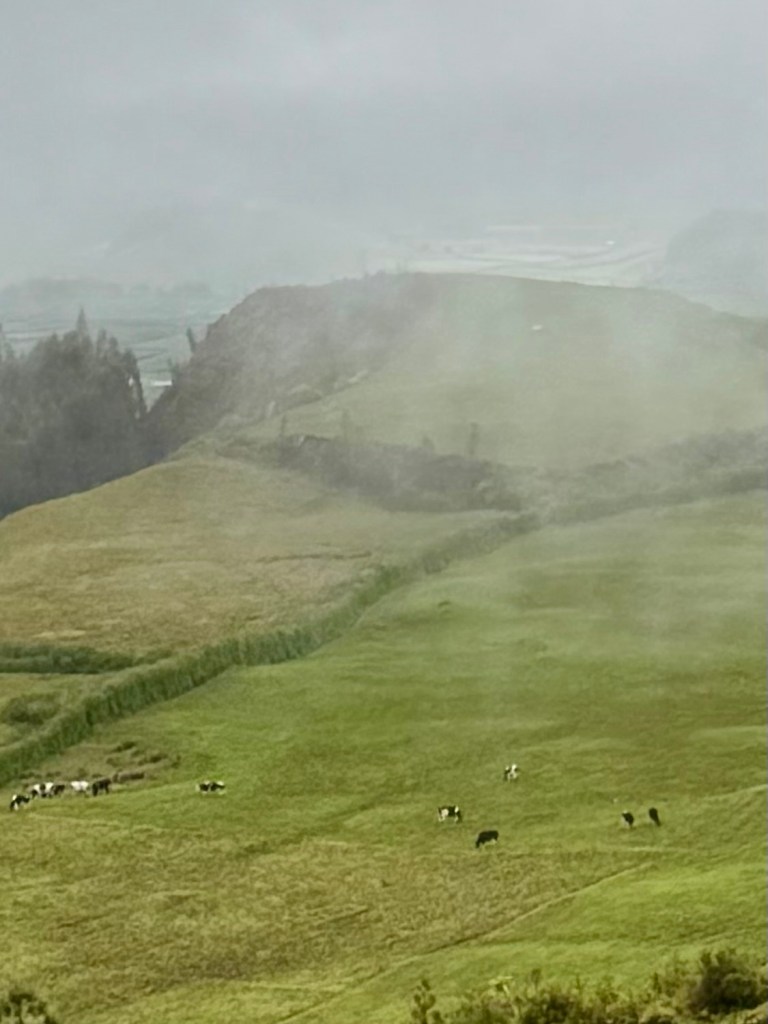
The island’s human population is around 160,000. The cow population? Roughly double that.
Most of them are dairy cattle, and one of the more unusual sights is the pasture fencing. In many places, the “fences” are actually hydrangea hedges. Apparently, there’s something about the plants the cows avoid. The hydrangeas also grow naturally along roads and hillsides. Unfortunately, they weren’t blooming this time of year, but when they do, the island is supposed to be spectacular.
The Azores were stunning. Some people call them the most underrated destination in Europe. After visiting, I can see why.
Next stop… Lisbon.
Bon voyage.
 Just Pete Adventures
Wow! Awesome, Pete! You guys look great! Enjoy!
LikeLiked by 1 person
I love th
LikeLike
looking great. Appreciate the good descriptions and updates. You appear to have another fun trip Keep them coming please. Victor
LikeLiked by 1 person
As per all your trips, looks wonderful!! Have a great time.
LikeLike