Cruising Venice to Rome

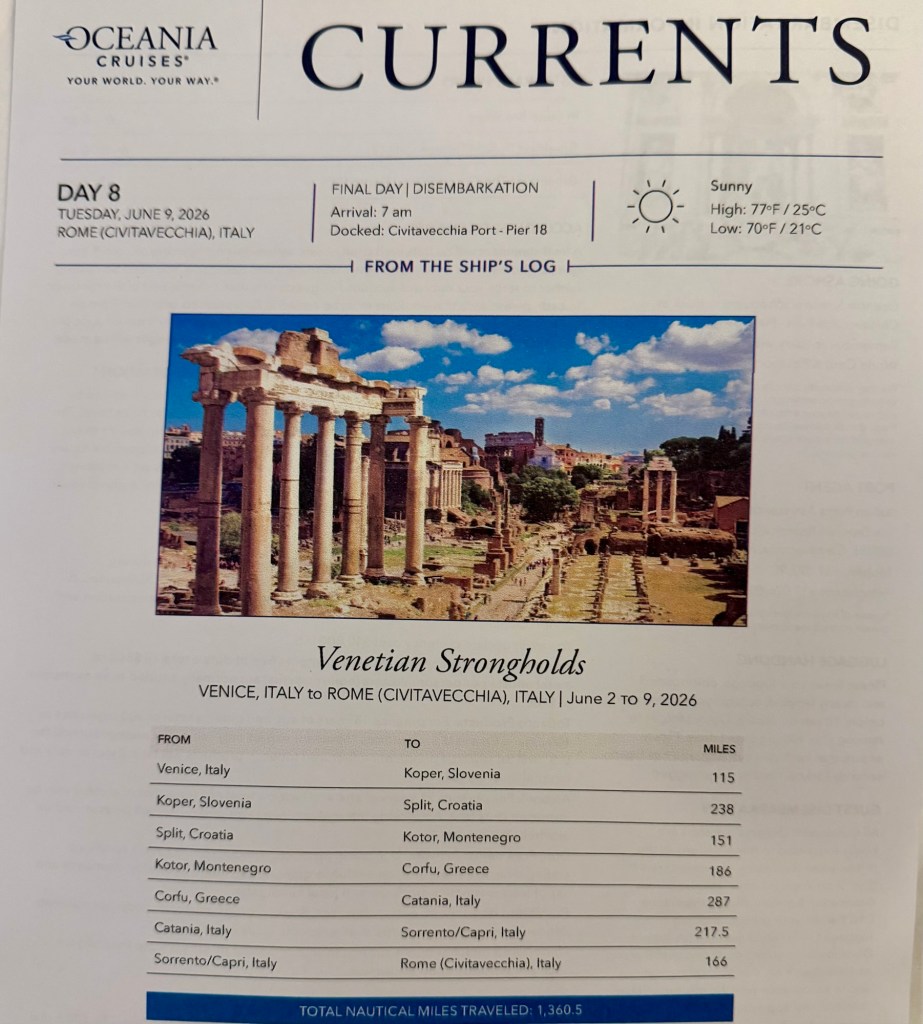
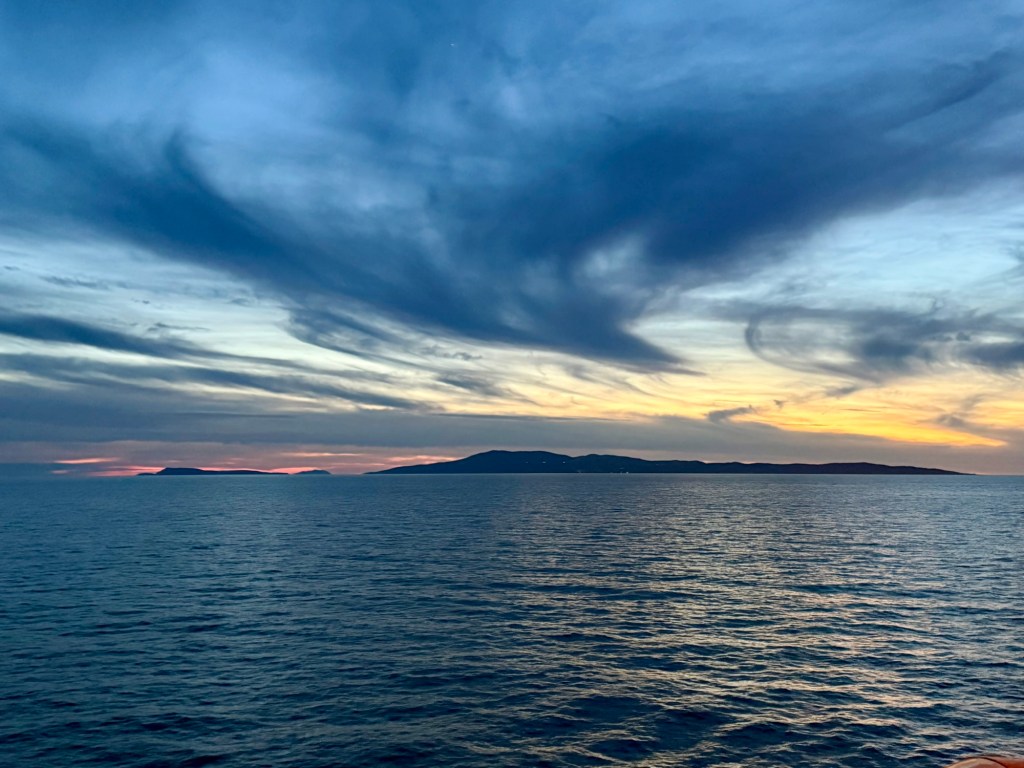
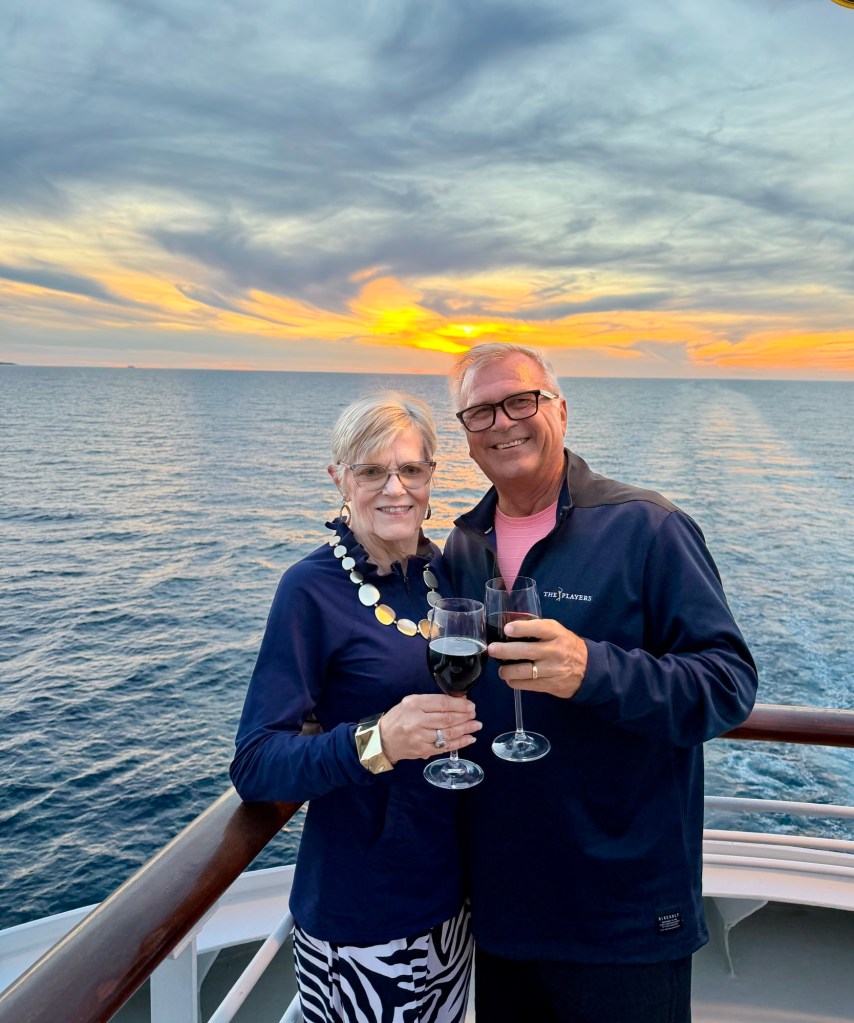
We spent seven nights aboard Oceania’s Sirena, sailing from Venice to Rome. One of the best parts of the cruise was waking up each morning in a new port, each with its own personality.

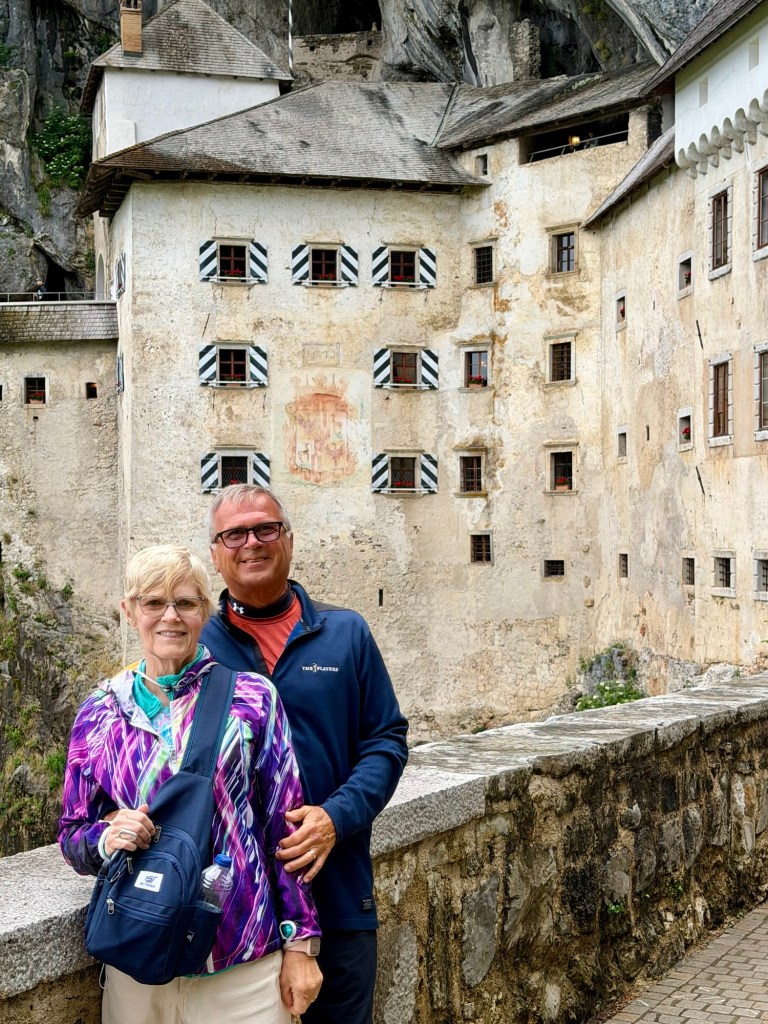
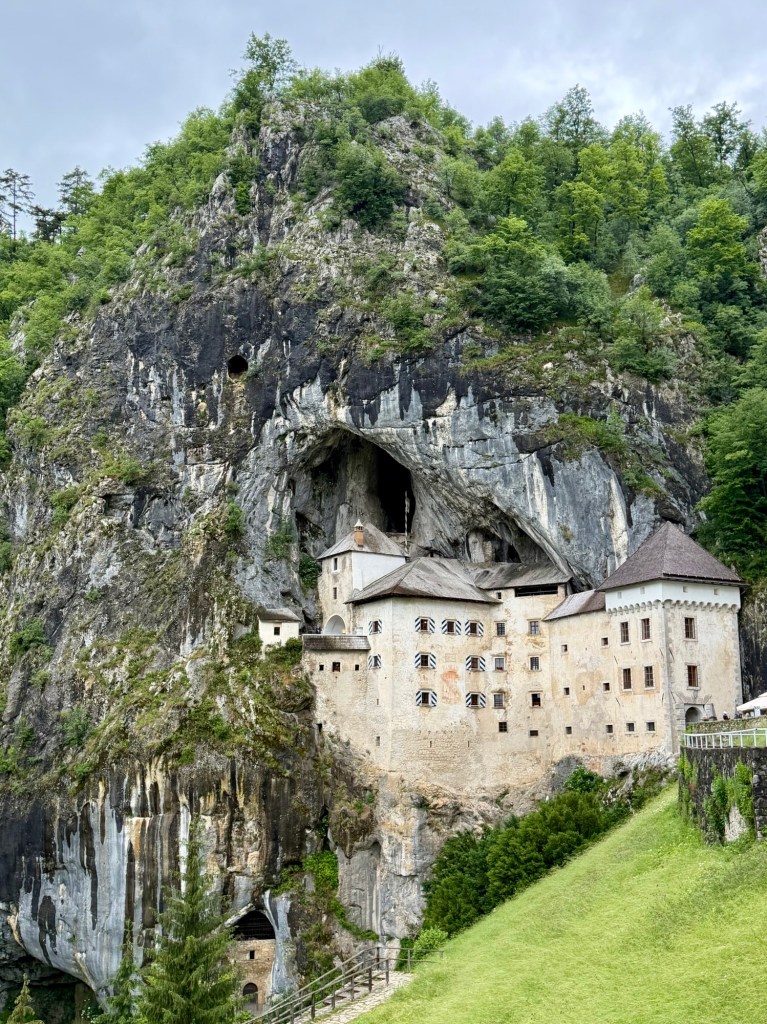
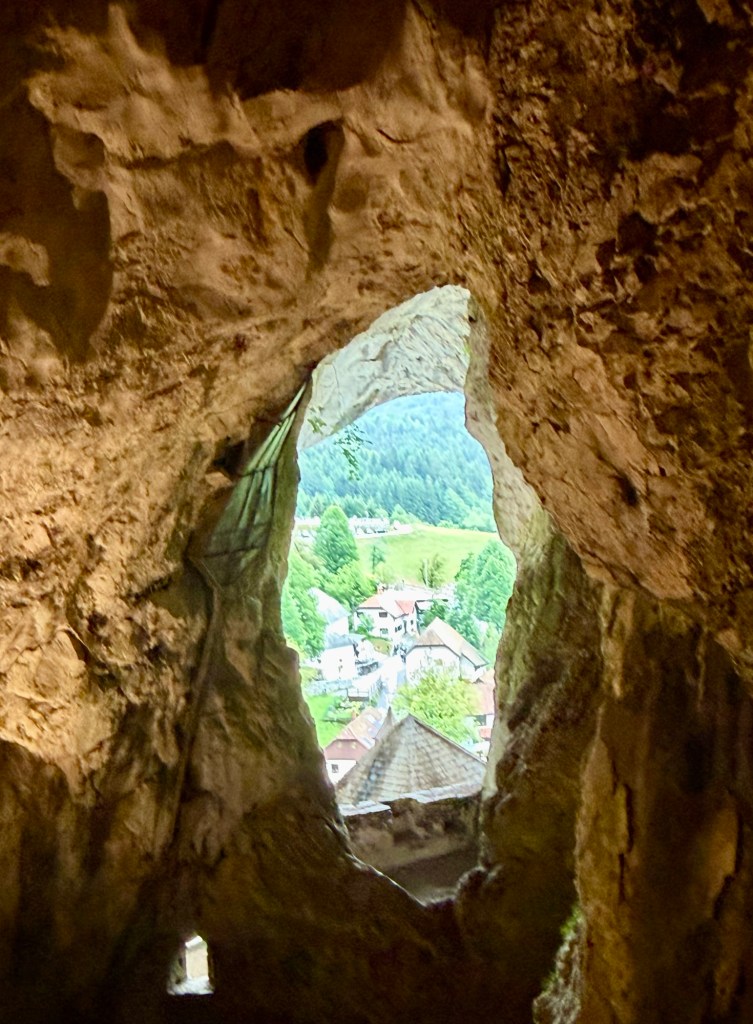
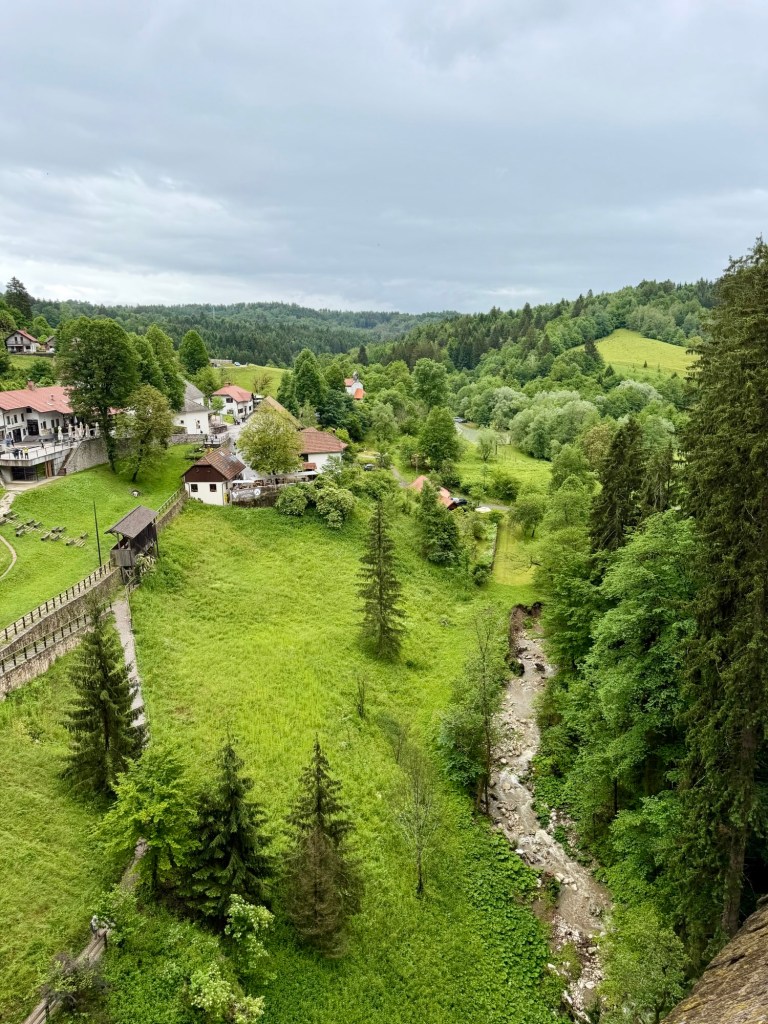
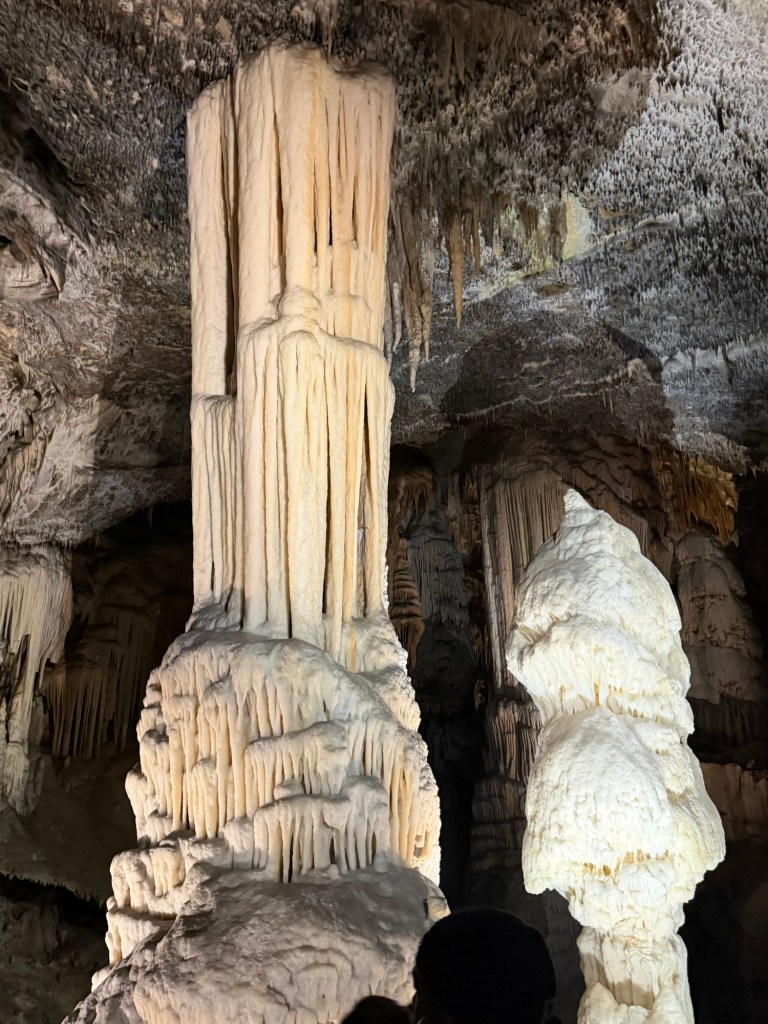
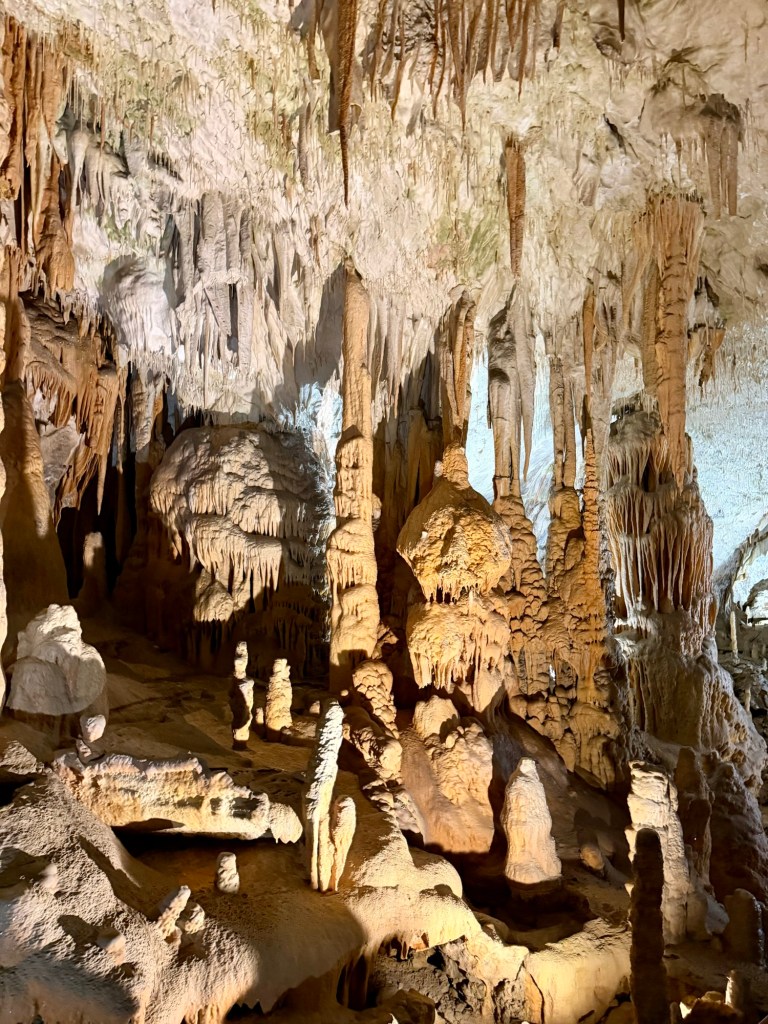
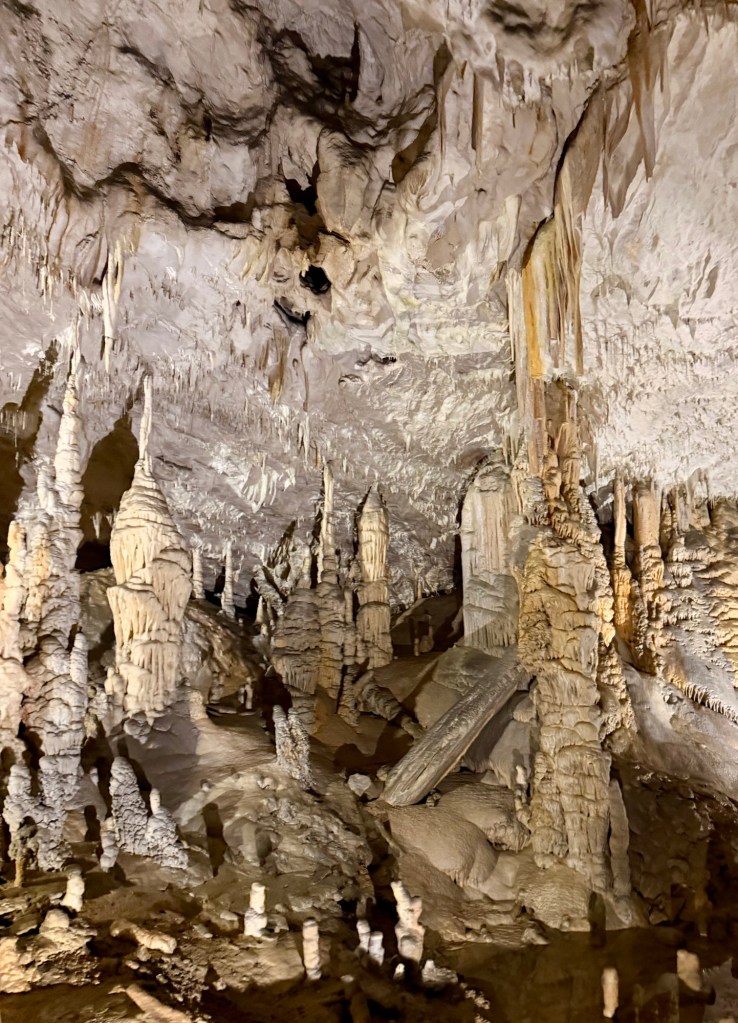
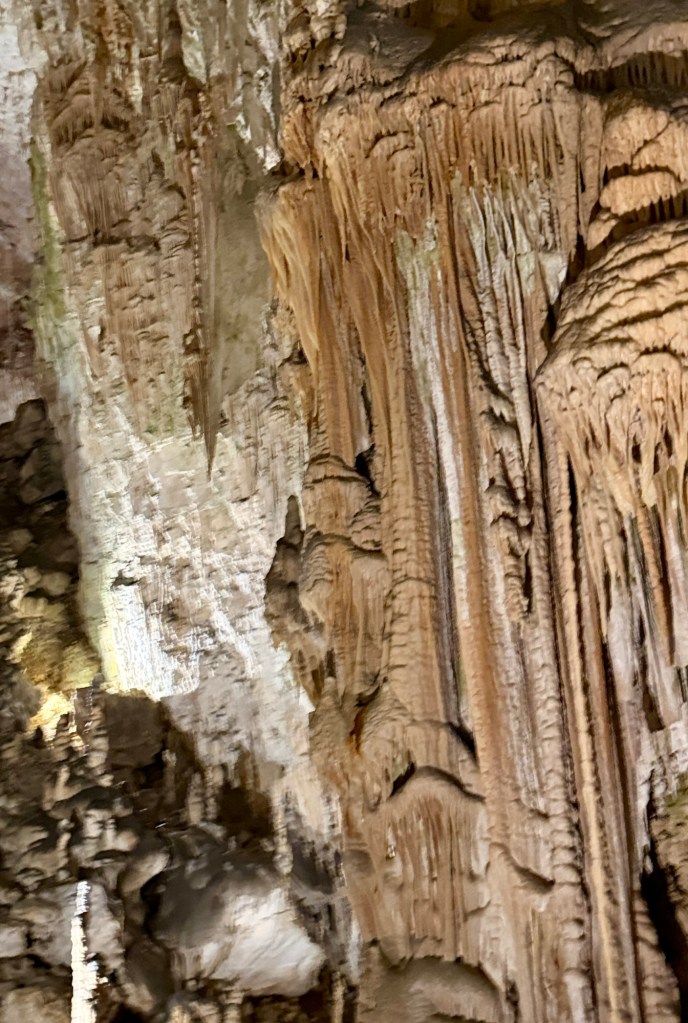
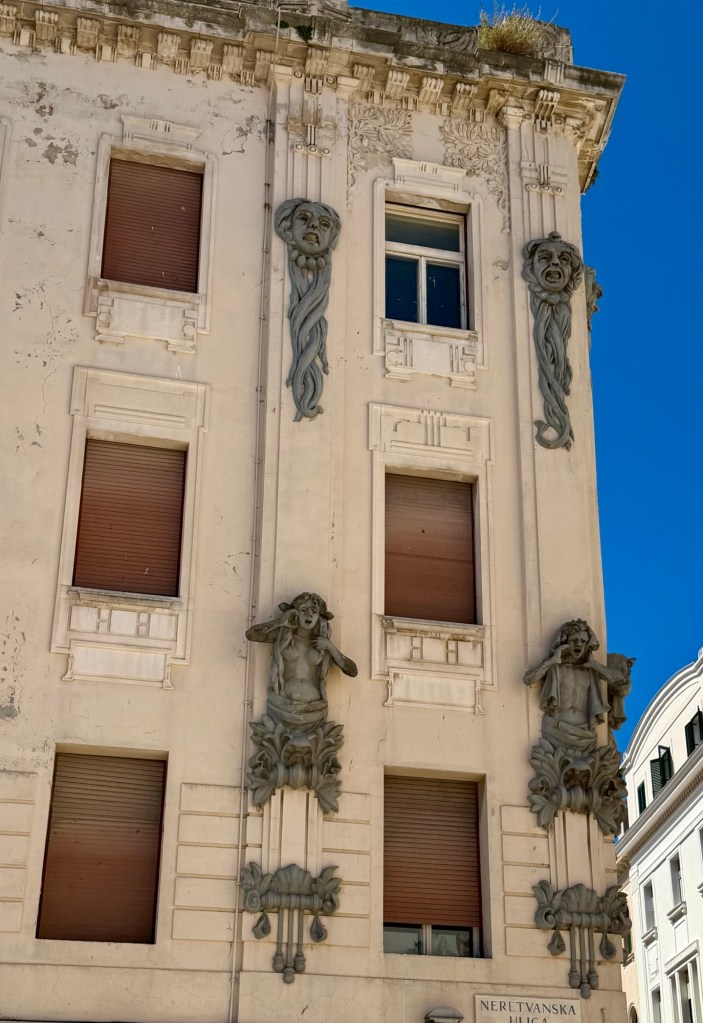
Our first stop was Slovenia, where we toured Predjama Castle and Postojna Cave. Predjama is the world’s largest preserved cave castle, dramatically built into the mouth of a cliffside cave. Just a few miles away, Postojna Cave stretches for more than 15 miles underground and features stunning rock formations that have been sculpted by water over millions of years.

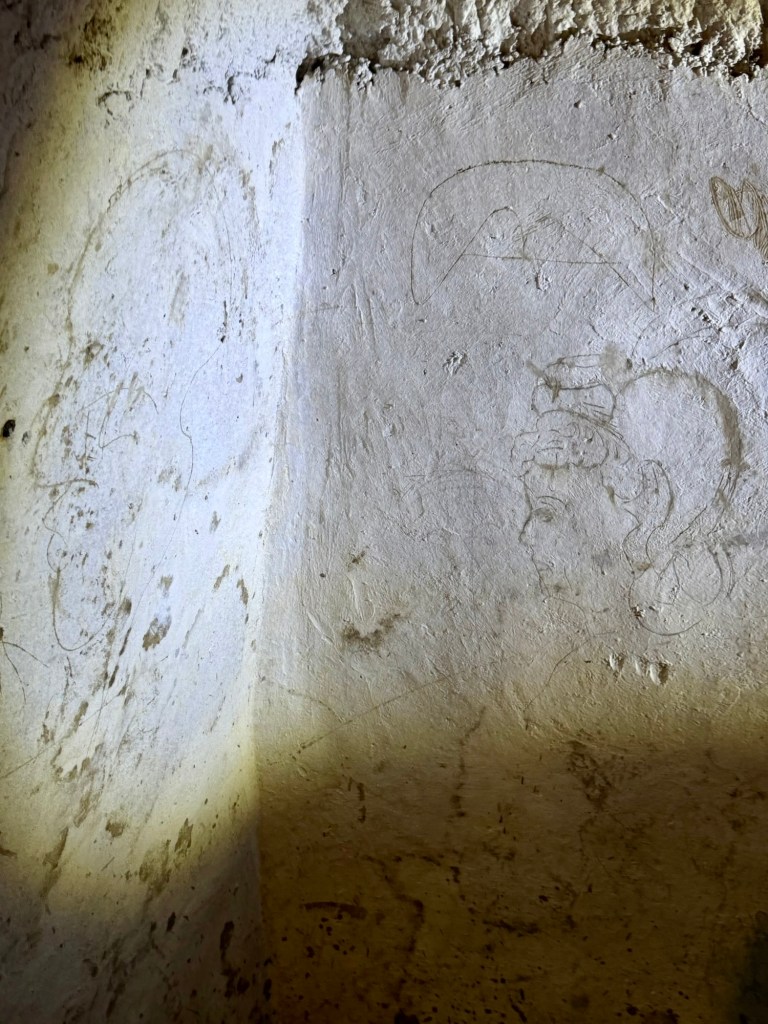
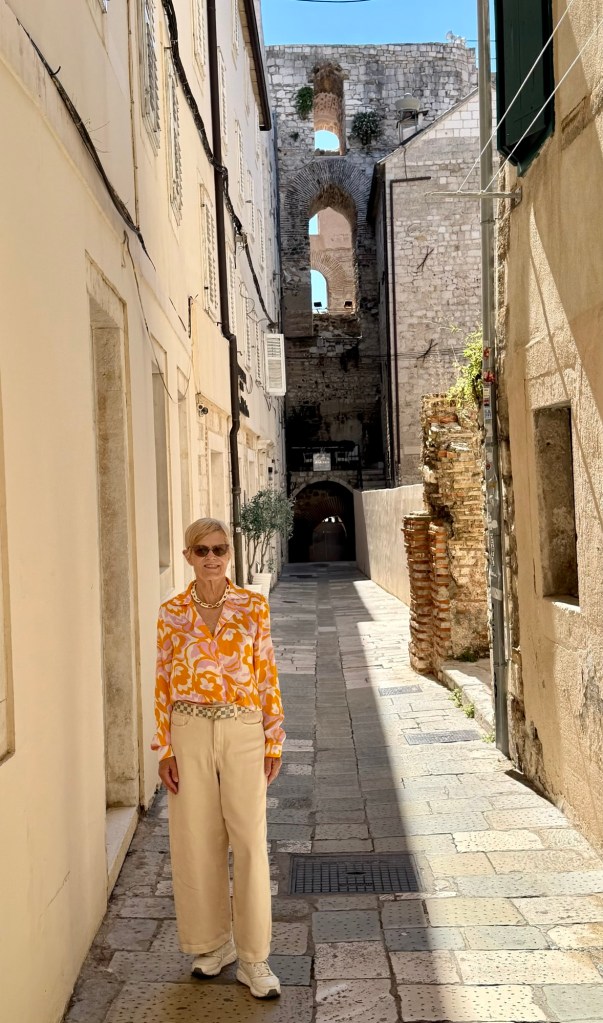
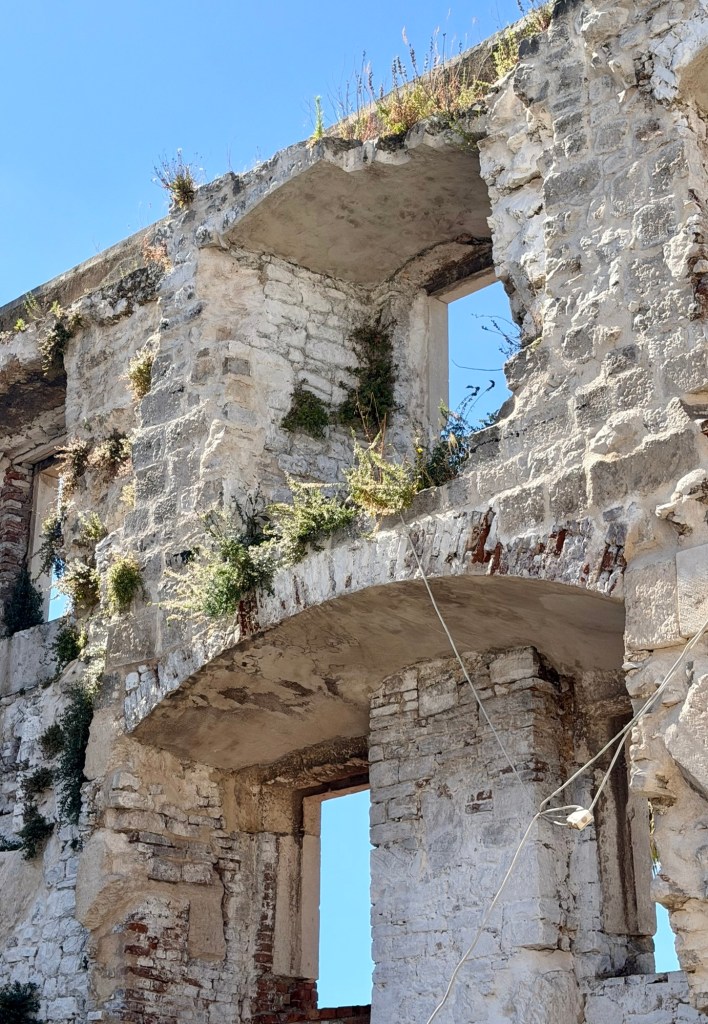
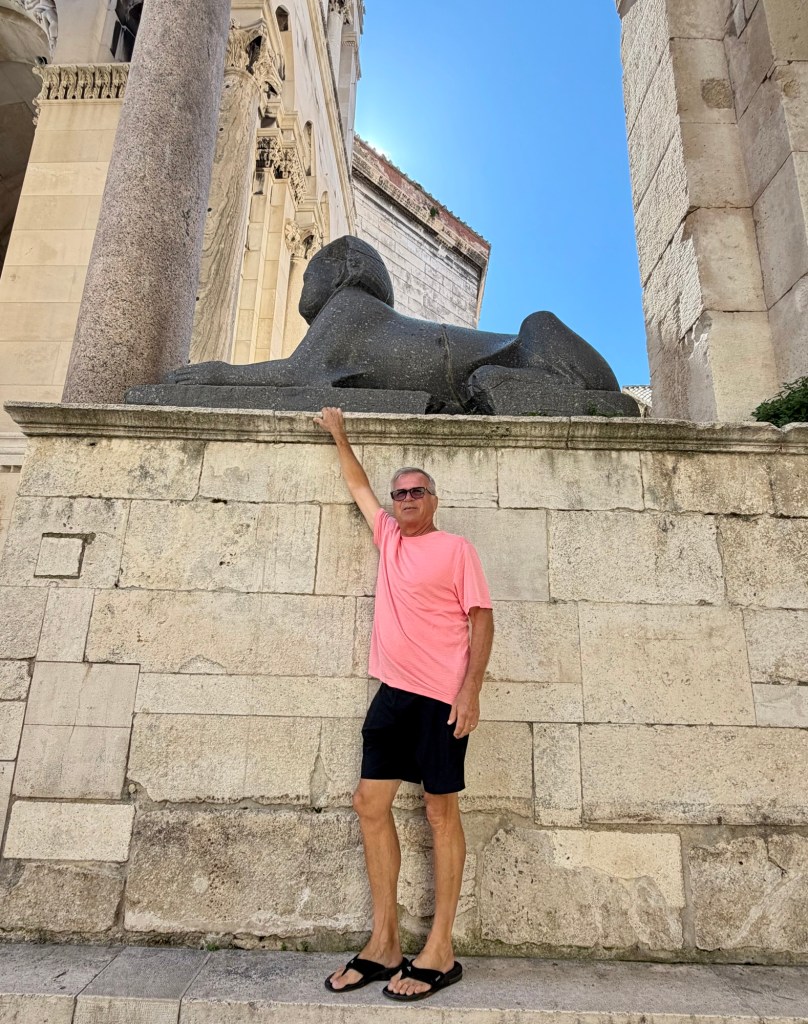
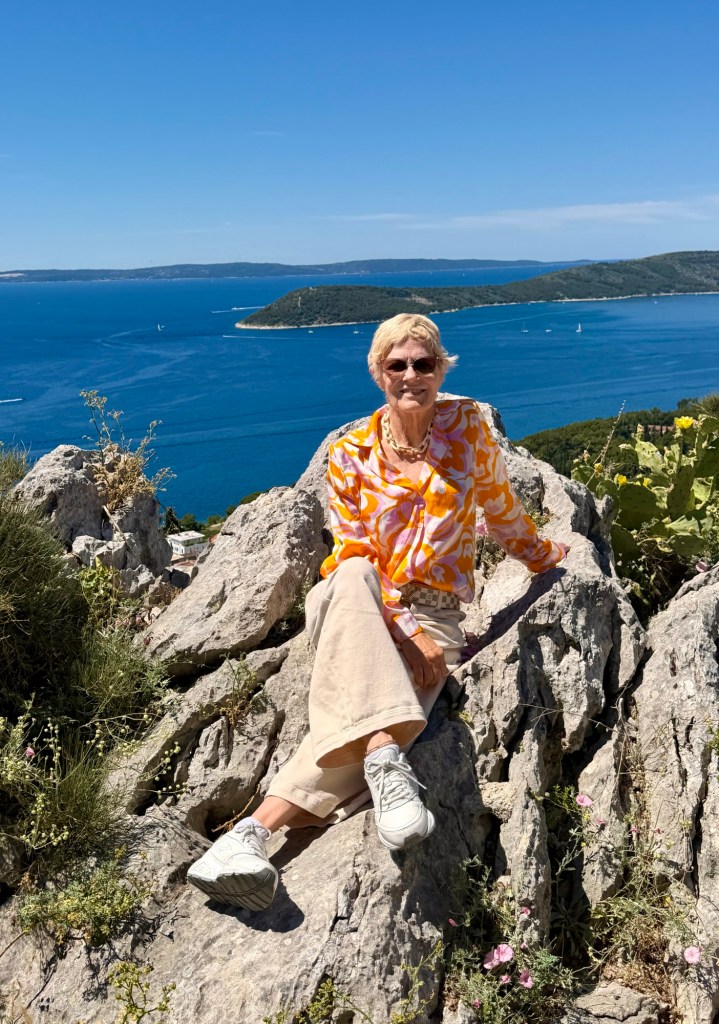
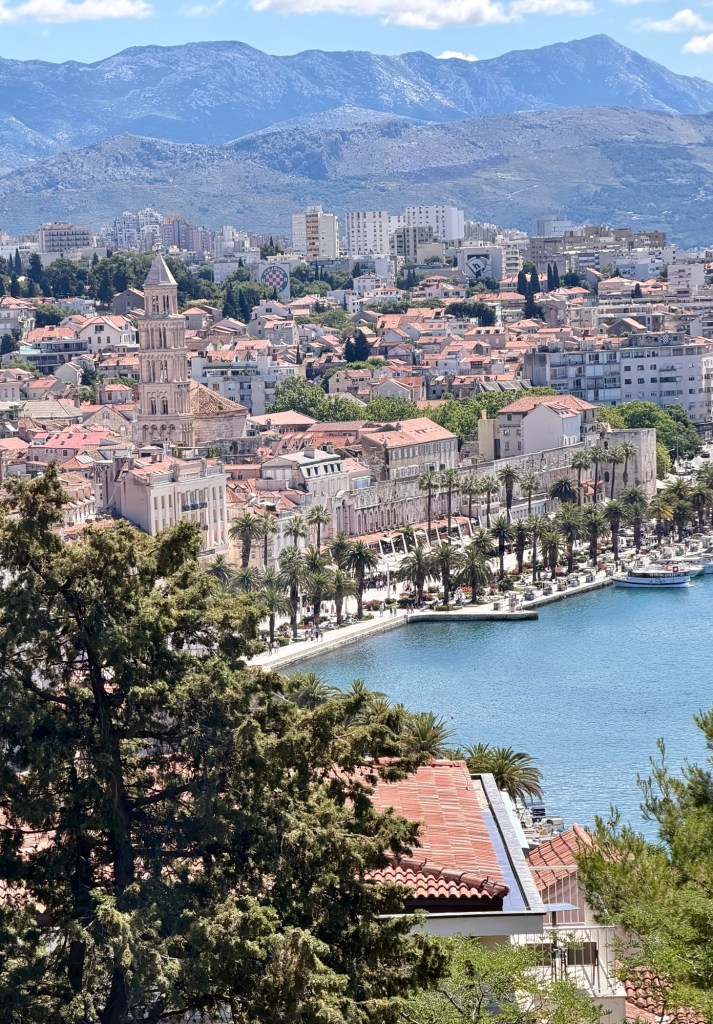
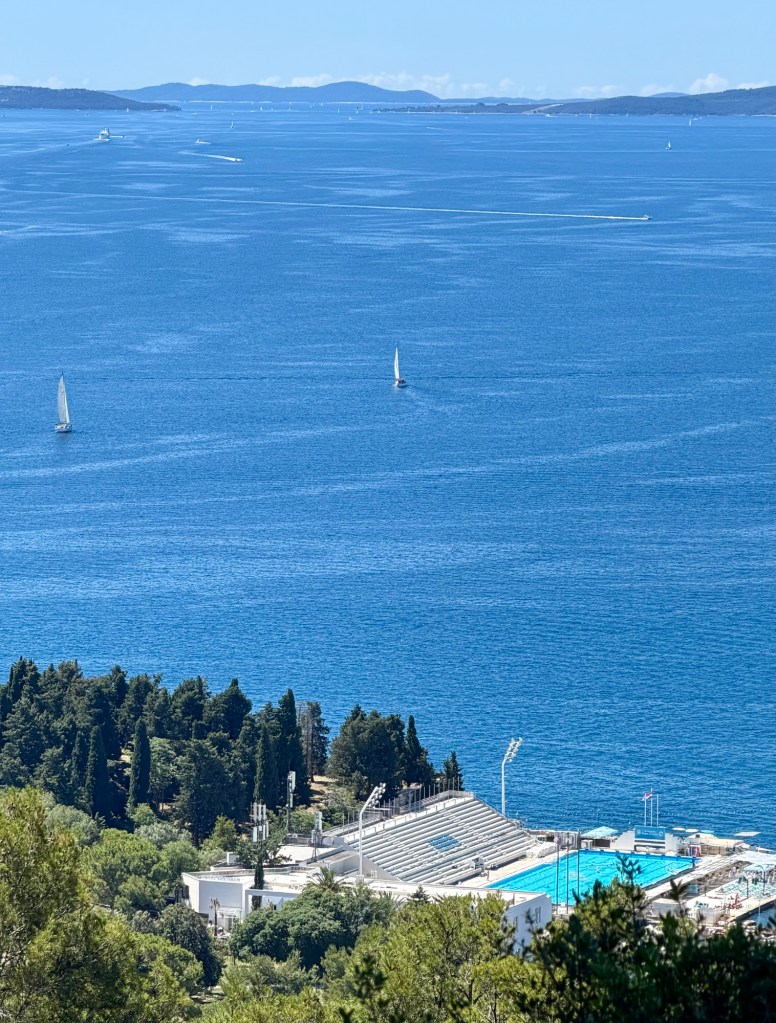
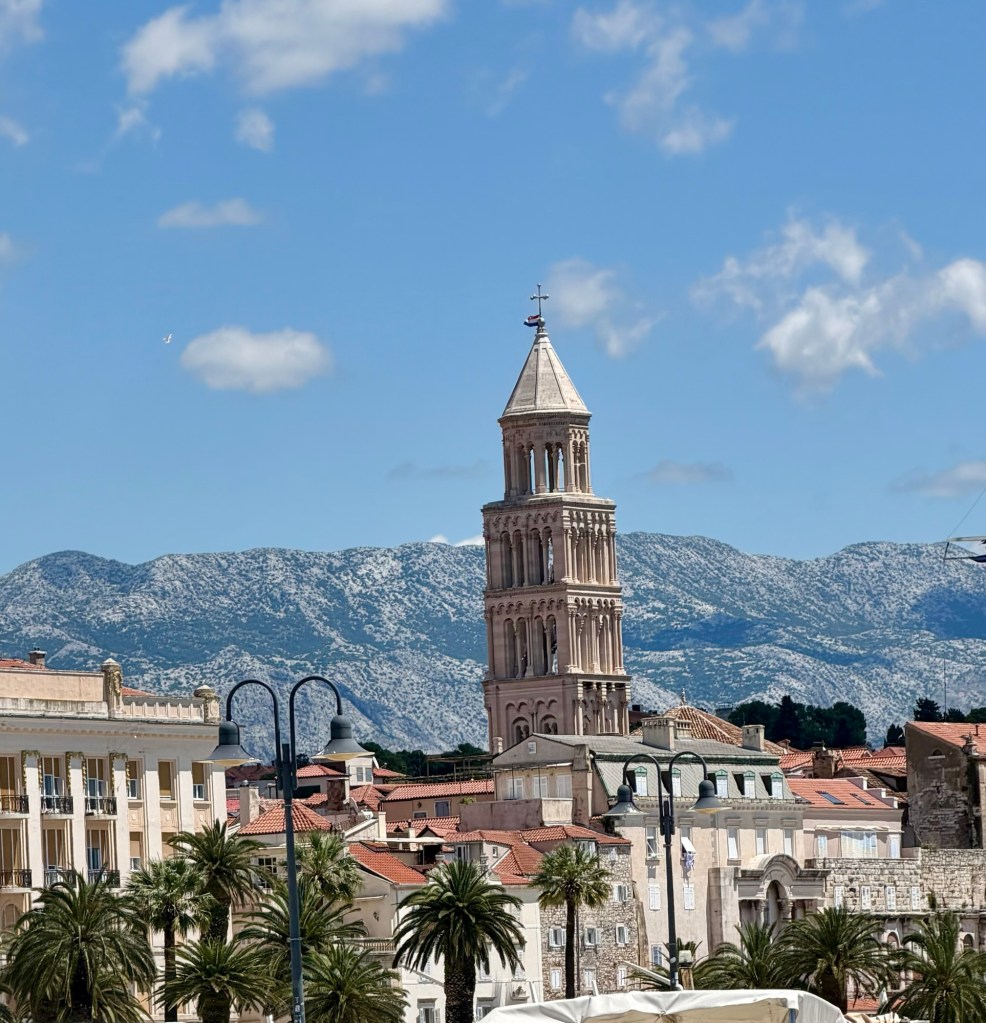
Split, Croatia, was another highlight. The heart of the city is Diocletian’s Palace, a remarkable blend of Roman history and modern life where shops, restaurants, and homes exist within walls built nearly 1,700 years ago. We also made the climb up Marjan Hill, which rewarded us with spectacular views of the city, the Adriatic Sea, and the surrounding islands.

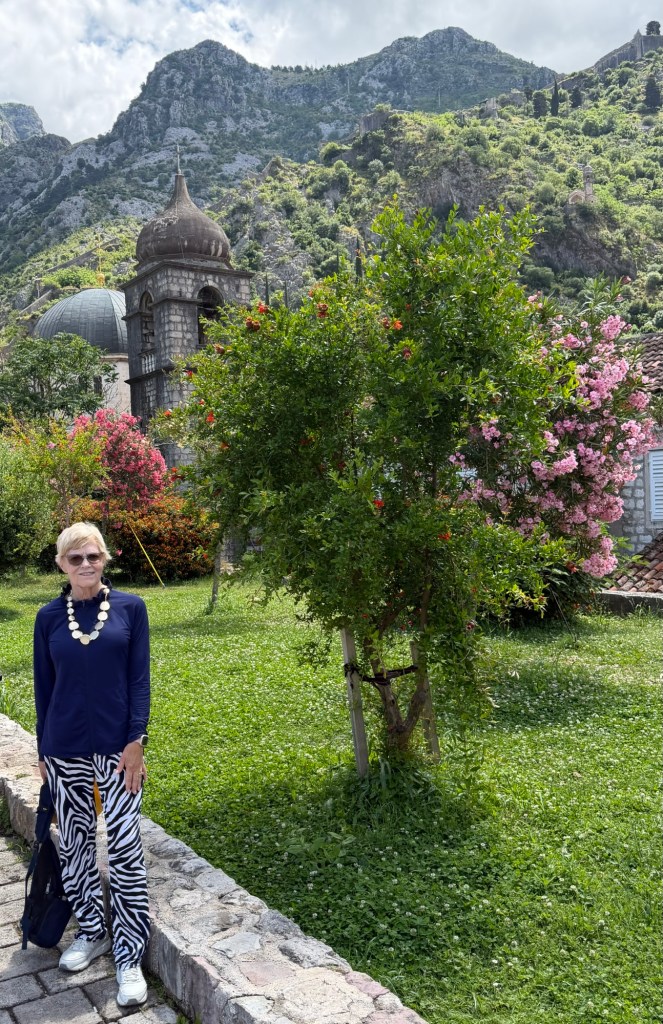
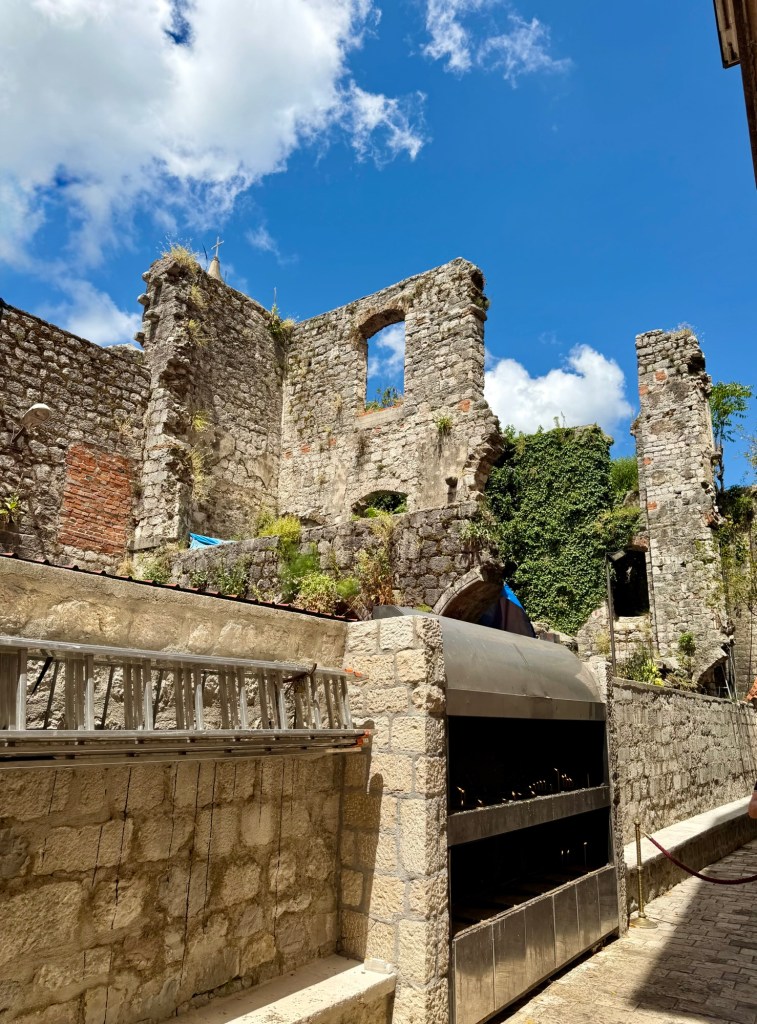
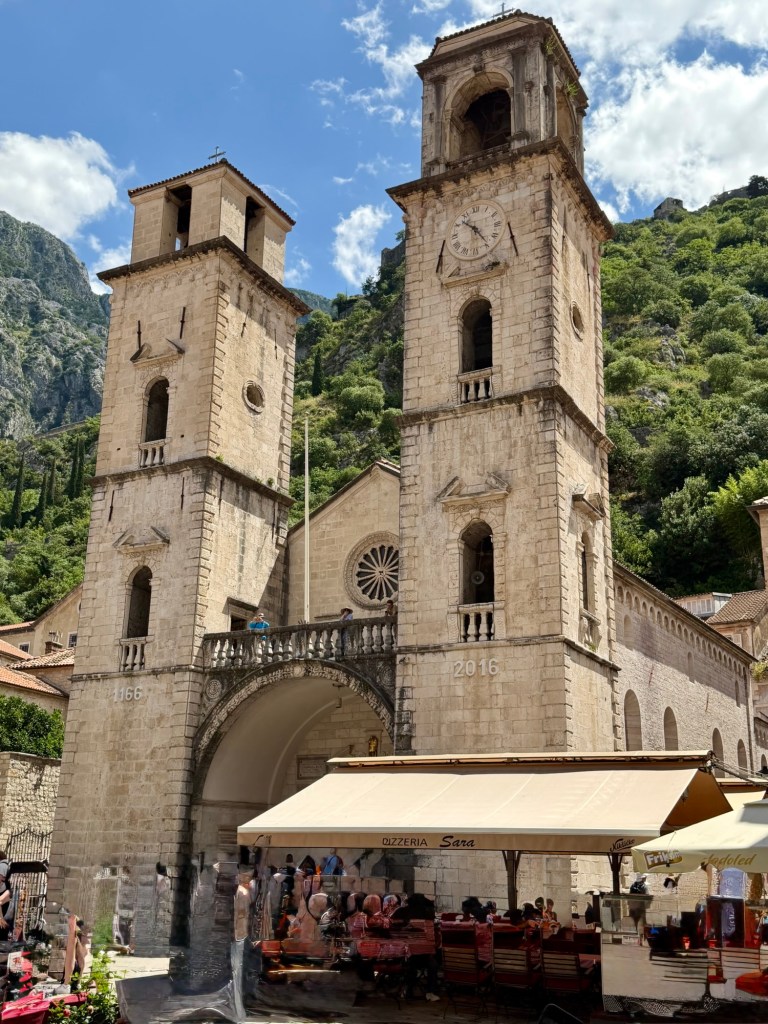
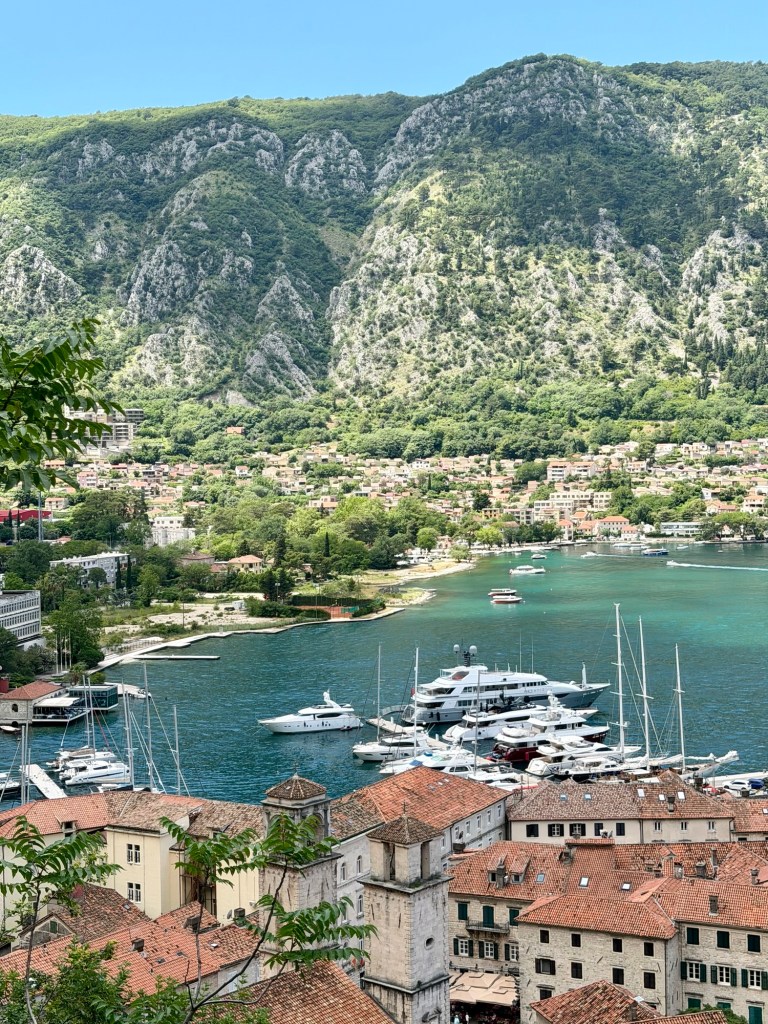
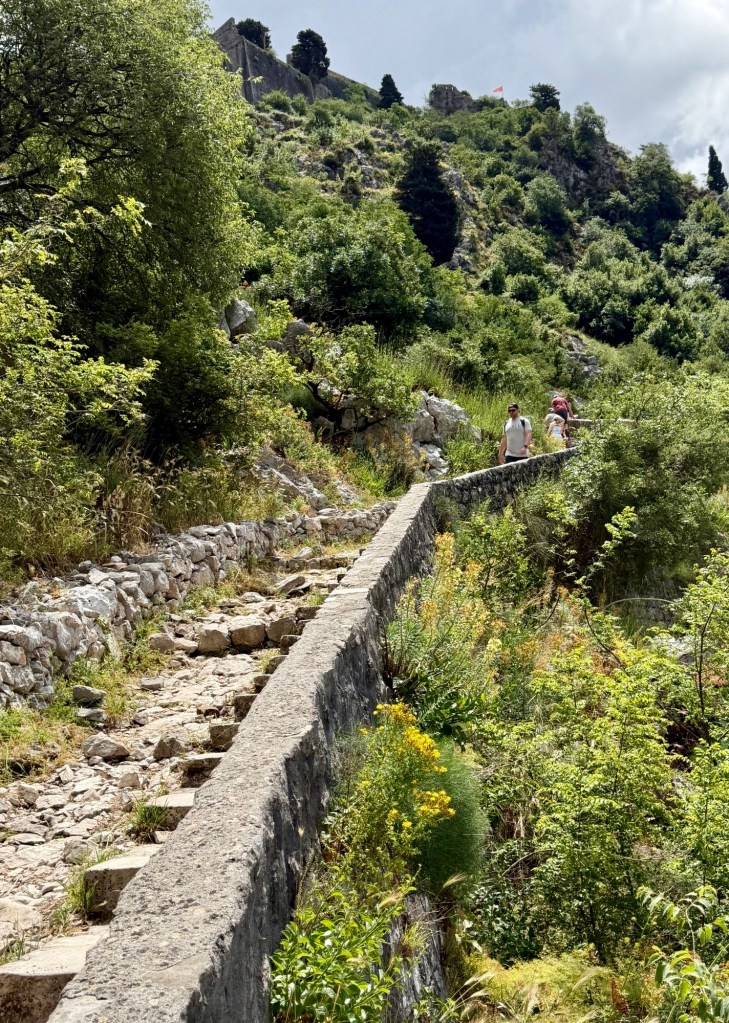
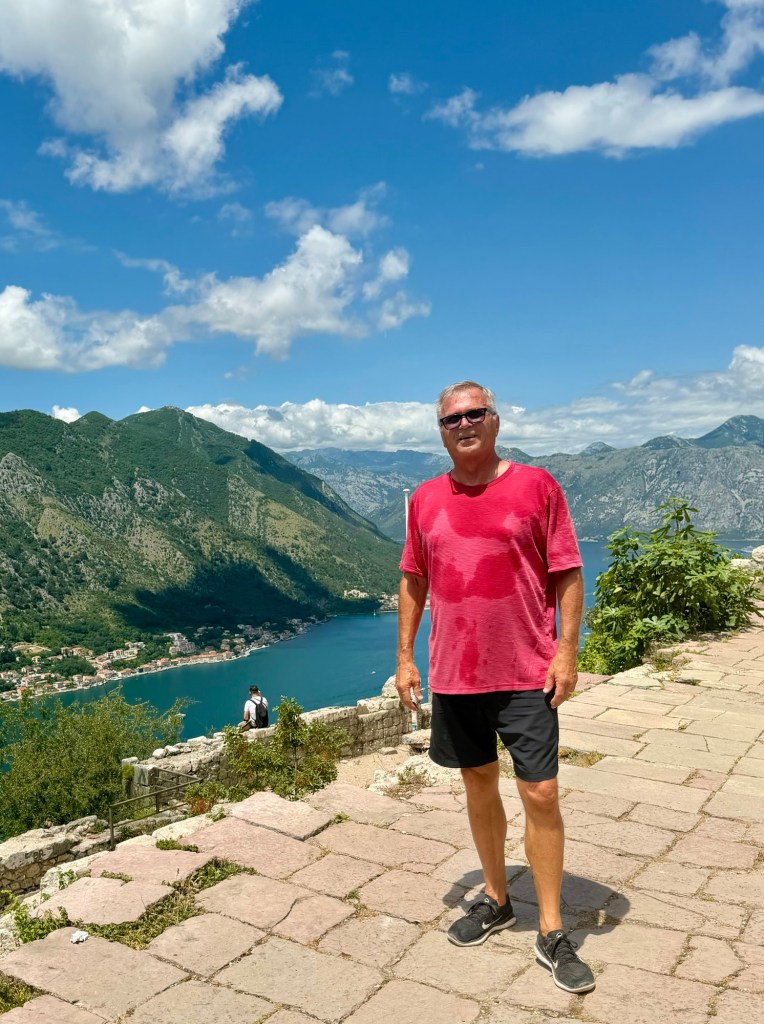
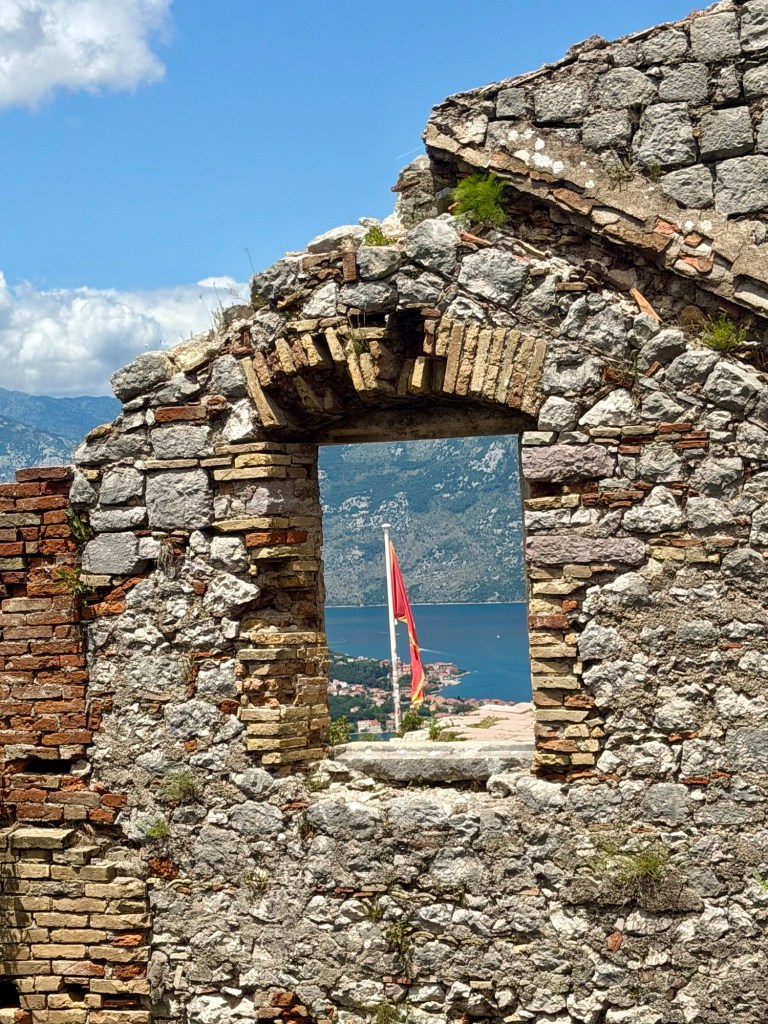
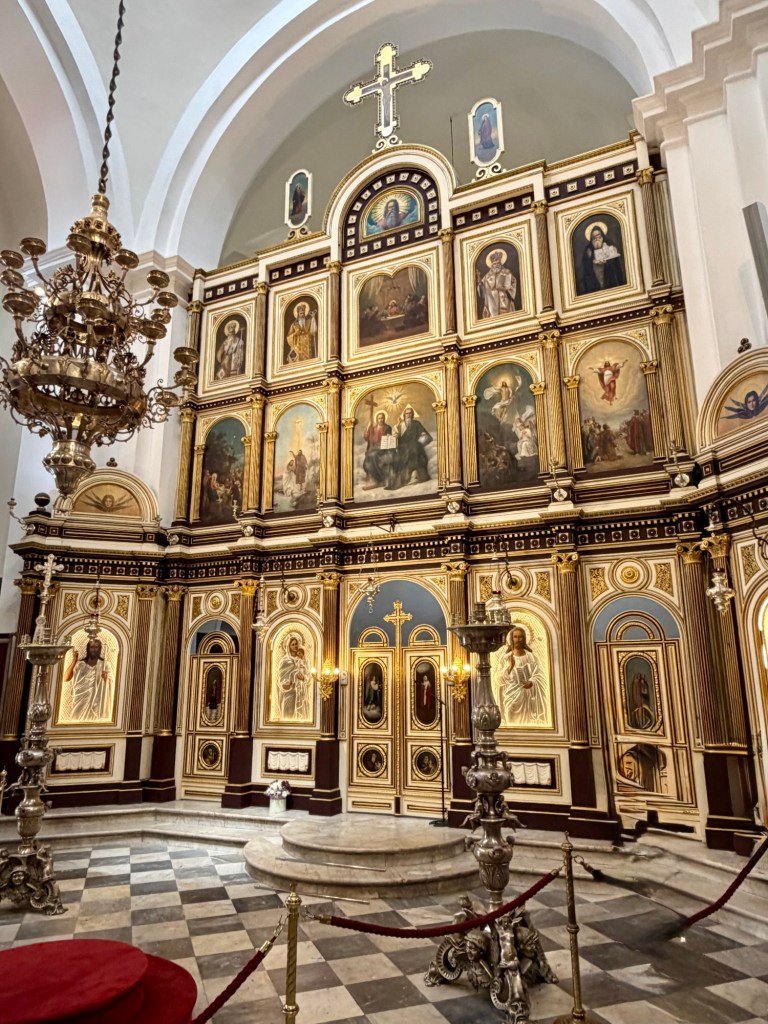
Kotor, Montenegro, may be a small town, but it offers one of the most impressive settings on the cruise. Nestled between towering mountains and a stunning bay, Kotor feels like something from a postcard. I climbed the steep trail above town to the Church of Our Lady of Remedy. The hike was challenging, especially in the heat, but the panoramic views of Kotor Bay made every step worthwhile.

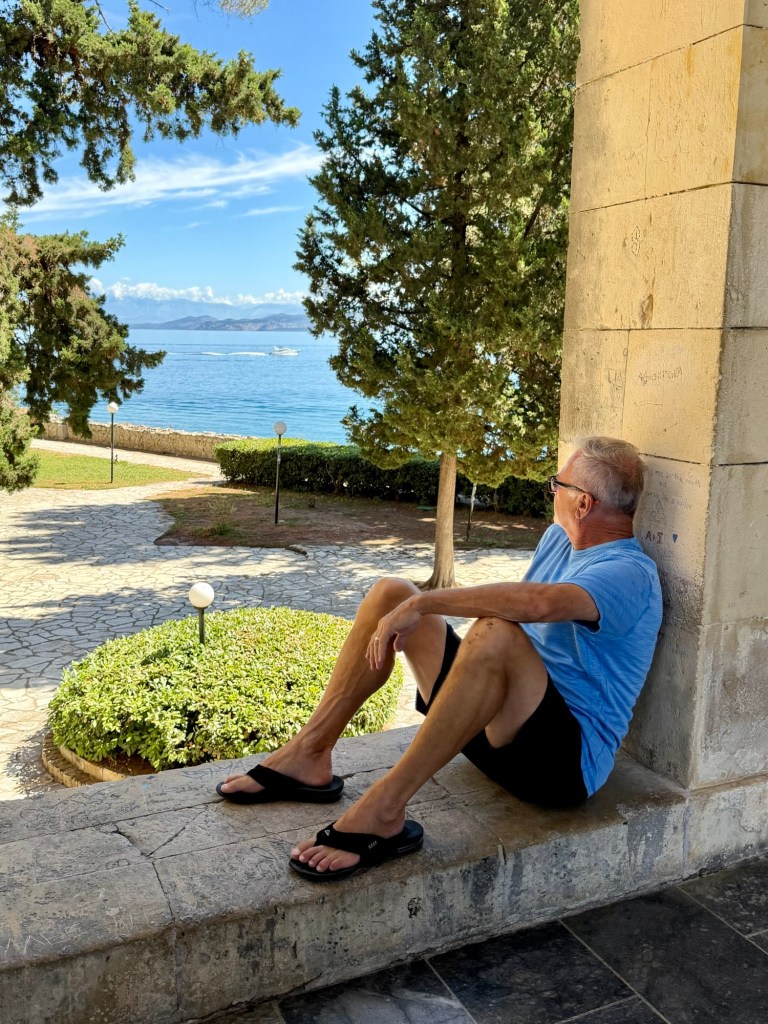
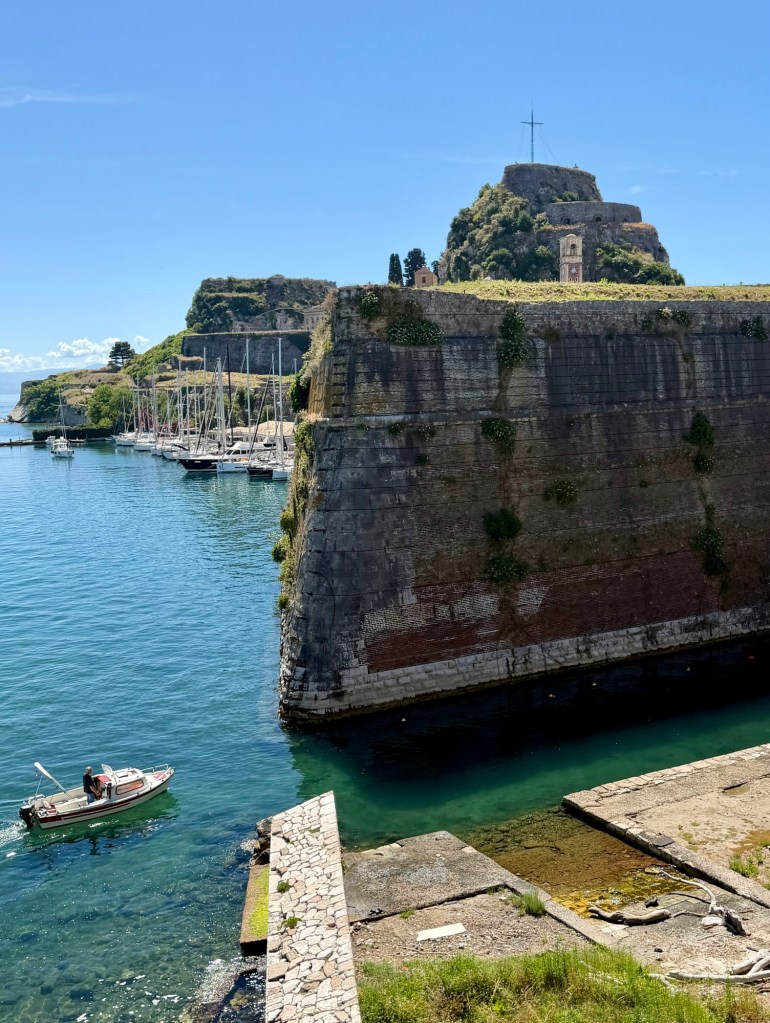
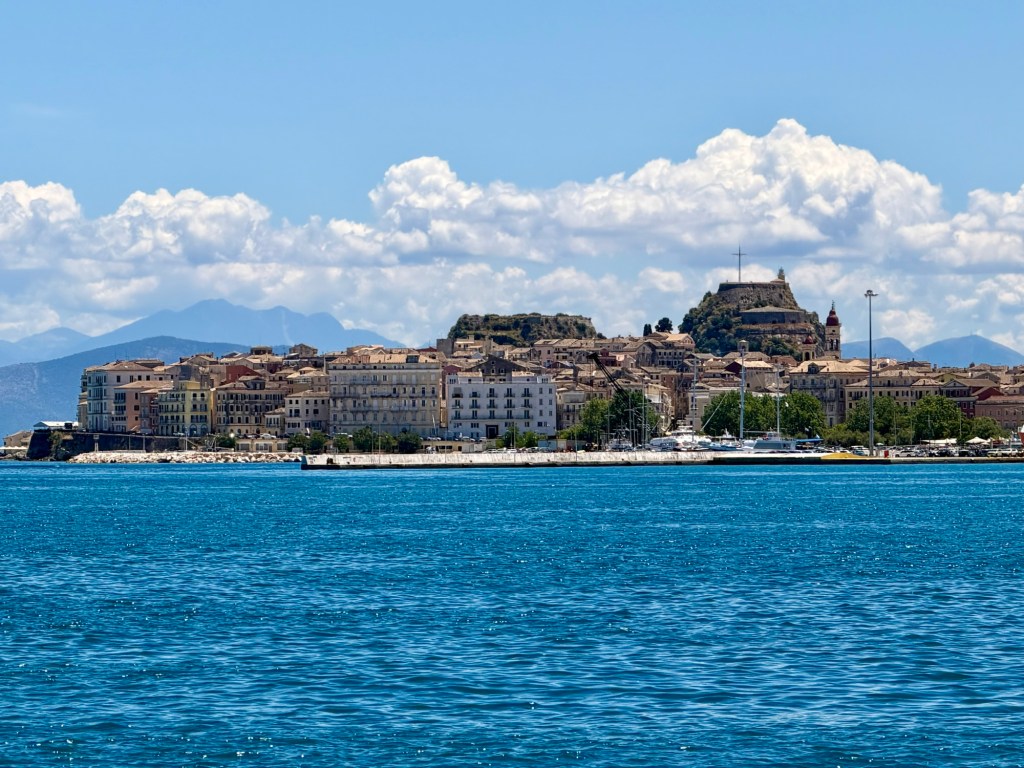
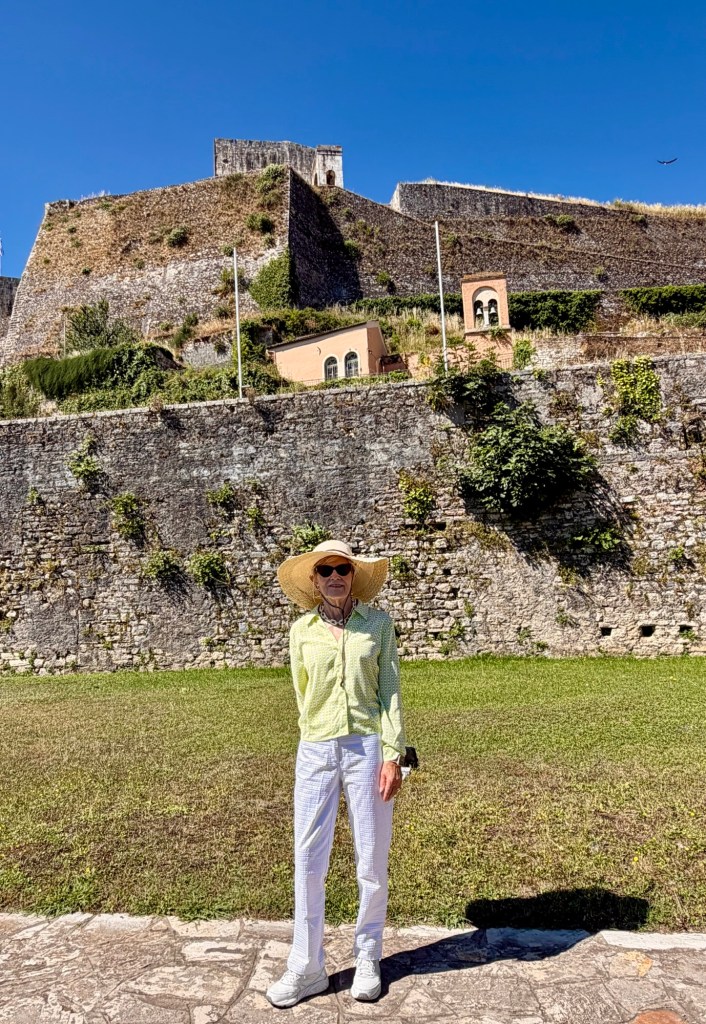
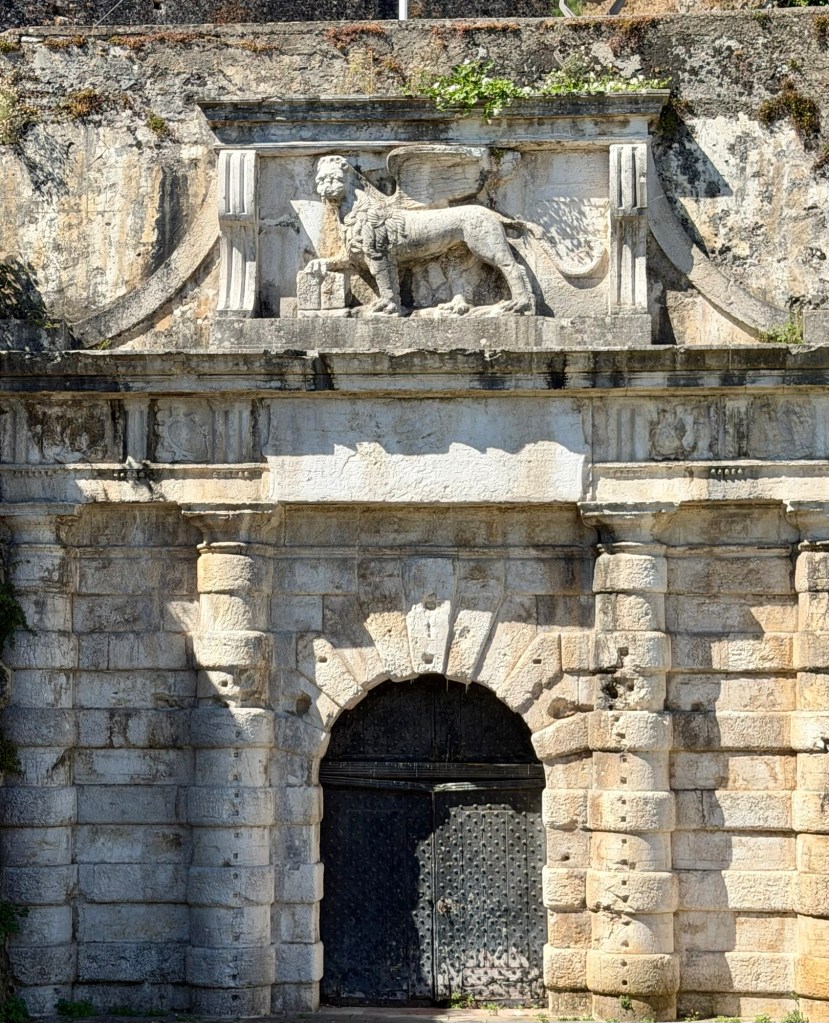
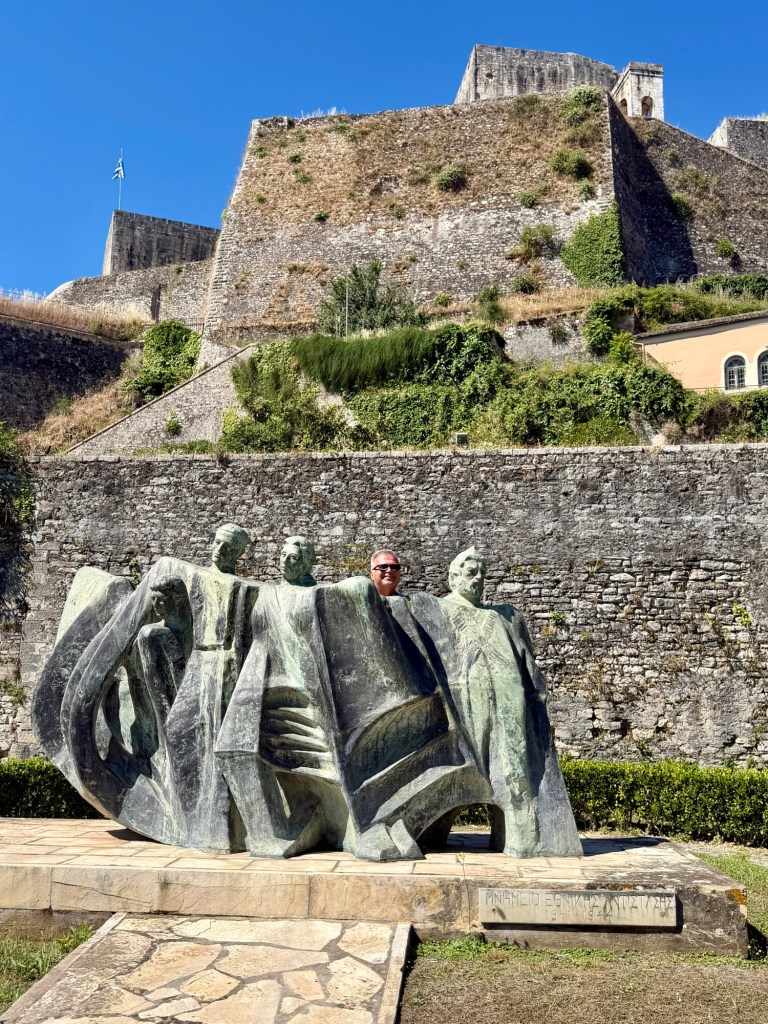
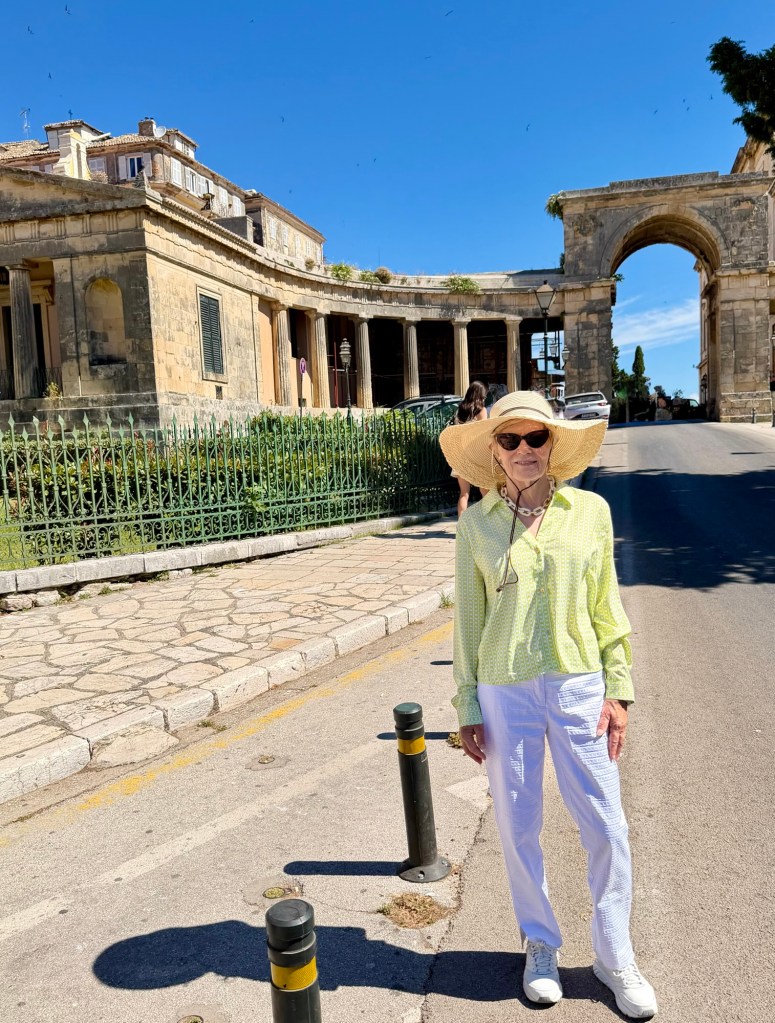
The next stop was Corfu, Greece. One thing that immediately stood out was the town’s two fortresses. Corfu has an Old Fortress and a New Fortress, both perched above the city and offering spectacular views of the harbor.  Together, they helped make Corfu one of the most heavily fortified cities in the Mediterranean.

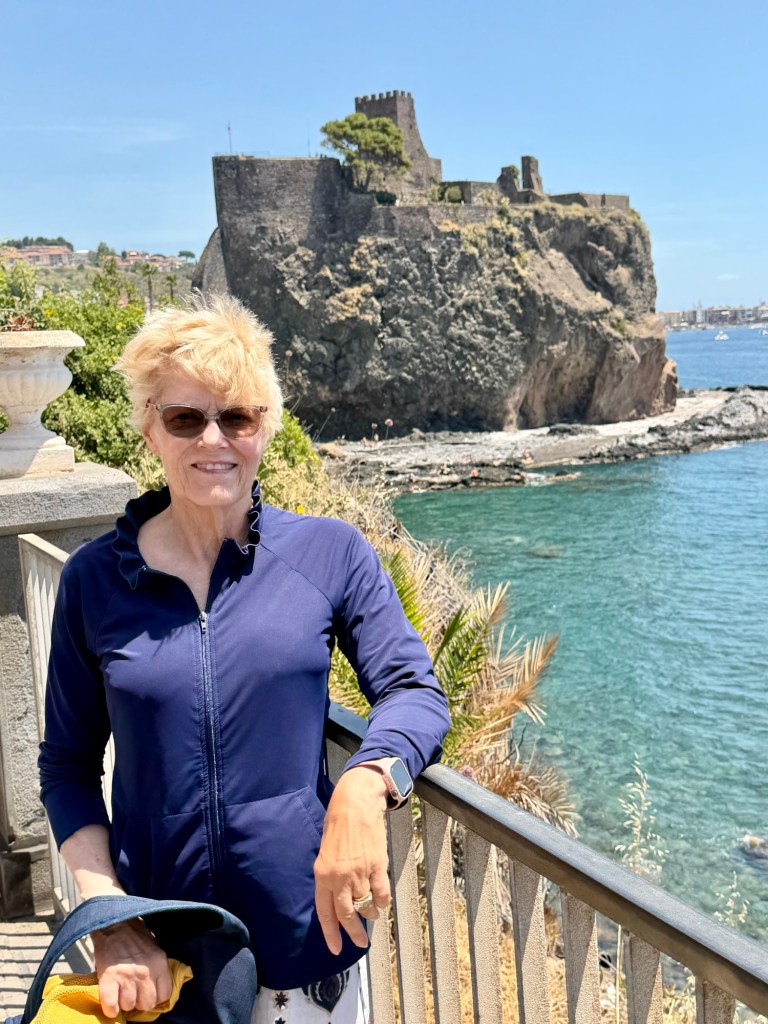
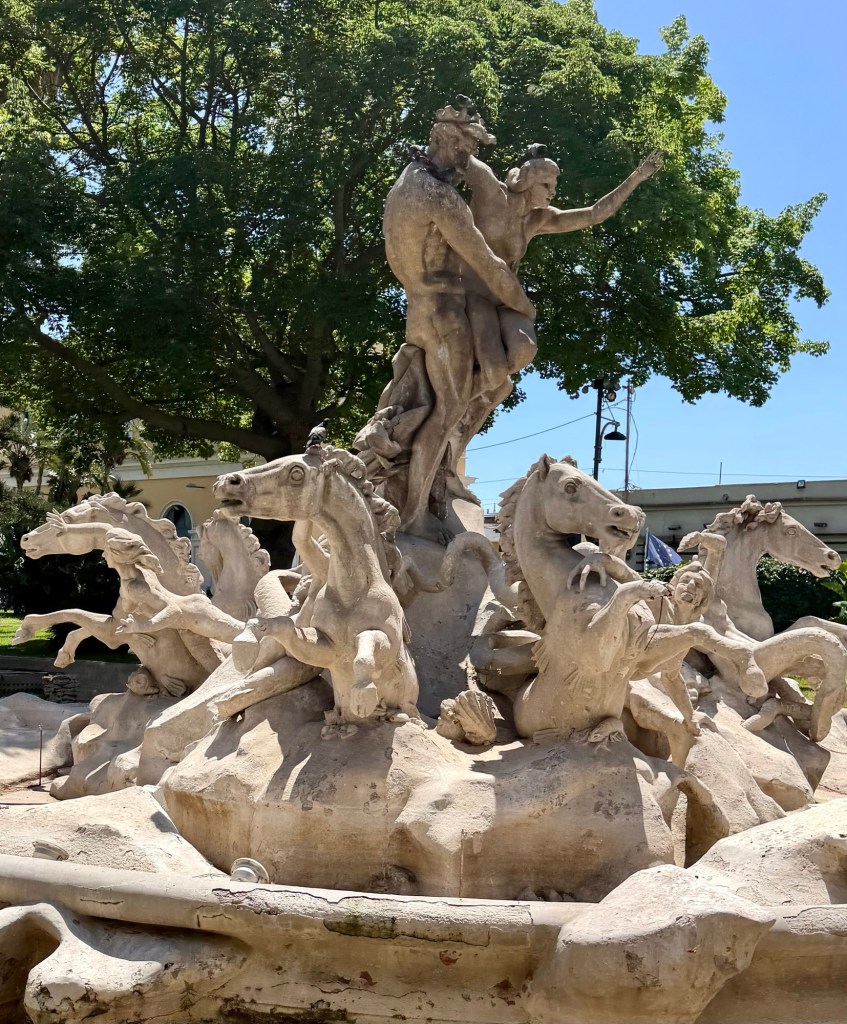
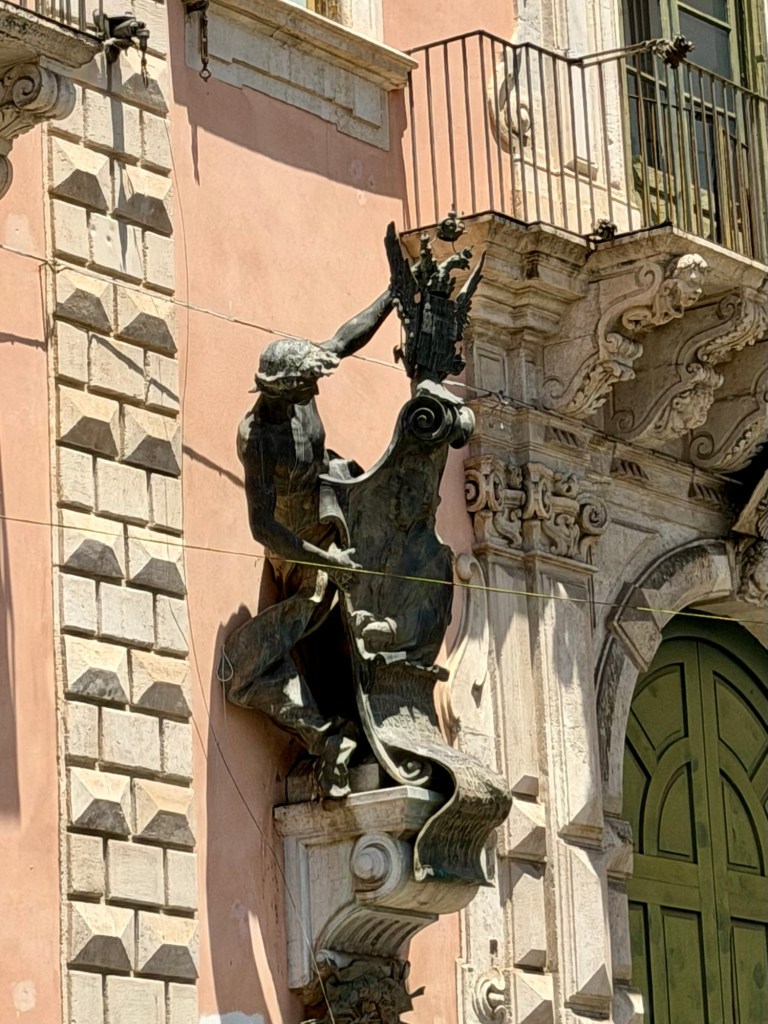
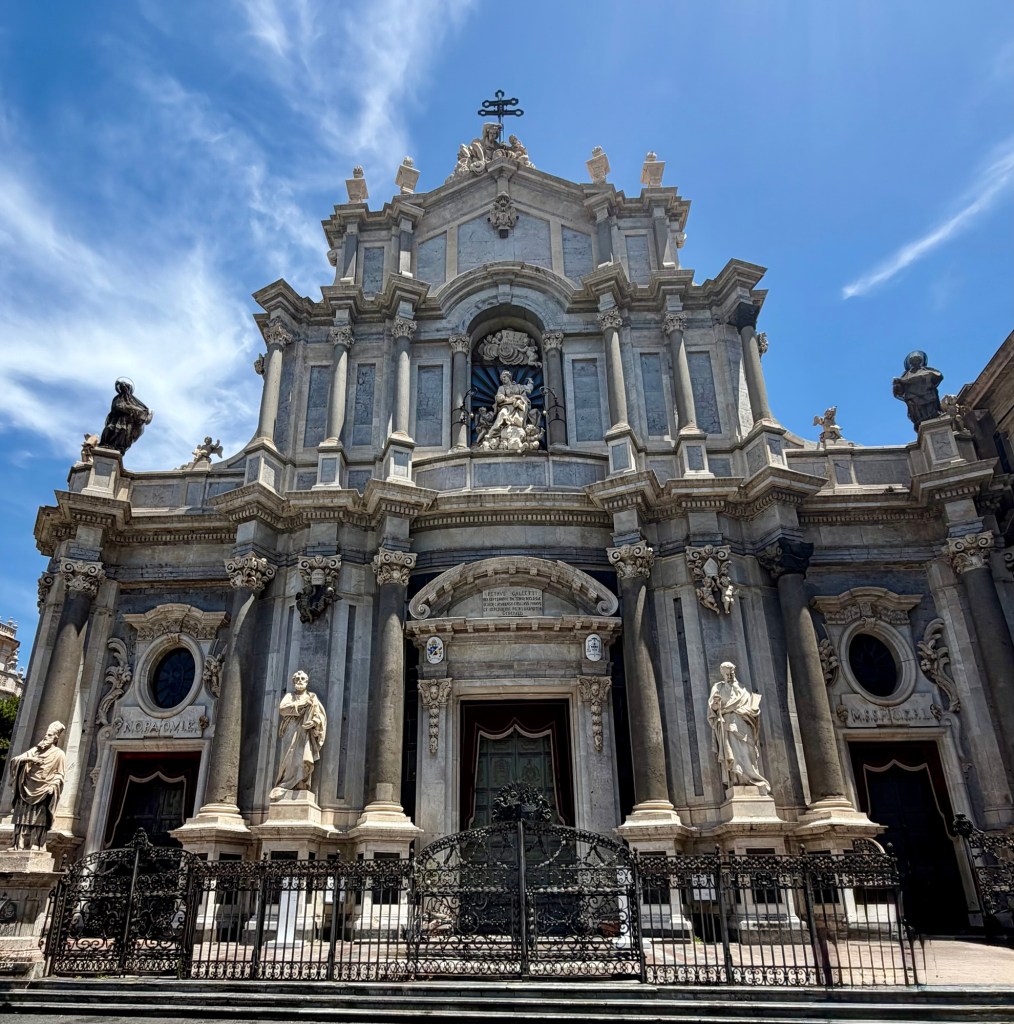
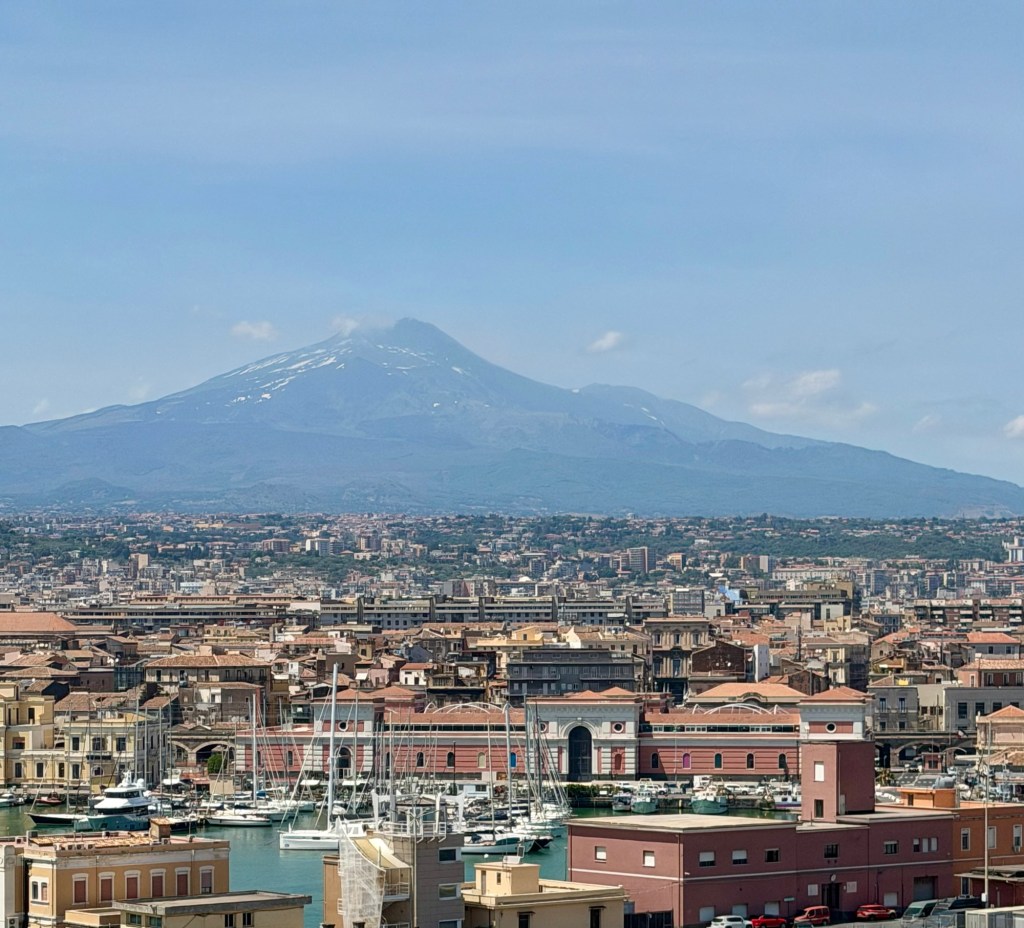
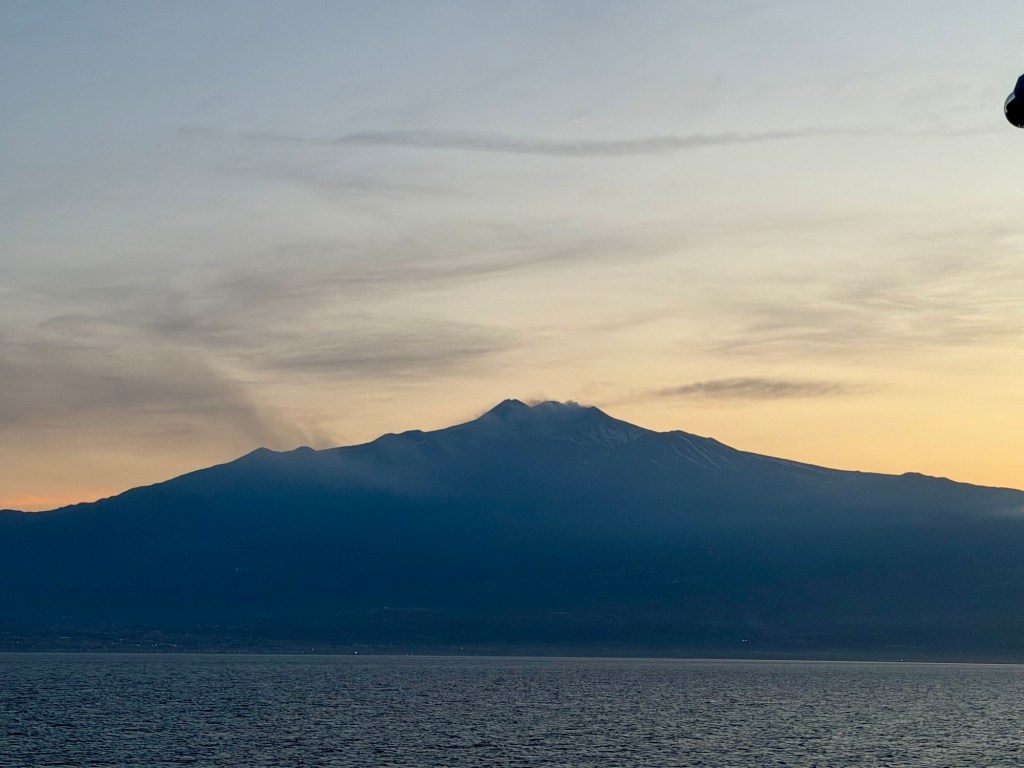
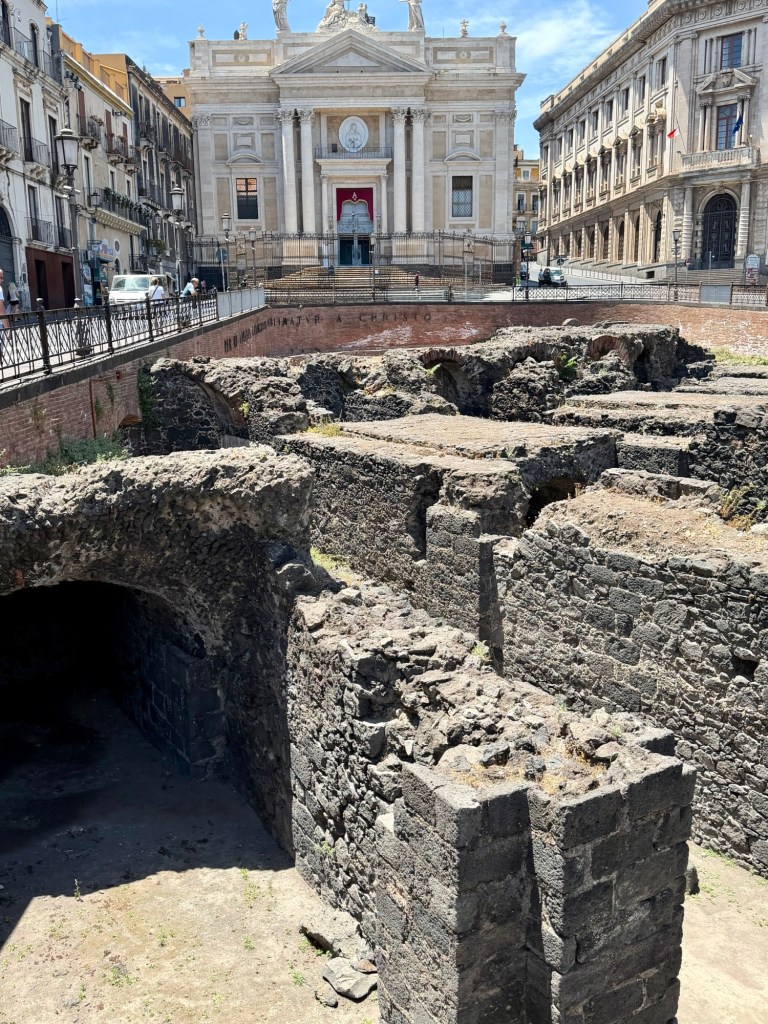
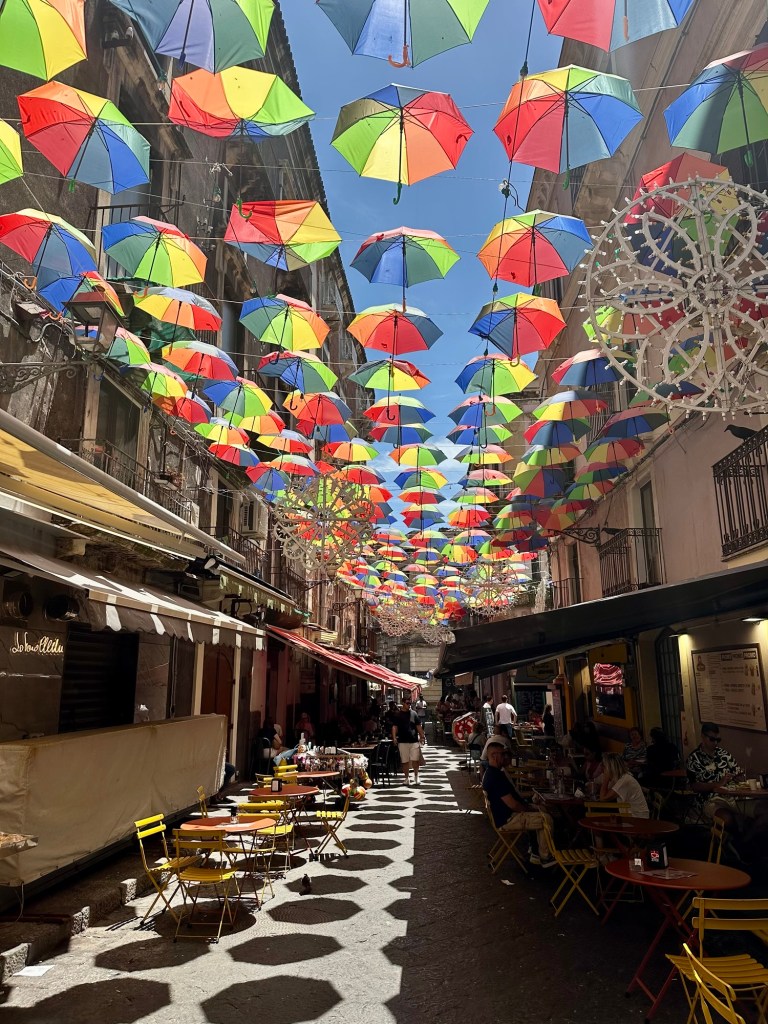
Catania, Italy, sits on the eastern coast of Sicily beneath the watchful presence of Mount Etna. Strolling the dramatic coastline and lively city center, it was easy to imagine scenes from The Godfather unfolding around the next corner.

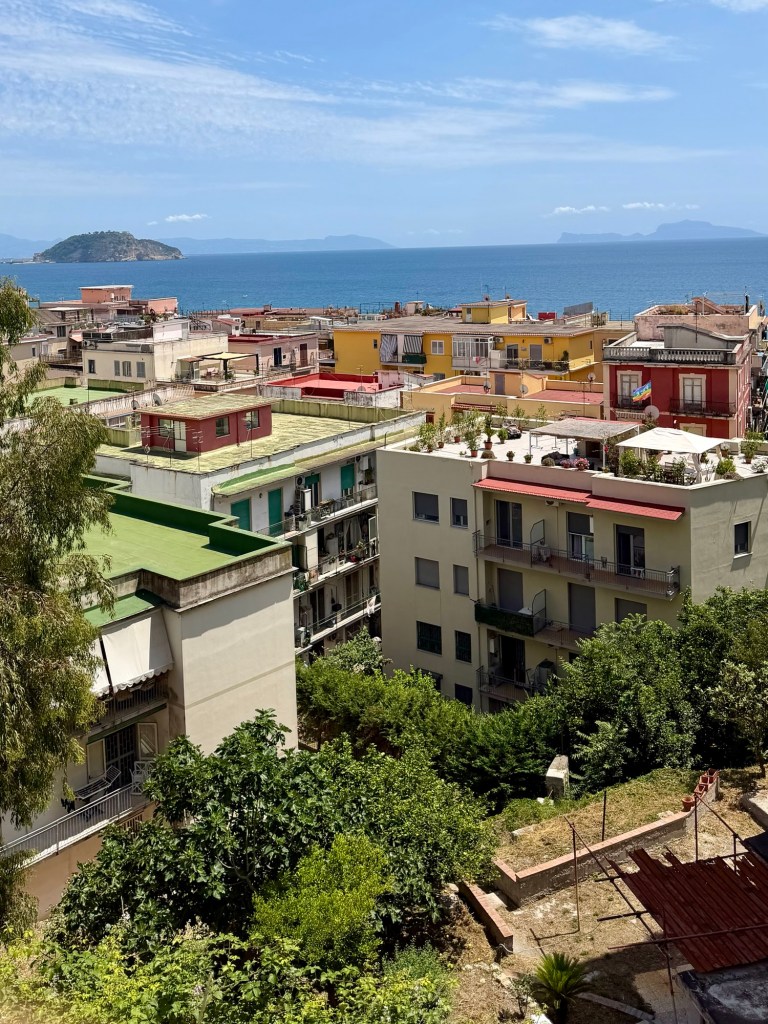
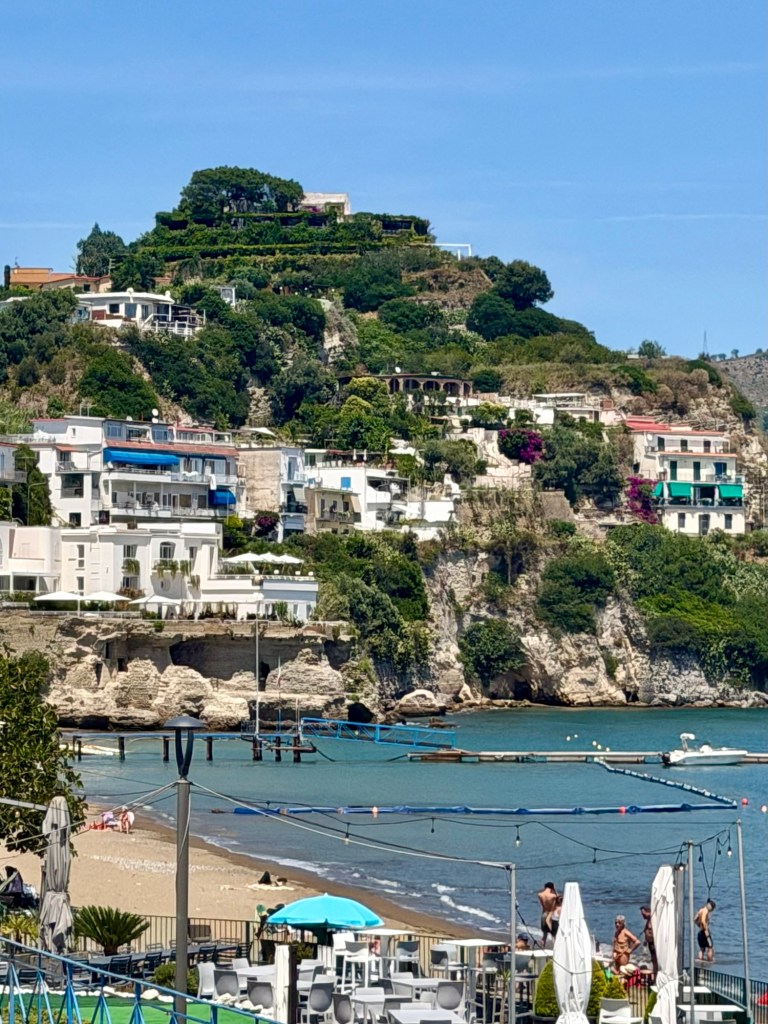
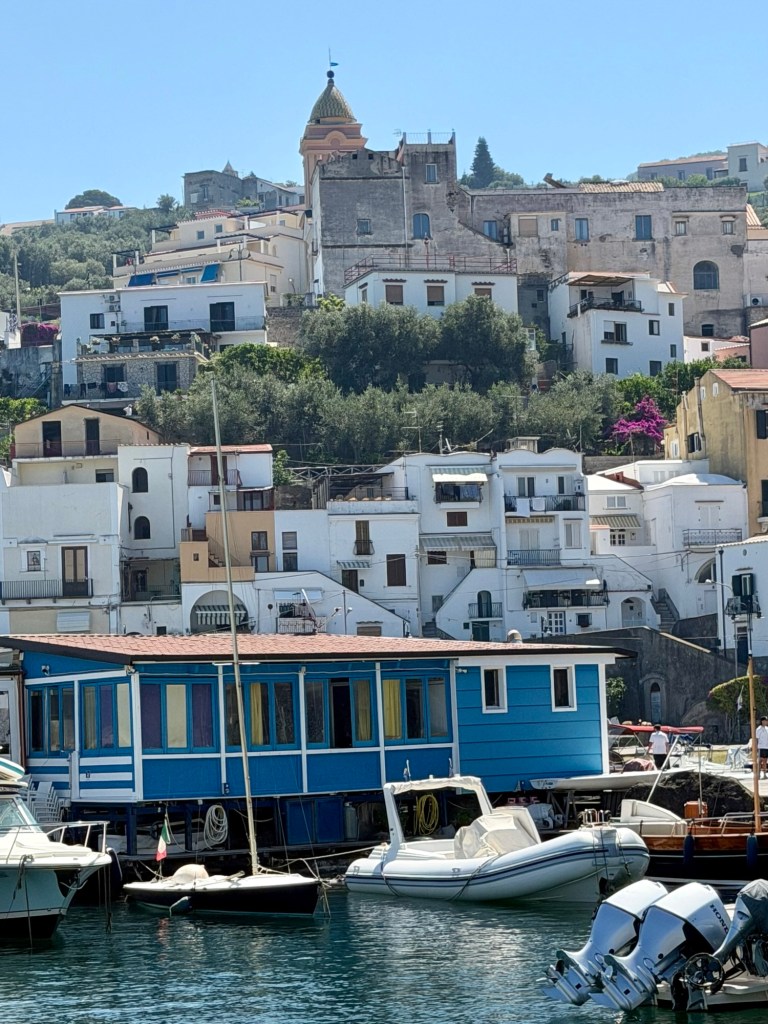
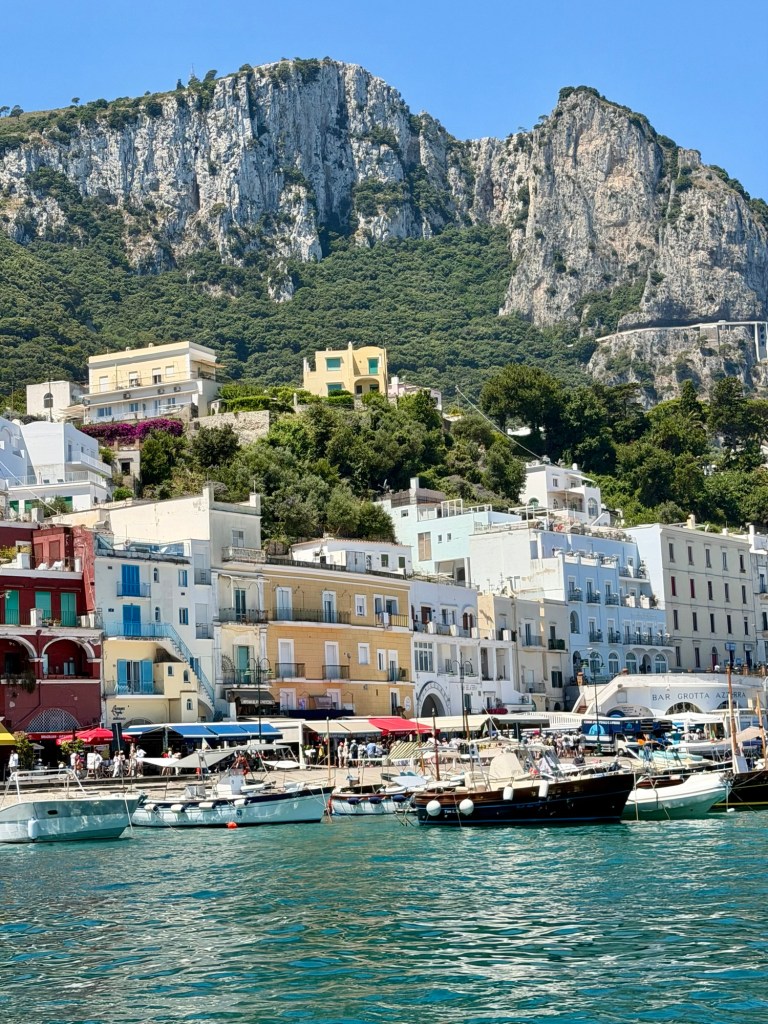
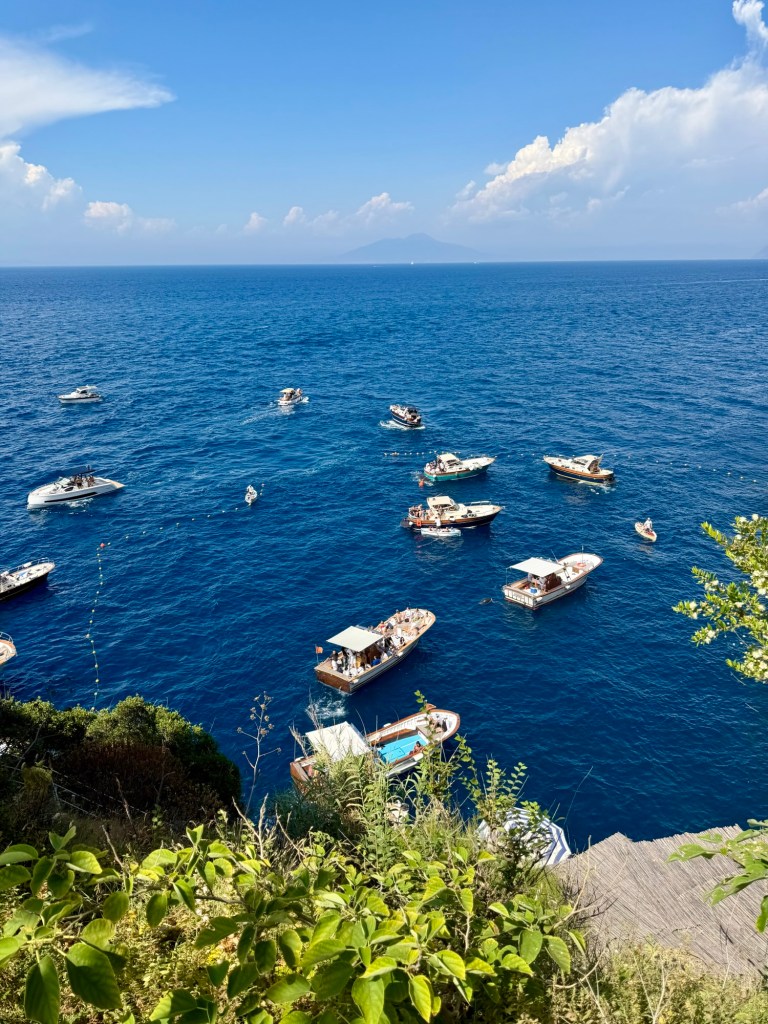
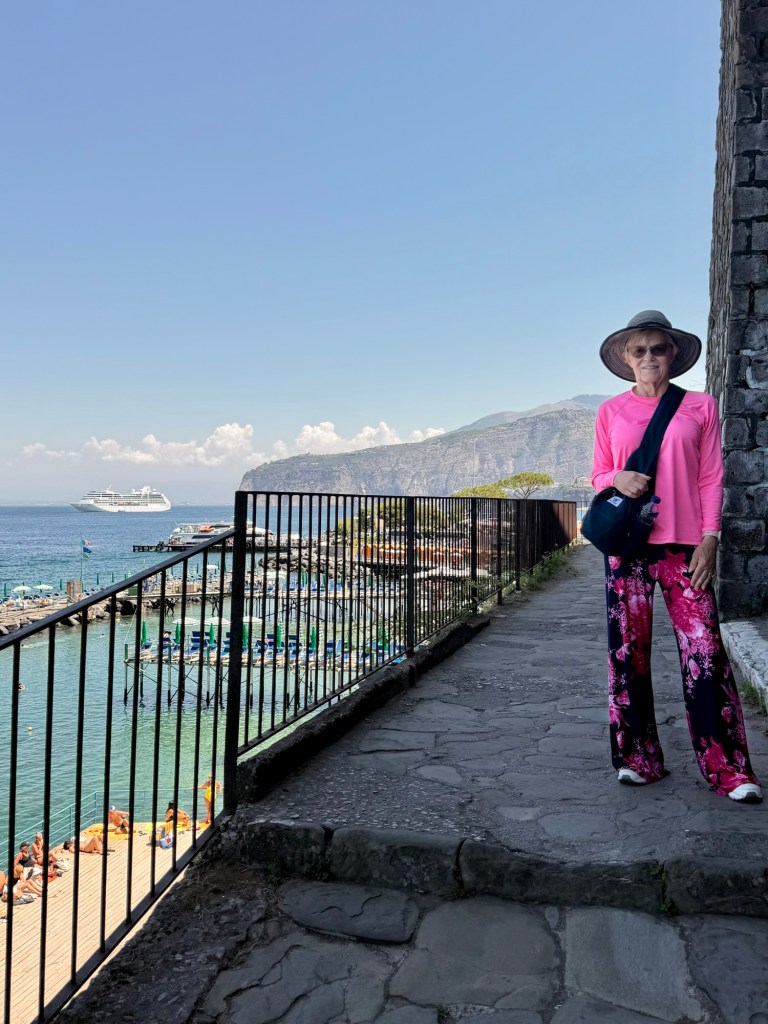
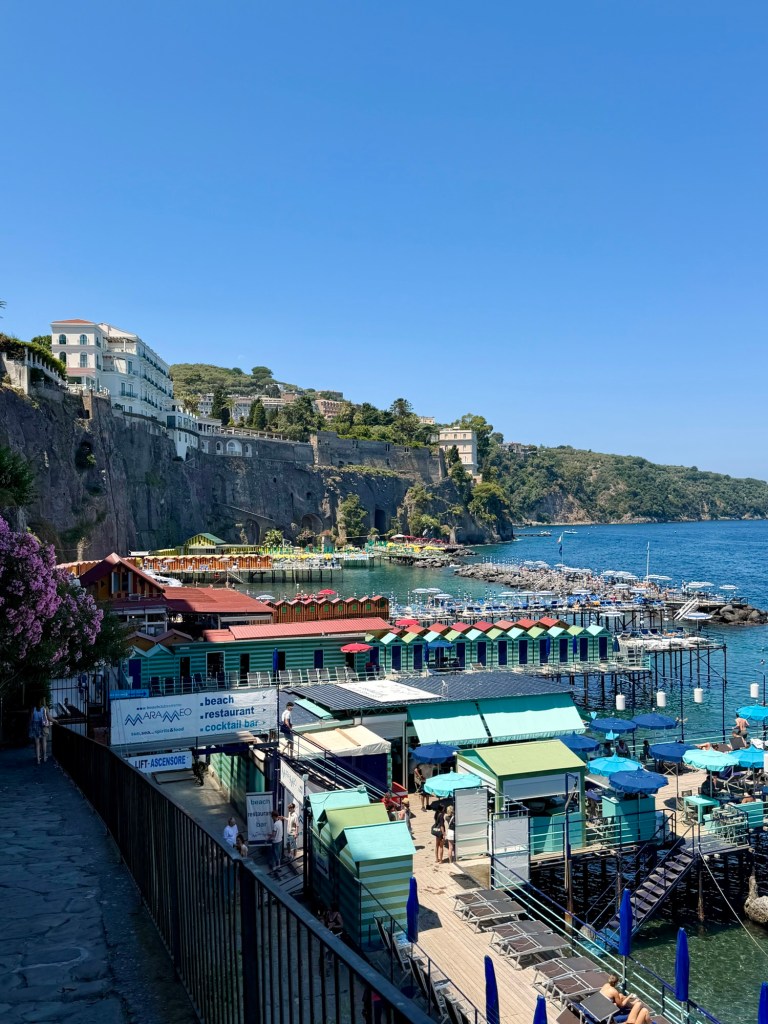
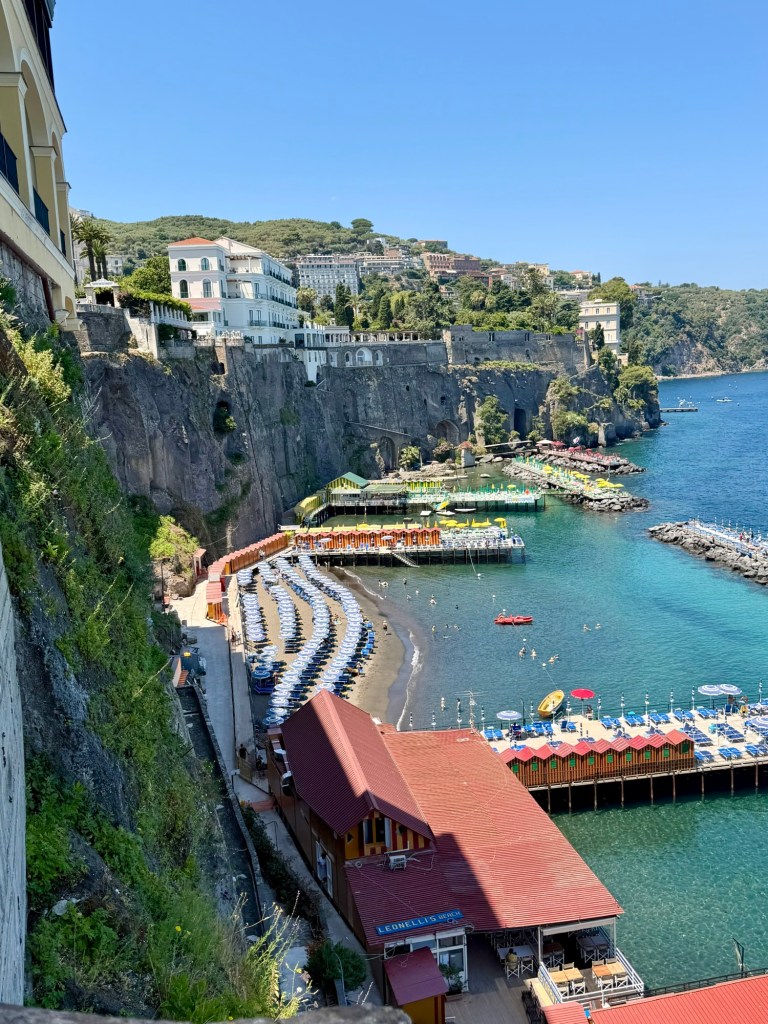
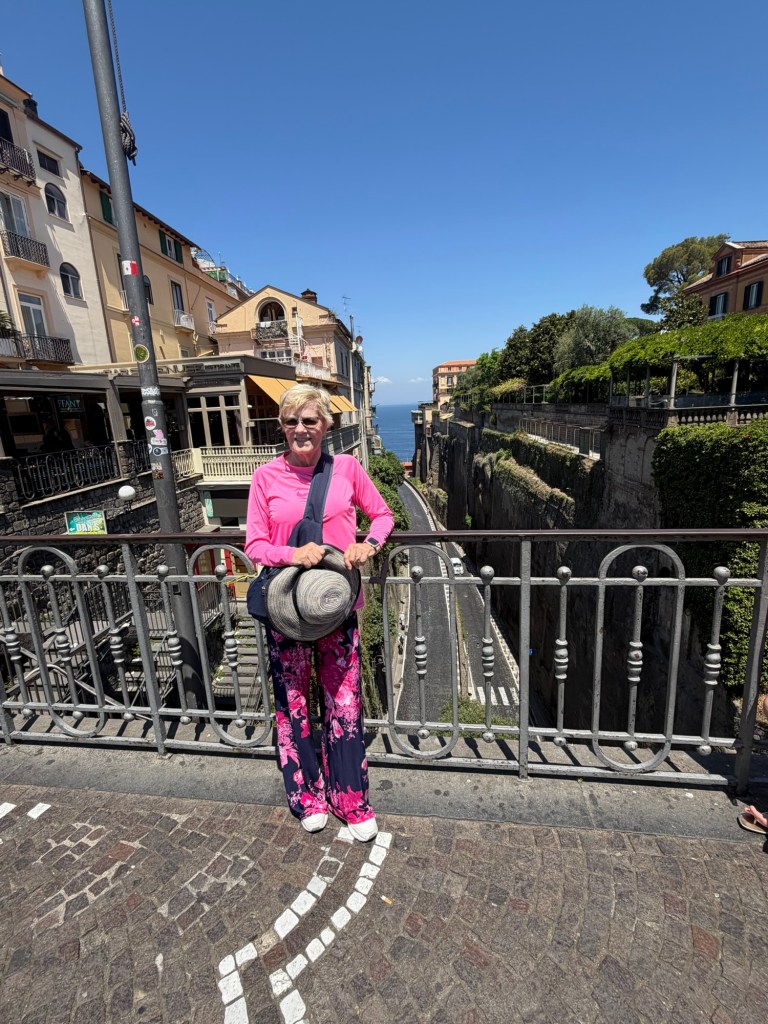
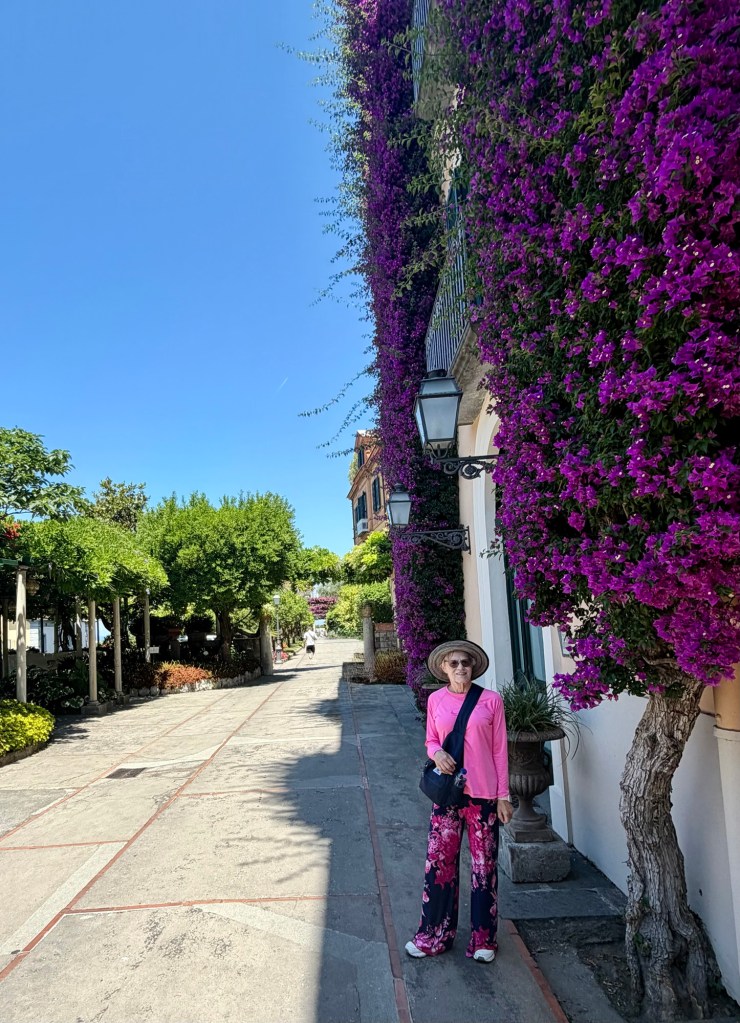
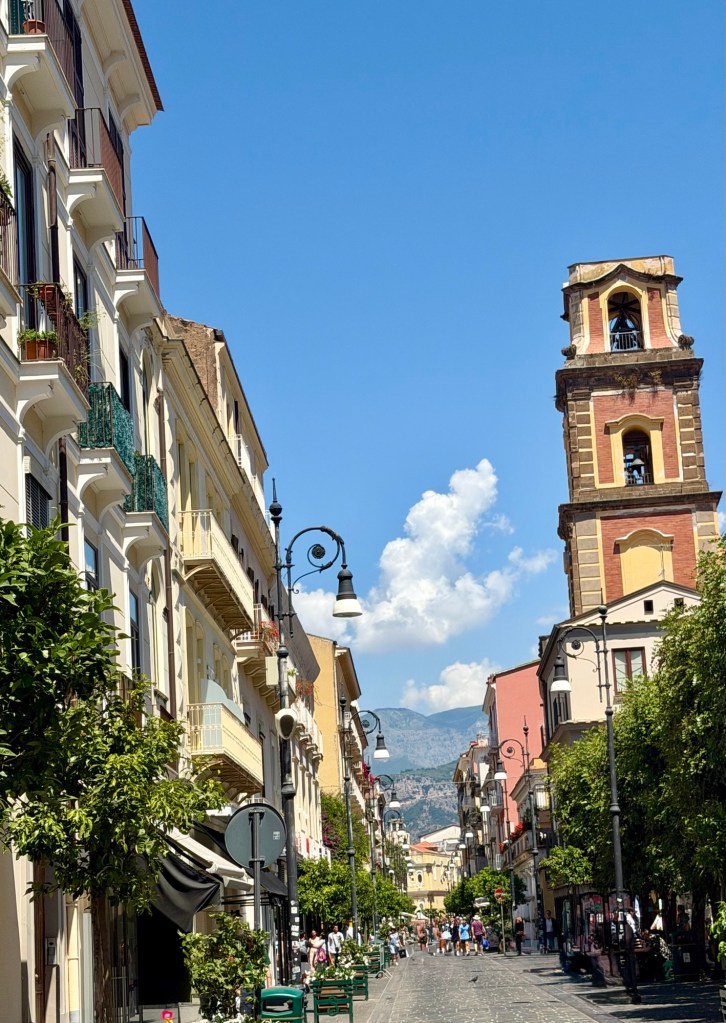
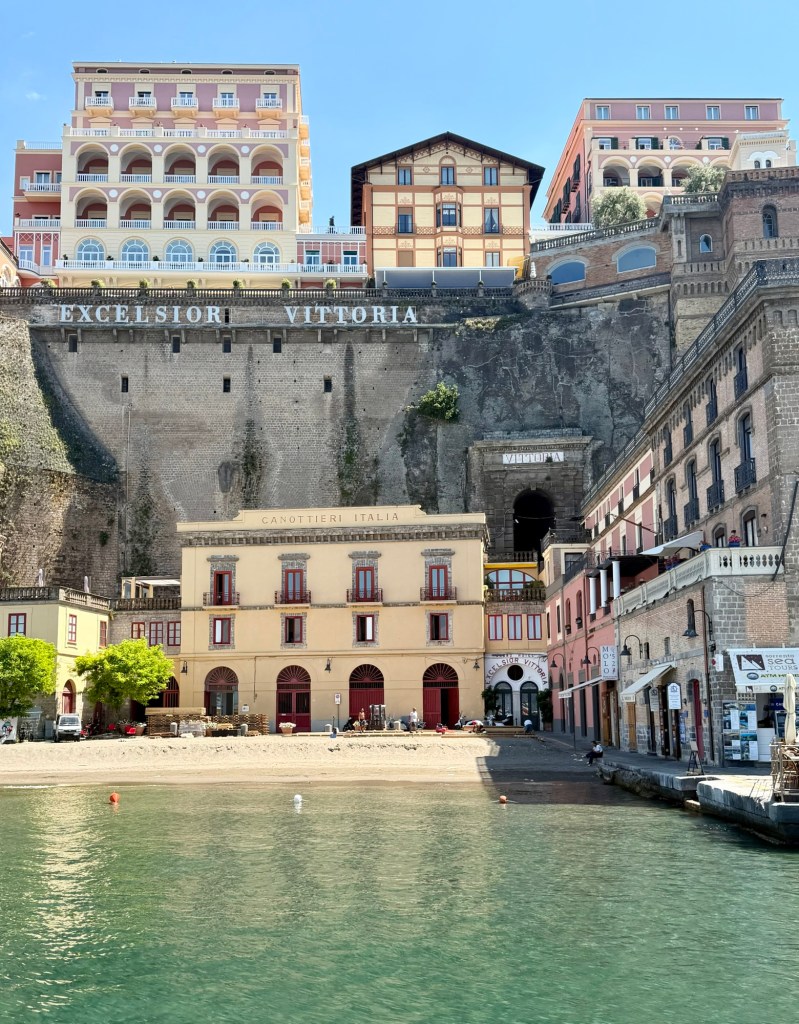
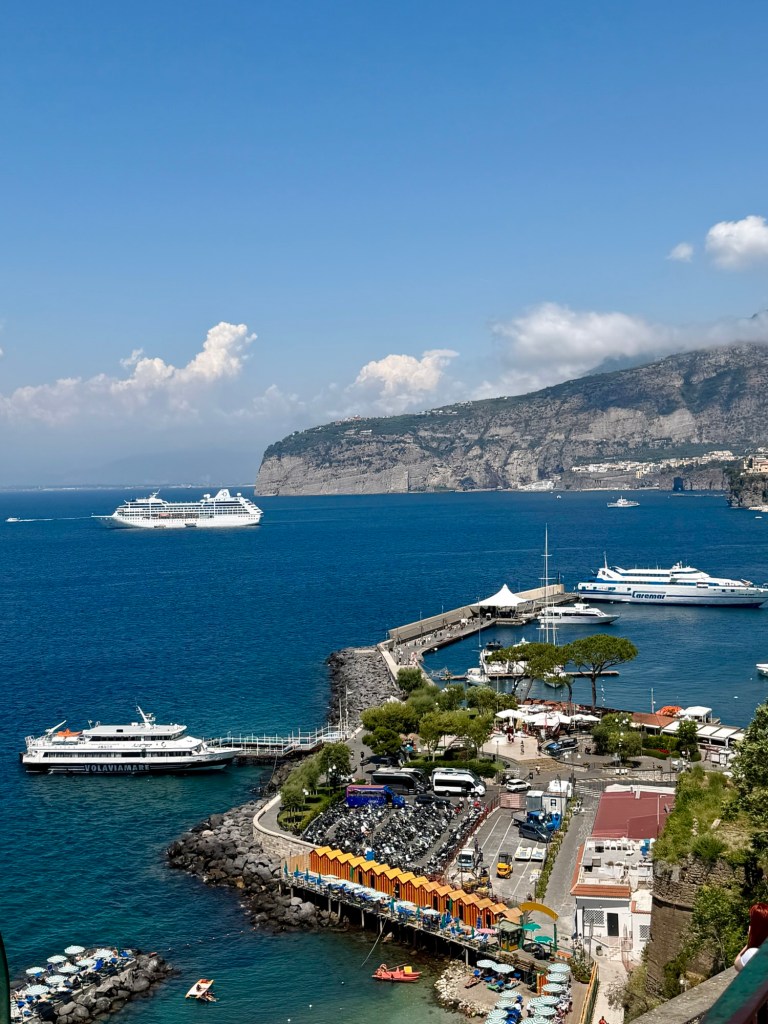
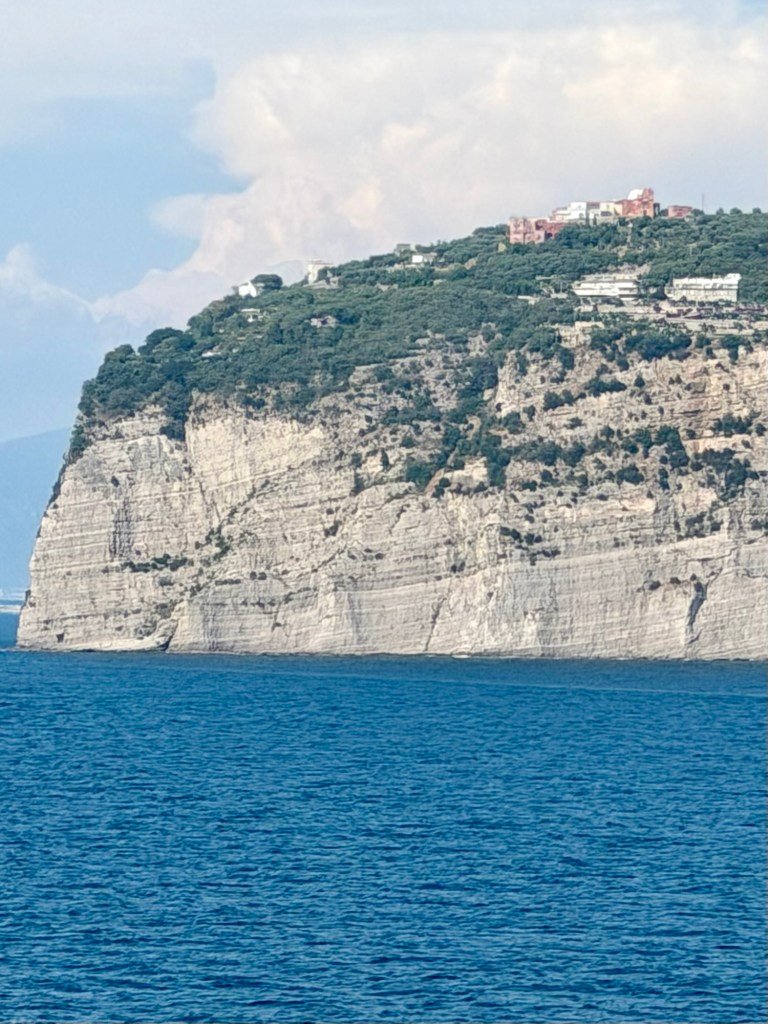
Our final stop was Sorrento, Italy, a picturesque town perched high above the water. Colorful beach clubs lined the shore below, while the streets above buzzed with restaurants, bars, and plenty of opportunities to enjoy a leisurely meal or a cold drink.

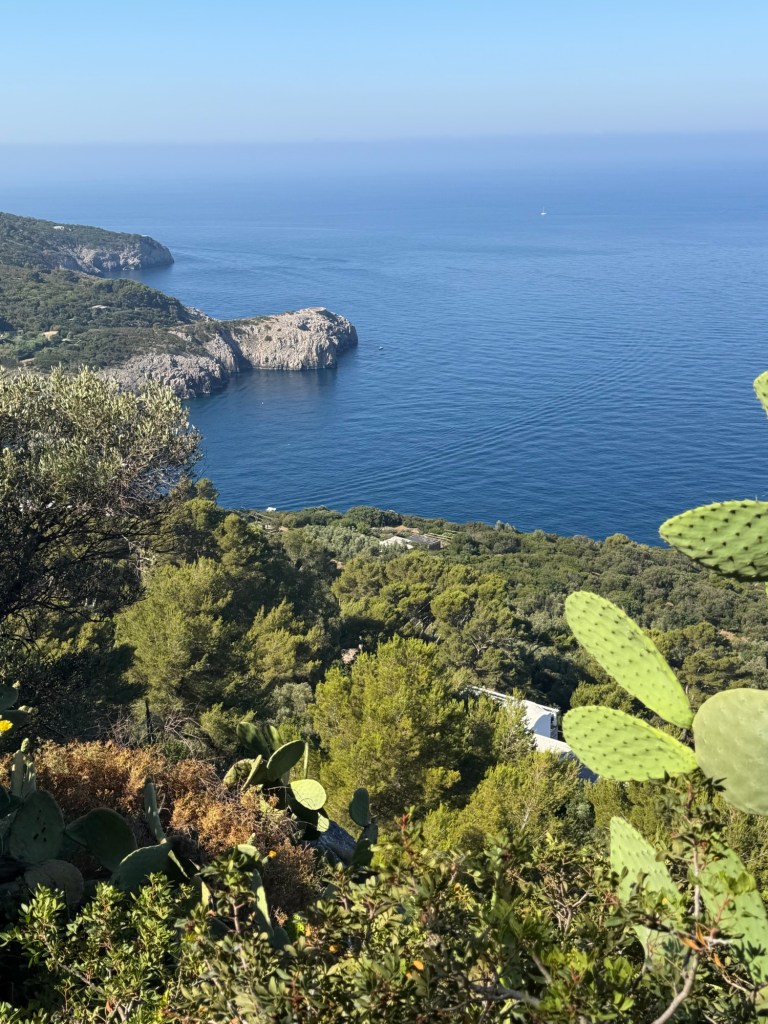
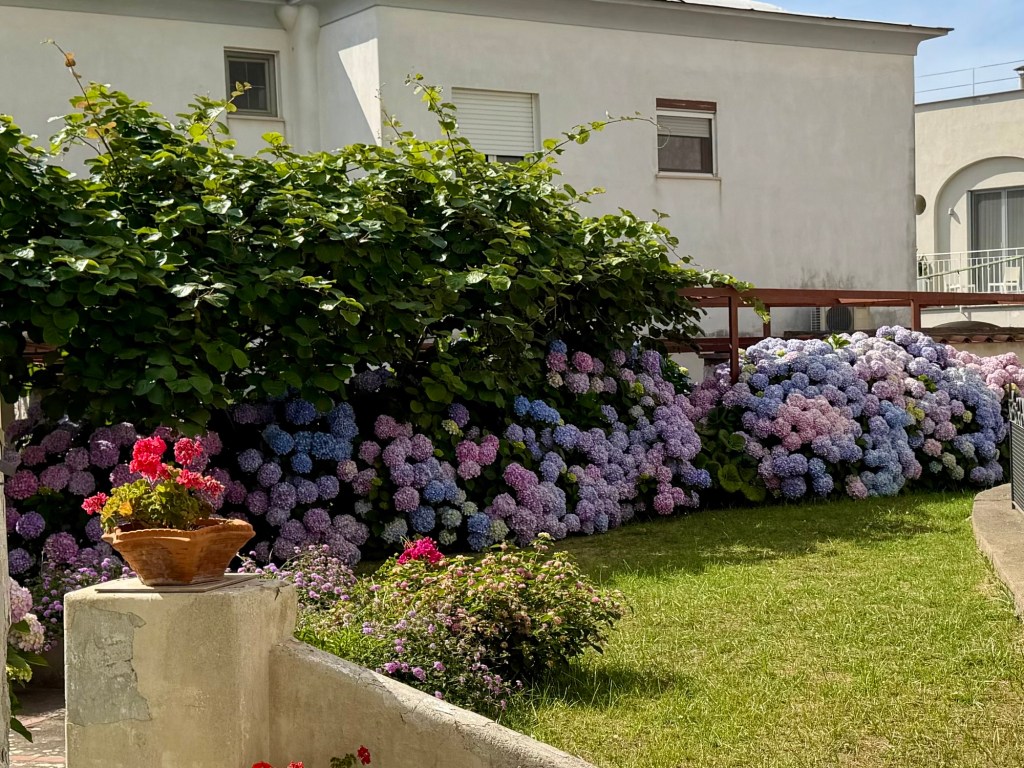
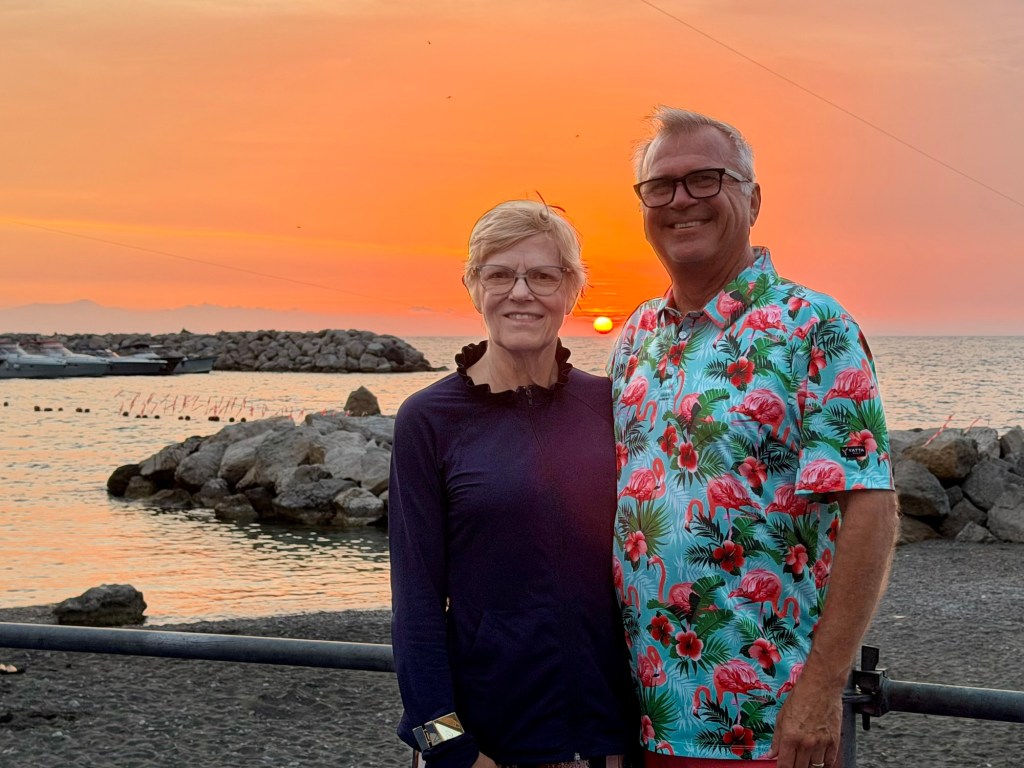
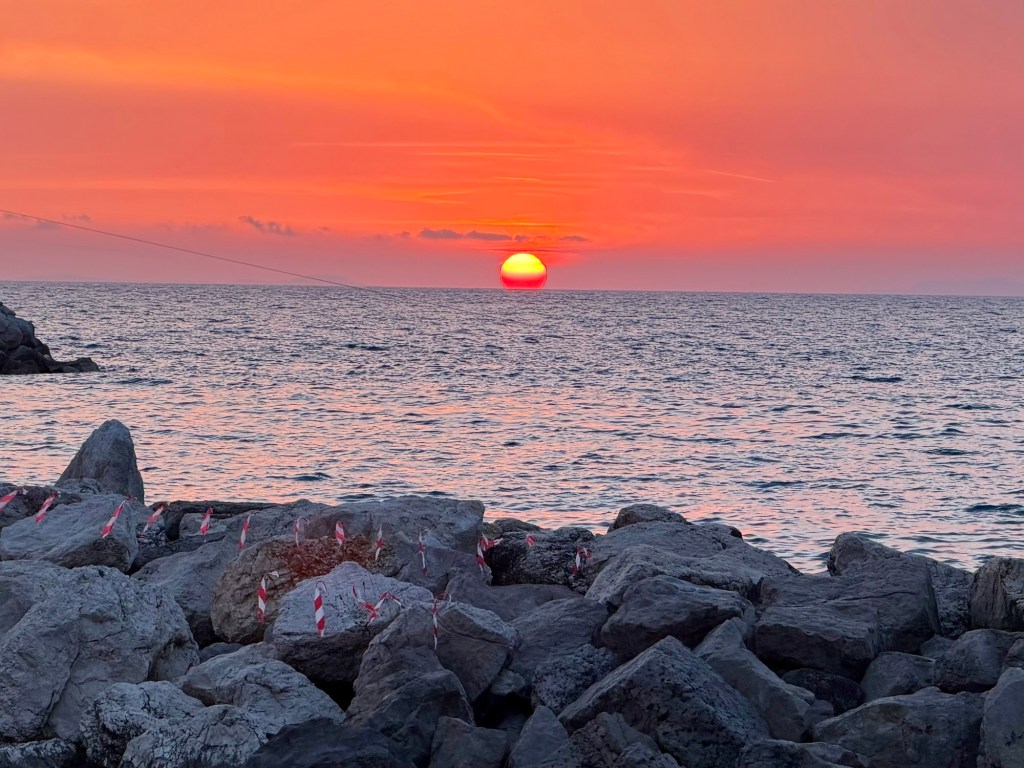
The sun may have set on our cruise, but the adventure continues. The next three weeks will be divided between the stunning Amalfi Coast and the rolling hills of Tuscany.

Enjoy.

Pete
Zarautz and San Sebastián

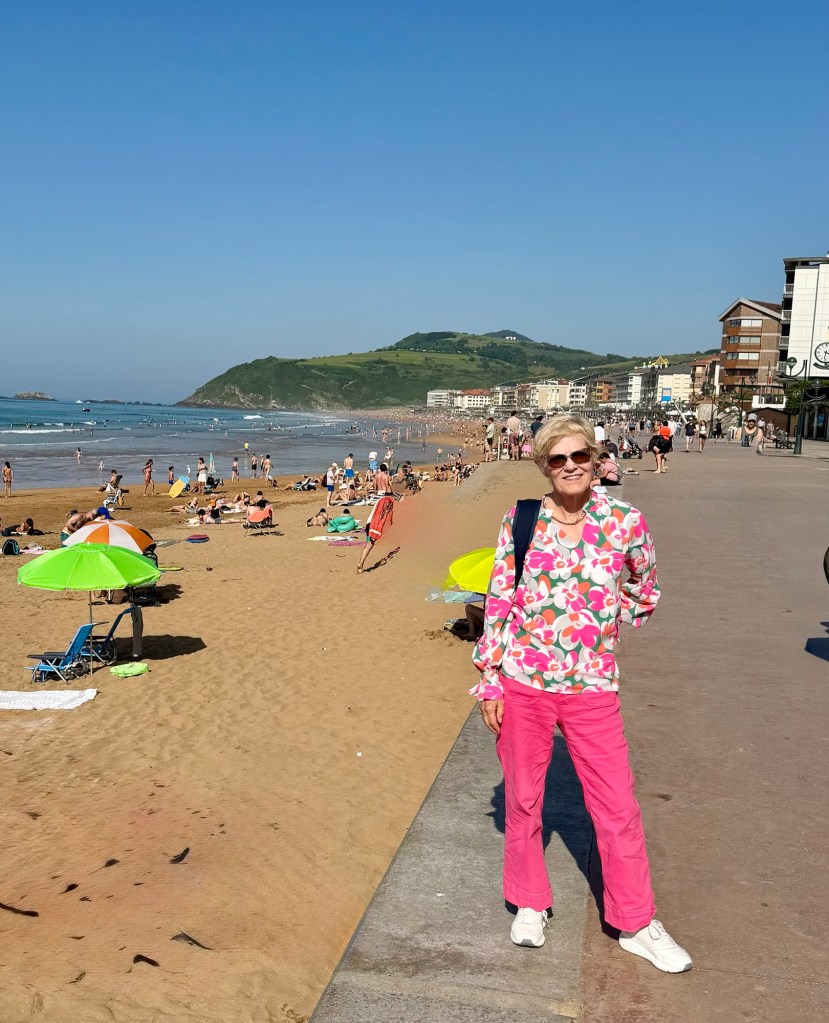
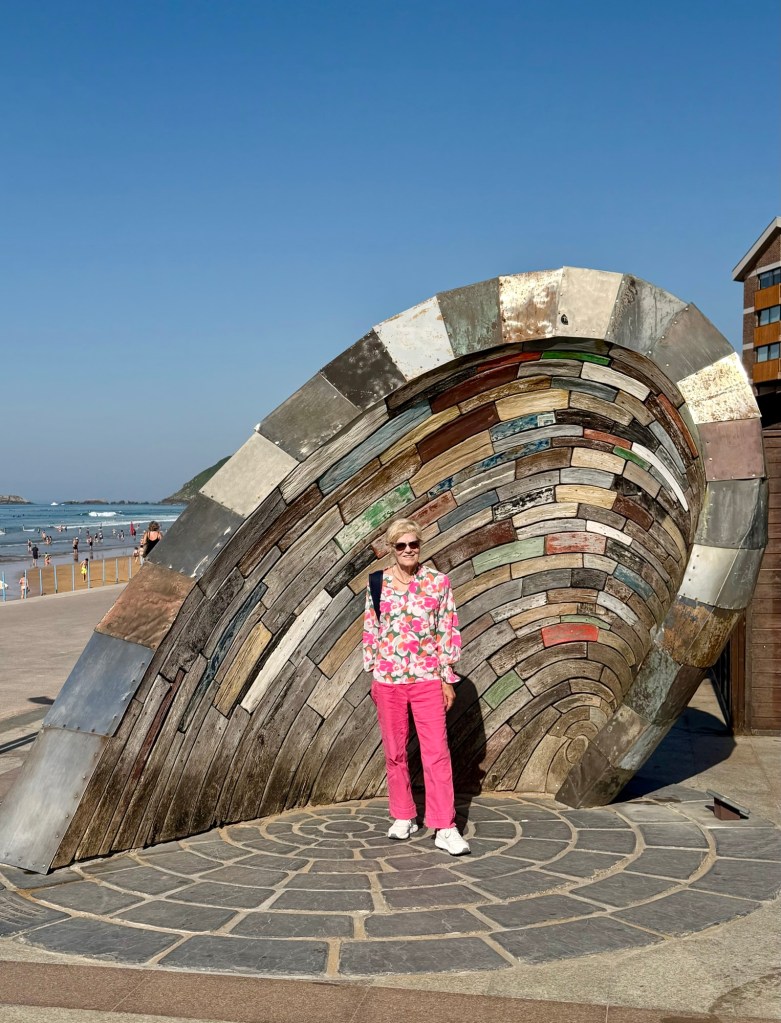
We spent two days in Zarautz, another of Spain’s premier surf towns.

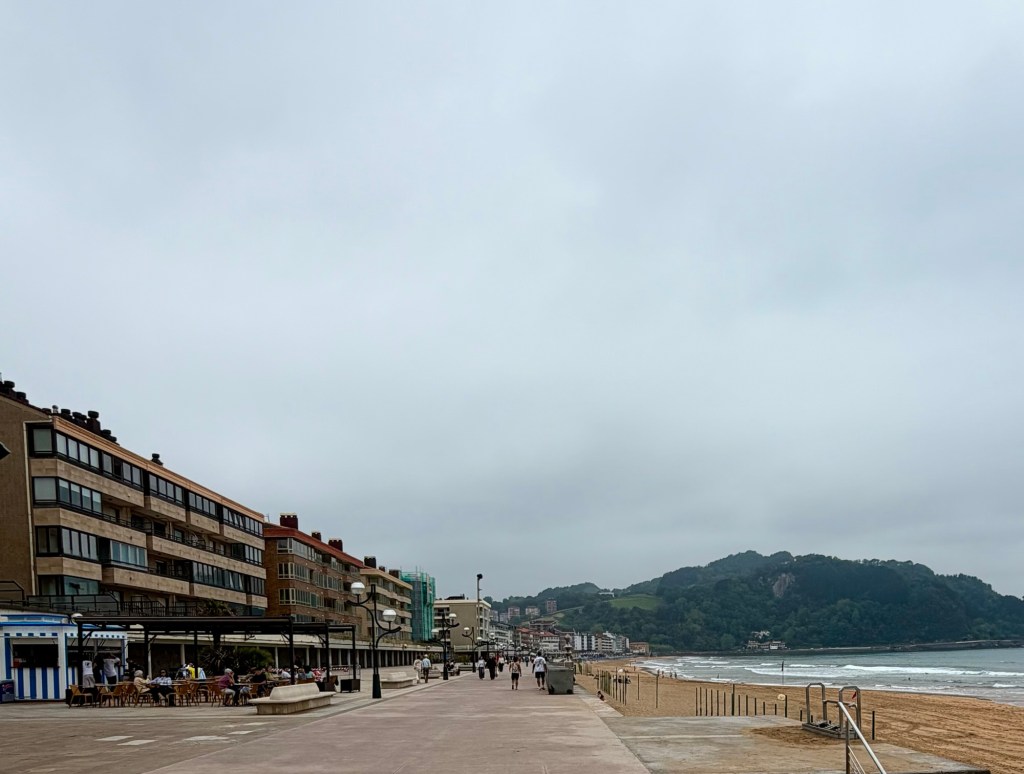
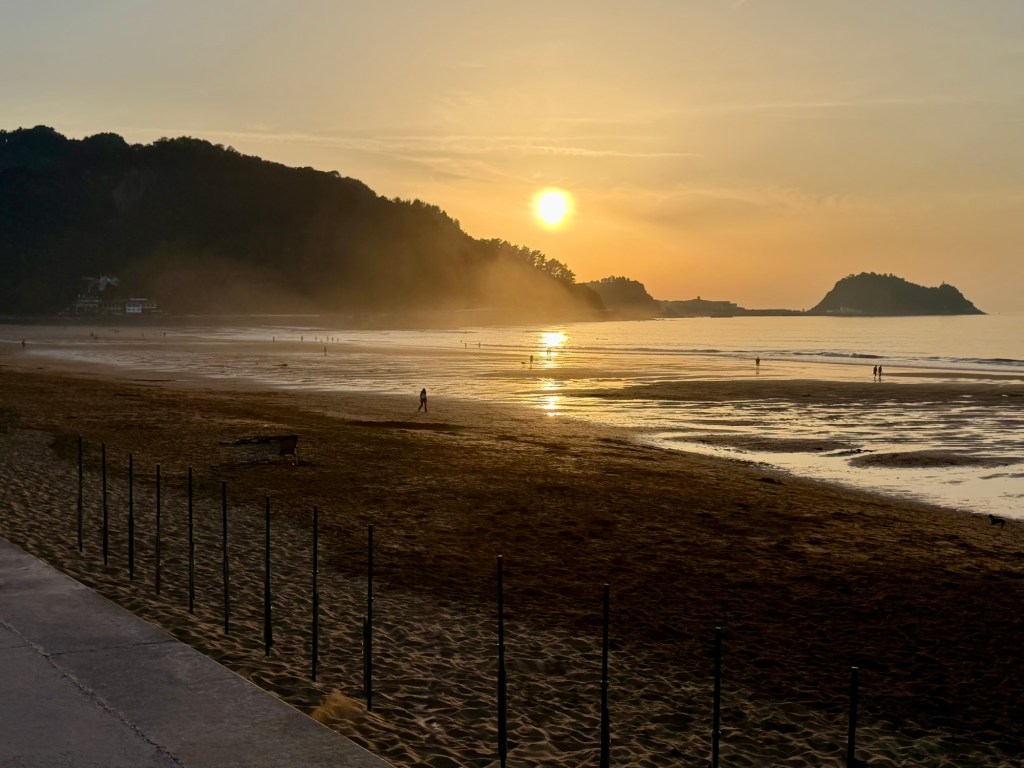
Zarautz Beach was voted the best beach in Spain for 2024 by readers of Condé Nast Traveler. The beachfront promenade is lined with bars, and restaurants, giving the beach a lively atmosphere from morning until late at night.

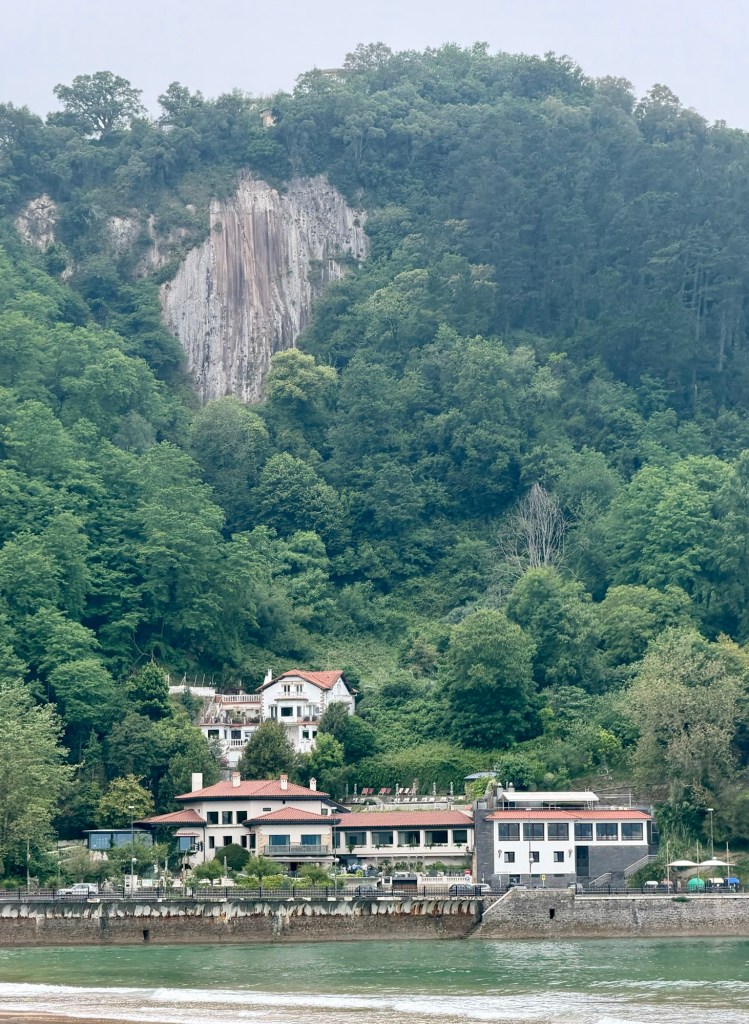
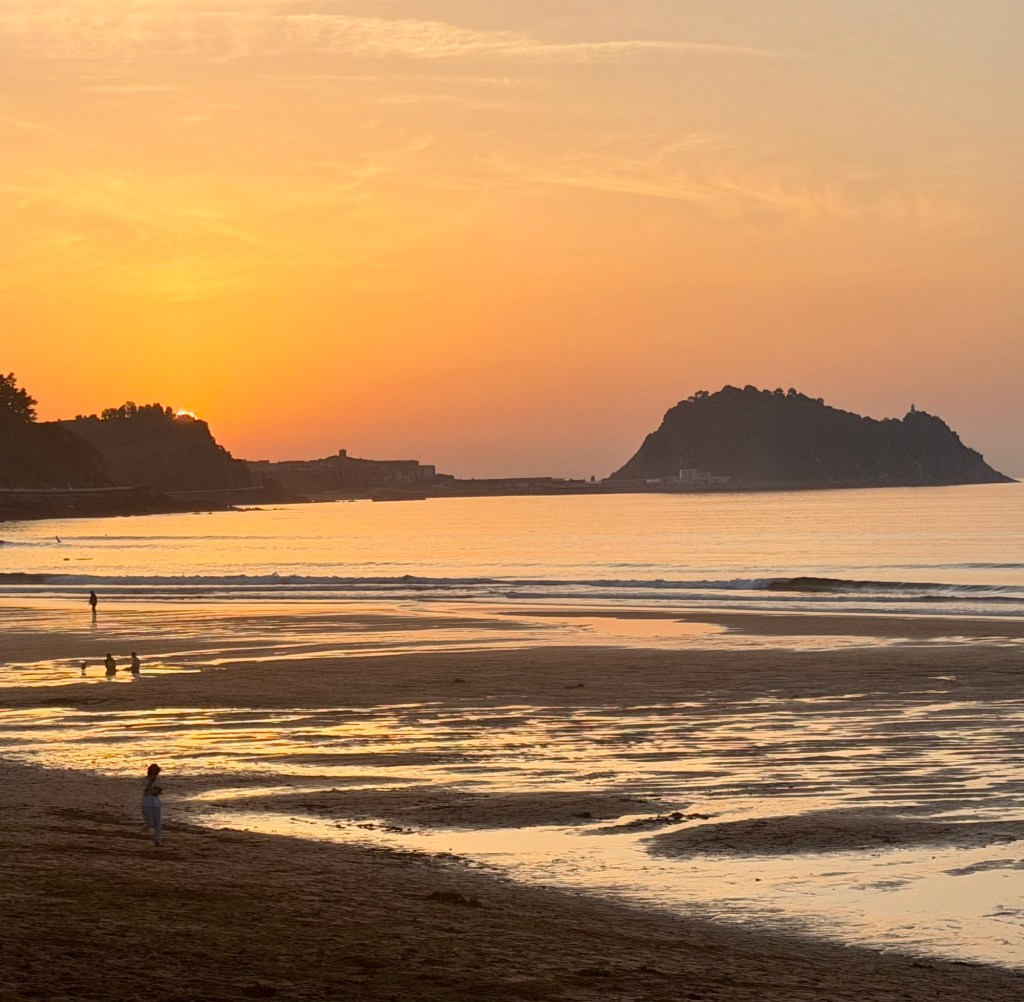
The scenery wasn’t bad, either. The beach stretches for miles, with green hills and rugged coastline providing a spectacular backdrop.

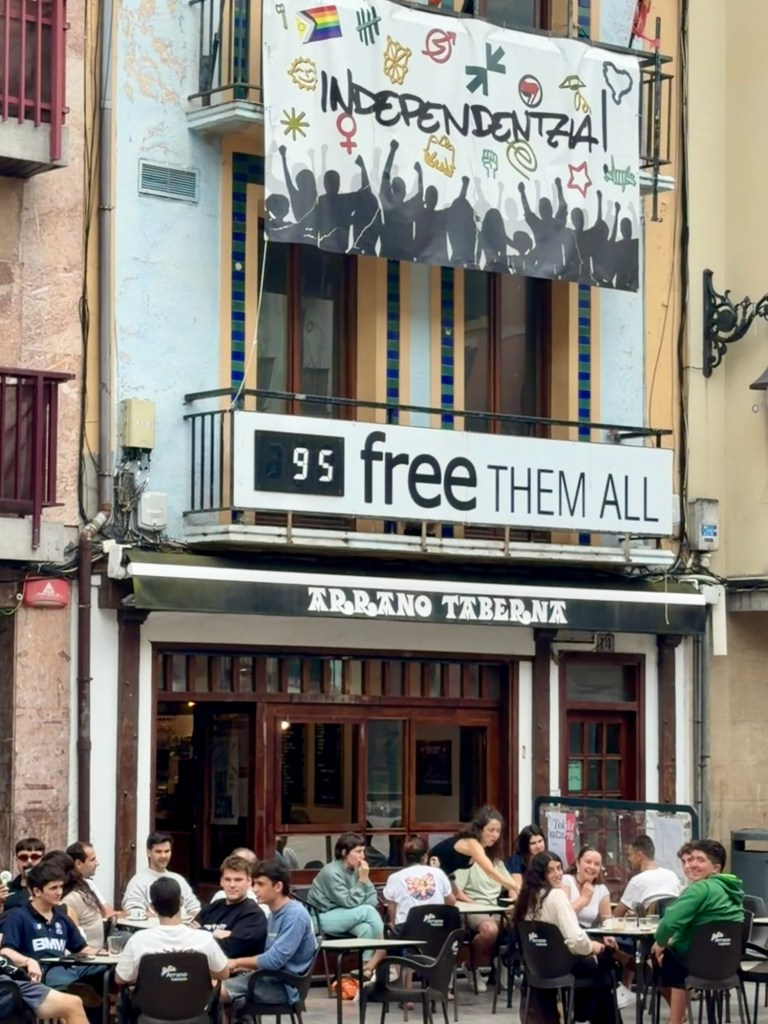
Zarautz sits in the heart of Basque Country, where the local language, Euskara, bears little resemblance to Spanish. It made translating menus a bit more challenging.

The highlight of our stay came during a late-night stop at a local bar. We found a guy absolutely hammering away at the piano. He didn’t tickle the ivories. He body-slammed them. Fortunately for everyone listening, he was really, really good. Take a listen.

Then it was time to say agur—Basque for goodbye—to Zarautz and continue our journey down the coast.

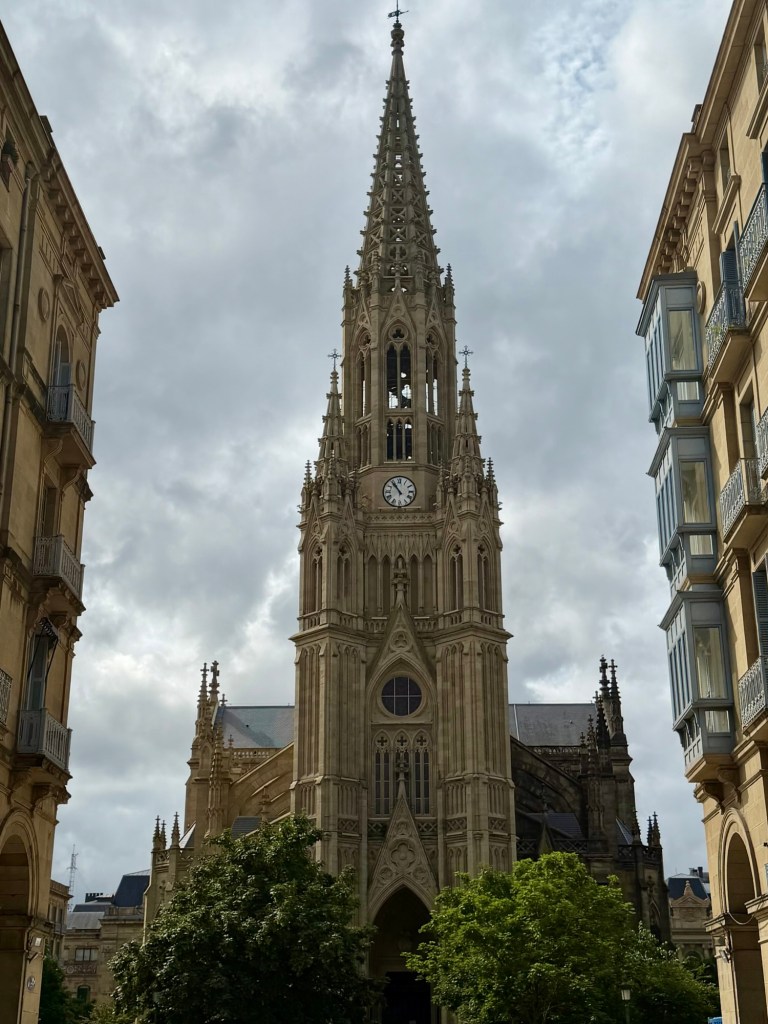
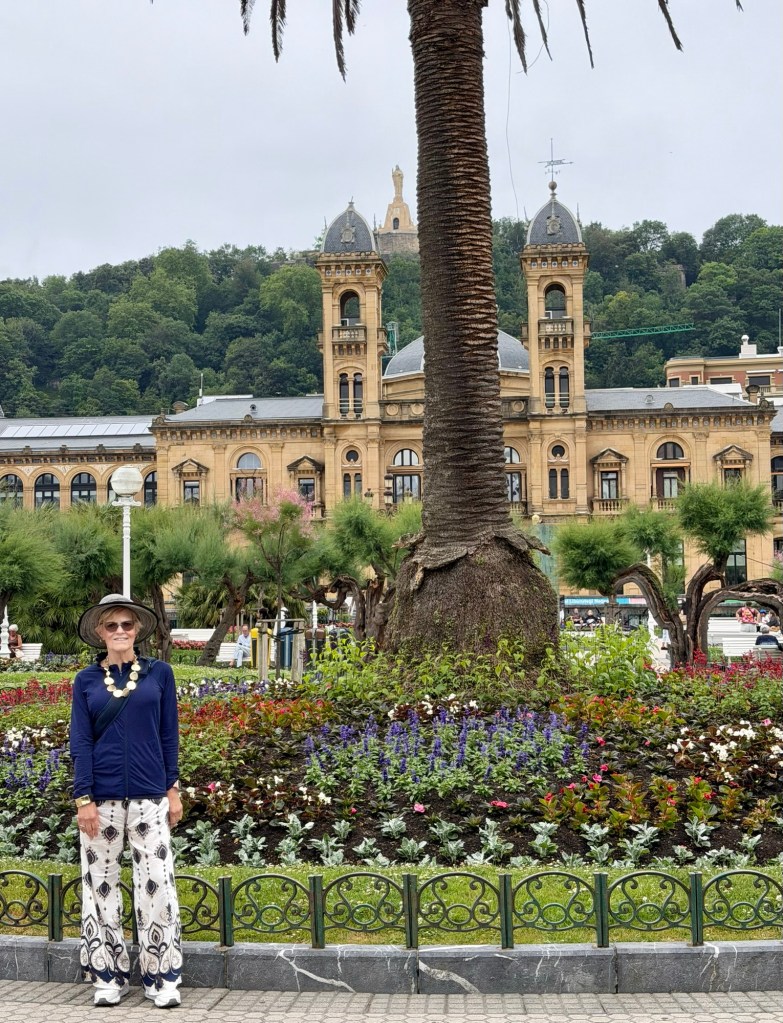
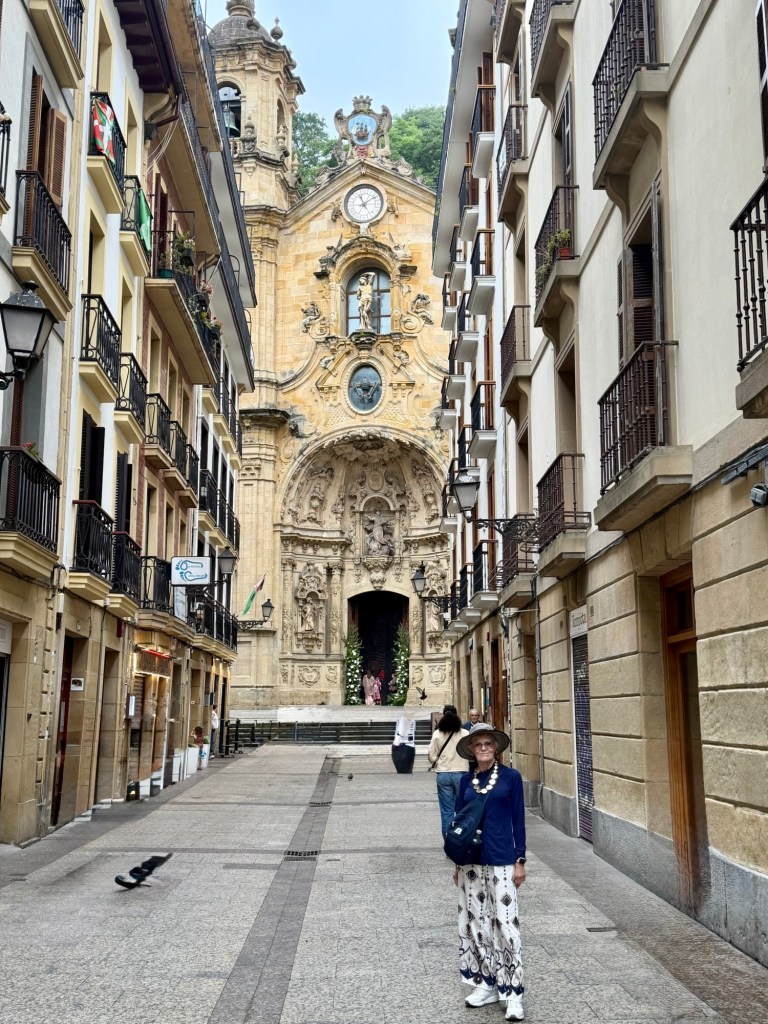
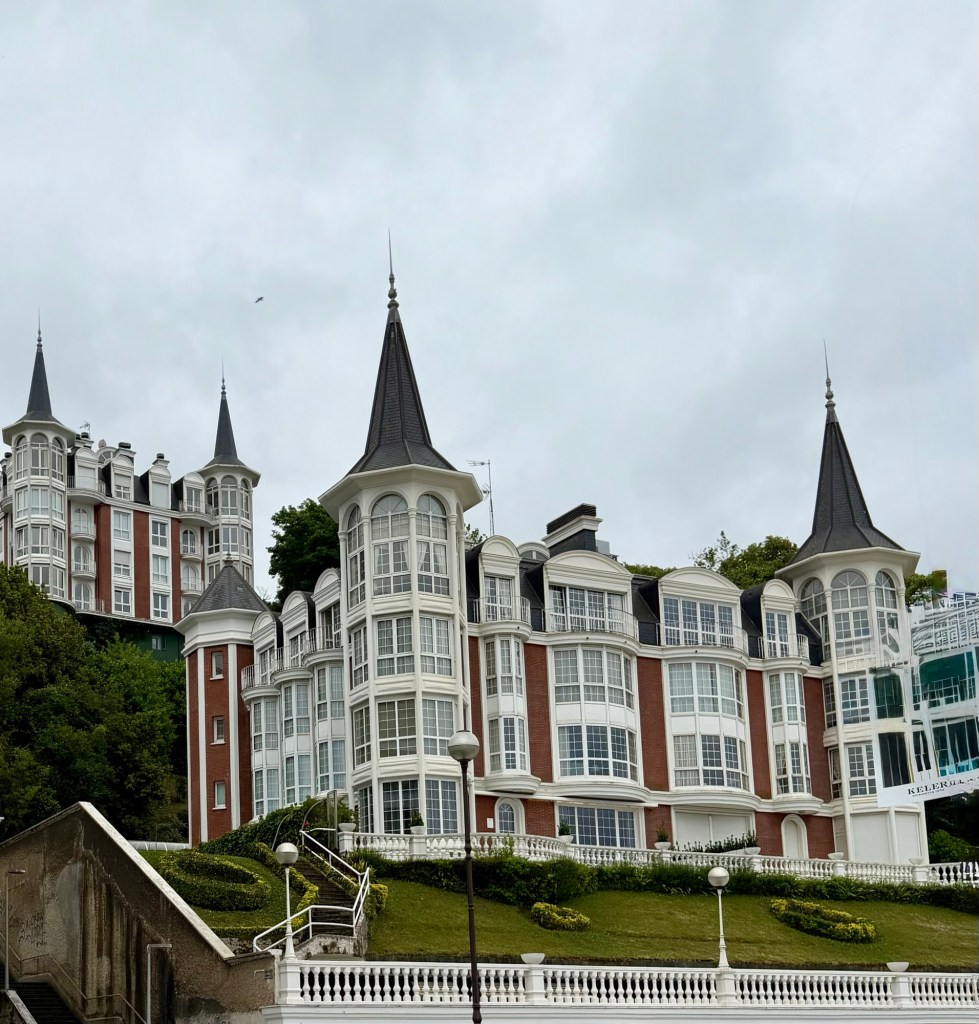
San Sebastián was our next stop. It’s a beautiful city that reminded me of a smaller version of Barcelona, with dramatic churches, elegant architecture, and a laid-back beach vibe.

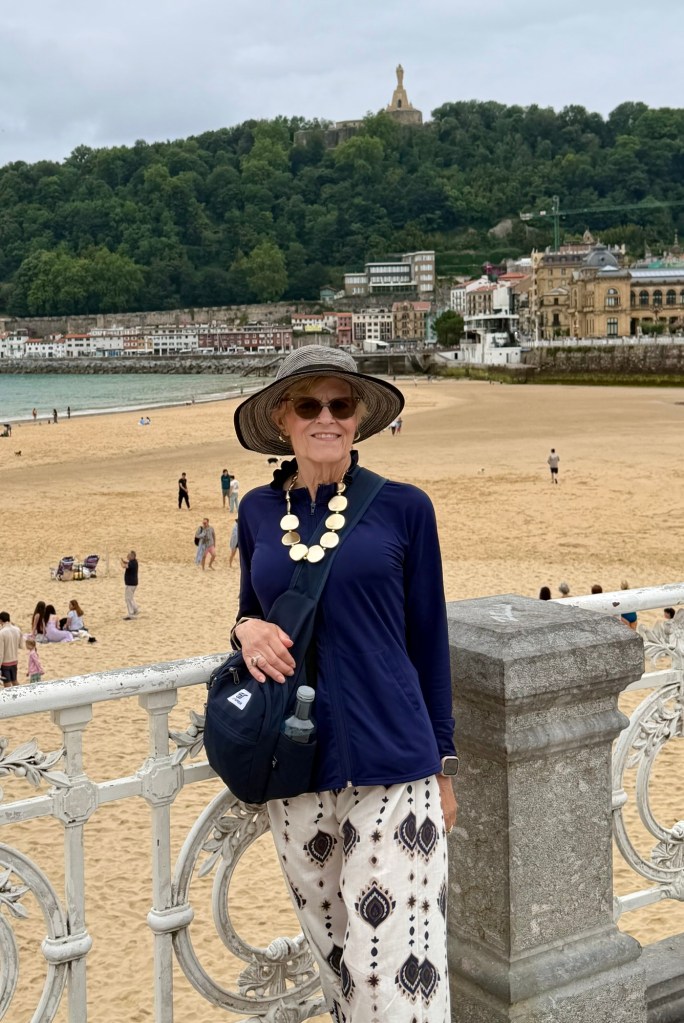
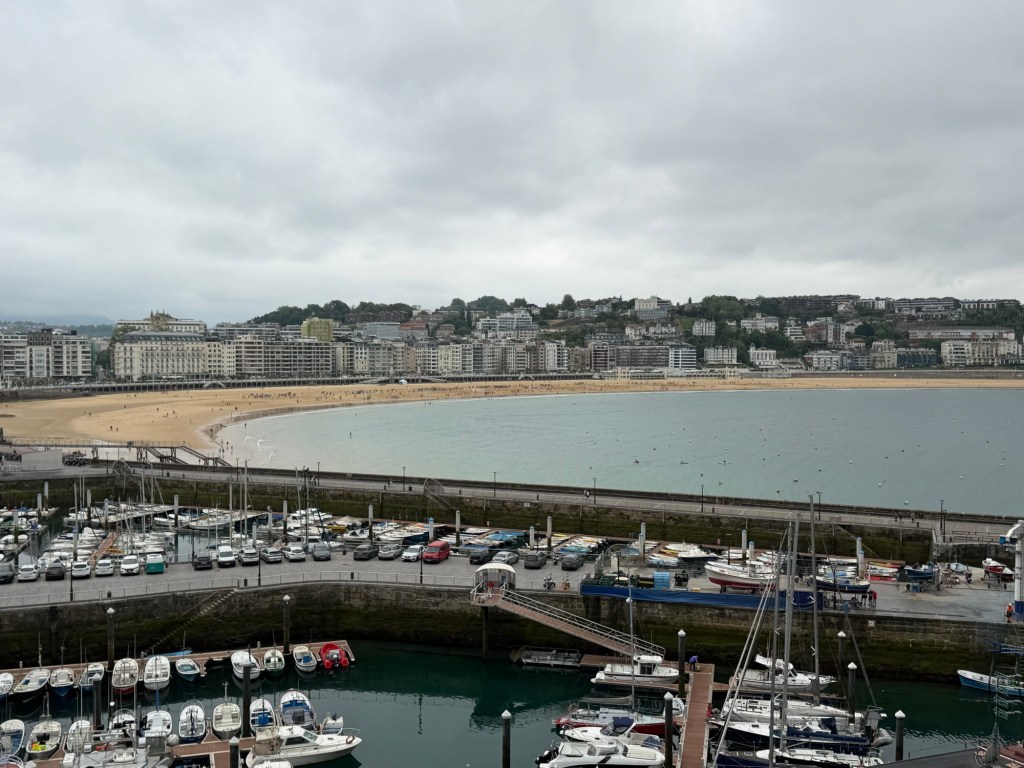
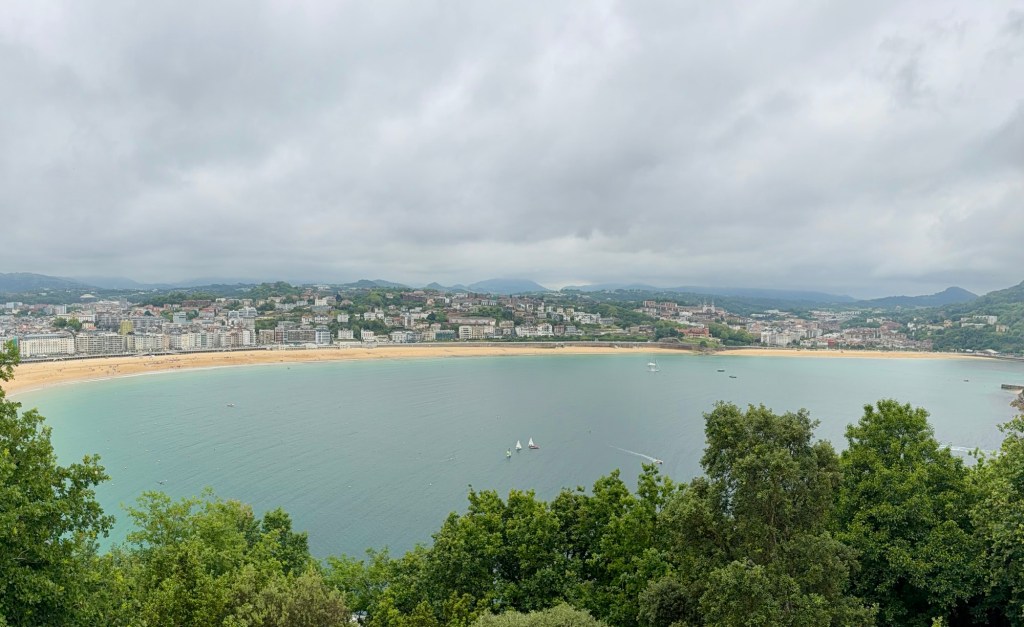
La Concha Beach is regularly ranked among the best city beaches in Europe. Its name means “The Shell,” a nod to the bay’s distinctive shape.

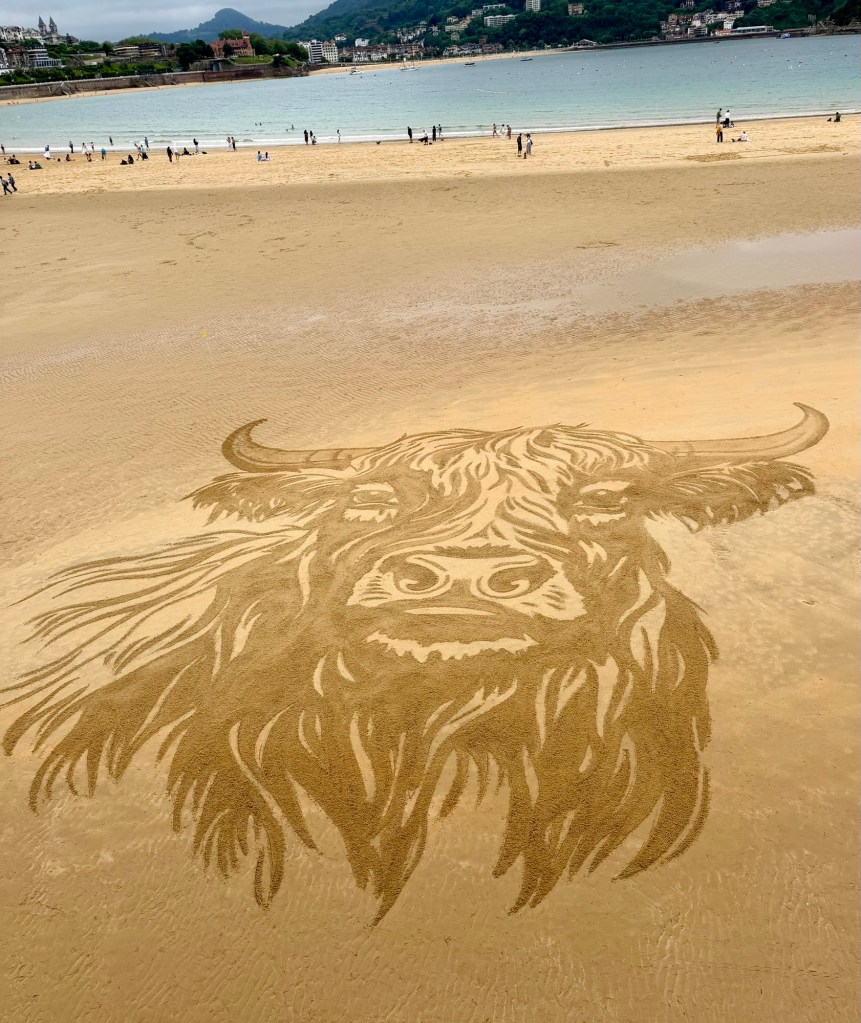
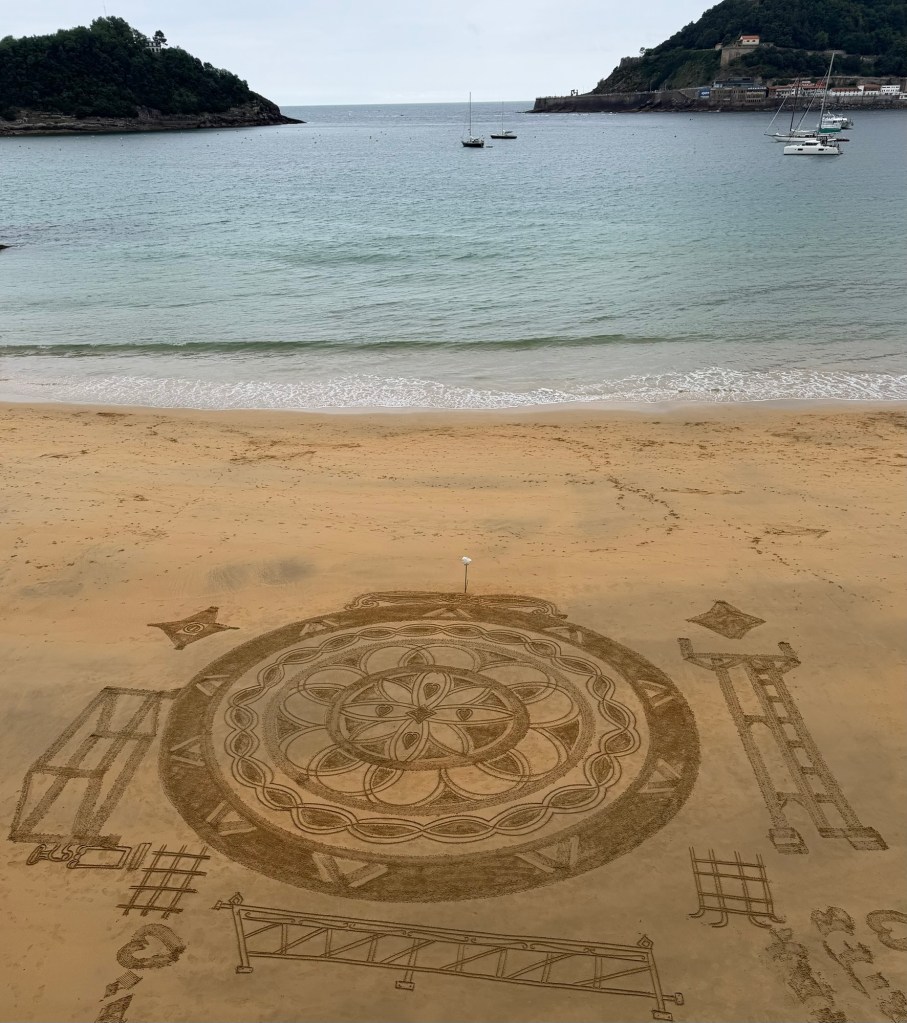
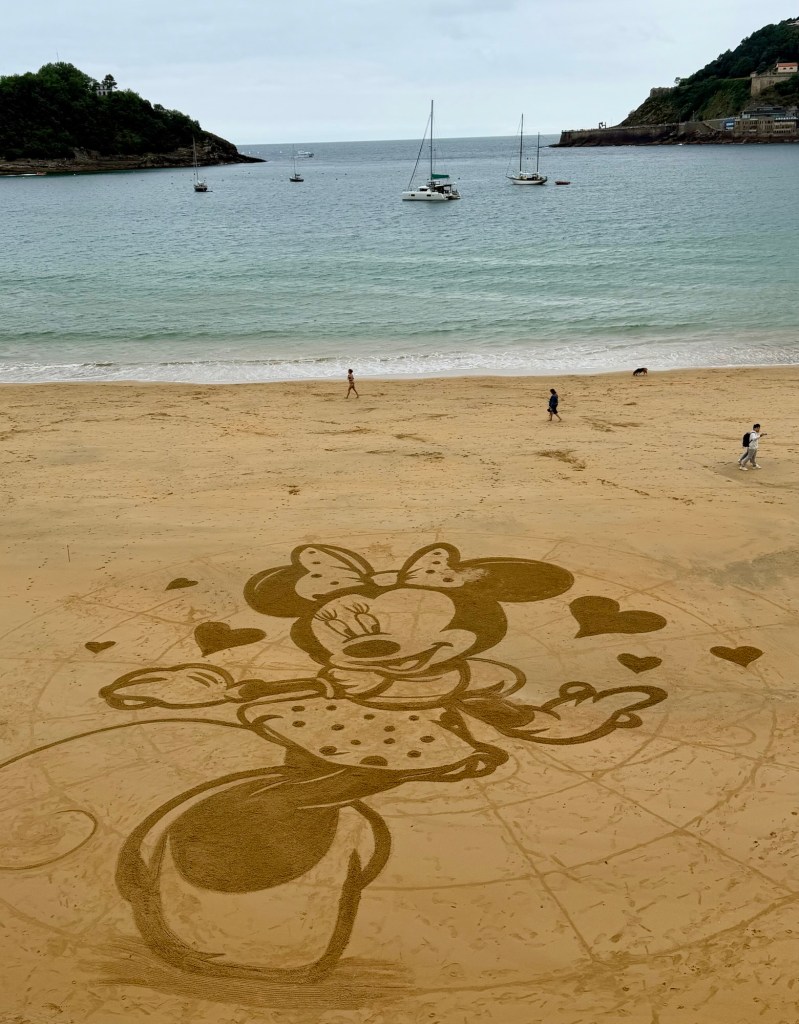
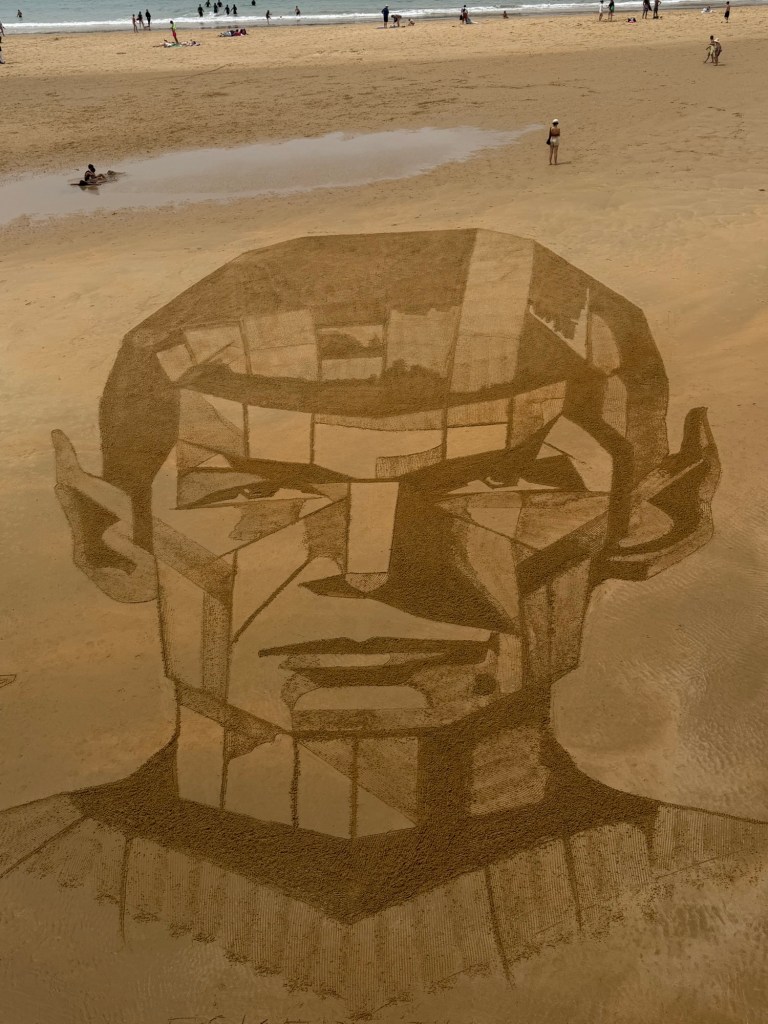
Strolling the beach, we were amazed with the artwork etched into the sand. It’s a lot of work that will eventually be washed away by the tide.

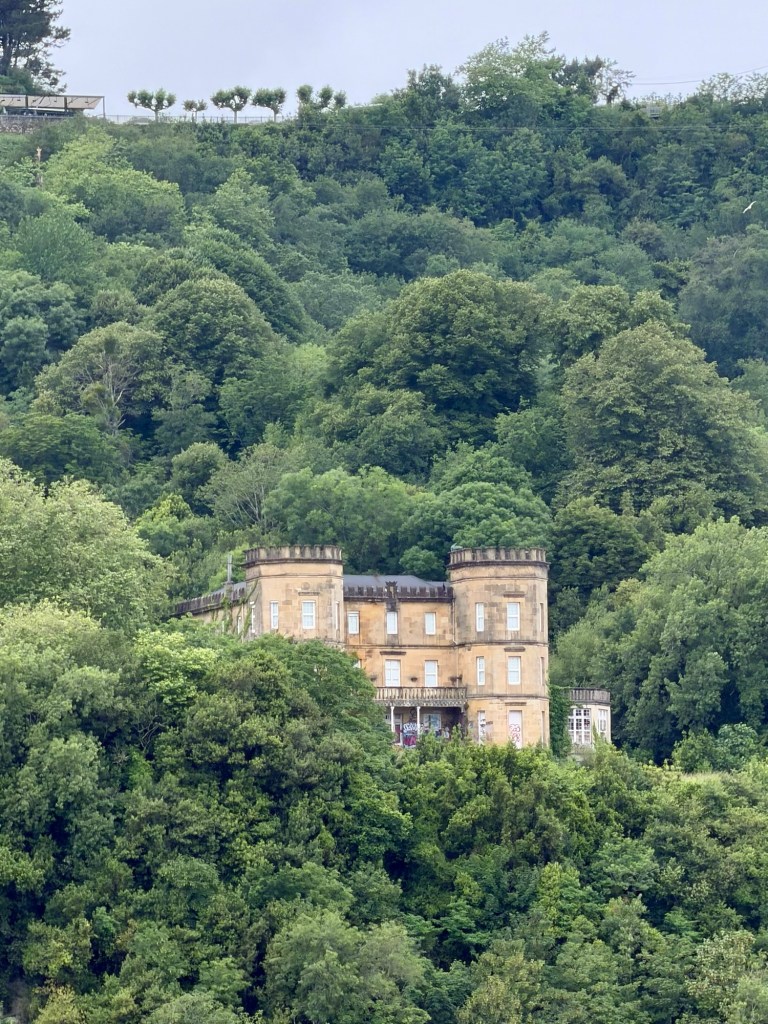
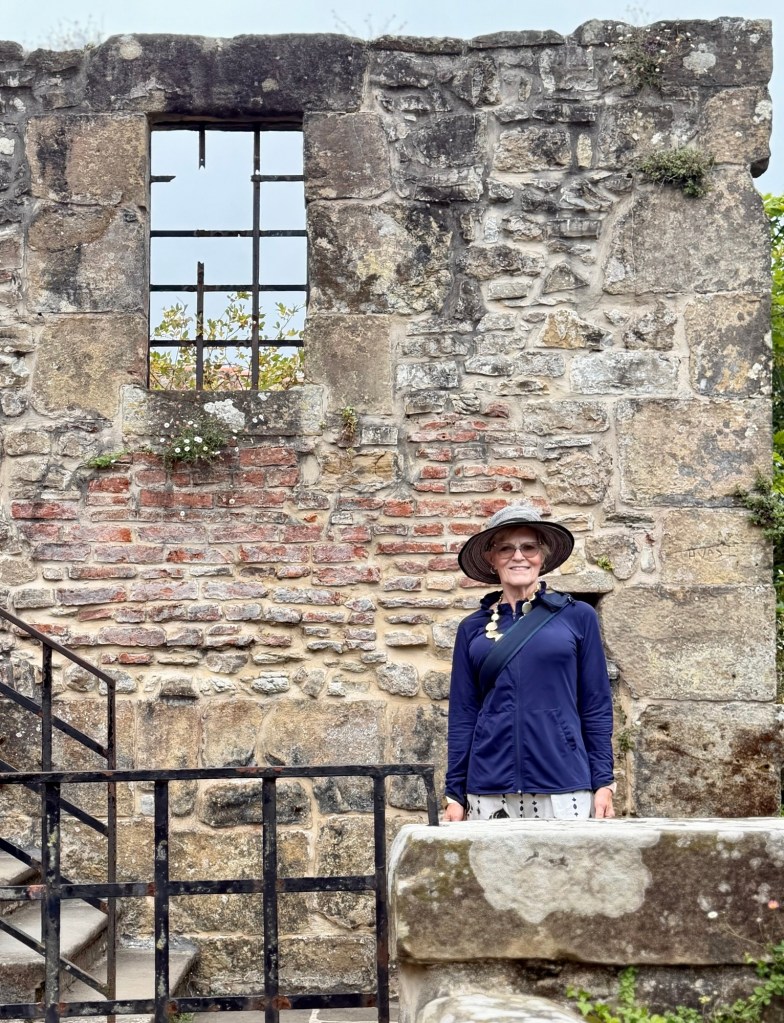
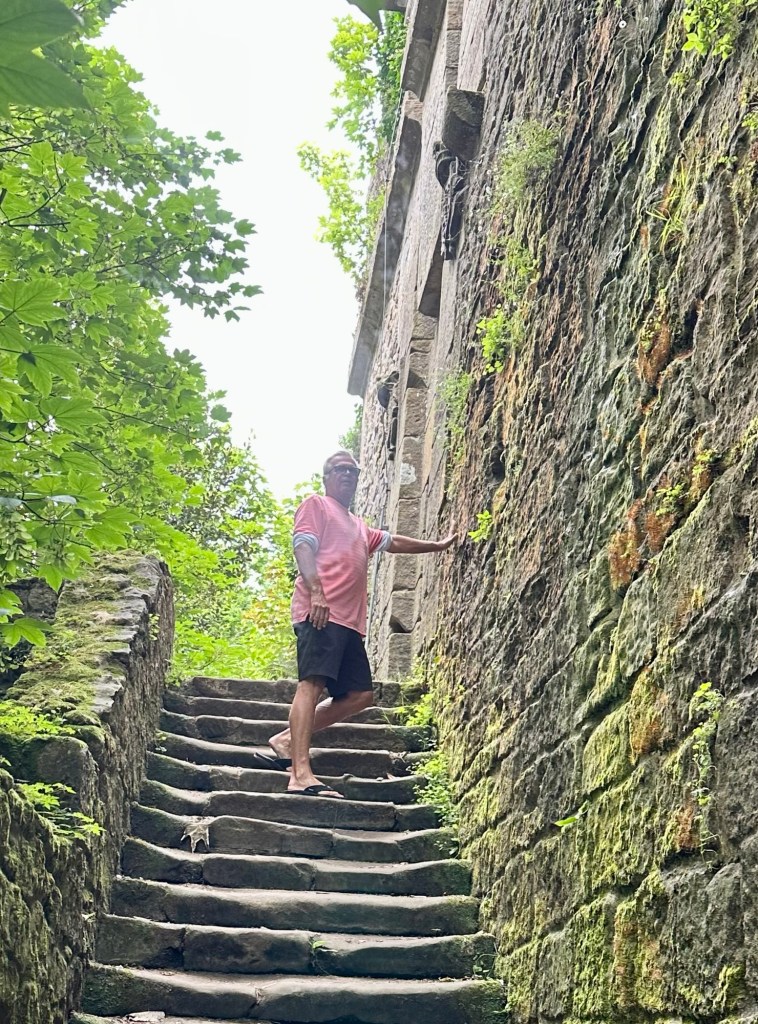
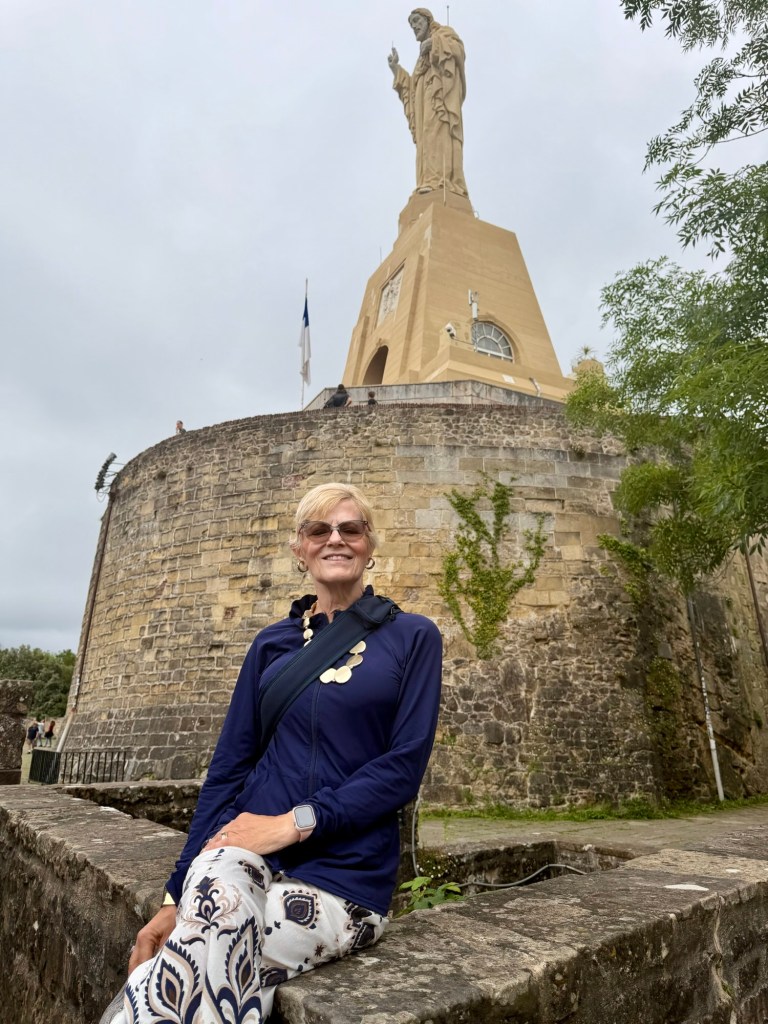
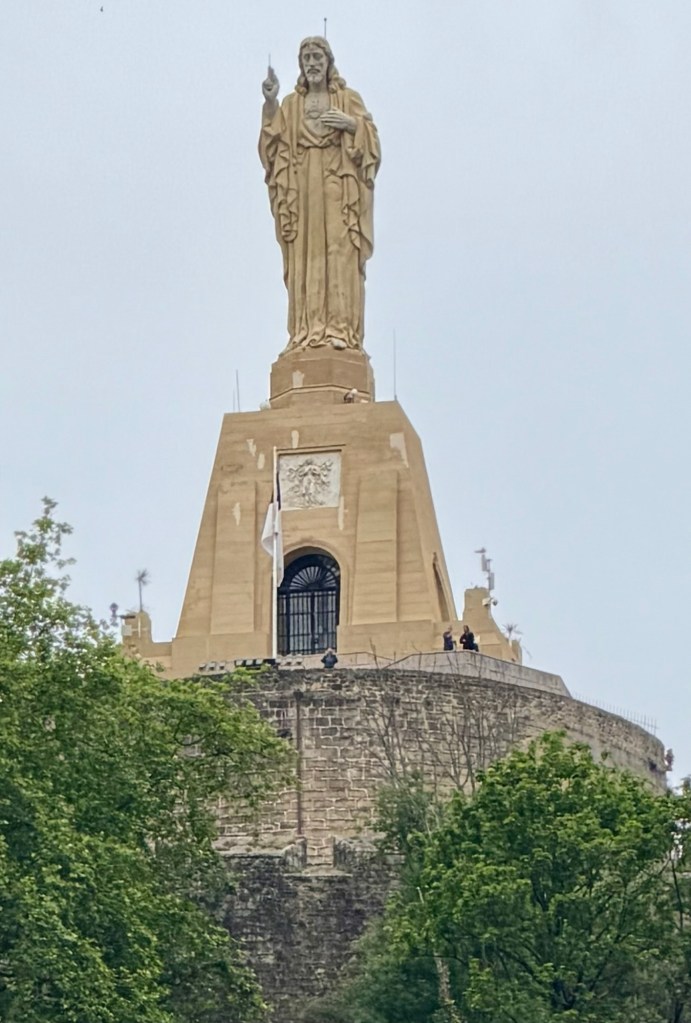
We spent a morning walking up to and touring Castillo de la Mota. It was really more of a climb than a walk as its name translates to Castle on the Hill.

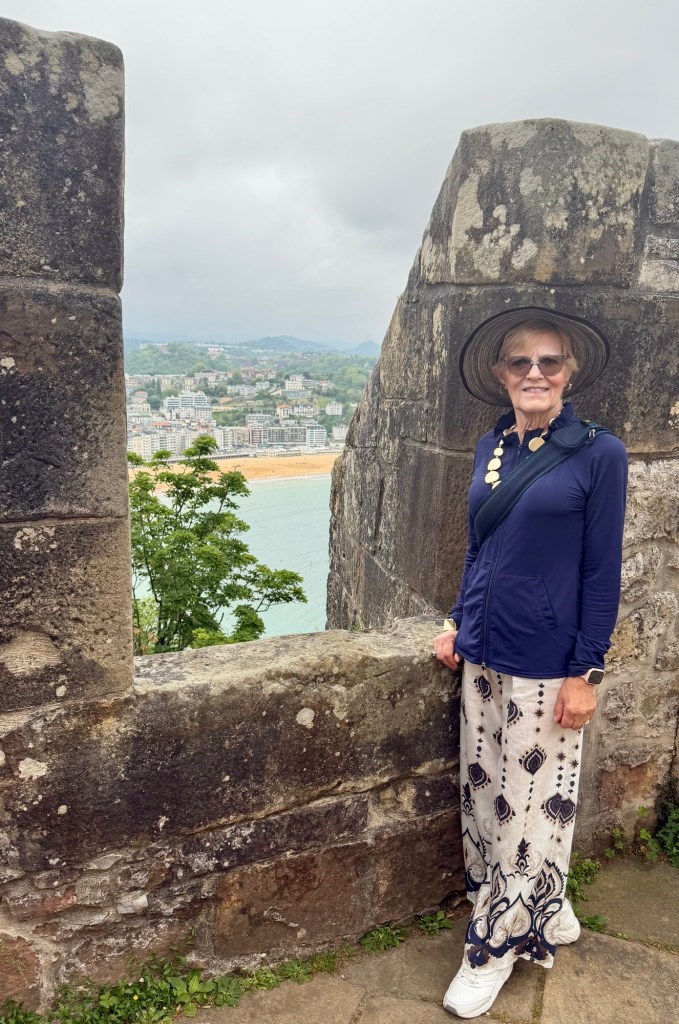
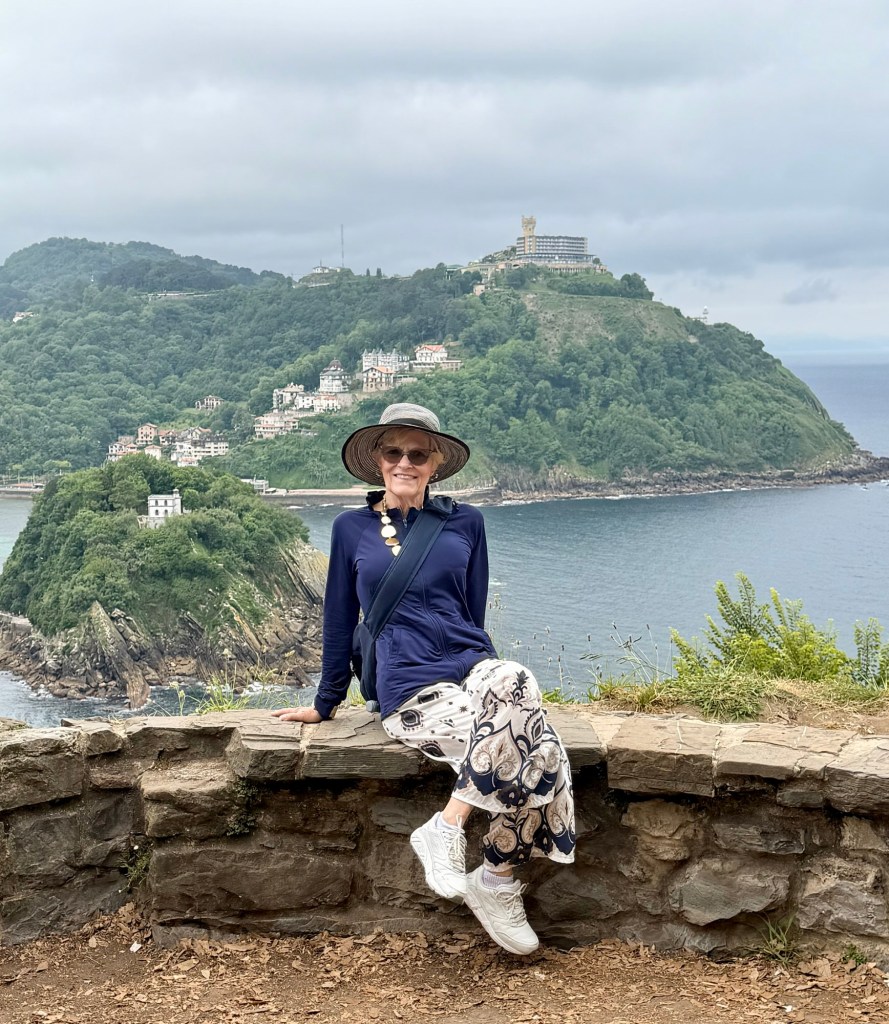
The views from the castle were spectacular, stretching across the city, harbor, and coastline. It was easy to see why this location was chosen for a fortress centuries ago.

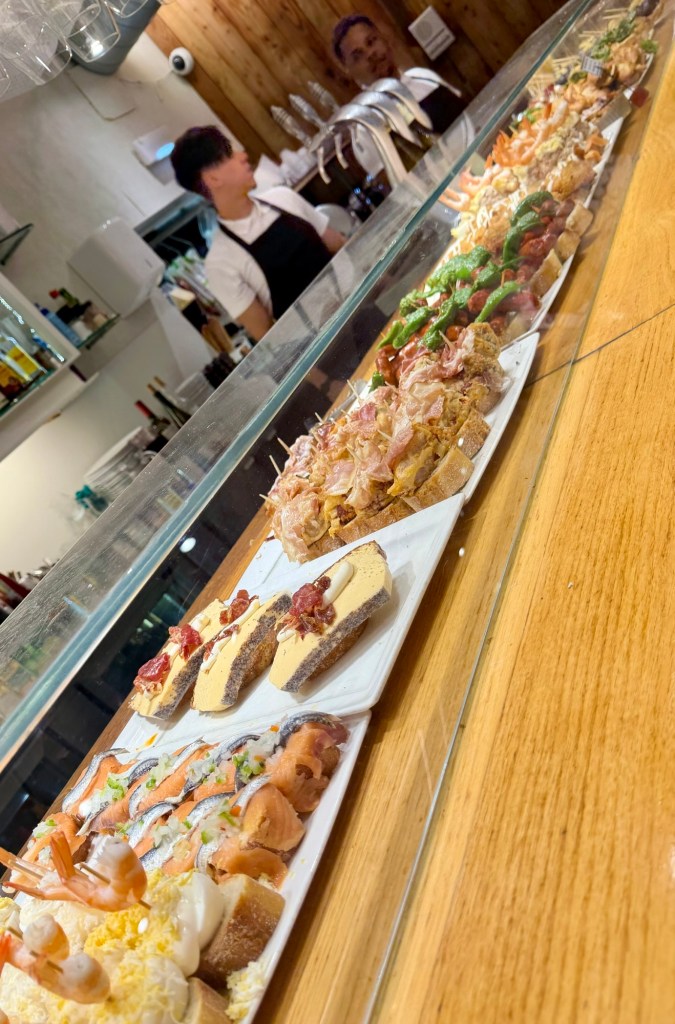
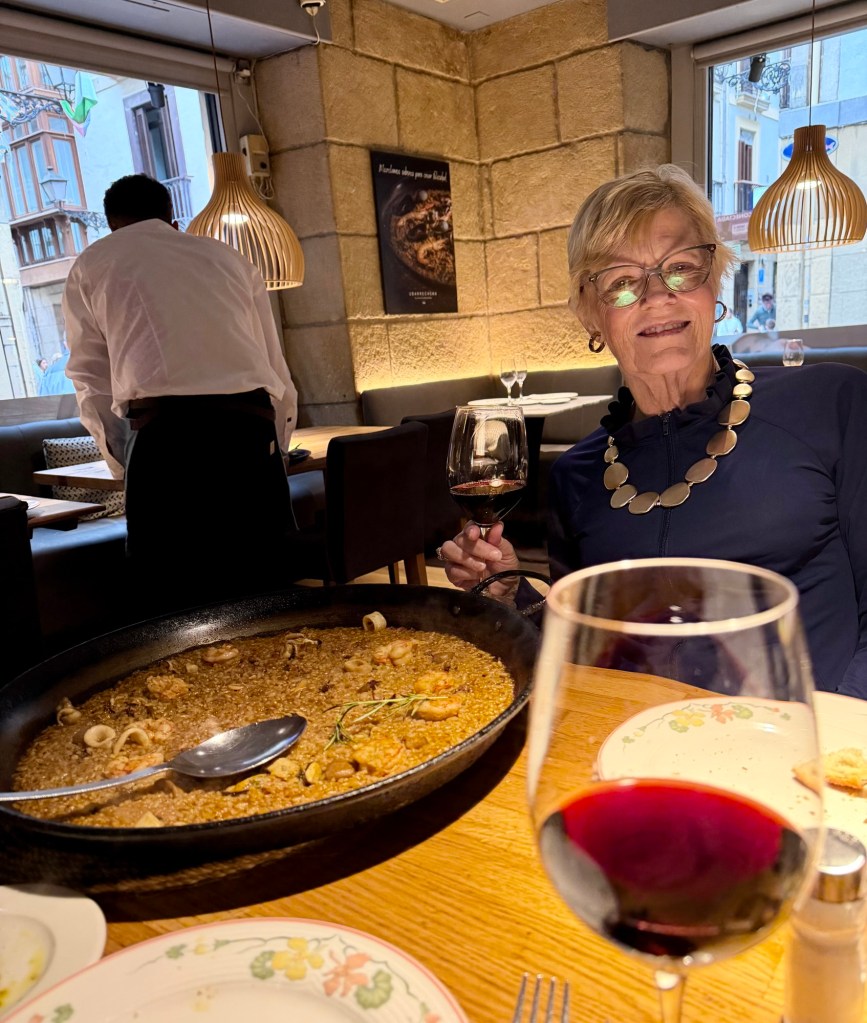
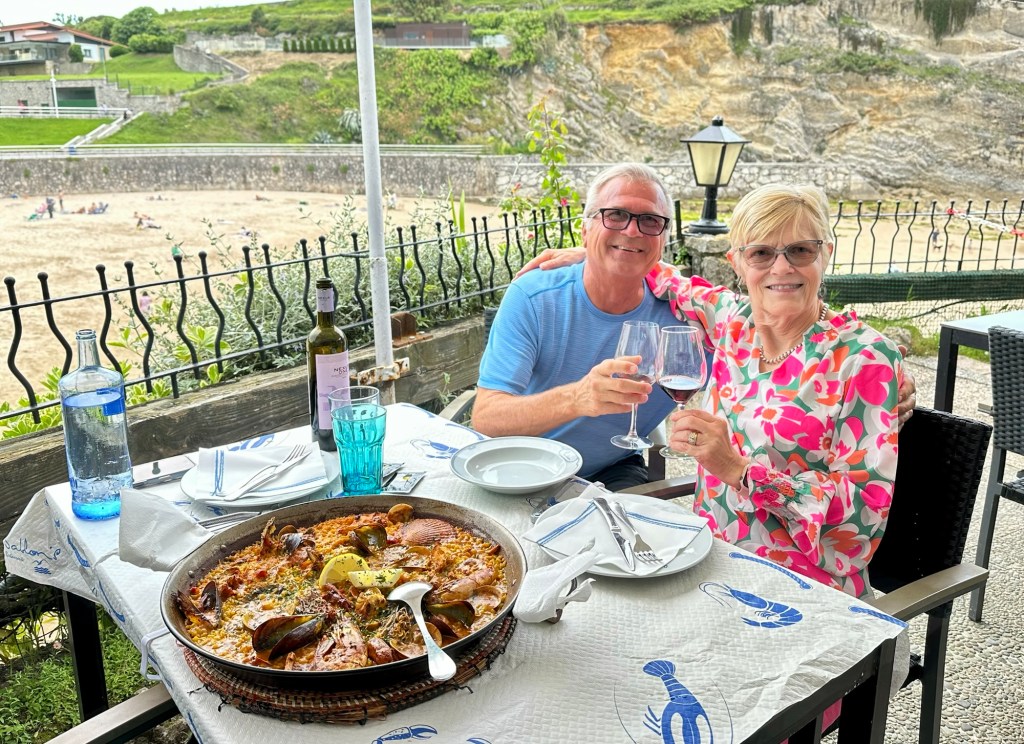
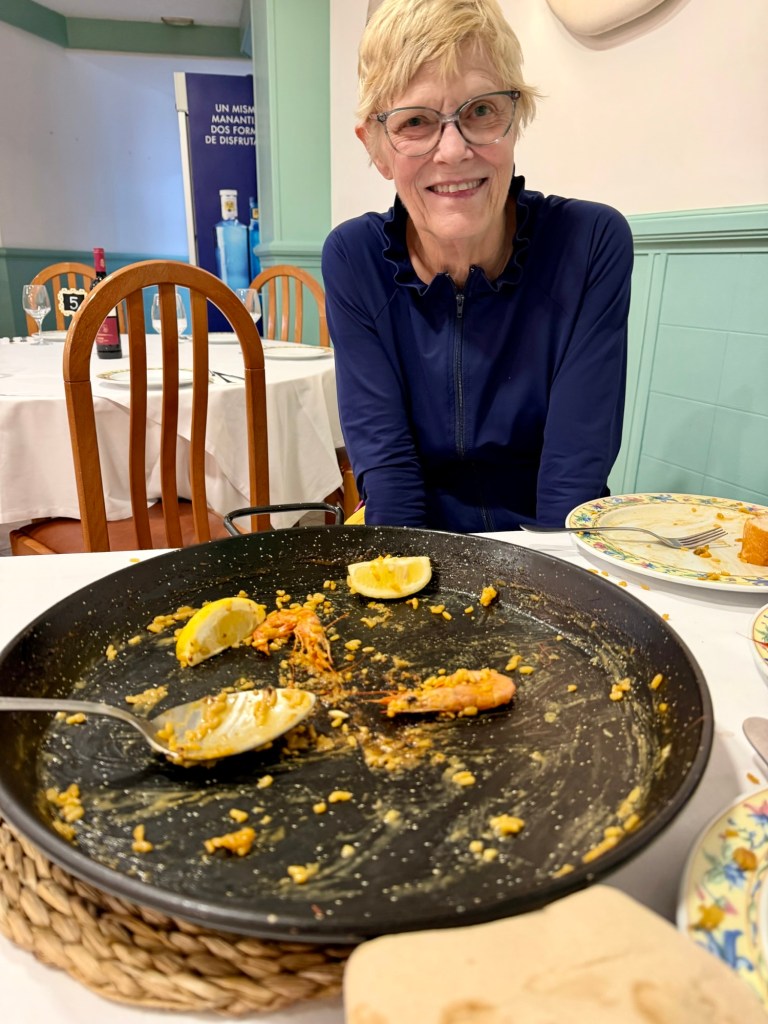
Of course, no visit to San Sebastián would be complete without sampling some of the local food. We enjoyed plenty of pintxos and even found time for a paella dinner.

Sunday morning the town square came alive with vendors and musicians. It drew a large crowd and was a perfect finale to our time in San Sebastián.

Our trip is approaching the halfway point. Sunday afternoon, we fly to Venice and board a cruise that will take us to Croatia, the Greek Islands, and several islands along the Amalfi Coast.

After we dock in Rome, it’s about 10 days on the Amalfi Coast followed by 10 days in Tuscany. We get back to Florida on July 1. I’m pretty sure we’ll be ready.

Enjoy.

Pete
Somo and Laredo

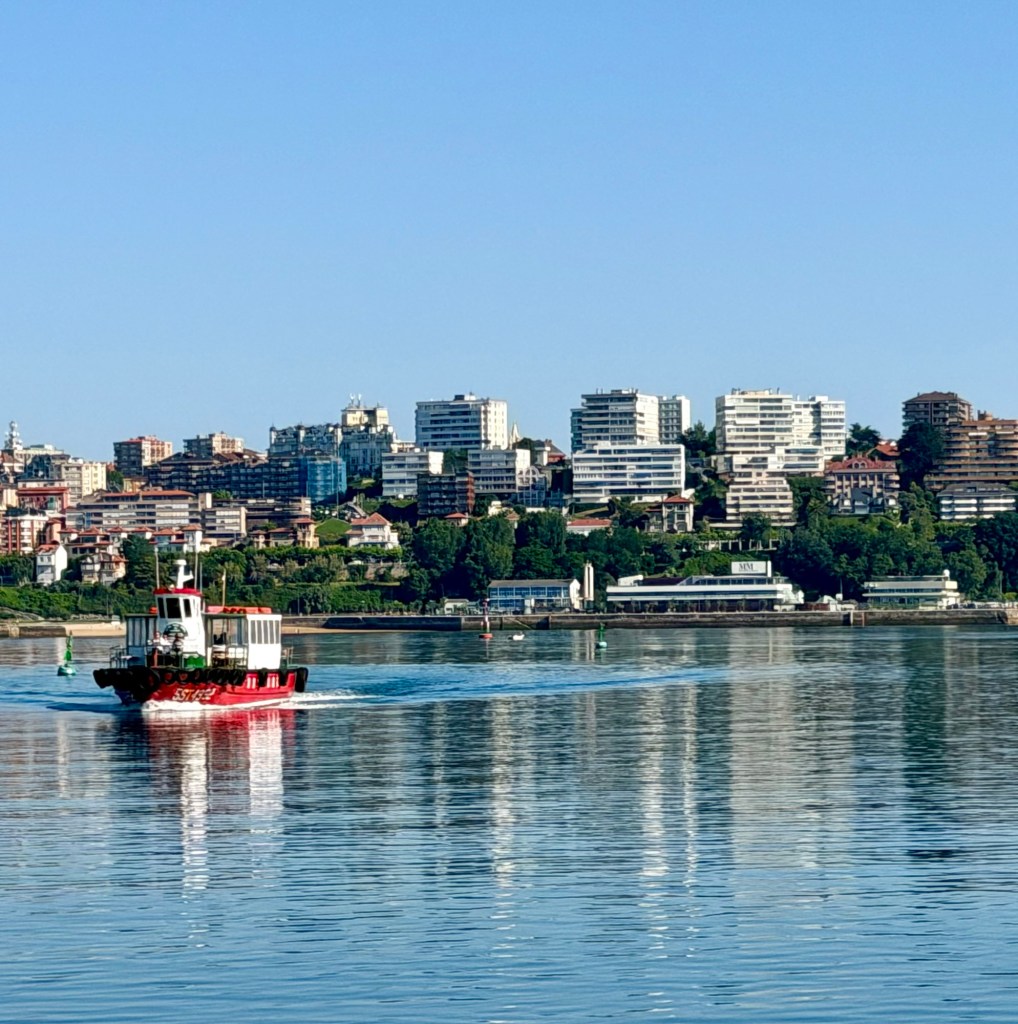
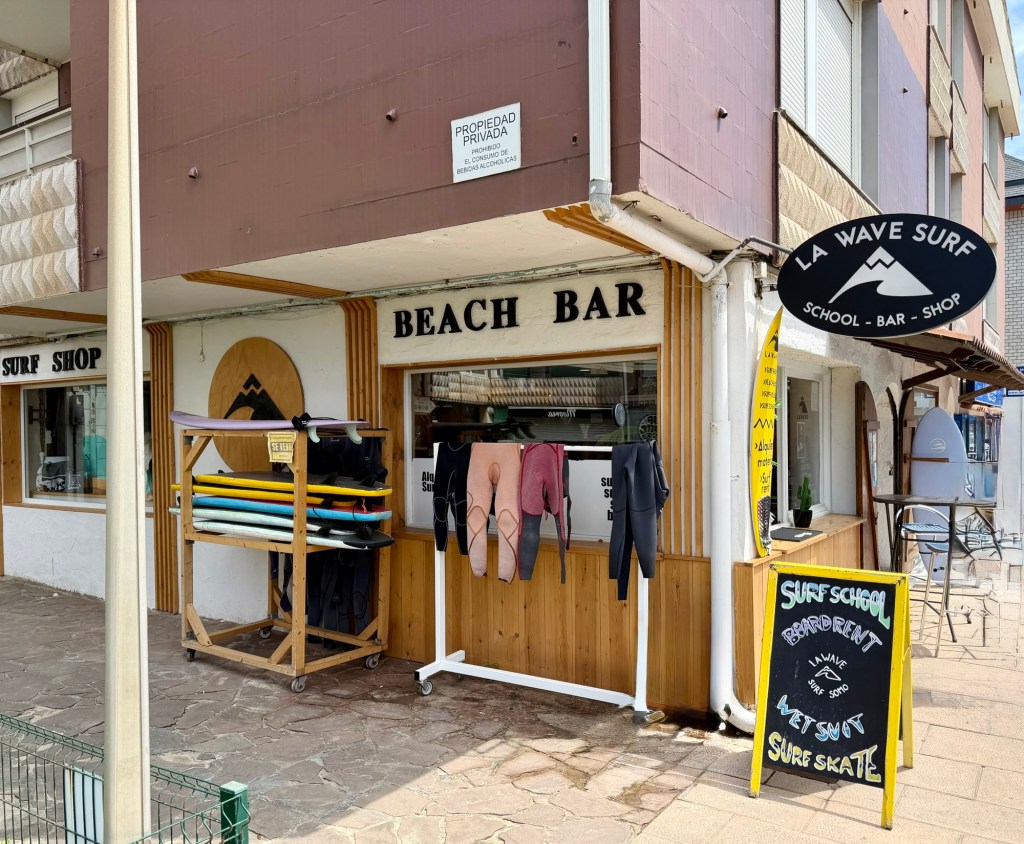
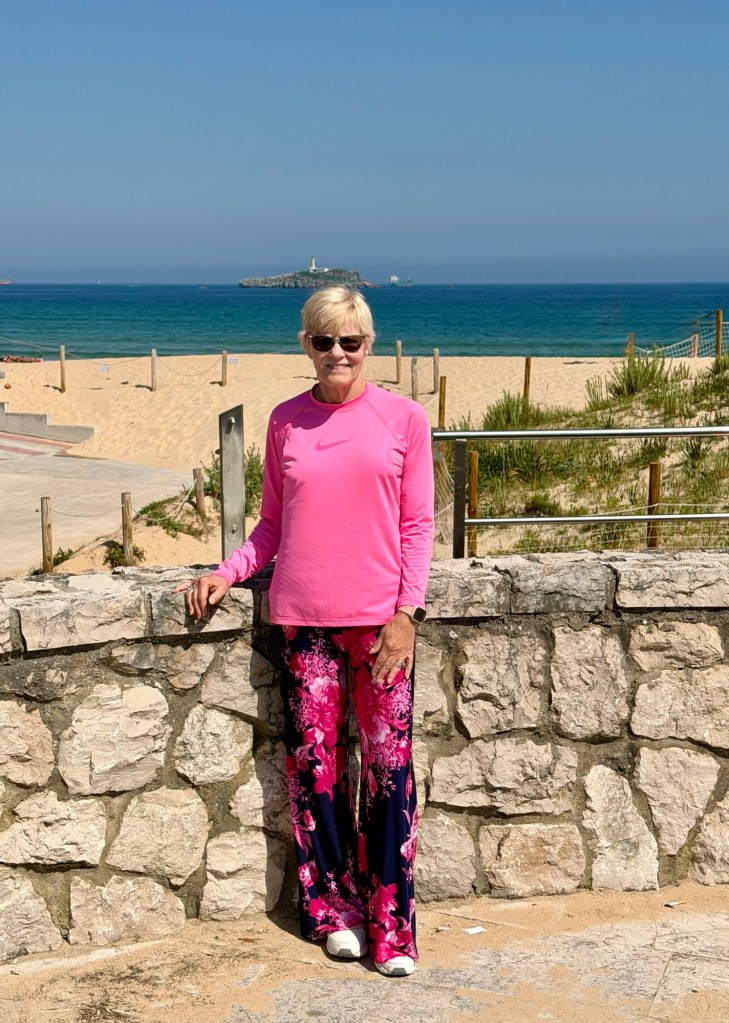
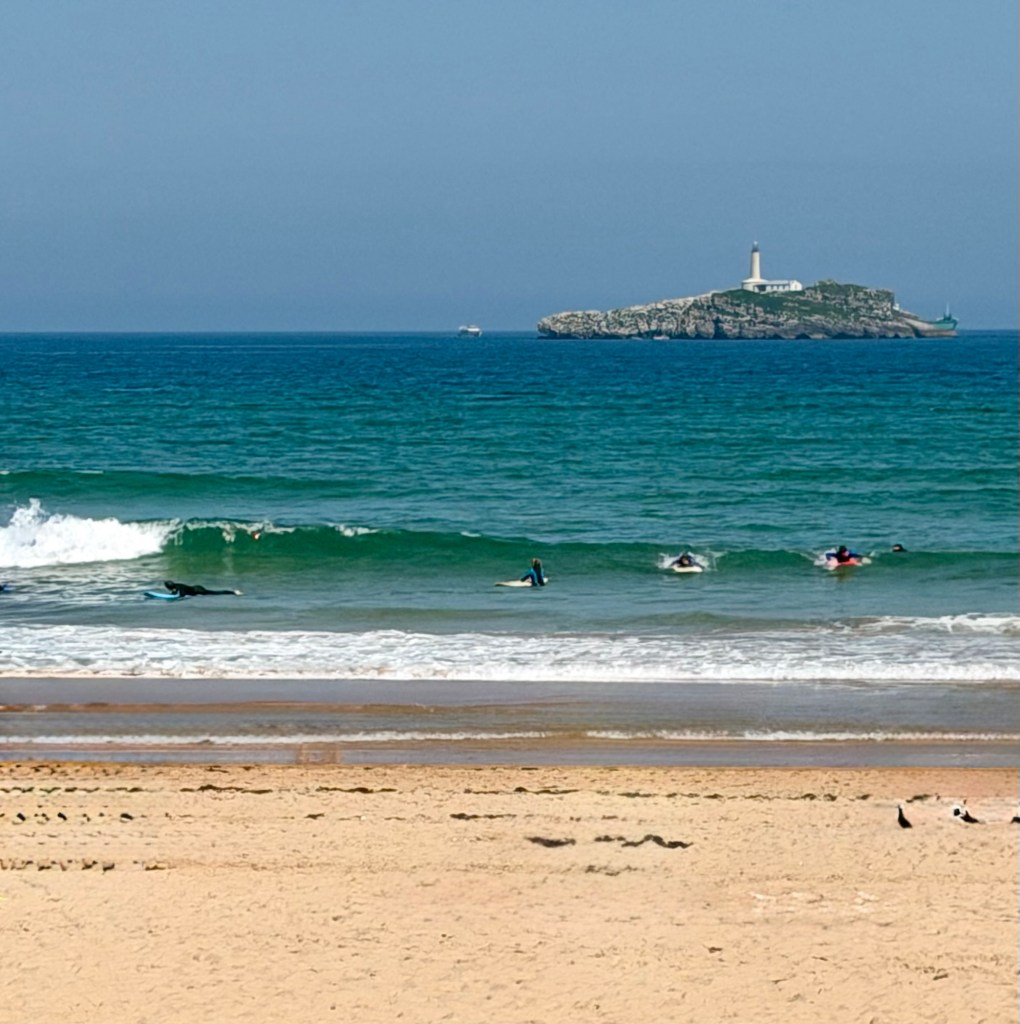
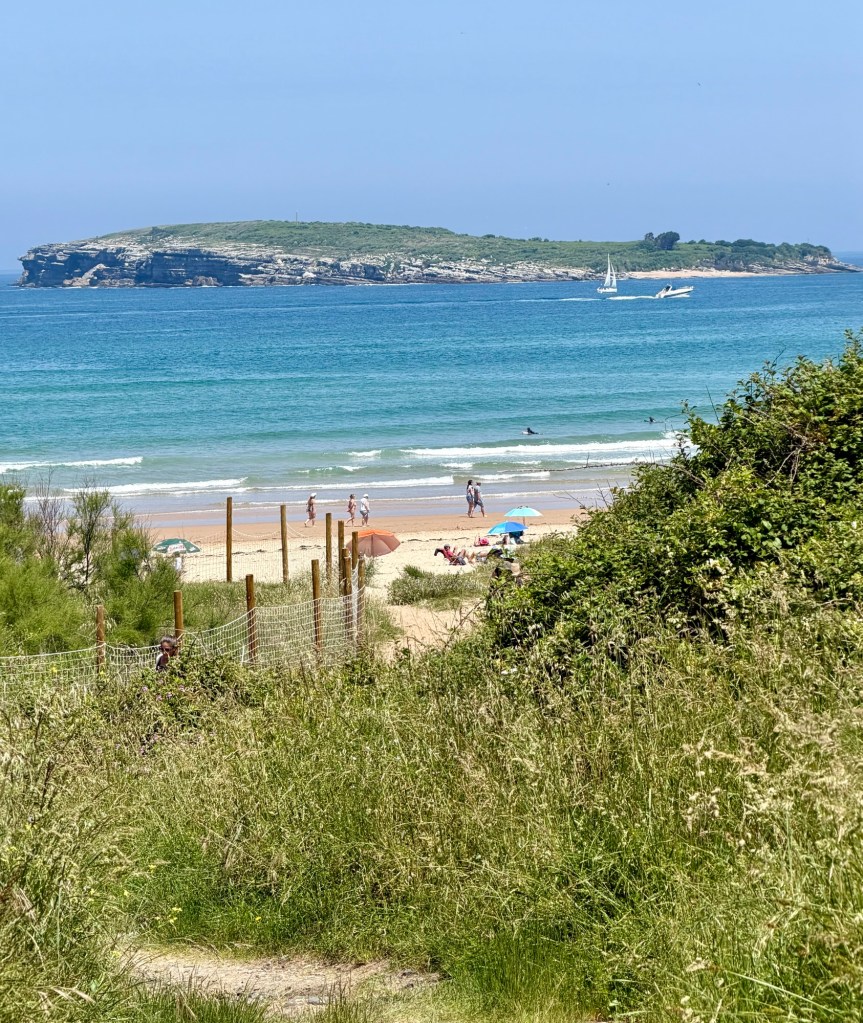
I’m From Llanes we took a bus to Santander, then hopped on a ferry to the laid-back surf town of Somo.

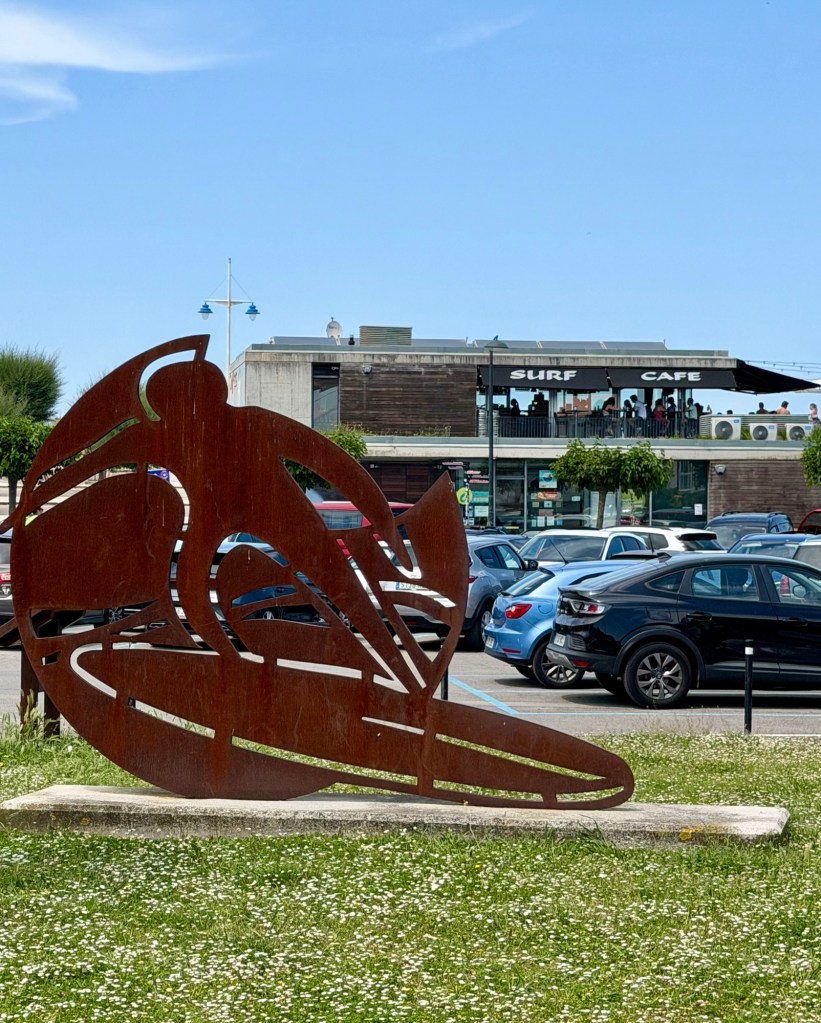
Somo is considered the birthplace of surfing in Spain, and surf culture is woven into everyday life there.

We really enjoyed the vibe in Somo. There are no giant hotel towers or mega-resorts — mostly surf houses, apartments, restaurants, and beach bars. It feels relaxed and authentic.

I even walked a ways out of town on the Camino before we moved on.

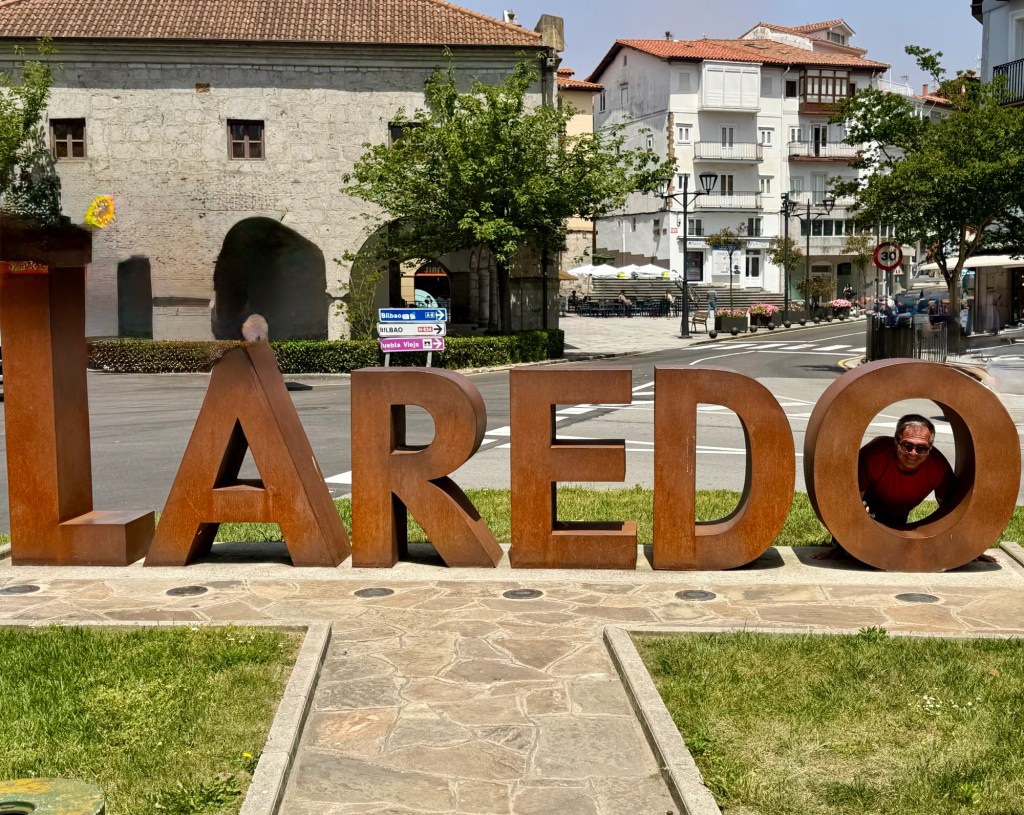
From there we headed to Laredo.

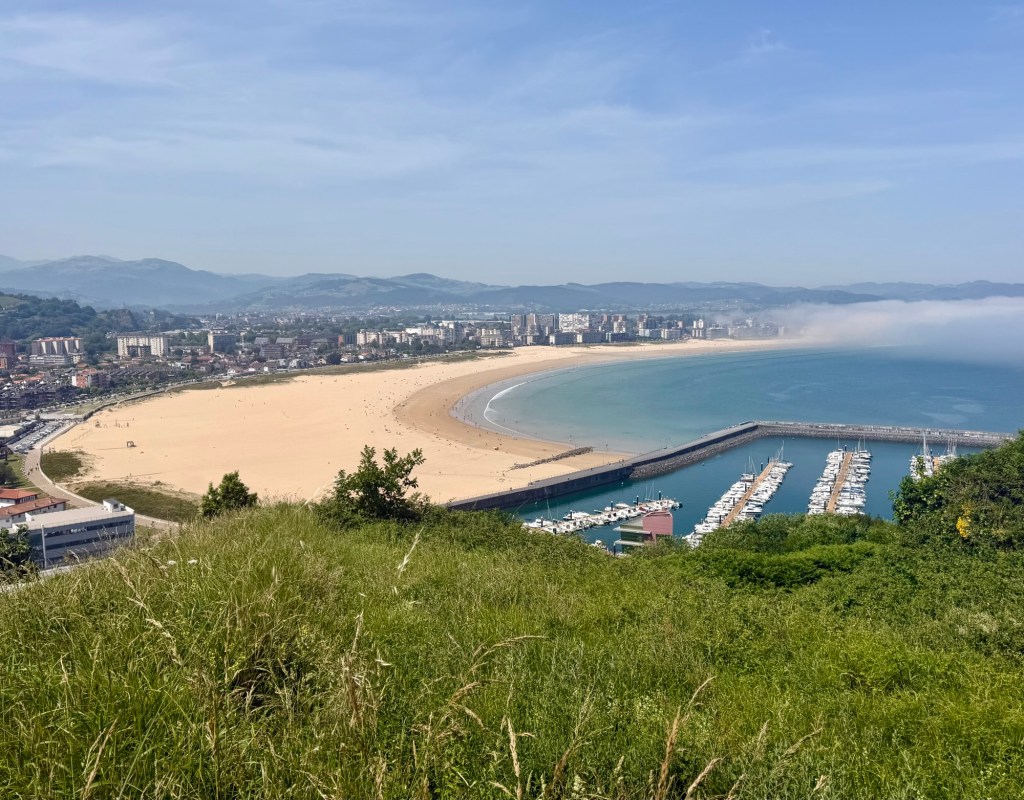
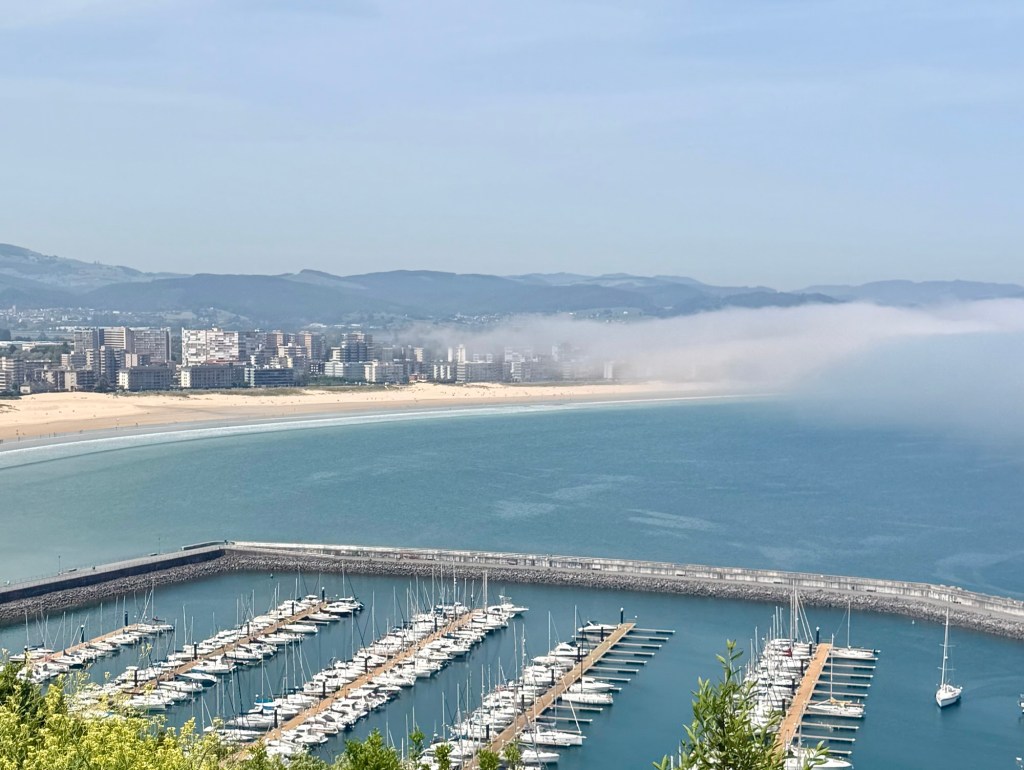
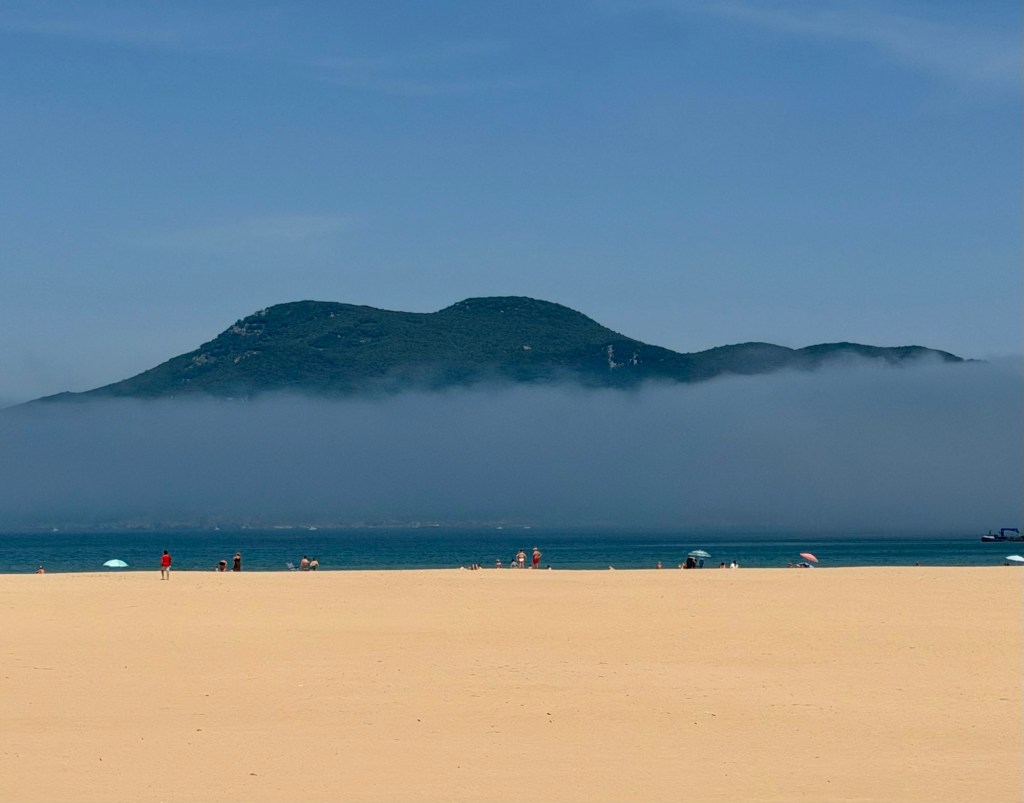
Laredo has one of the longest beaches in northern Spain. Playa La Salvé stretches more than three miles along the coast.

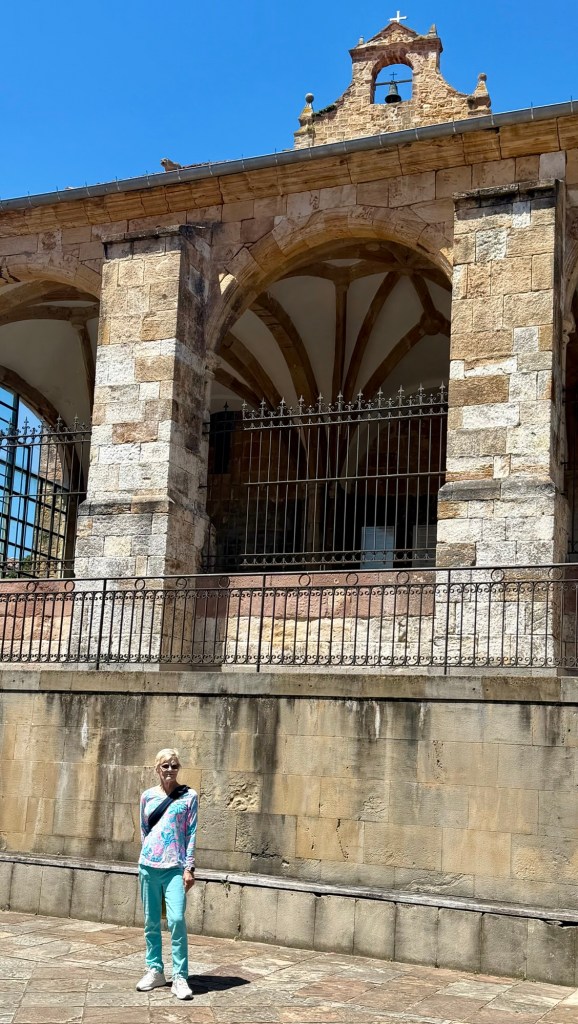
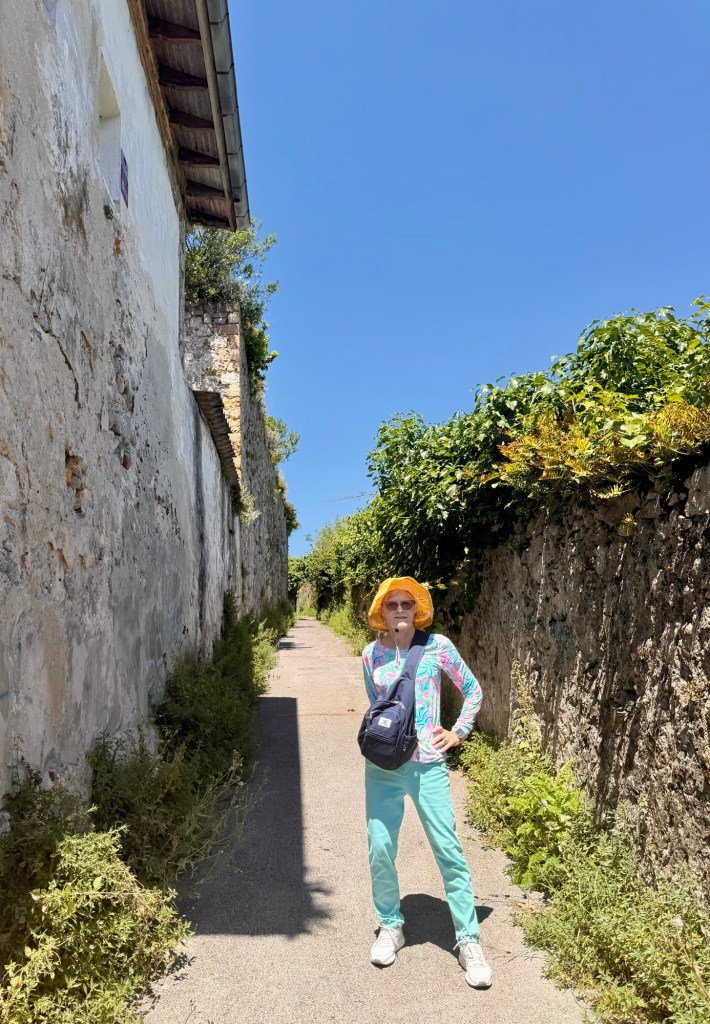
The old part of town, Puebla Vieja, still has narrow stone streets, old defensive walls, Gothic churches, and centuries-old houses.

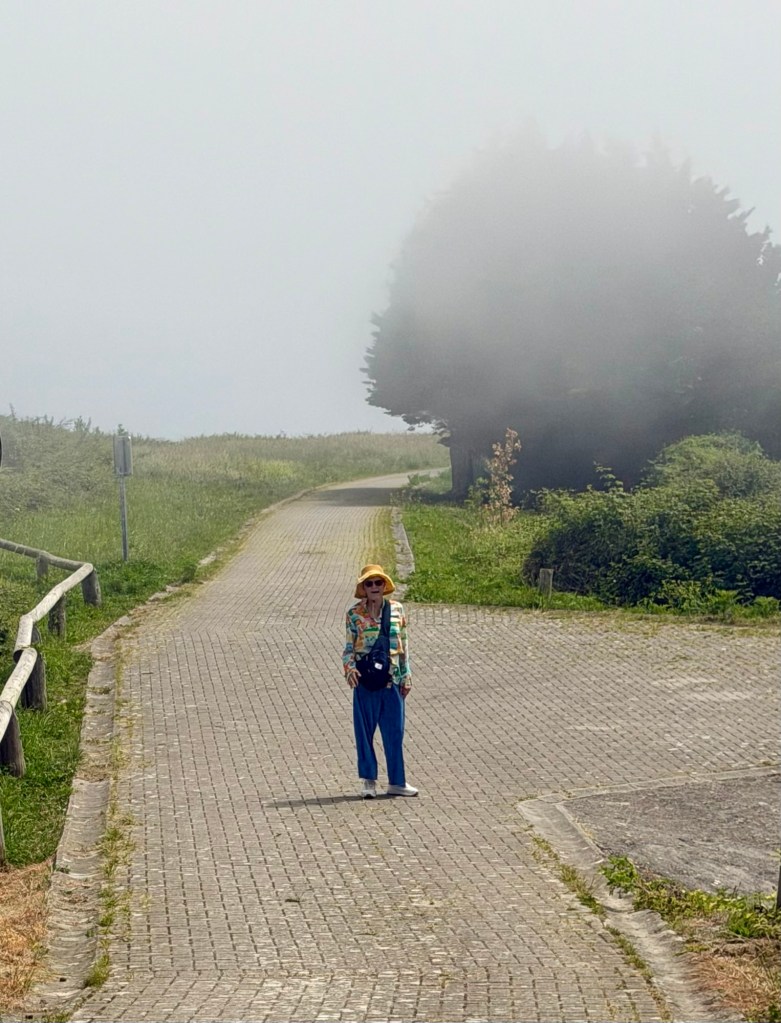
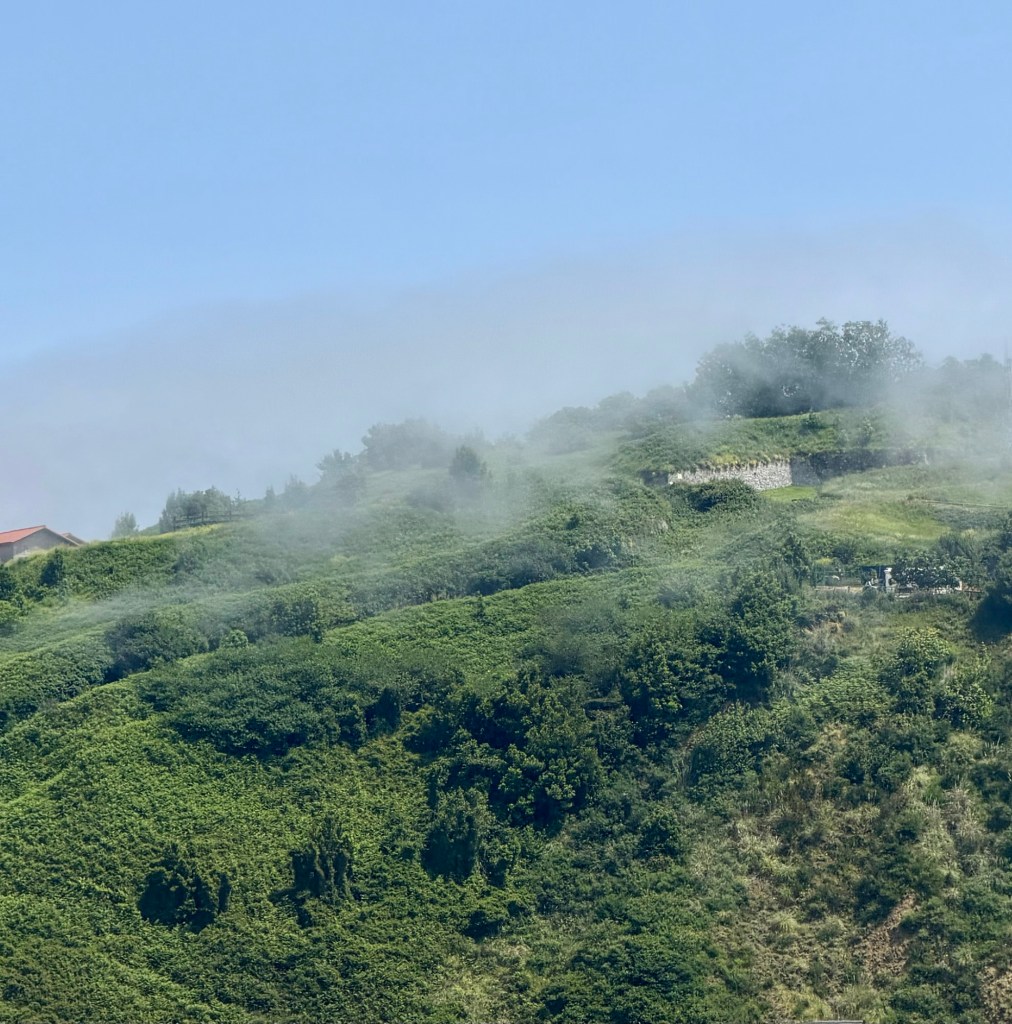
We also climbed up to La Atalaya, a viewpoint overlooking the city. The walk up was foggy, but the sun made an appearance just as we reached the top.

Our biggest challenge in Laredo was siesta.

In Llanes and Somo we had managed to find a couple restaurants where the kitchens stayed open during the dreaded 4 PM to 8 PM dead zone. Not so in Laredo.

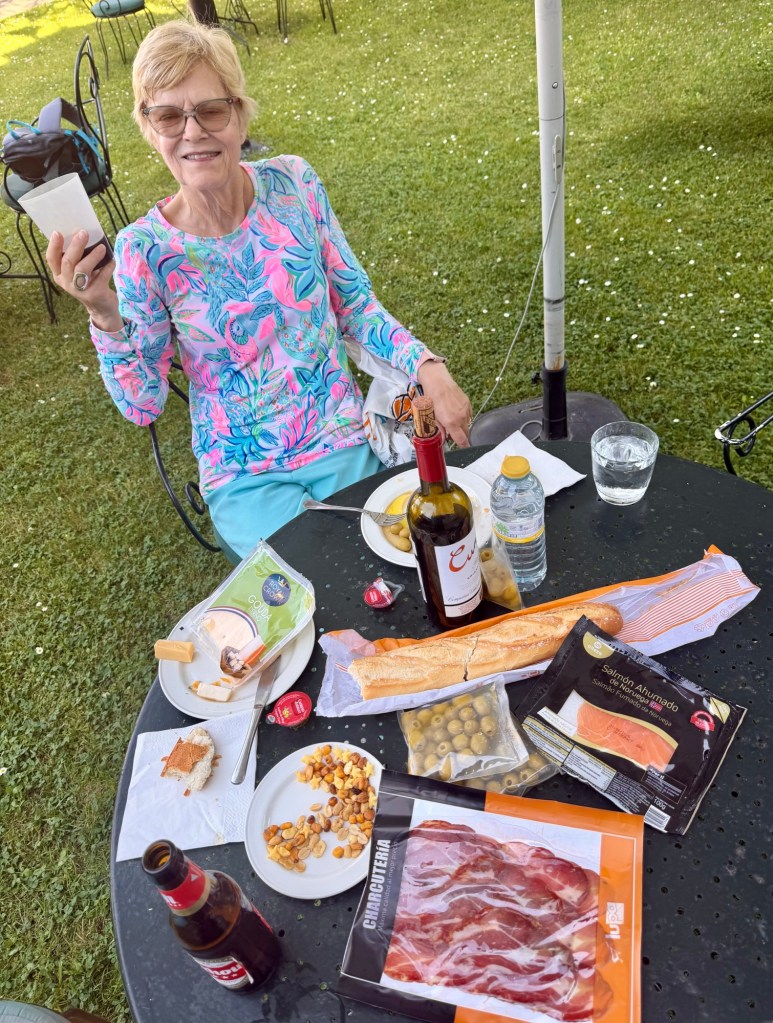
Our first night, we ended up buying sliced meats, olives, cheese, a loaf of bread, and a bottle of wine and turning our hotel’s patio into our own little tapas bar. Honestly, it turned out to be a pretty fun evening.

Next stop… Zarautz.

Enjoy.

Pete
Llanes

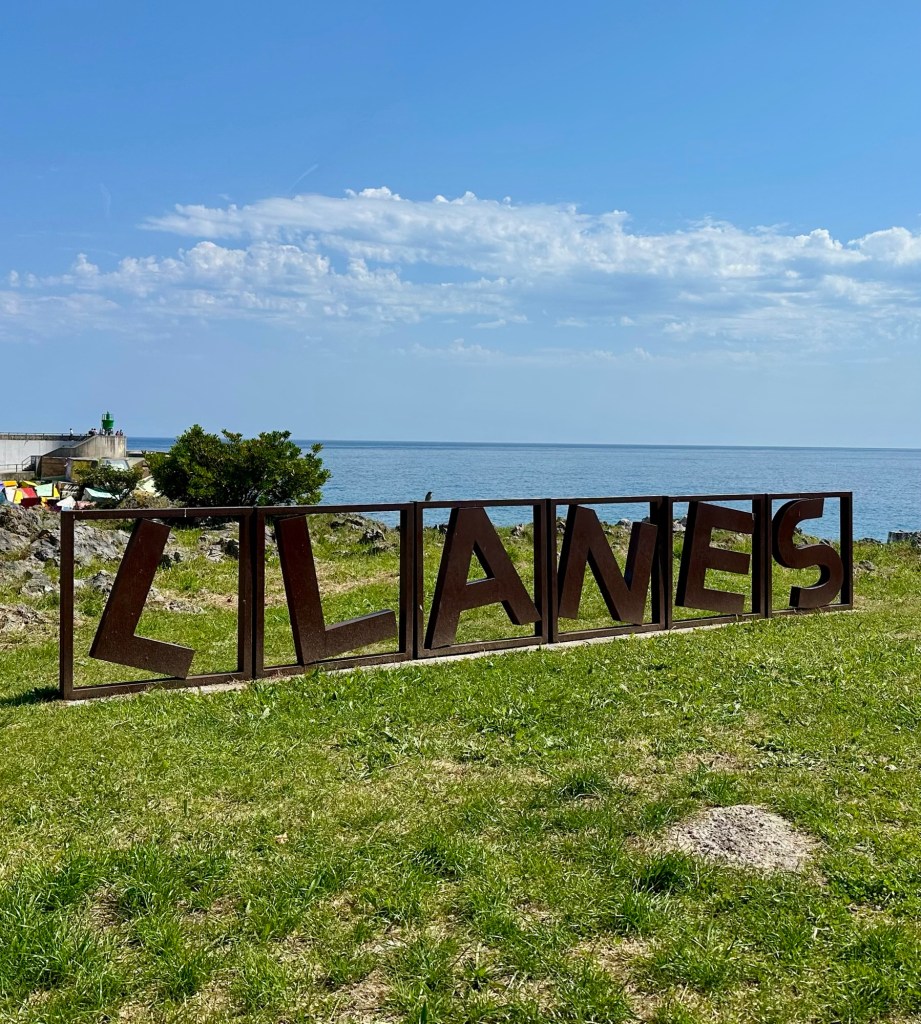
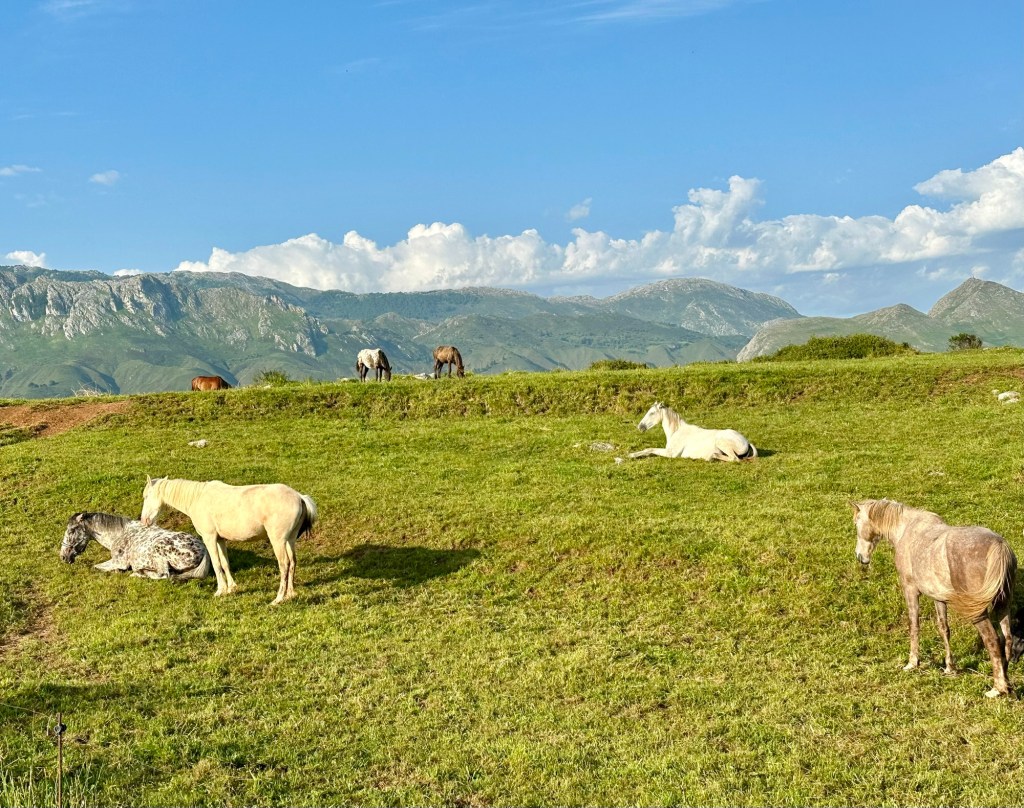
We spent two days in Llanes, and it quickly became a favorite. The combination of dramatic coastline, mountain views, and a beautifully preserved old town gives the place a little bit of everything.

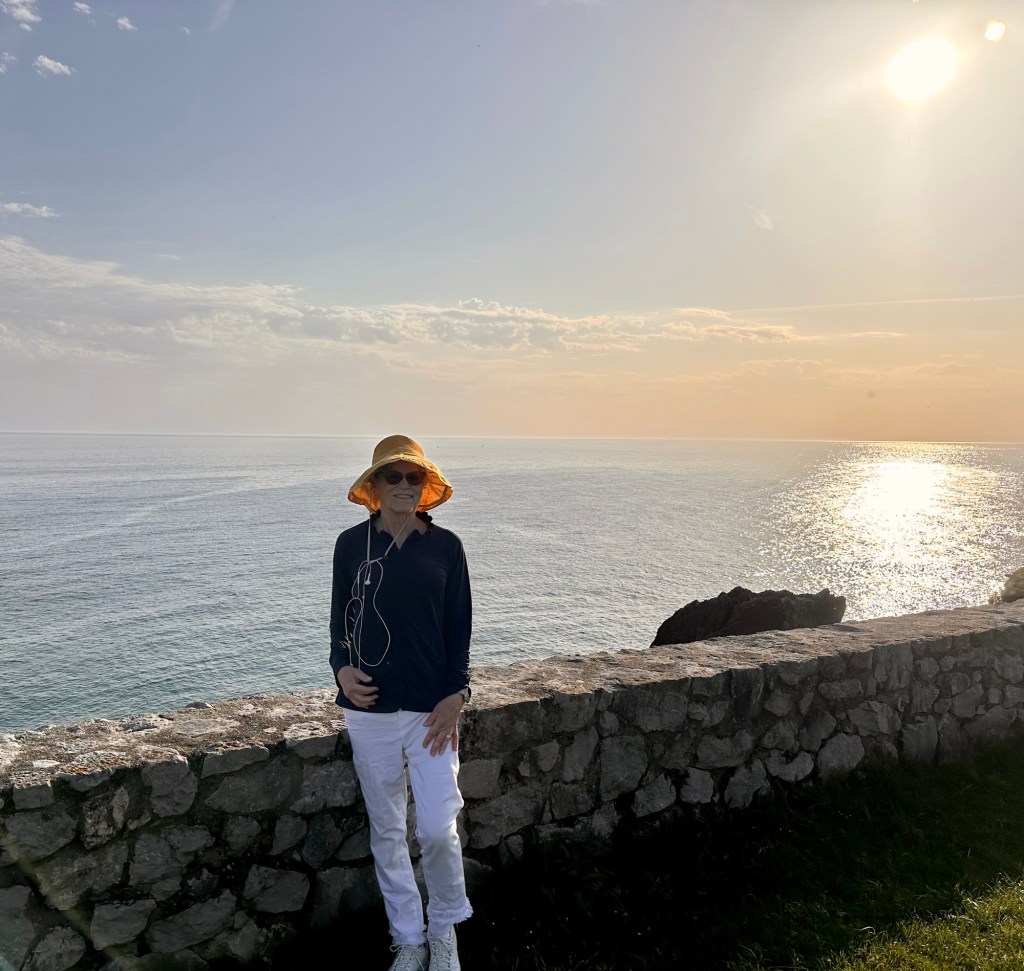
One of the highlights is the Paseo de San Pedro, a coastal walkway that runs along the top of the sea cliffs with panoramic views of the harbor, beaches, and distant mountains. In other words… the perfect setup for Kris’ morning walk.

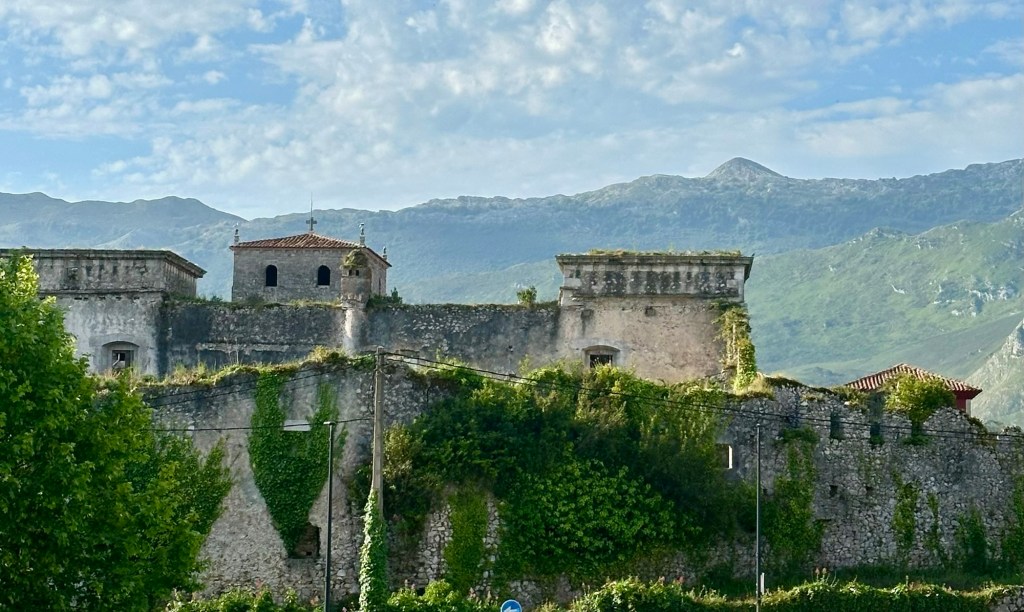
Llanes also still has sections of its medieval walls standing, with parts dating back to the early 1300’s

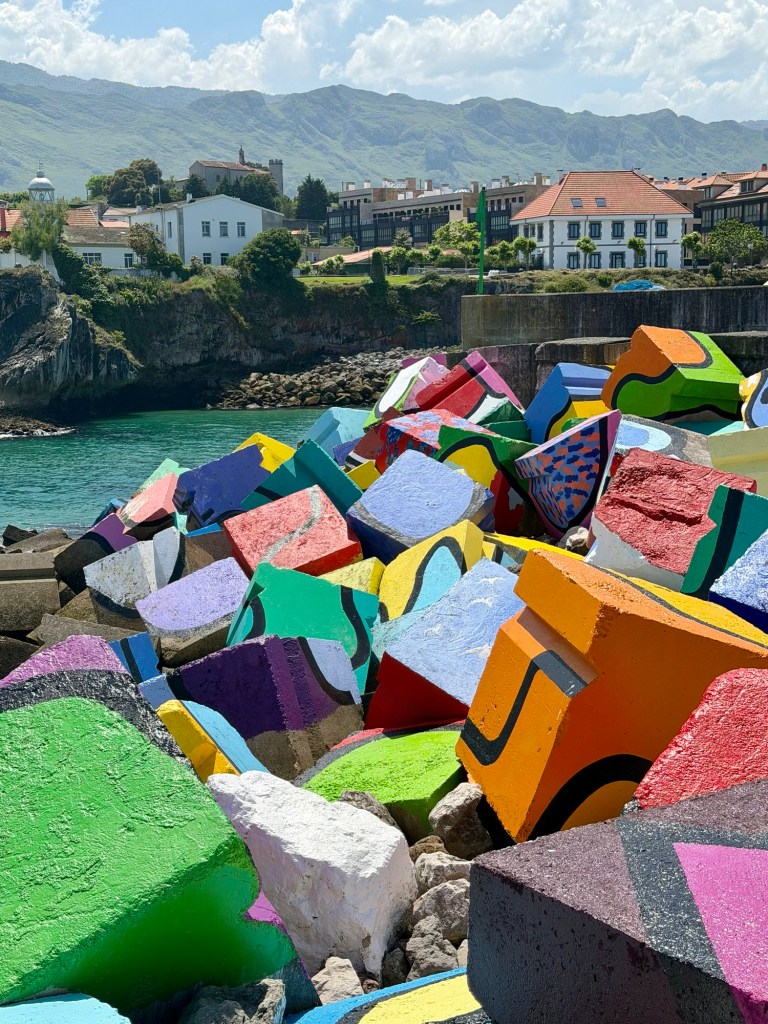
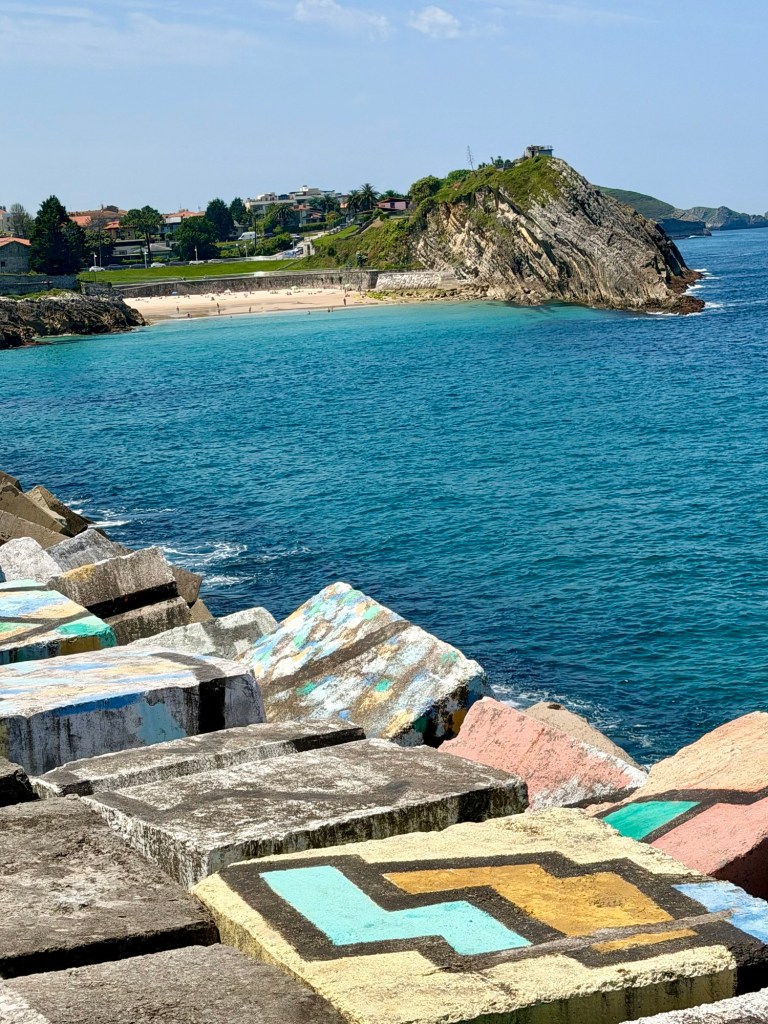
At the harbor entrance, giant concrete cubes painted in bright colors and abstract patterns serve as wave barriers. They’ve become the town’s signature landmark.

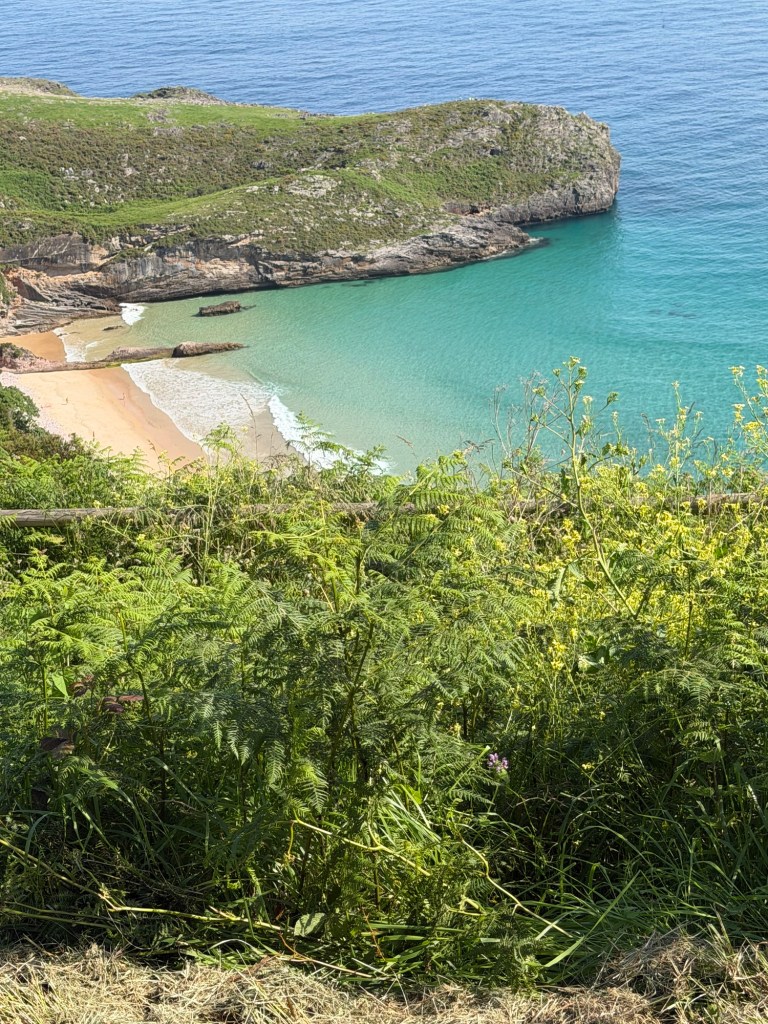
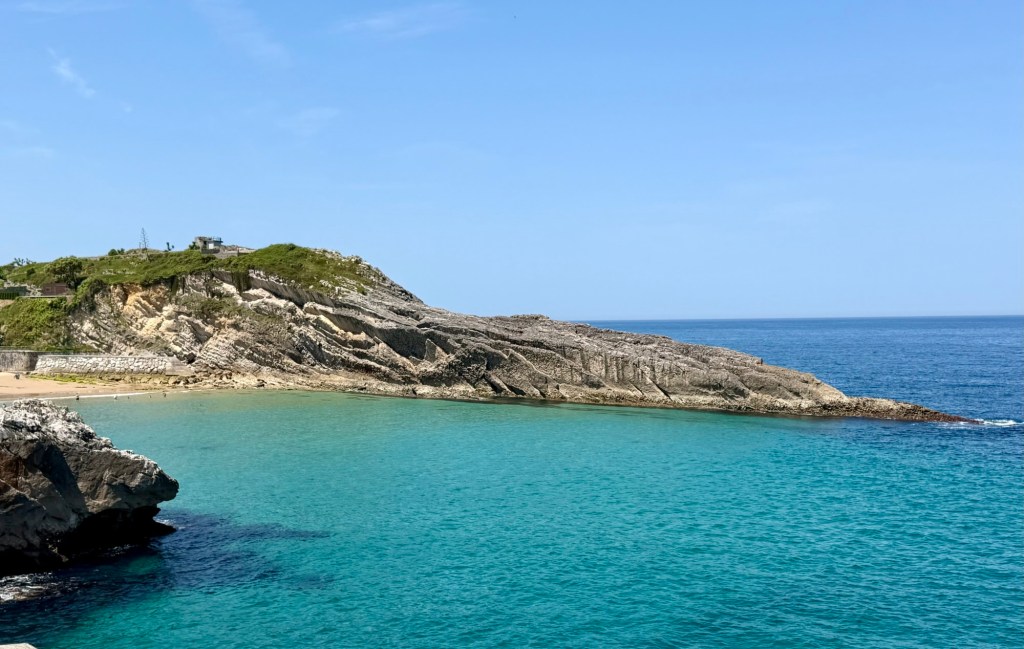
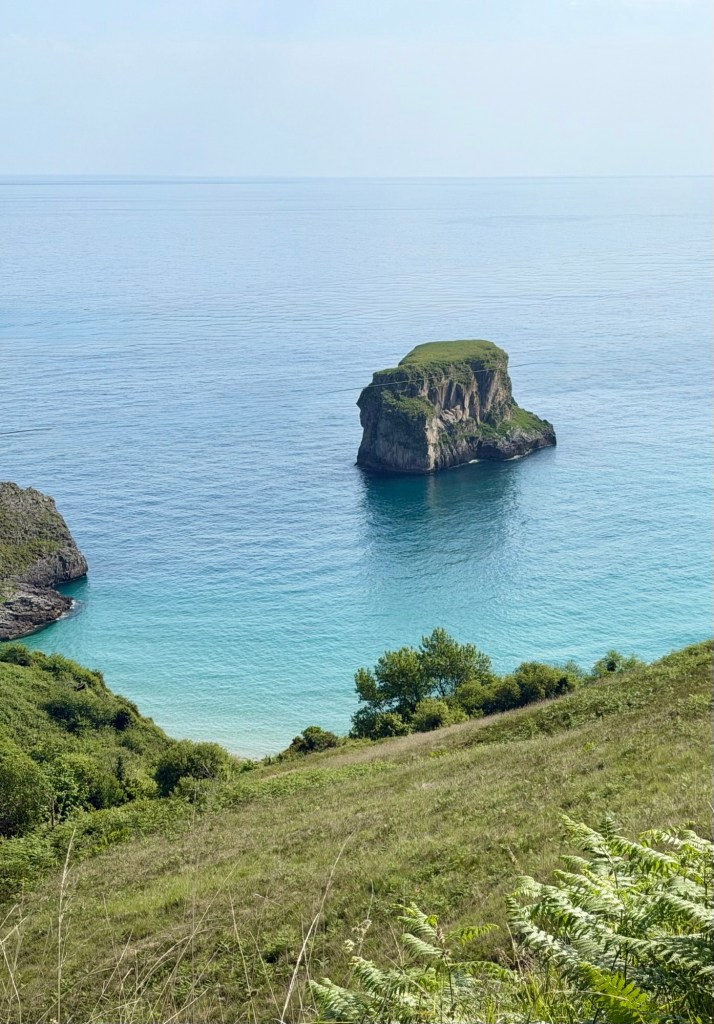
The coastline around Llanes is spectacular, with more than thirty beaches nearby, many tucked dramatically between cliffs and rocky outcroppings.

Llanes was a fun and beautiful stop. So far, it’s Kris’ favorite place of the trip.

Next stop… Somo.

Enjoy.

Pete
Vigo and Pontevedra

We spent one day in each of these Galician cities.

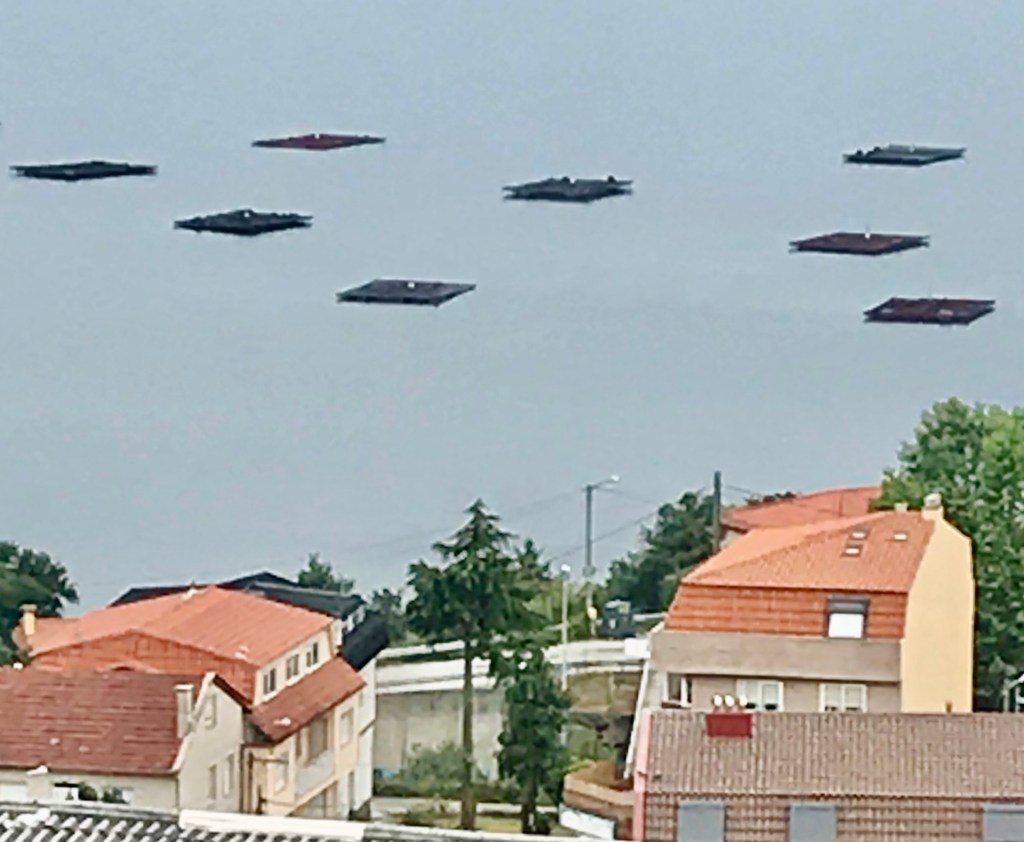
Vigo is one of the world’s major fishing ports, with mussel farms lining the estuary that empties into the Atlantic. Naturally, we were excited to feast on fresh mussels.

Mussel farms or UFO’s? You be the judge.

Unfortunately, the restaurants we tried didn’t have any available. Something about the weather… I think. Either way, the mussels apparently weren’t cooperating.

Dining in Spain still requires some strategic planning. Siesta makes things complicated because most restaurants close from 4 PM until 8 PM. You’ve got to time things right.

Bad name for a restaurant in South Dakota

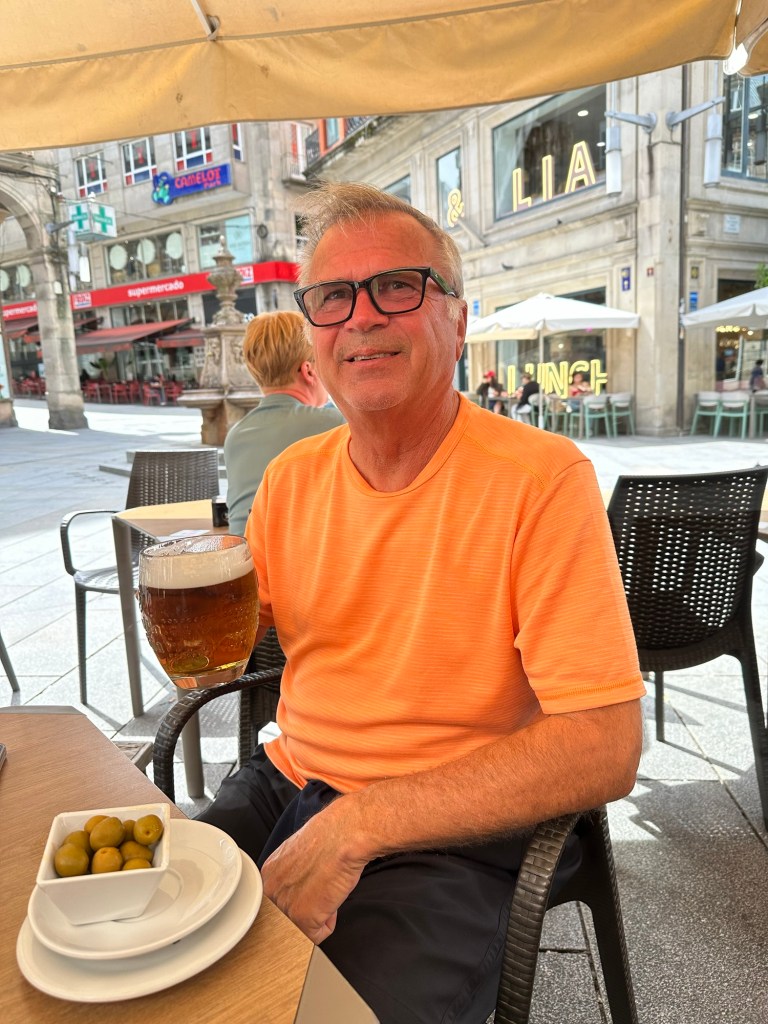
To make matters worse, even finding a beer can become an adventure.

Vigo is also very hilly. Not quite Porto-level steep, but close. The city has a modern, upscale feel with lots of shopping, wide boulevards, and impressive waterfront areas.

We enjoyed our quick stop there before heading on to Pontevedra.

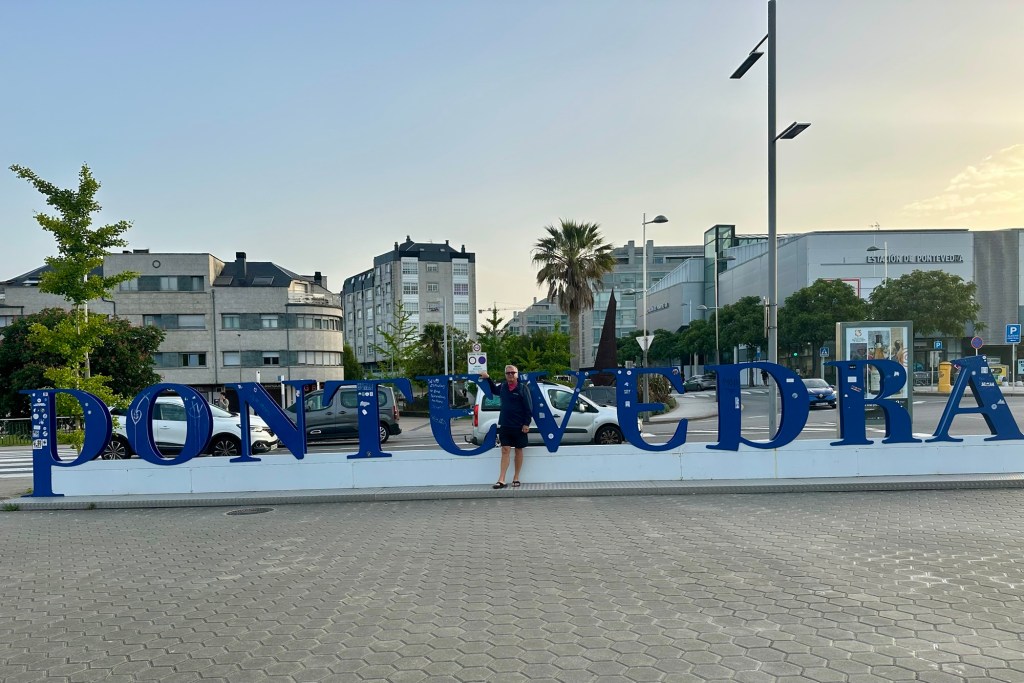
Kris and I lived in Ponte Vedra, Florida for ten years, so visiting Pontevedra always feels a little familiar. I also spent an extra day there during my Camiño.

This time, though, the city felt quieter and a little more worn than I remembered. Maybe my previous visit happened over a weekend when the old town was more lively and crowded.

Even so, it was nice to see it again. But this was probably my last trip to Pontevedra. I’ve learned that I’m just more drawn to the smaller coastal towns and cities along this part of Spain.

Our next stop is Llanes, another coastal gem.

Enjoy.

Pete
Baiona

We were originally planning to take a bus from Porto to Baiona, but we decided to Uber instead. It cost more, but we arrived four hours earlier, and I was anxious to get there.

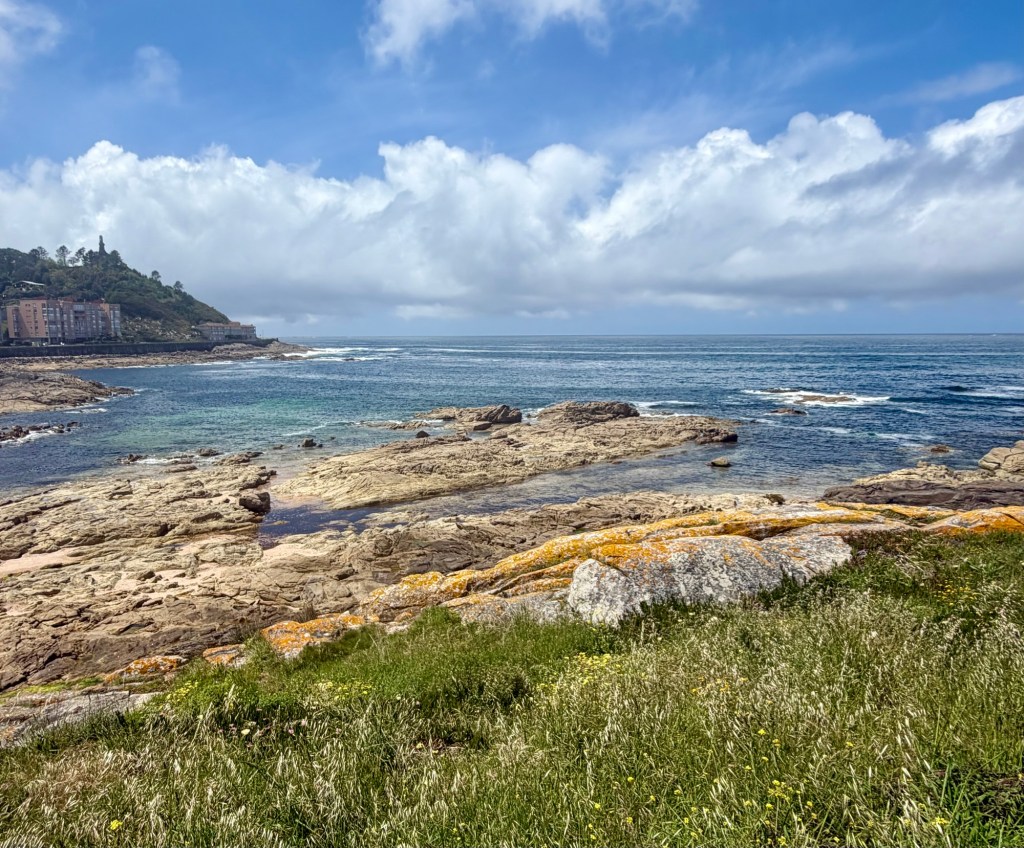
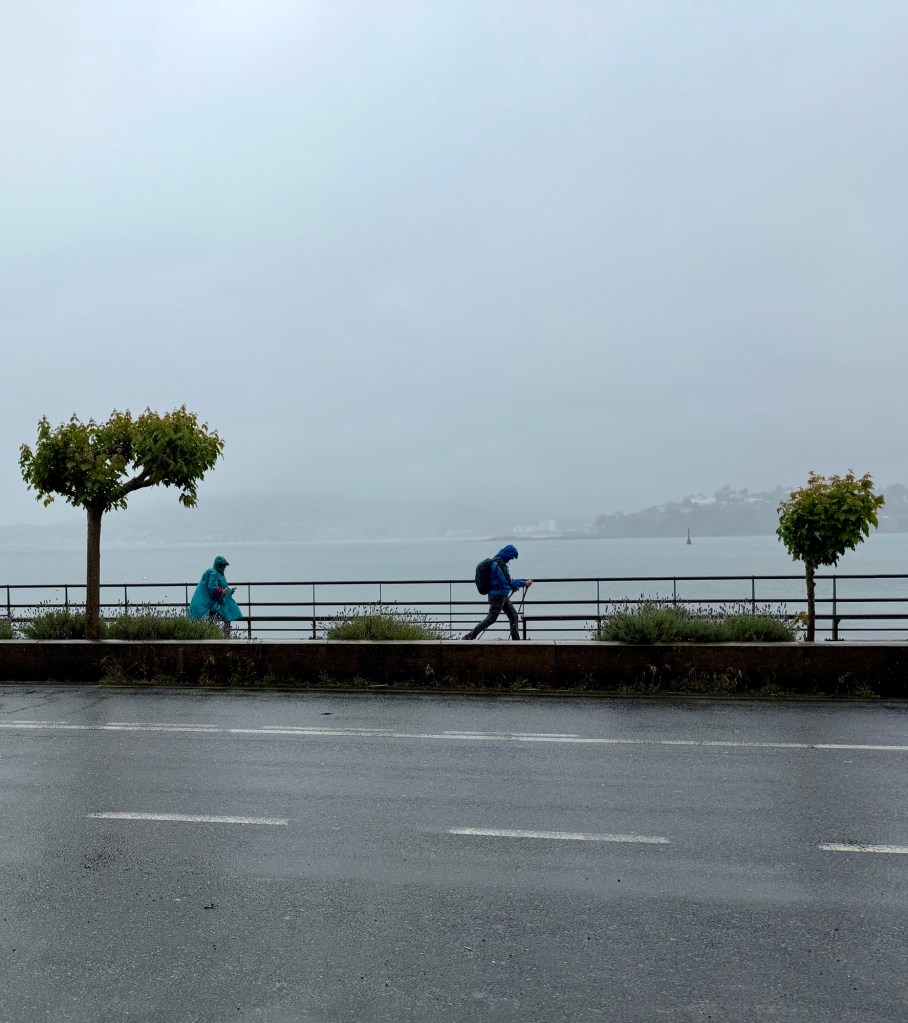
During my Camino, Baiona was one of the coolest little coastal towns I passed through. Seven years later, I still remembered it vividly.

It’s a small town, but it’s packed with history.

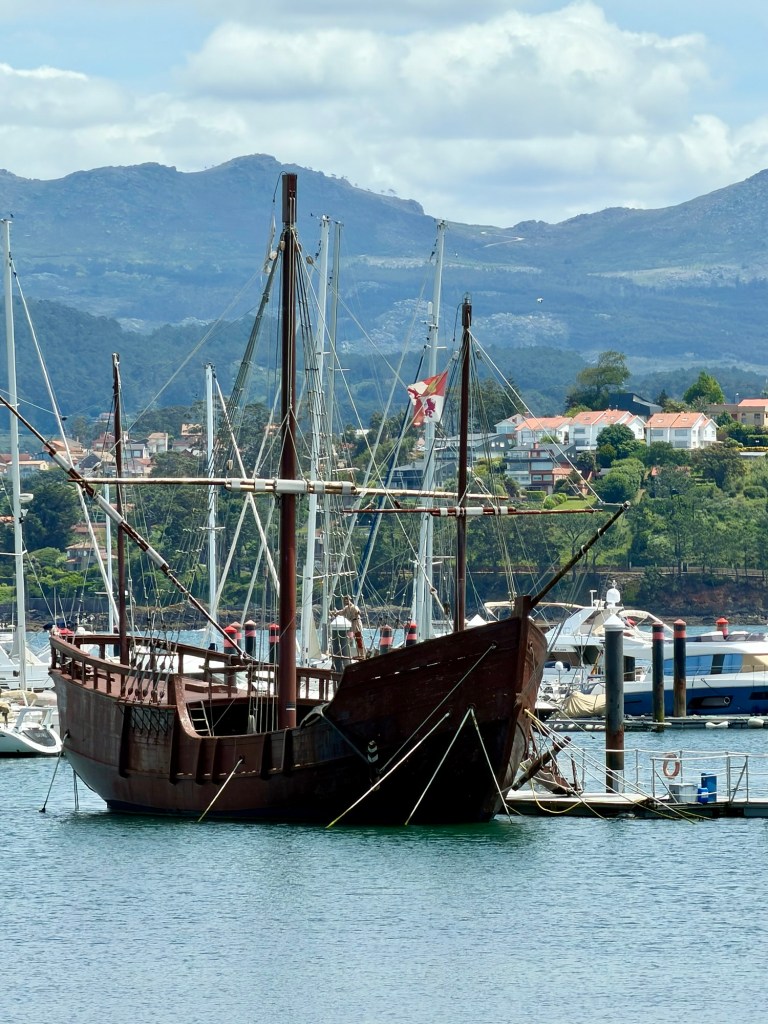
In 1493, the Pinta landed here after getting separated from the Niña and Santa María during a storm. That made Baiona the first place in Europe to learn about Columbus discovering the New World. Today, a replica of the Pinta sits in the marina.

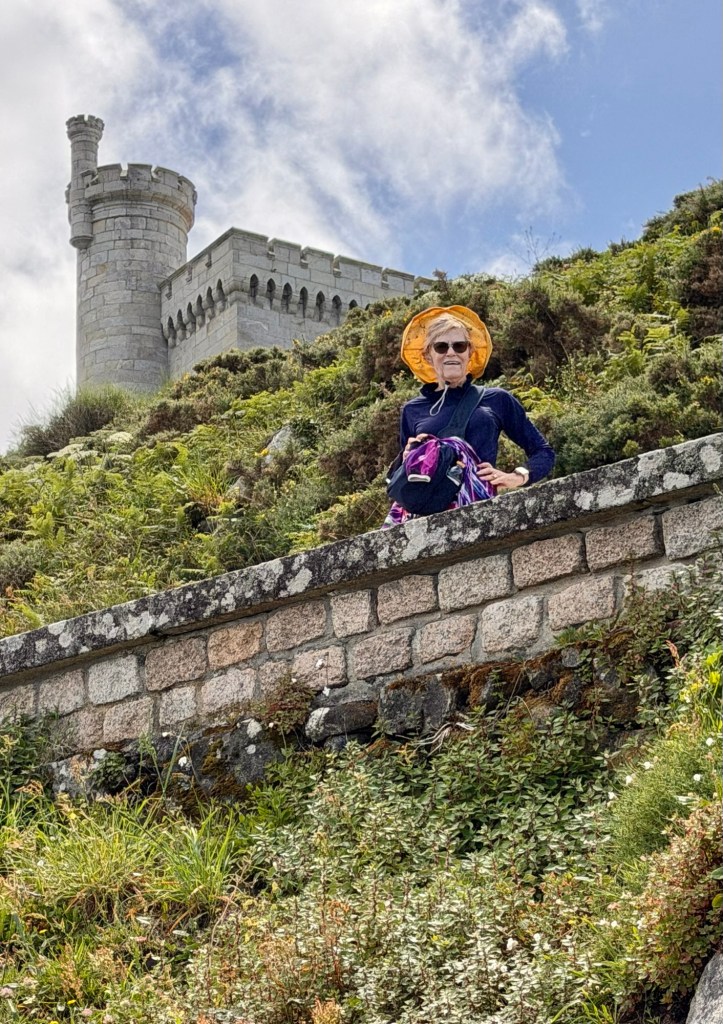
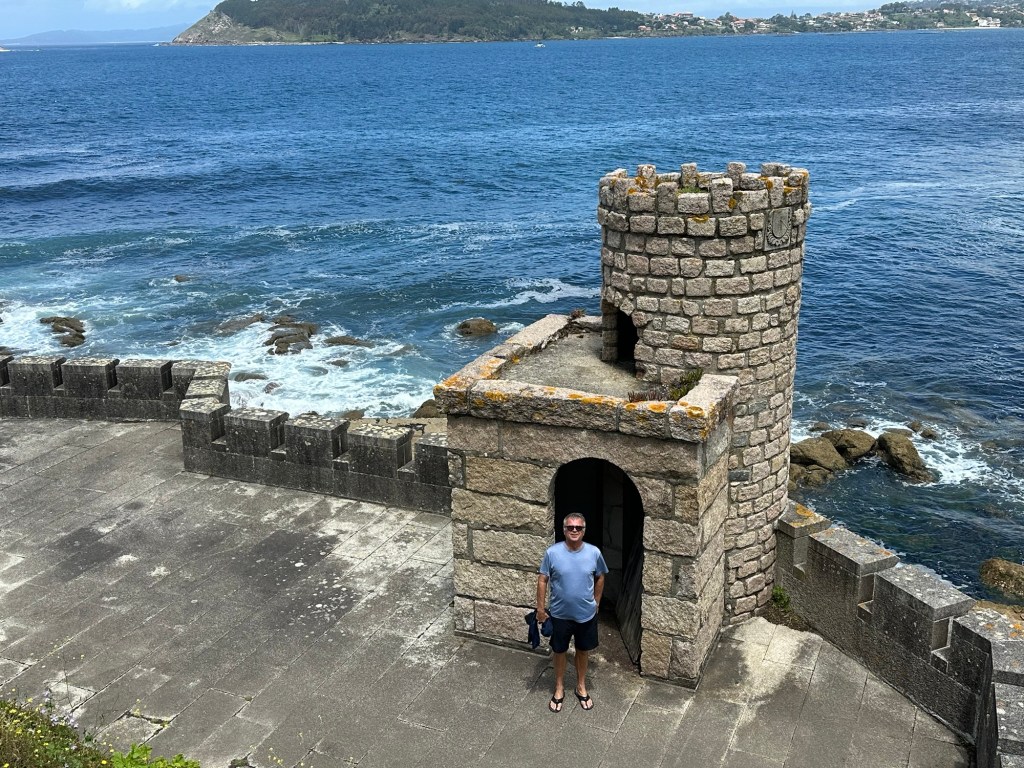
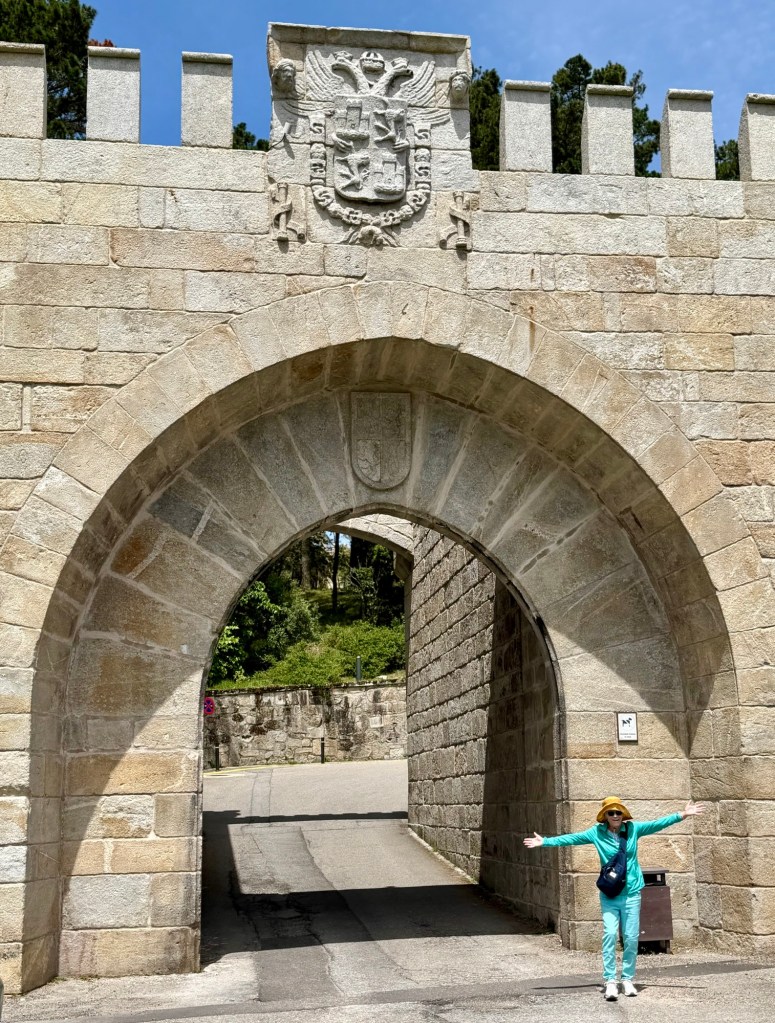
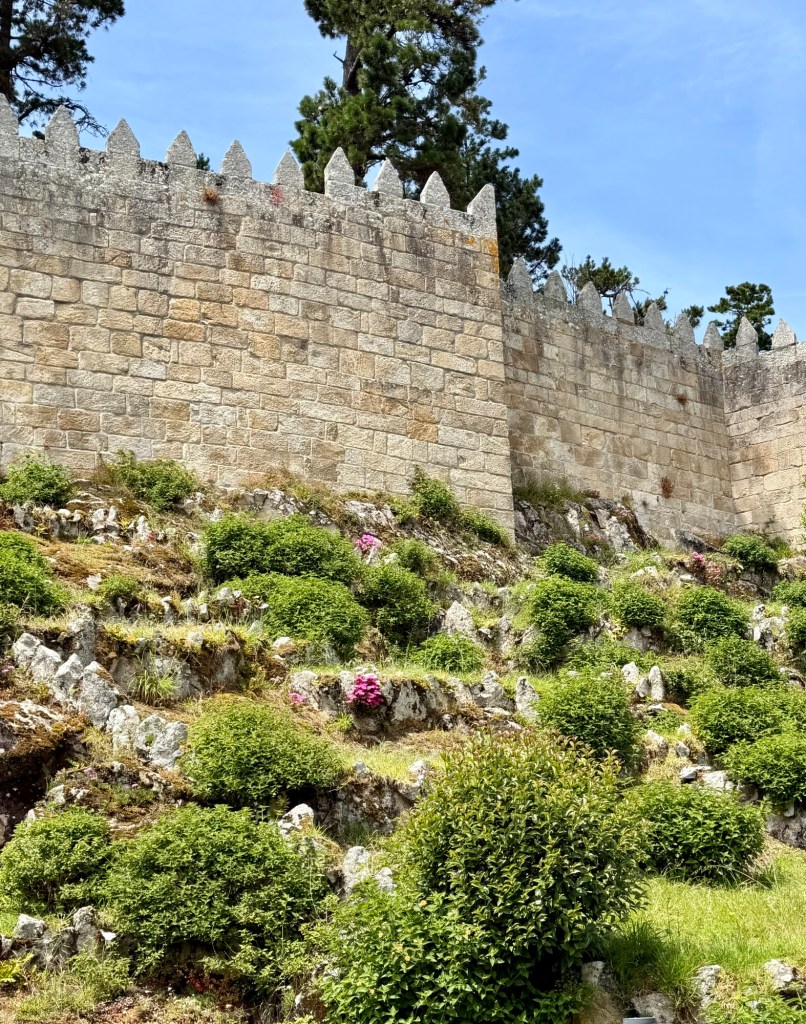
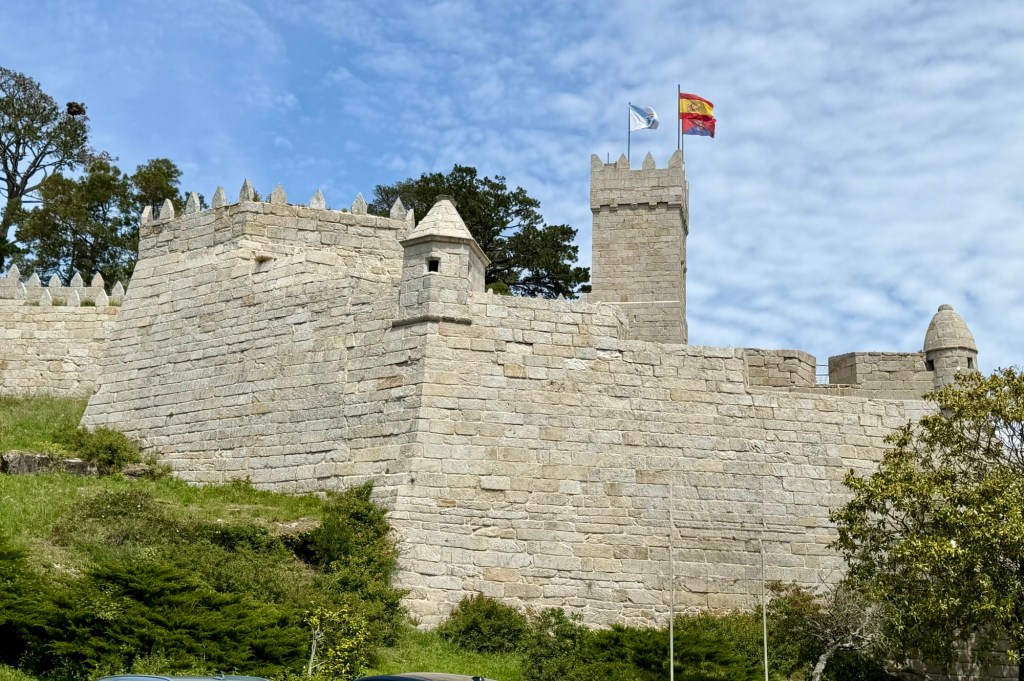
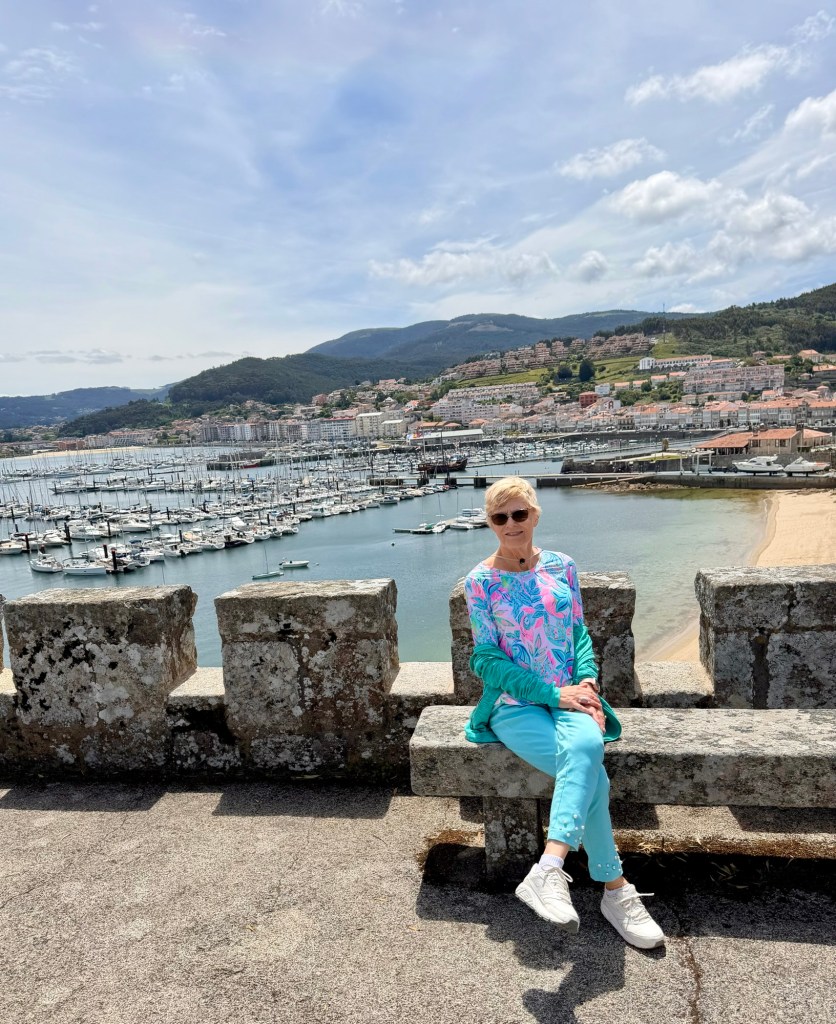
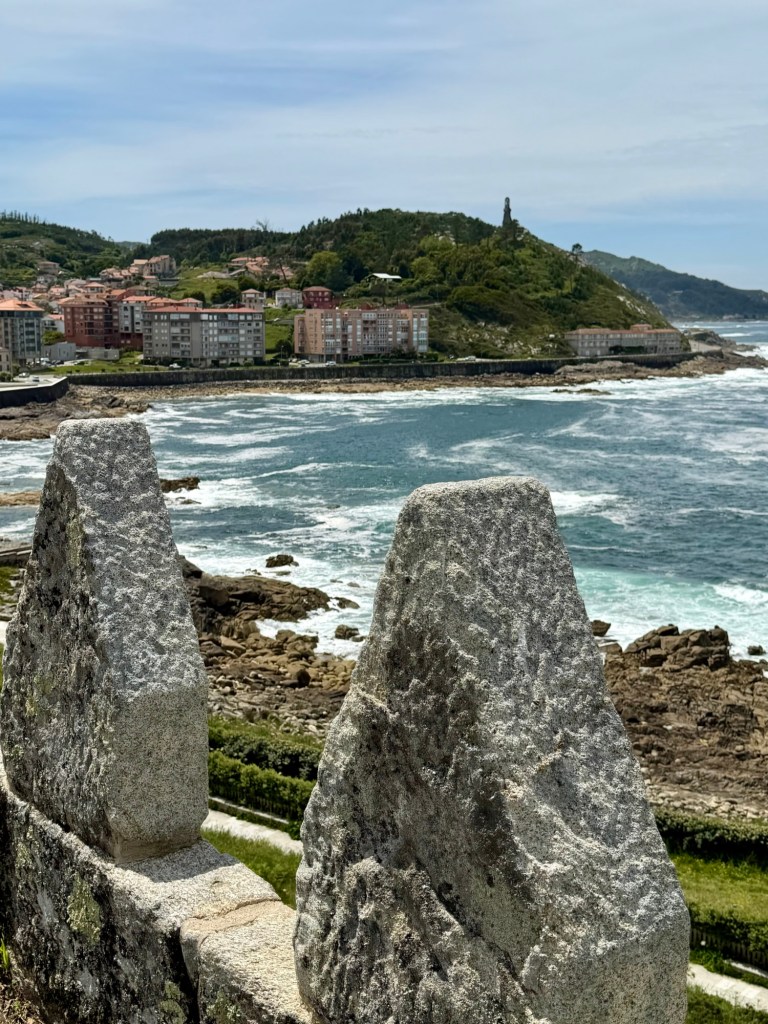
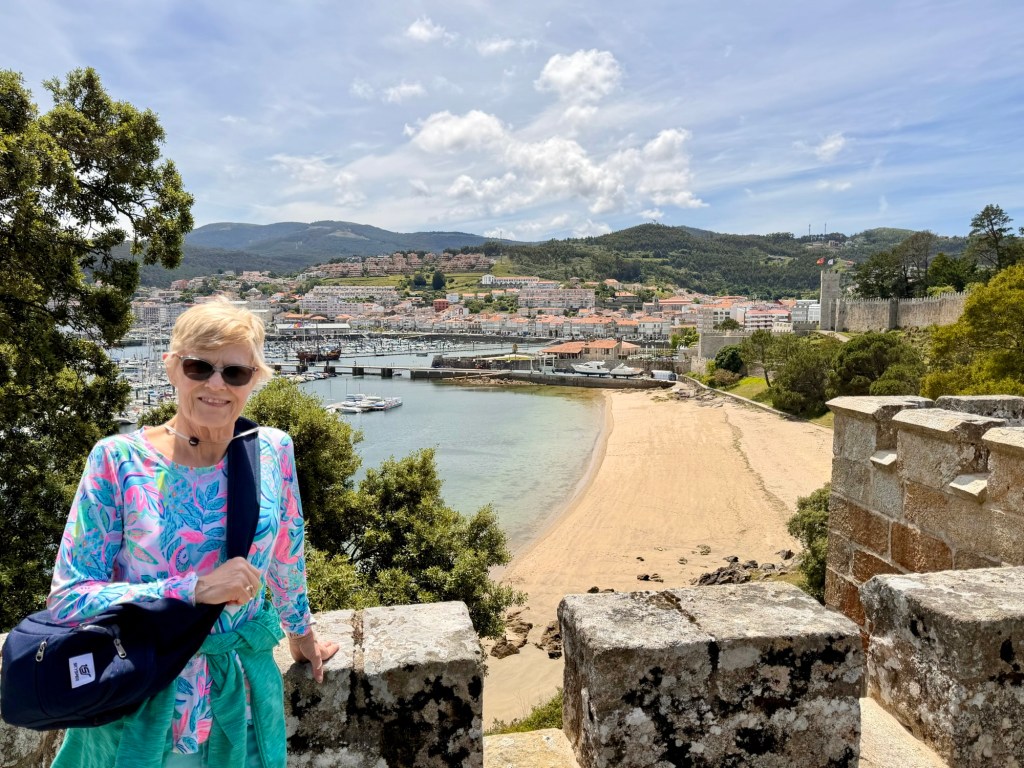
Because of its strategic location near the Portuguese border and Atlantic shipping lanes, Baiona was frequently attacked by pirates and foreign navies over the centuries. The massive stone fortress built to protect the harbor still stands today, with incredible views in every direction.

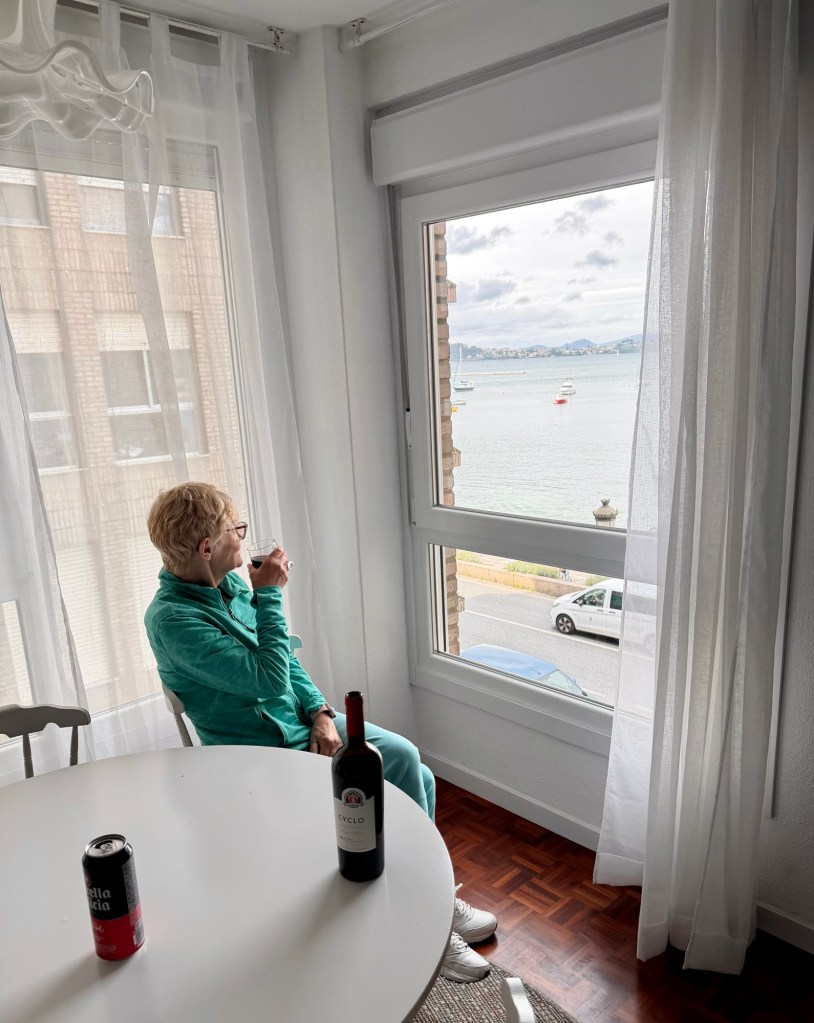
Our lodging was a small apartment right on the water. Perfect location. Then again, in a town the size of Baiona, I’m not sure there’s really a bad location.

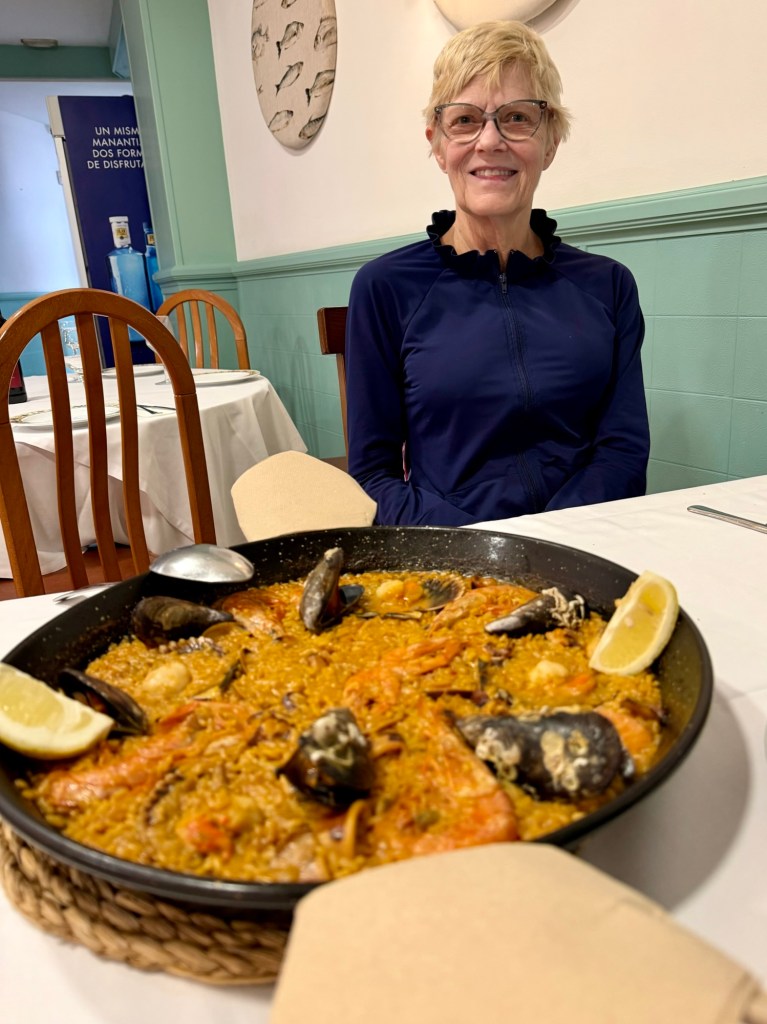
One of my strongest memories from my Camino stop here was eating seafood paella. Naturally, Kris and I had to order some again. Obviously, it was awful!

We spent two days in Baiona, wandering the waterfront, enjoying the ocean views, and eating way too much. I liked it just as much now as I did seven years ago.

I was just glad I wasn’t walking the Camino when we left.

Next stop… Vigo.

Enjoy.

Pete
Porto

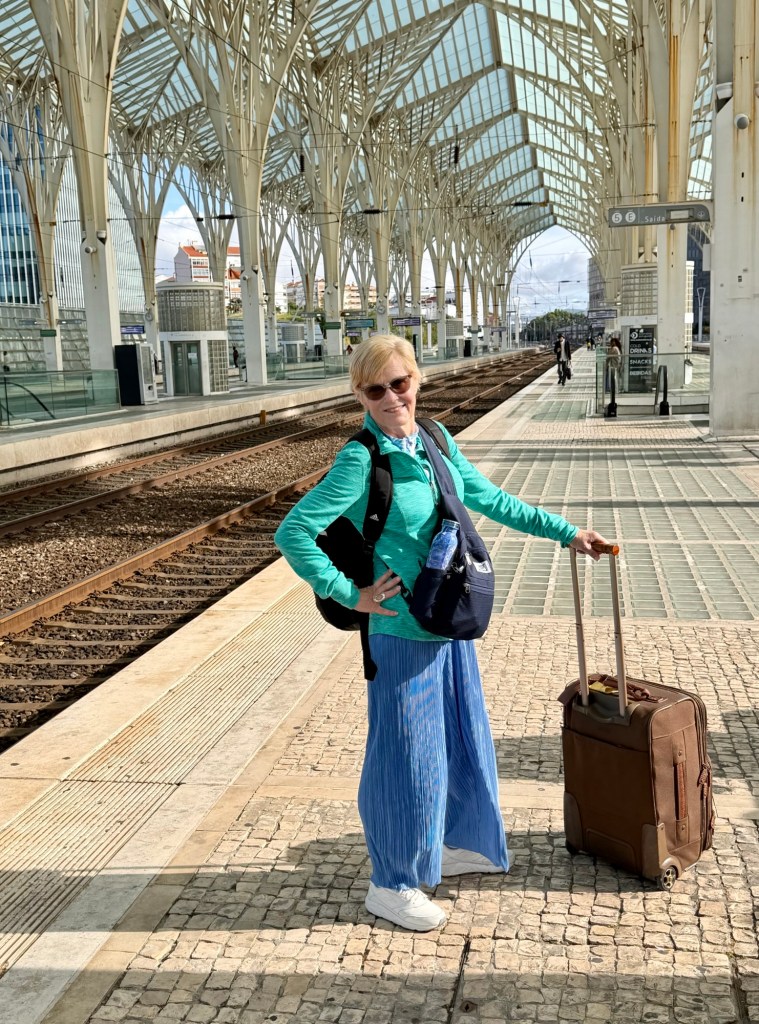
We left Lisbon by train and rolled into Porto early in the afternoon.

Our hotel was conveniently located about a block from the station. We dropped our bags and immediately headed out to explore.

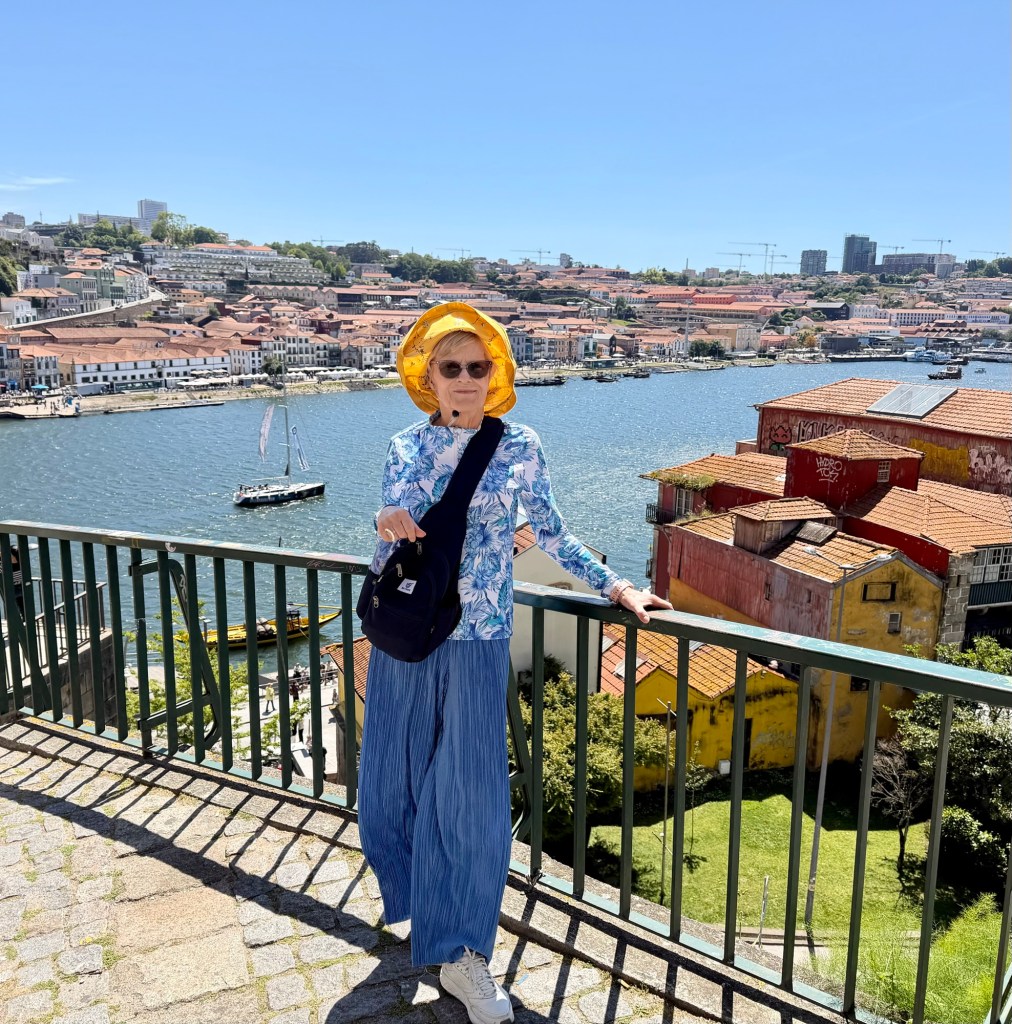
Porto is famously hilly. The city climbs steeply from the Douro River, with narrow alleys, and scenic overlooks tucked everywhere.

We like to walk. Kris isn’t happy unless she gets at least twenty thousand steps a day. I’m more of a binge walker. I’ll alternate between five hundred and fifty thousand. When I go, I go. When I don’t… I really don’t.
Our hotel sat near the top of the hill. We were headed down to the Ribeira district along the waterfront. That meant a steep descent on slick cobblestone streets while wearing flip-flops and searching desperately for handrails that didn’t exist. It felt dangerous

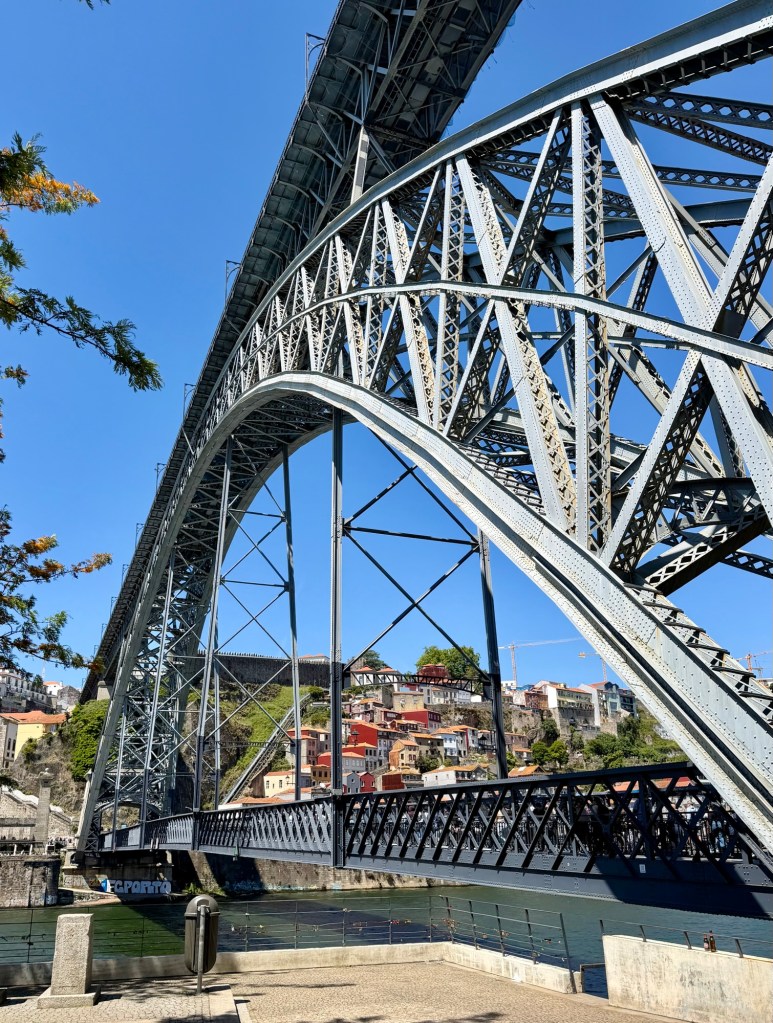
Eventually, we made it down to the river and decided to cross via the famous Dom Luís I Bridge. The bridge was designed by a student and former business partner of Gustave Eiffel, which explains why it looks a little Eiffel-ish.

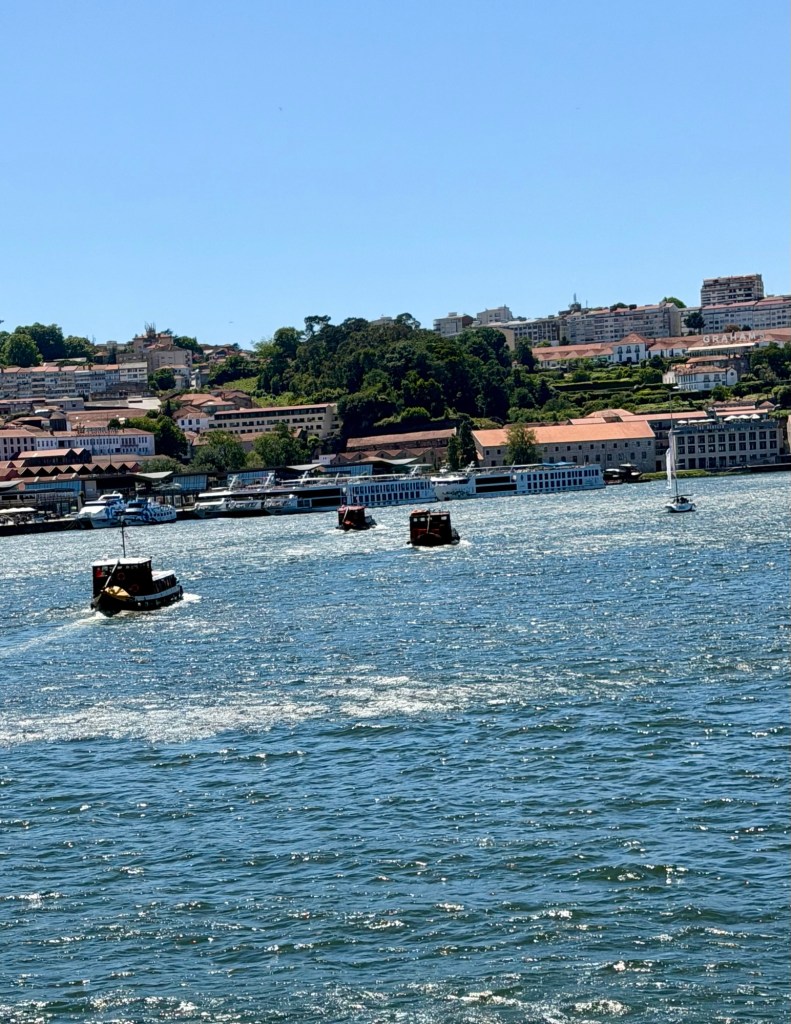
We’d considered taking one of the boat tours to see the six bridges spanning the Douro, but it was windy and cold walking across the bridge. Plus, after our transatlantic cruise, we’d had enough time on boats for a while.

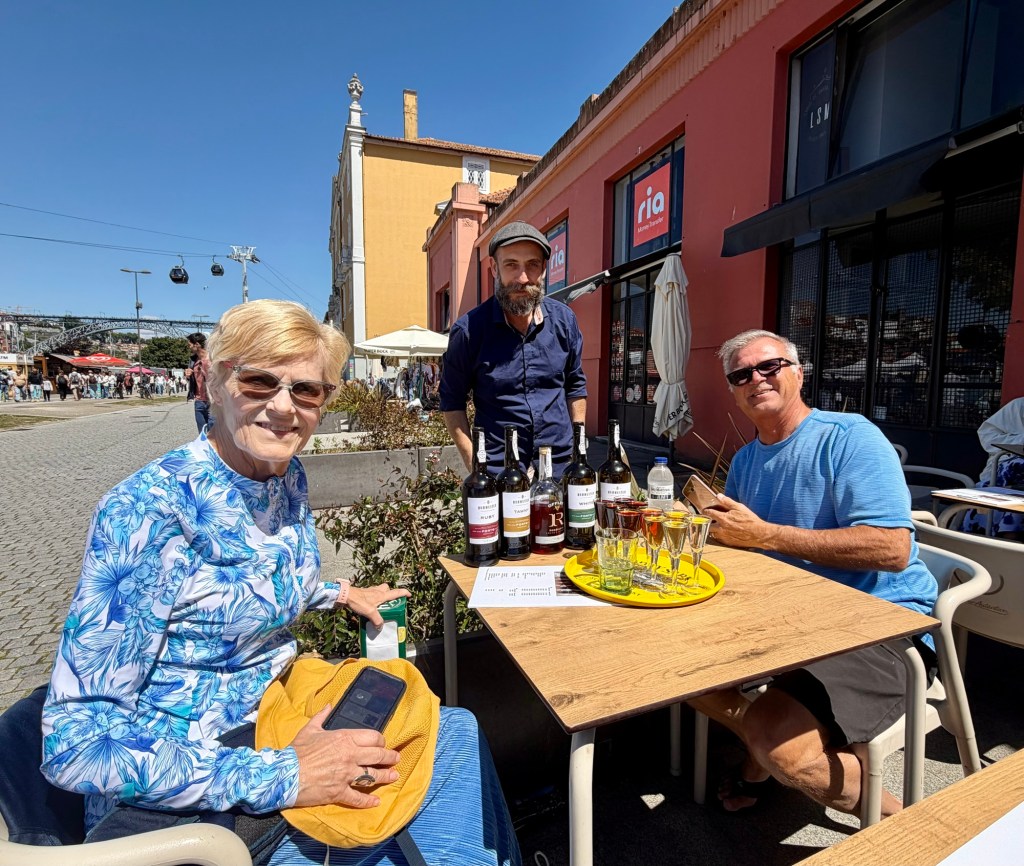
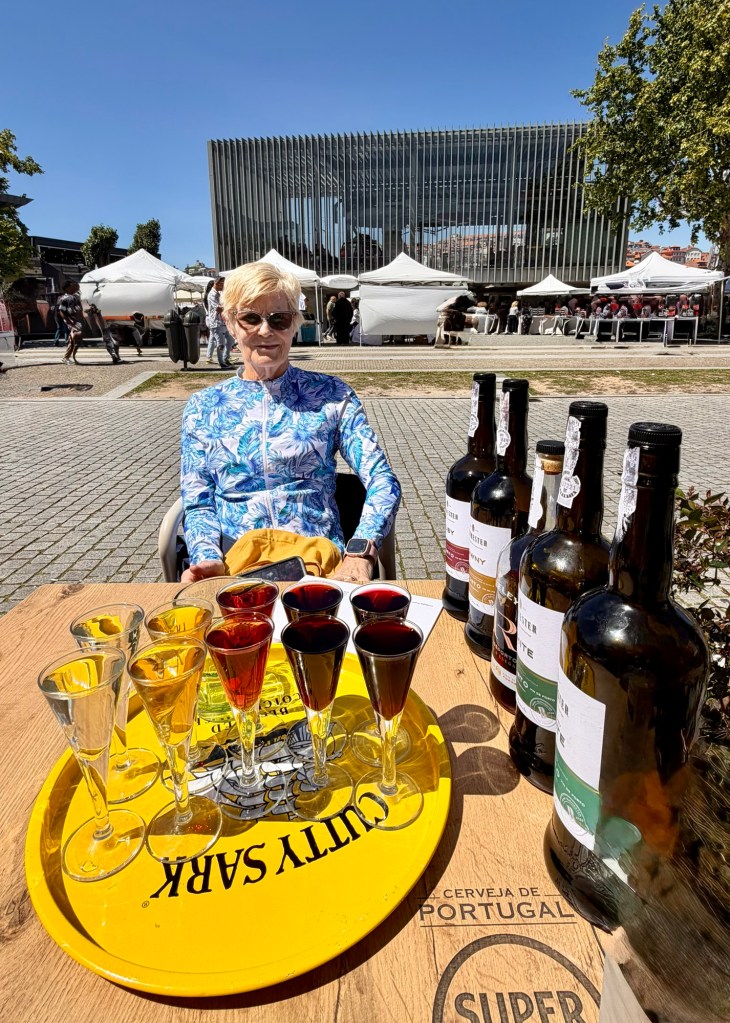
Across the river sits Vila Nova de Gaia, home to the famous port wine lodges. We stopped for a tasting. Port wine is a little too sweet for my taste. I’ll take a cold cerveza every time. Still, we enjoyed the music, the atmosphere, and watching people wander along the waterfront.

After a nice dinner, it was time to head back uphill to the hotel. We took an Uber. Pride only goes so far.

The one thing I really wish we’d had time for was a cruise up to the Douro Valley, Portugal’s famous wine region. That’s really a full-day trip, and our timing just didn’t allow for it.

If you ever visit Porto, I’d recommend spending at least two days there. One day for the Douro Valley and another to explore the riverfront, bridges, wine lodges, and hills. And if possible, find lodging closer to the waterfront. Just saying.

Next stop… Baiona, Spain. One of my favorite stops on the Coastal Portuguese Camino.
Adios.

Pete